$6.72-Per-Gallon Gas Hits Rural County—Families Spend 31% Of Income On Transportation
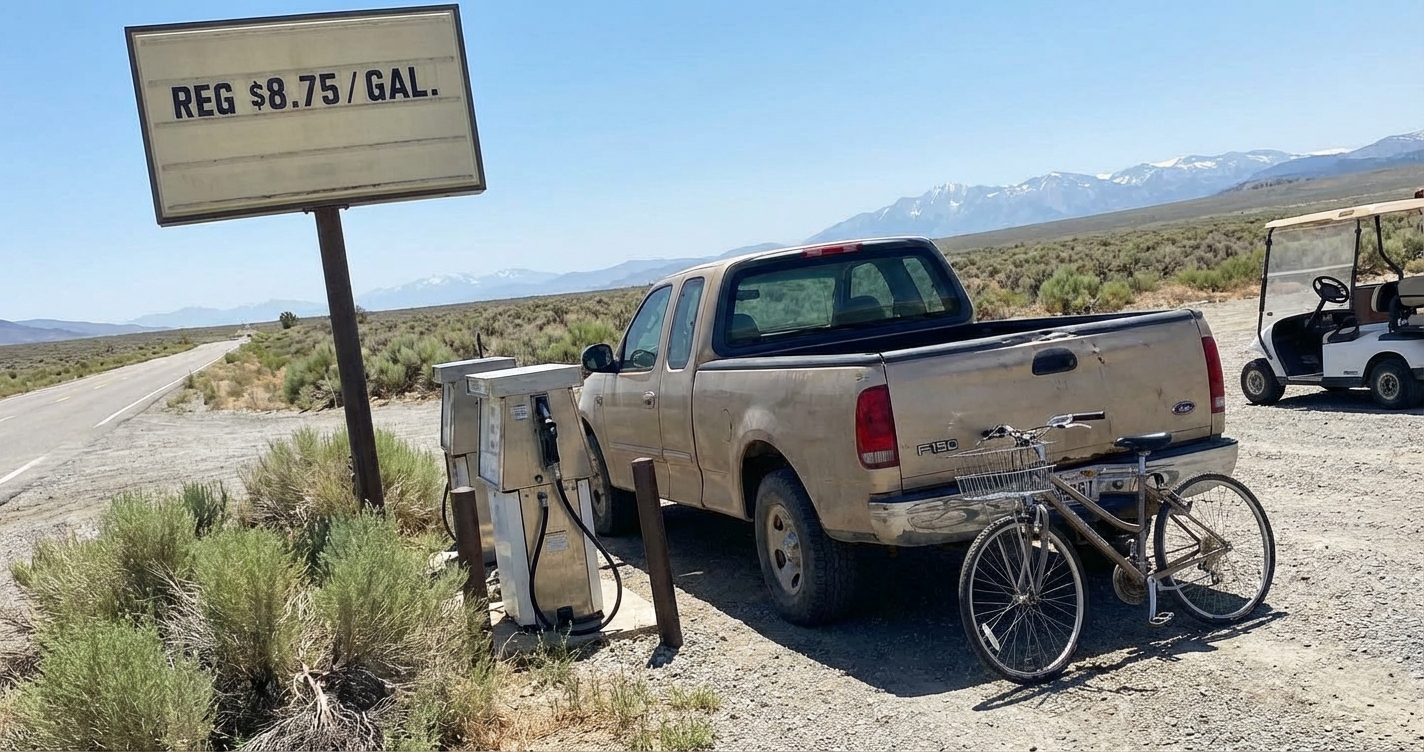
Somewhere east of Yosemite, in a California county with 13,066 residents and a grocery store 20 miles away, a woman climbed into a golf cart to check on her vacation rental properties. Not for fun. Because she couldn’t justify burning gasoline at some of the highest prices in America.
The Strait of Hormuz sat closed 5,000 miles away, and the ripple had reached a mountain town most people drive through without stopping. Crude oil topped $115 per barrel. The pump price in Mono County told the rest of the story.
Highest County Average
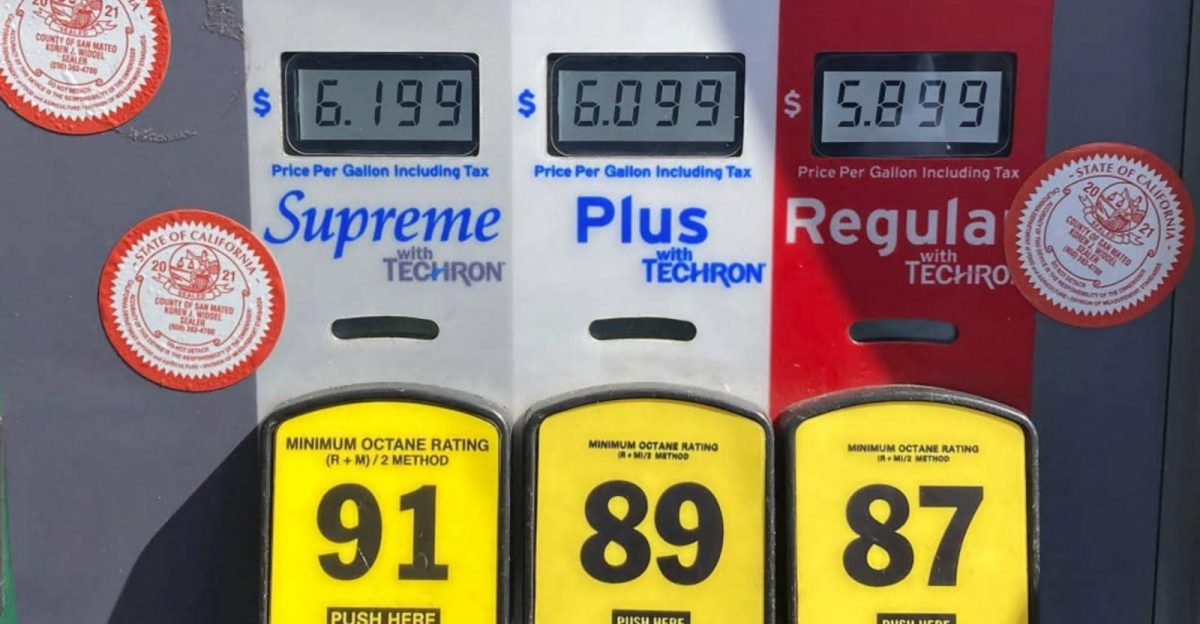
As of April 7, 2026, Mono County’s average gas price was $6.72 per gallon, the highest county average in the United States according to AAA data reported by multiple outlets. The national average sat at just over $4.10. California’s statewide average was significantly higher than the national figure, reflecting the state’s structural price premium.
Mono County still blew past both by margins that don’t make sense until you understand what’s underneath. The county has no Costco, no discount fuel retailers, and villages of 300 people separated by mountain passes. Rural households already spend roughly $1,360 more per year on transportation than urban ones. That gap just exploded.
A War 5,000 Miles Away
The U.S. and Israel launched strikes on Iran at the end of February 2026, escalating a conflict that quickly spilled into global energy markets. Iran responded by disrupting traffic through the Strait of Hormuz, a chokepoint for roughly one-fifth of the world’s oil and natural gas. The Dallas Federal Reserve modeled crude prices reaching as high as $132 per barrel under an extended closure scenario.
“Energy independence” was supposed to insulate Americans from exactly this. It didn’t. California’s proprietary fuel blend, CARBOB, requires specialized refineries running at near-capacity year-round. Few refineries produce the state’s unique gasoline blend, and they often operate with little slack even in normal times. When global supply drops sharply, California absorbs amplified pain.
The Golf Cart Economy
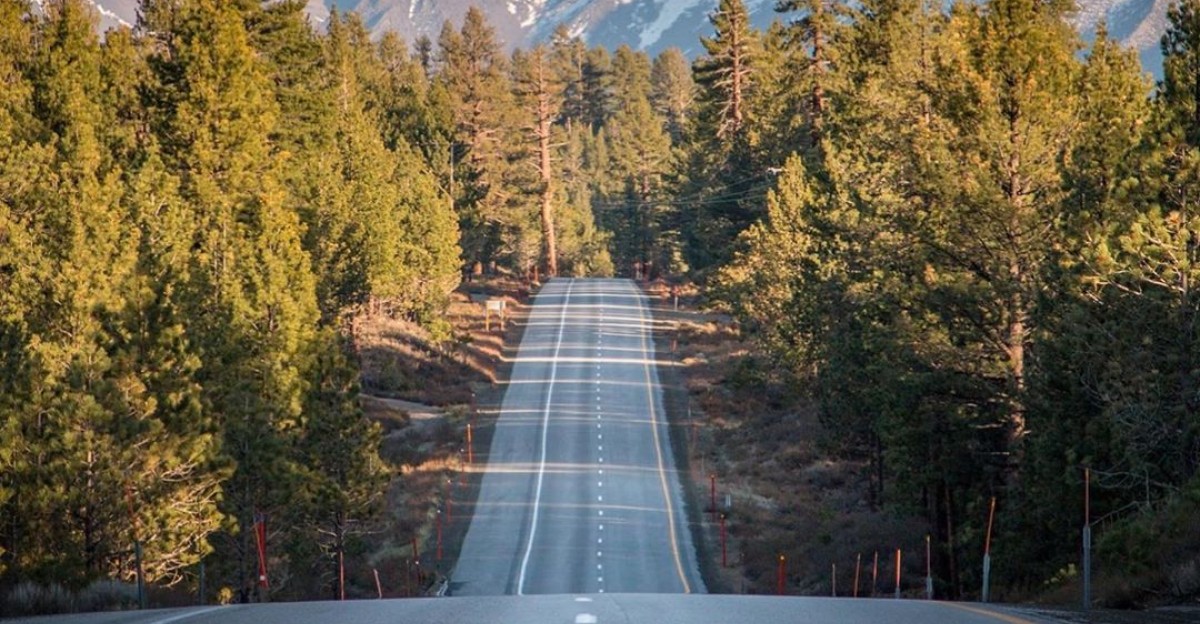
Connie Lear manages 42 vacation rental properties in Mono County. She cut grocery trips to once per week, 20 miles each way, and switched to golf carts and bicycles for local errands. Her business depends entirely on tourists driving to her.
Those tourists face the same fuel costs. Bookings have already softened as visitors trim trip lengths and reconsider road-trip plans. The woman whose livelihood requires freedom of movement cannot afford to move. Forty-two properties. One weekly grocery run. A golf cart as primary transportation. That’s not adaptation. That’s subsistence.
The Hidden Chokepoint Inside California

California’s CARBOB reformulated gasoline mandate, a clean-air policy from the 1990s, created a structural bottleneck nobody talks about outside energy circles. Few refineries produce the state’s proprietary blend. They run at near-capacity in normal times.
When global shocks hit, supply can’t flex. California’s gasoline prices have climbed more than 20% year-over-year, faster than the national average. That mandate protects urban air quality. The cost lands on rural residents who burn more fuel, drive longer distances, and have fewer alternatives. Environmental policy designed for cities effectively hands rural America the bill when fuel markets seize up.
31 Cents of Every Dollar

Lower-income households devote 31% of their income to transportation. The national average is 13%. Urban households are twice as likely to not own a car, 13% versus 6% in rural areas.
That’s a choice urbanites often have. Rural residents don’t. When a county’s pump prices sit well above a $4.00 national average, a family already spending nearly a third of income on getting to work, school, and groceries has nothing left to cut except food, healthcare, and heat. Mono County’s 13,066 residents absorbed the full force of a geopolitical crisis with almost no buffer whatsoever.
Tourism Season on Life Support
Summer 2026 bookings face trouble before the season opens. Vegas hotels already expect softer numbers as road-trip budgets spike and airfare bakes in higher fuel surcharges. Mono County, near Yosemite, depends on visitors who drive in.
Those visitors now recalculate every trip. Small businesses like Lear’s 42-property operation can’t simply pass fuel surcharges to guests who aren’t coming. Agricultural truckers serving the region face the same margin compression as diesel costs rise. The EPA approved an emergency E15 ethanol waiver effective May 1, expanding the use of higher-ethanol blends at more than 3,000 stations nationwide. But E15 burns less efficiently per gallon, delivering fewer miles per tank. It’s a band-aid shaped like relief.
The 24-Hour Mirage
On April 8, a U.S.-Iran ceasefire announcement sent oil prices 16% lower overnight. Brent and WTI both plunged on the news. Analysts said lower pump prices could follow within days.
Then fighting resumed. Attacks hit refineries and infrastructure across the region, and the drop reversed just as quickly. “If this breaks, if the ceasefire does not hold, those prices could be going right back up,” one analyst warned on live television. That pattern—hope followed immediately by dread—is becoming the permanent condition. Every “relief” lasts hours, not weeks.
Ships Won’t Move First
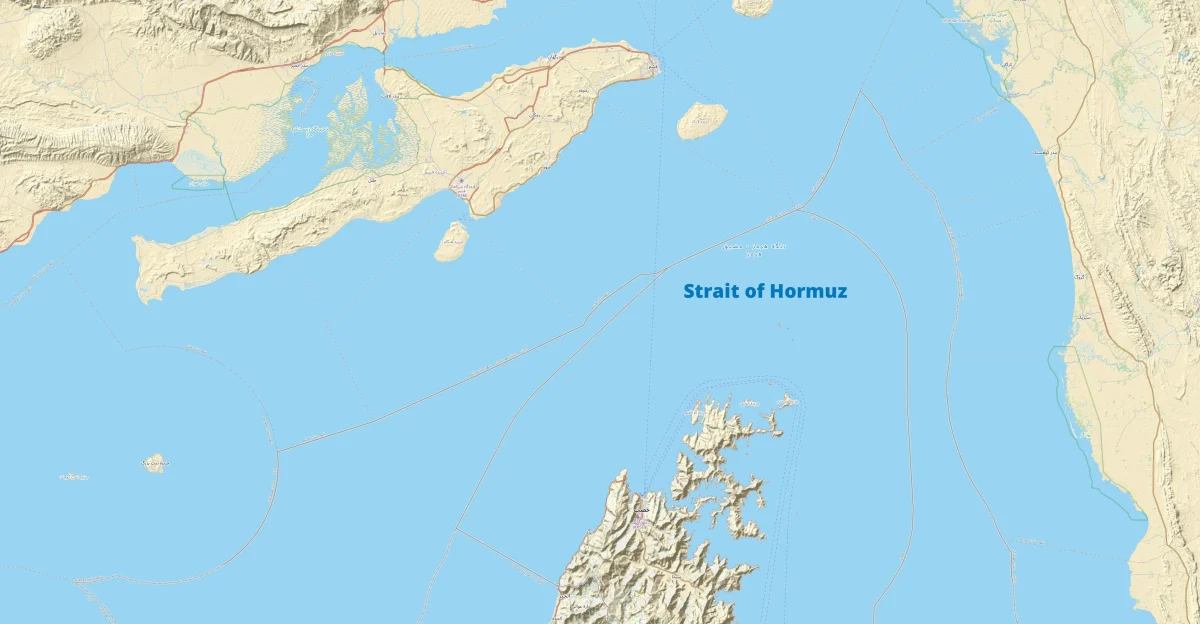
Even with a ceasefire on paper, the Strait of Hormuz can remain functionally frozen. “There are not many ships willing to take the risk yet because who wants to be a first mover in this kind of environment where we don’t know where this is going to go,” a market analyst reported from the Gulf. Roughly 80% of the oil constrained by a Hormuz disruption is normally destined for Asia, but global prices move together.
If the closure or severe disruption extends through the second quarter of 2026, the Dallas Fed models crude reaching up to $132 per barrel. Counties like Mono, already at the top of the national price ladder, could see pump prices climb toward double digits under that scenario.
The System Working as Designed
Every geopolitical flare-up in the Persian Gulf helps determine whether a property manager in rural California can afford groceries. That’s the system. California’s fuel mandate restricts supply by design.
Global oil markets synchronize prices across continents. Rural Americans spend dramatically more of their income on transportation, with lower-income households devoting 31% versus a 13% national average. None of this is temporary. The next Strait closure, the next refinery shutdown, the next ceasefire that collapses in 24 hours will produce the same result. Knowing that is the difference between understanding this crisis and being blindsided by the next one.
Sources:
CNN / Yahoo Finance / AOL syndication – “Through the roof: This county has the highest average gas price in America” – April 6, 2026
AAA – “For the First Time in Four Years, National Average Exceeds $4/Gallon” (April 2026 fuel price update) – April 2026
Community Solutions – “The ripple of rising gas prices: transportation burden, food prices, and rural communities” – April 5, 2026
Dallas Federal Reserve – “Economic implications of a prolonged Strait of Hormuz disruption” – March 2026
U.S. Environmental Protection Agency – “EPA Issues Nationwide Emergency Waiver for E15 Gasoline for Summer 2026” – April 2026
California Air Resources Board – “California Reformulated Gasoline (CARBOB) Requirements and Refinery Capacity Overview” – 2025