$59B ‘Mystery Surcharge’ Exposed In California Gas Prices—8 Refineries Left To Supply 40 Million People
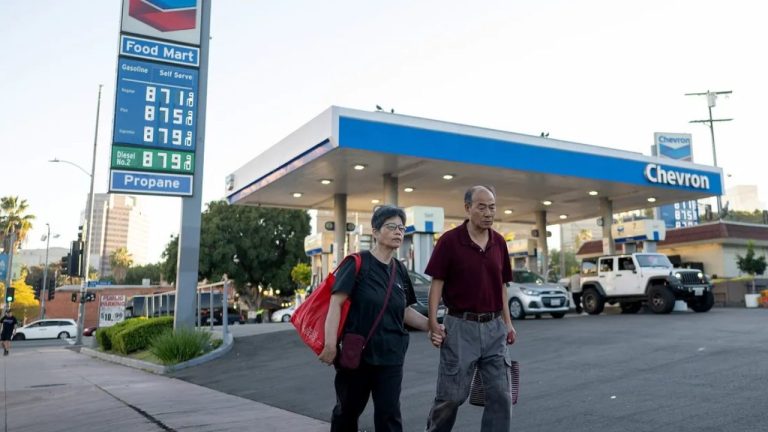
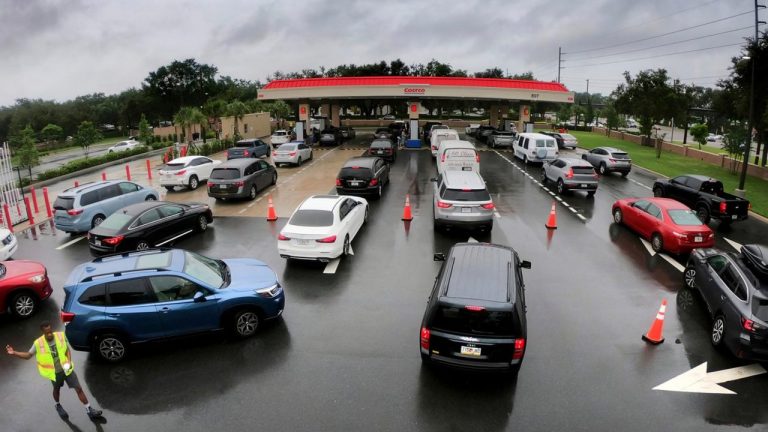
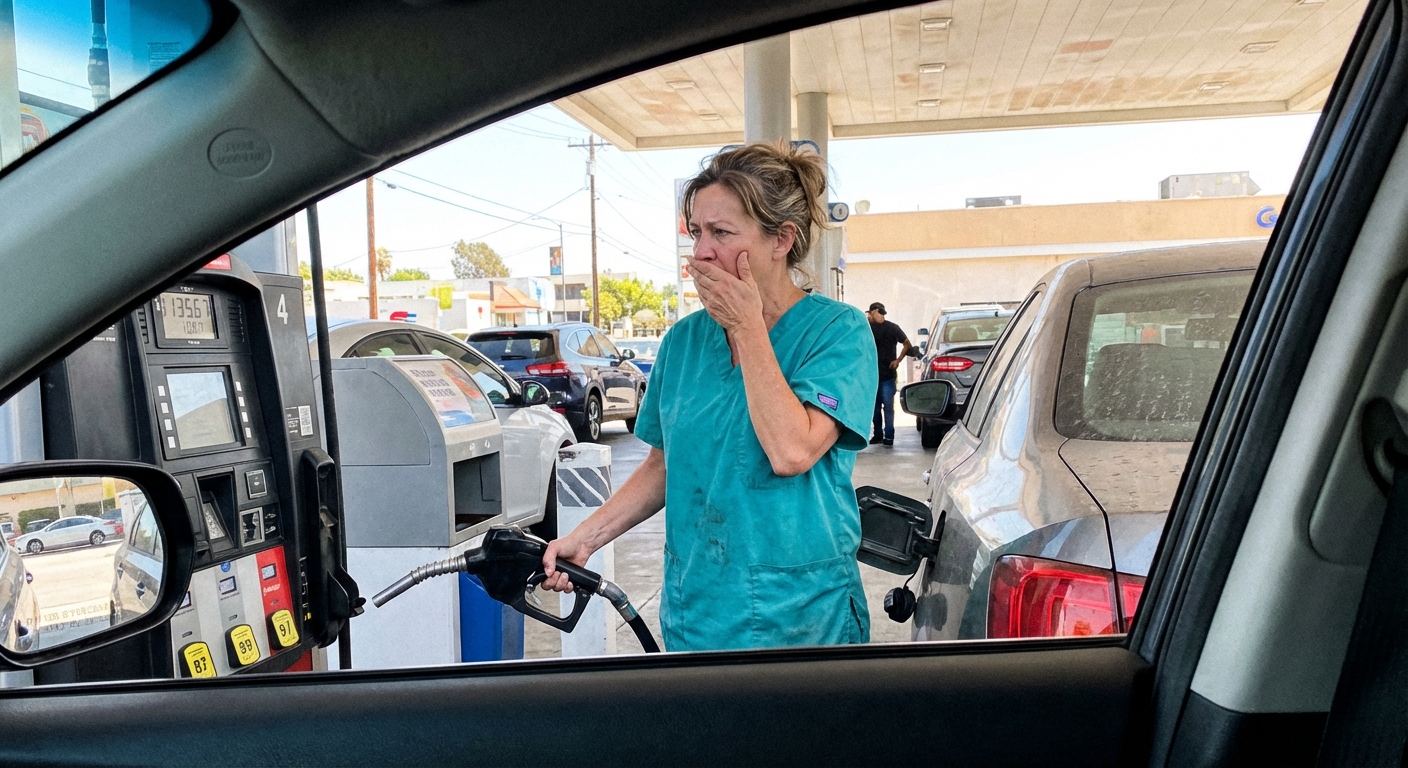
At a Chevron station in LA’s Chinatown, the sign read $8.71 per gallon one day in late March 2026, three dollars higher than the city average. Inside, no one seemed shocked.
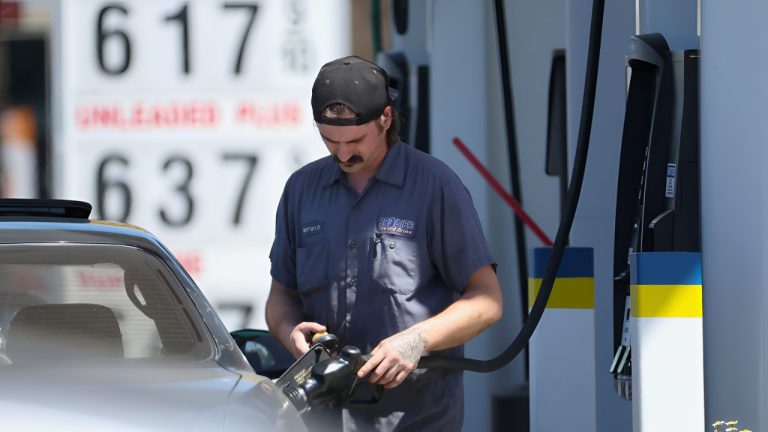
For months, Californians have watched prices rise, feeling each fill-up sting a little more than the last, each receipt harder to justify. According to AAA, the statewide average hit $5.37 per gallon, while the national average was $3.97. The gap between the two is among the widest ever seen in U.S. fuel markets, and the reasons behind it are more complicated than a single expensive pump.
Two Refineries Gone in Four Months
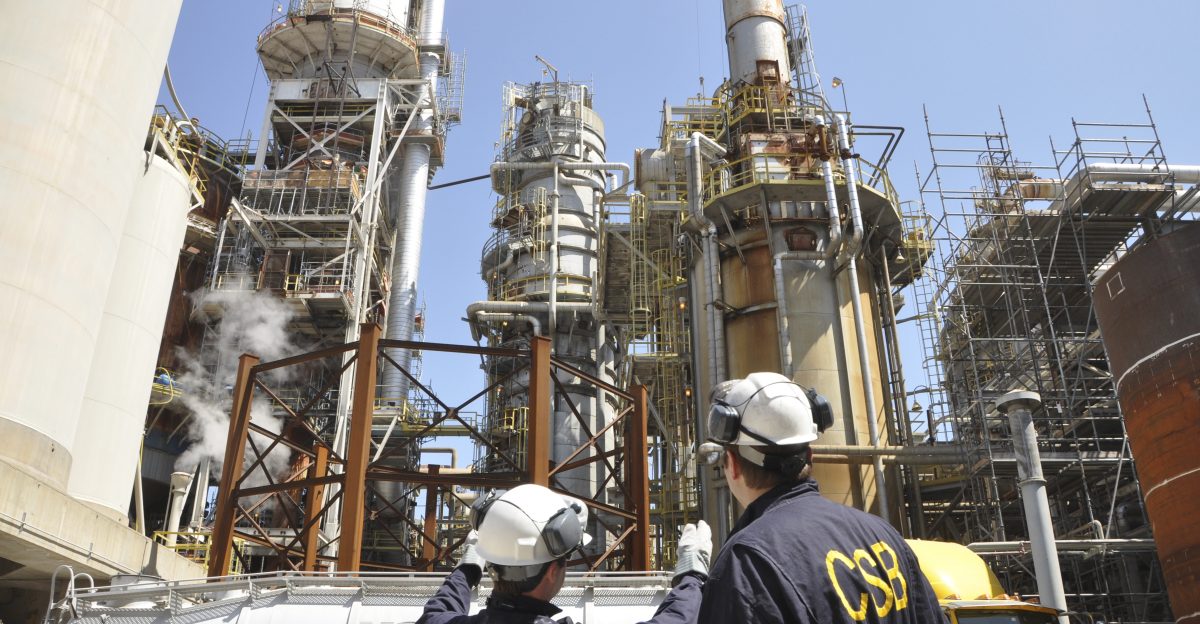
In December 2025, Phillips 66 closed its Los Angeles refinery for good, ending more than a century of operation. That site alone processed 139,000 barrels a day. Not long after, Valero said its Benicia facility (responsible for 145,000 barrels daily and about 10% of California’s refining capacity) would go idle in April 2026. Just like that, 280,000 barrels a day disappeared, wiping out nearly 20% of the state’s gasoline production.
Phillips 66 issued WARN notices to 277 workers. The company blamed “uncertain market dynamics.” Valero cited similar pressures. Two major shutdowns, only weeks apart, and 40 million people left to deal with the fallout.
A 35-Year Collapse Nobody Planned For
Back in the early 1980s, California had more than 40 refineries. Fast forward to October 2025, and only eight are left. That’s an 80% drop over forty-plus years. Crude oil production in the state has also plunged by 75% since then, and this decline started well before any climate rules were put in place.
For a while, policymakers assumed that profit caps and transparency laws would give Sacramento control over gasoline prices. But keeping refineries in check and keeping them open turned out to be two very different things. California built a complex set of regulations, then watched as the companies in charge of supply simply walked away.
The Victory Lap That Aged Badly
Back in 2023, Governor Newsom stood at a podium and declared victory over Big Oil after signing the country’s first profit-cap law. The California Energy Commission had calculated that drivers were paying a mysterious 41-cent-per-gallon premium, an extra $59 billion from 2015 to 2024.
The law was meant to put a ceiling on refinery profits, especially in moments like this. But enforcement was postponed to 2029. And when prices spiked, Newsom told regulators to “work closely with refiners” instead of using the new law. The tool built to fight this kind of crisis is still sitting on the shelf.
The Bahamas Detour
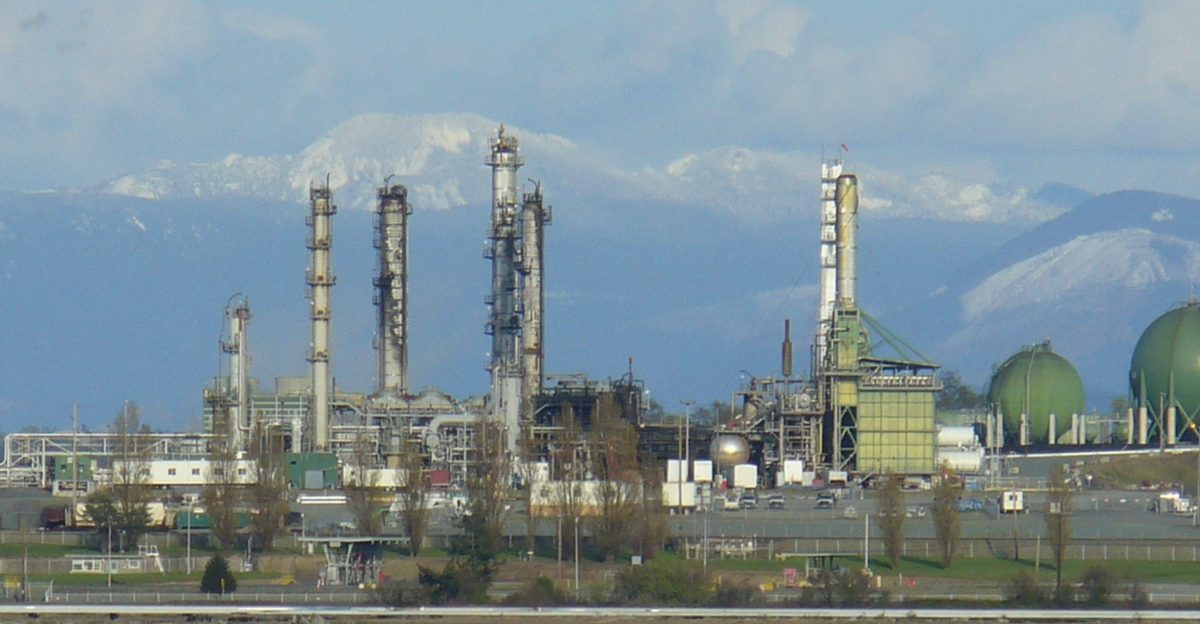
California now imports about 75% of its petroleum. But moving fuel by ship within the U.S. isn’t simple; federal law requires special Jones Act-compliant tankers, and only 55 of those exist worldwide (out of more than 7,000 tankers total). So, California gets creative: gasoline is routed through the Bahamas to get around this rule.
In November 2025, over 40% of the state’s gasoline imports took this Caribbean detour. In fact, California got more barrels from the Bahamas in 2025 than in the previous nine years combined. It’s a strange loop: American fuel leaving the country, then coming back home, but more expensive. That’s the hidden plumbing behind every gas station receipt.
The Numbers Behind the Pain
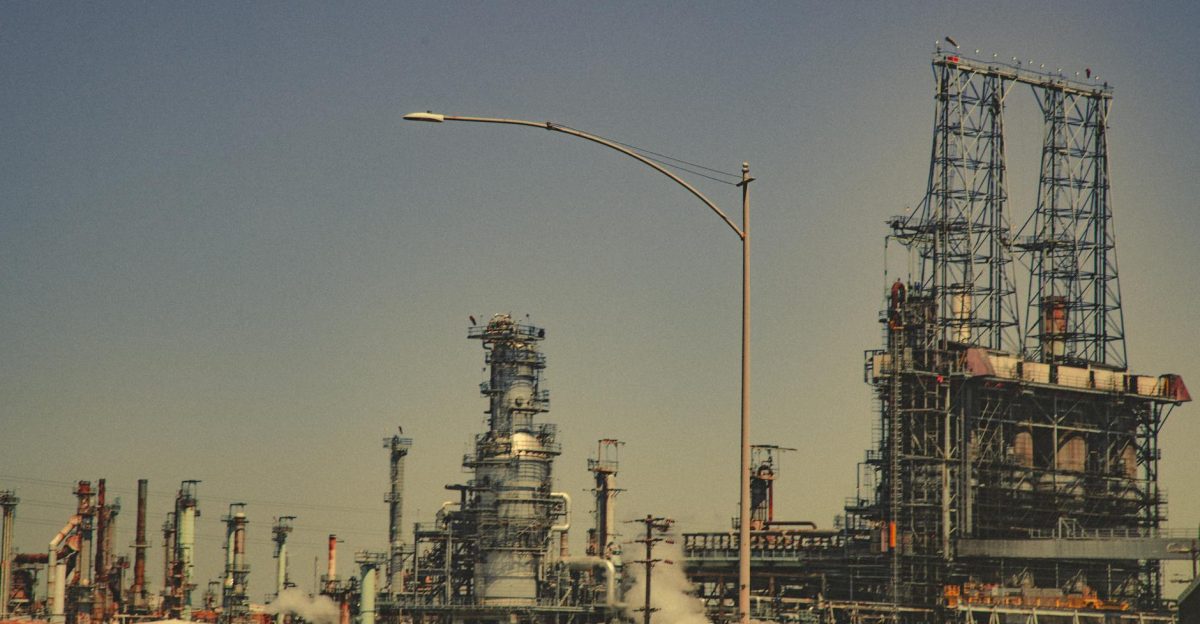
Diesel prices jumped to $6.21 per gallon, a $1.17 increase in just a month. For farmworkers in Kern County and the Central Valley, that cost hits home. At the ports of L.A. and Long Beach, where more than 200,000 people work, every container now moves with slimmer margins.
Economists at UC Davis predict that as the refinery closures play out, diesel could go up another $1.21 per gallon by August 2026, possibly pushing retail prices beyond $7. And while gas prices shot up 40 cents in just two weeks after the first closure, the second shutdown’s impact hasn’t even landed yet.
One More Fire Away From Emergency
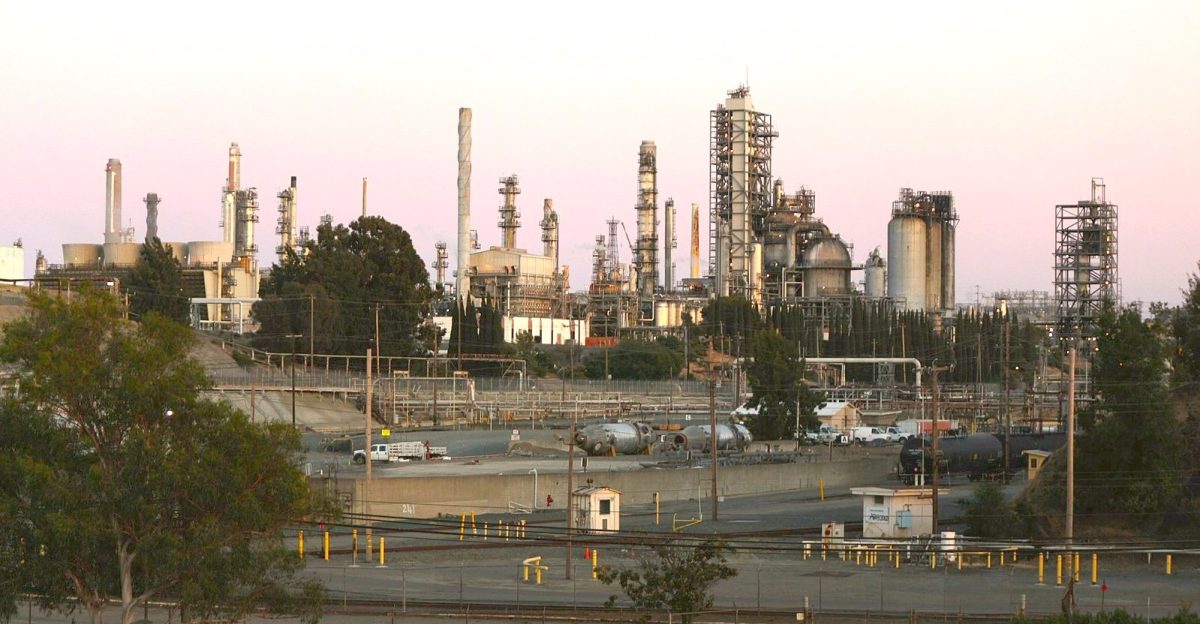
A fire at the PBF Martinez refinery has already taken 139,000 barrels per day out of the equation. If that outage lines up with the two big closures, California could suddenly be short about 68,000 barrels a day, a 4.9% fuel shortage. At the same time, conflict in Iran has basically shut down the Strait of Hormuz for commercial ships, blocking 20% of the world’s oil supply.
Brent crude prices soared to $119 a barrel on March 19. The International Energy Agency called it “the largest supply disruption in the history of the global oil market.” For California’s remaining refineries, there’s no room for mistakes anymore.
The Precedent Other States Are Watching
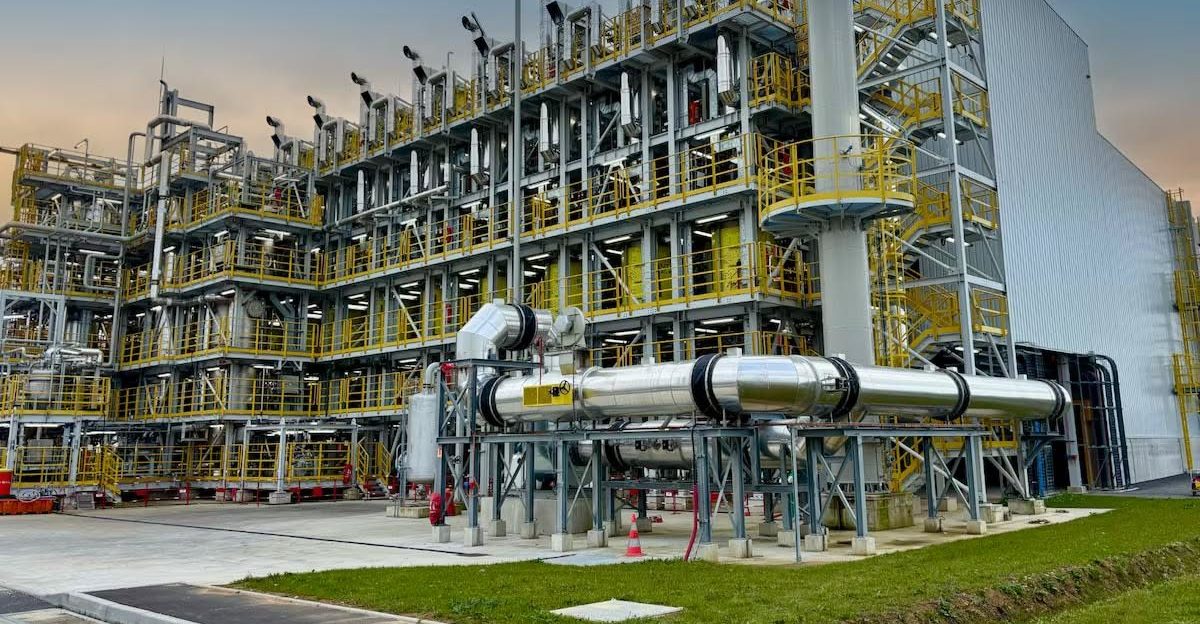
California built its policies to influence how refineries act, but not to make sure those refineries stick around. When profits shrank and regulations got tougher, companies chose to walk away. Suddenly, the state found itself working with the very industry it had tried to rein in.
This isn’t just a California story anymore. New York, New Jersey, and Washington are following similar climate-focused paths. Energy companies are watching California and taking note: when margin caps, storage mandates, and emissions rules pile up, leaving starts to look like the logical move. What was once an outlier now feels like the start of a trend.
Who Gets Hurt Next
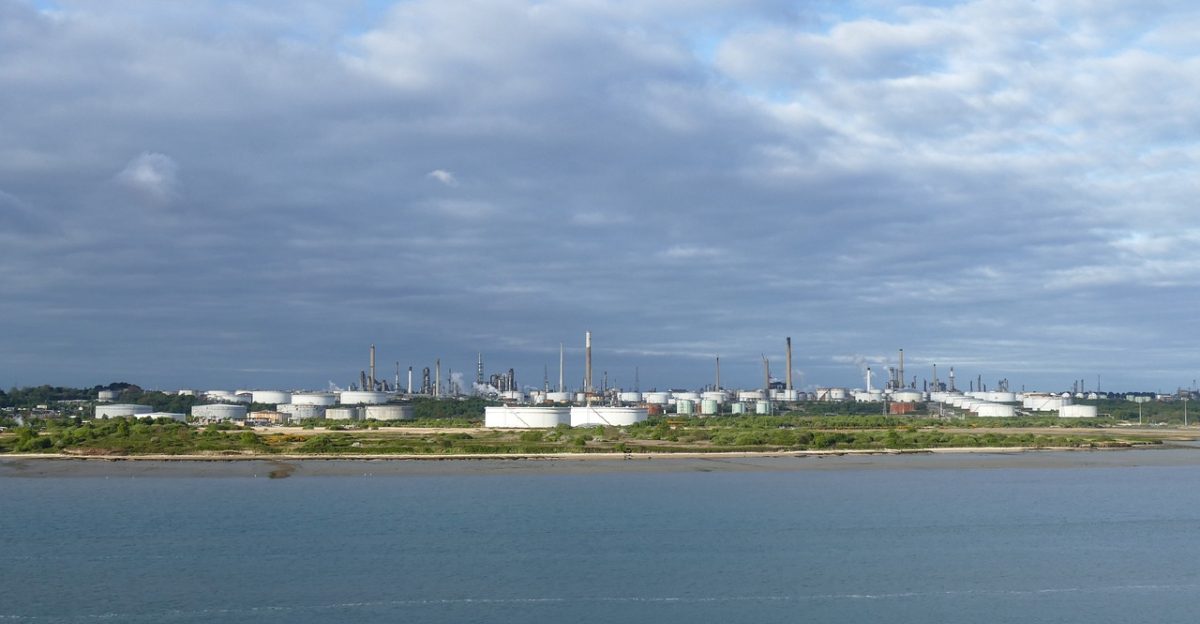
Travis Air Force Base and China Lake depend on California’s refineries for jet fuel. As domestic capacity drops and the state inches closer to relying entirely on imports, military readiness starts to depend on overseas supply chains, even as global tensions rise. Meanwhile, it’s lower-income families who feel the pinch the most, with fuel eating up a bigger share of their budgets.
Small logistics companies can’t pass on the full cost increases to their customers. The hope was that electric vehicles would help make up for lost refinery capacity, but that transition will take years. Refineries, on the other hand, can shut down in a matter of months. And if the Strait of Hormuz remains closed, even more closures could be on the horizon as economic pressures mount.
The $59 Billion Nobody Collected On
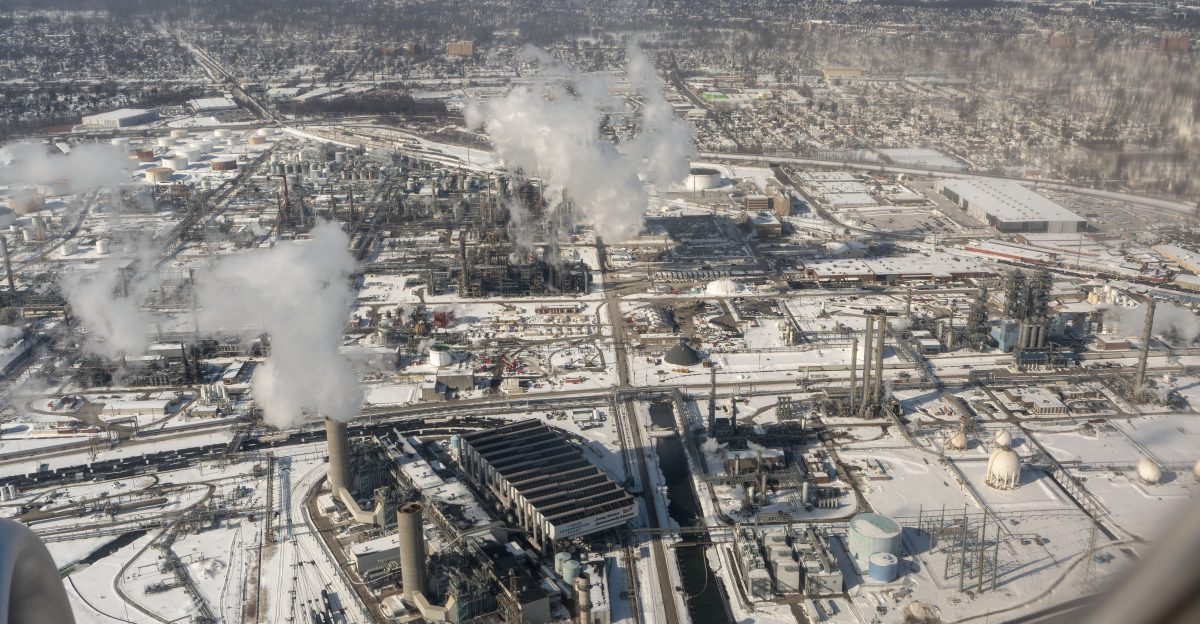
The Phillips 66 refinery is built over groundwater tainted with benzene, PFAS, and other chemicals. By the end of 2024, cleanup crews had removed about 800,000 gallons of refinery byproducts and 17 million gallons of contaminated water.
The total cost to fix the damage is still unknown. California doesn’t have the authority to require companies to set aside cleanup funds before they close. So the $59 billion overcharge went unclaimed, the profit-cap law remains on the shelf, and taxpayers could end up with the bill. The state can tally exactly how much drivers have overpaid. It created tools to prevent this, but ultimately chose not to use them.
Sources:
California Division of Petroleum Market Oversight — 2024 Annual Price Report — December 2024
U.S. Energy Information Administration — California Refinery Capacity and Operations Report — 2025
International Energy Agency — Oil Market Report — March 2026
California Energy Commission — Energy Security and Liquid Fuels Report — December 2025
UC Davis Giannini Foundation of Agricultural Economics — ARE Update: California Gasoline Price Impacts of Refinery Closures — 2026
AAA — Daily Fuel Gauge Report — March 2026