598,000 GM Trucks Under Recall Probe After ‘Fix’—8 Models To Avoid in America
The American pickup truck market moves $100 billion a year on a single promise: buy this truck and it will work, haul, and last. That promise is breaking down — visibly, expensively, and in some cases dangerously. General Motors is currently under another federal investigation after a recall fix for its 6.2L V8 engine began failing in the field. Toyota is fighting warranty disputes over a twin-turbo engine that replaced one of the most reliable powertrains ever mass-produced. Ford’s turbocharged efficiency story has a fine print problem that costs owners thousands in extra oil and maintenance. And Nissan has simply walked away from the segment entirely. What follows is not a list of trucks with minor reliability quirks. These are eight specific trucks and engine configurations with documented defect patterns, active federal investigations, class action lawsuits, or confirmed discontinuation — any one of which should give a buyer serious pause before signing.
1. Silverado 1500
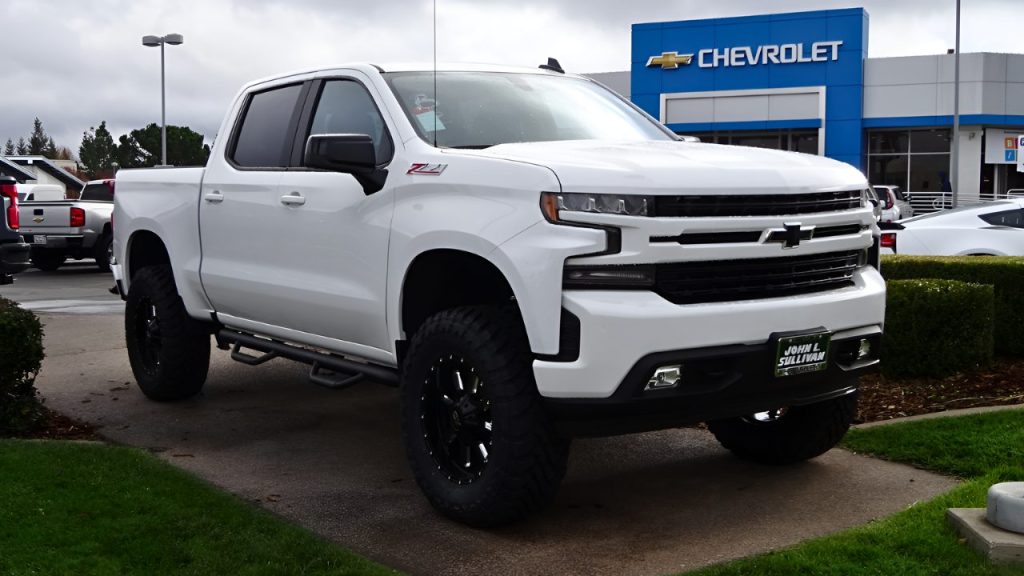
Starting at $42,700, the Silverado 1500 is at the center of a documented complaint pattern: according to class action lawsuit filings, the Silverado and Sierra together account for nearly 60% of all GM 10-speed automatic transmission complaints nationwide. Multiple class action lawsuits are now filed against GM over erratic shifting, torque converter shudder, and transmission failures as early as 25,000 miles. Replacement costs run $4,000–$7,000, with partial repairs hitting $2,000–$3,000. Michael Kruse, an attorney with 34 years of experience, says bluntly: “It has been exhibiting a pattern of transmission failures.” That word — pattern — means this is not an accident.
2. GMC Sierra 1500
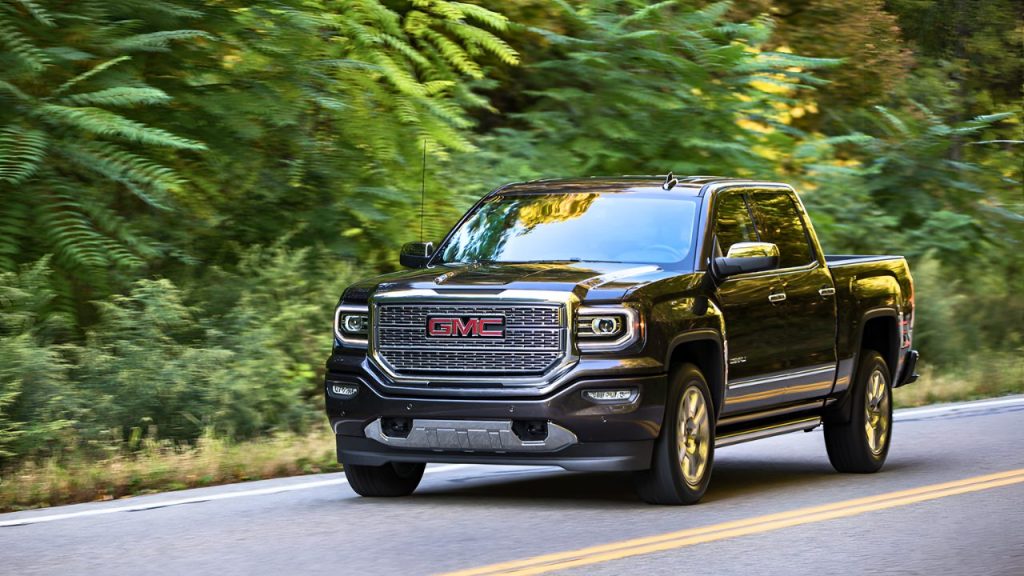
The Sierra shares the Silverado’s 10-speed transmission problems — and layers on its own engine crisis. The 2022–2025 Sierra 1500 reports widespread AFM/DFM lifter failures, where the active fuel management system seizes camshaft hardware and circulates metal debris through the engine. Repair costs reach $4,000–$8,000 before 80,000 miles. The Sierra also carries the same class action exposure as the Silverado. Buying one of these trucks means inheriting two unresolved defect timelines simultaneously — a transmission problem and an engine problem with no permanent remedy in sight.
3. GM 6.2L V8 Trucks — The Recall That Didn’t Fix Anything
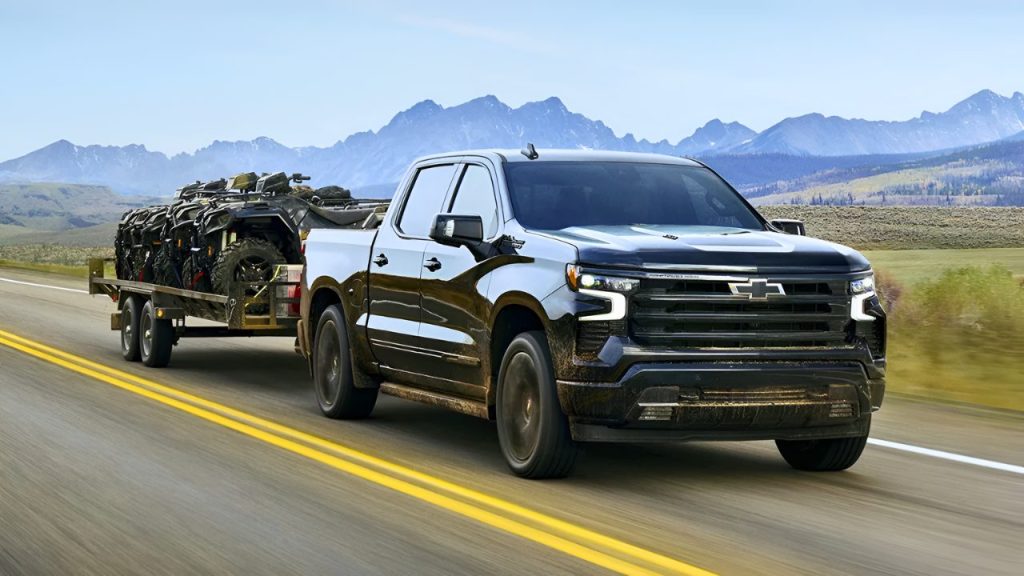
This is the headline. In January 2025, NHTSA opened a preliminary investigation covering approximately 877,000 GM vehicles equipped with the 6.2L L87 V8 engine after reports of connecting rod bearing failures causing catastrophic engine damage. GM followed in April 2025 with a formal recall — approximately 721,000 vehicles globally, approximately 598,000 in the US — for connecting rod and crankshaft defects caused by manufacturing debris. Twelve crashes and 12 injuries had already been reported. Then the remedy began failing. In January 2026, NHTSA launched Recall Query RQ26001 specifically to investigate whether GM’s repair procedure was actually working — triggered by 36 confirmed reports of catastrophic engine failure after the recall fix had been performed. The prescribed remedy — an engine inspection followed by either a viscosity oil change or engine replacement — is not reliably preventing failure. If you own a 2021–2024 Silverado, Sierra, or full-size GM SUV equipped with the 6.2L V8, the recall you received may have solved absolutely nothing.
4. Ford F-150 EcoBoost
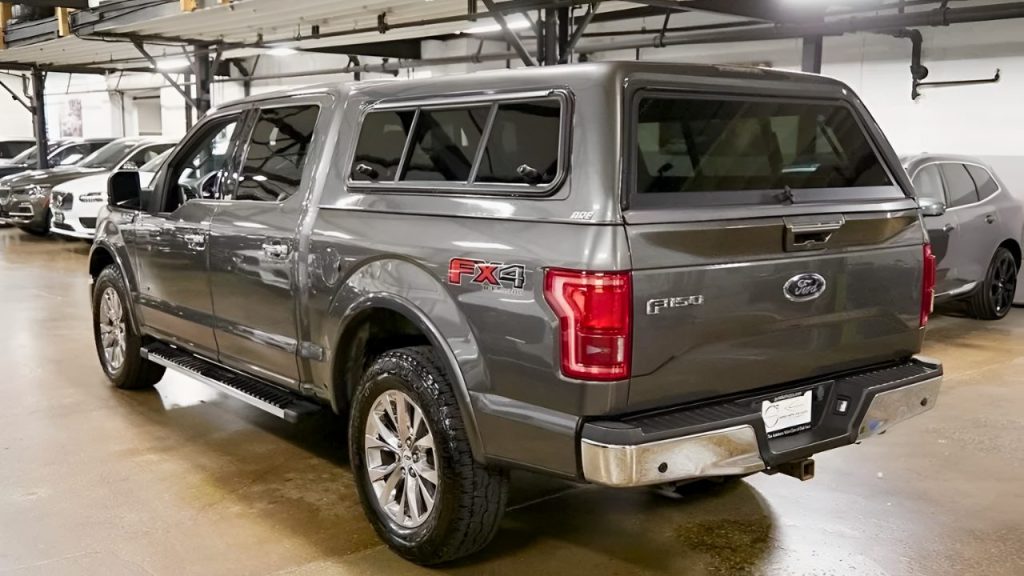
Ford markets EcoBoost as “advanced efficiency.” Some real-world owners report burning 1–3 extra quarts of oil per 1,000 miles — significantly above normal consumption rates. The 2011–2014 3.5L EcoBoost also carries documented timing chain stretch and intercooler condensation issues. Michael Kruse, an attorney with 34 years of experience, warns: “Turbo-charged engines tend to consume oil above the normal levels and are very expensive to fix once they have gone bad.” Over a 10-year ownership period, this translates to $2,000–$4,000 in extra maintenance costs alone — before any major repair.
5. Ford F-150 5.4L Triton V8 (2004–2008)
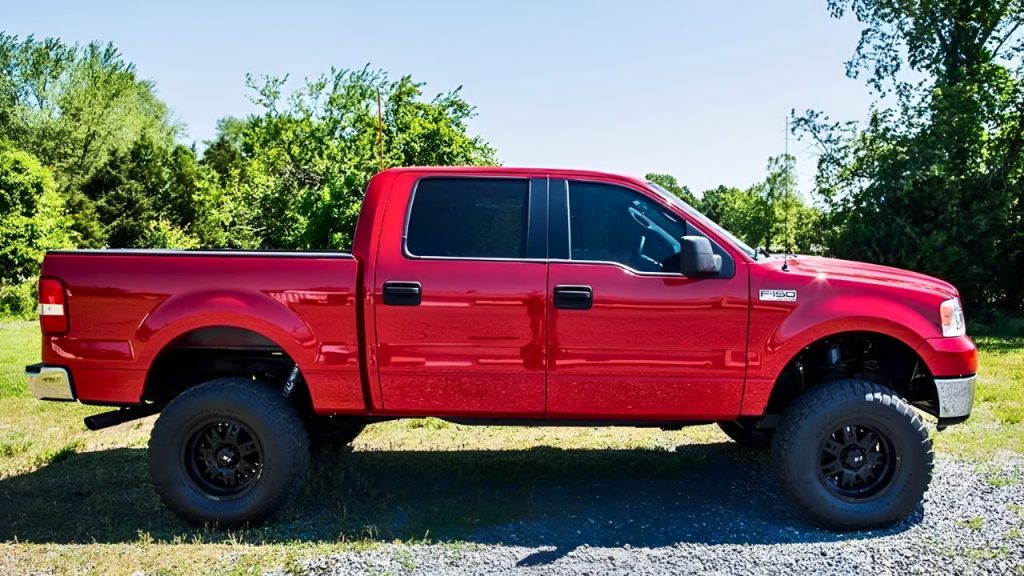
SlashGear calls the 5.4L Triton “the worst engine Ford ever installed in the F-150.” The 2004 model alone generated 16 documented NHTSA recalls across all categories. Spark plugs were engineered to seize inside the cylinder head, costing $300–$600 per plug to extract — across all eight. Cam phaser failures run $4,000–$8,000. Timing chain repairs add another $3,000–$5,500 before 150,000 miles. If a used F-150 from 2004–2008 looks like a bargain, this is precisely why the price is so low. Don’t be fooled by the discount.
6. Ram 1500 (Air Suspension Models)
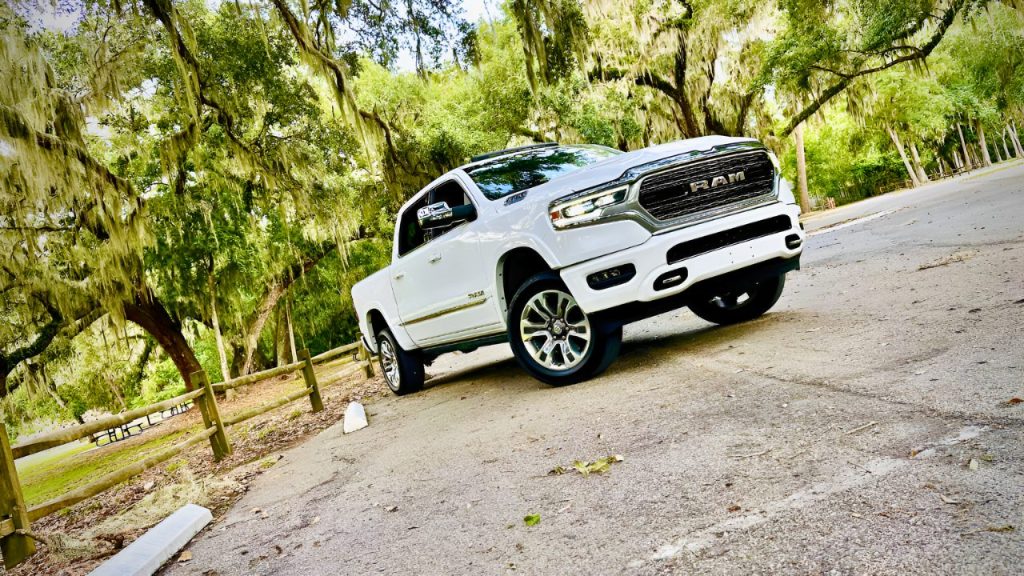
The Ram 1500 starts at $40,275, but the hidden cost is its air suspension — standard on Laramie Longhorn, Limited, and TRX trims. When it fails, repair costs range from $1,128–$1,206 on 2020–2023 models, per RepairPal estimates. On the 2013 Ram 1500, the same repair runs $4,115–$4,309 — a cost difference of approximately 265% for an older vehicle on the same brand. Tyler Williams, president of All American Billet, adds: “The HEMI is a beast when it works, but these years were plagued with the cam and lifter failure issue. Once that lifter seizes, it sends metal through your engine.”
7. Toyota Tundra Twin-Turbo V6 (2022+)
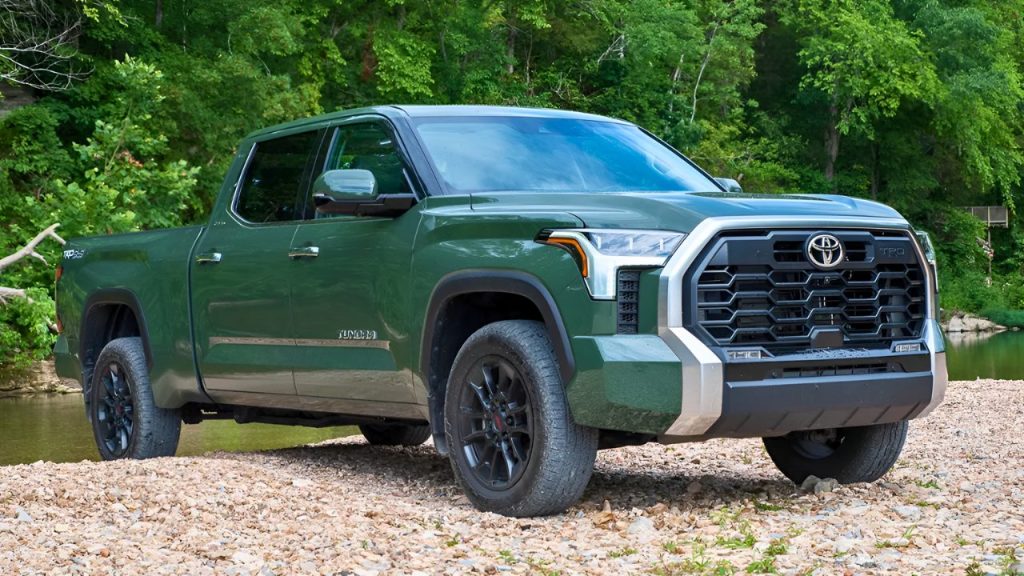
Toyota built its legend on the 5.7L V8 — one owner famously documented 245,000 miles without a rebuild. Then Toyota replaced it with the 3.4L twin-turbo V6. The new engine is failing due to machining debris in the engine block, with documented extreme cases occurring as early as 9,000 miles and a primary failure window reported by many owners well under 50,000 miles — owners reporting 40-day repair waits and unresolved warranty disputes. TorqueNews states plainly: “For decades Toyota built its reputation on bulletproof powertrains. We’re now seeing a pattern of failures that owners never expected from Toyota.” Buyers of 2022+ Tundras are effectively funding Toyota’s first-generation engine testing — at their own expense.
8. Nissan Titan
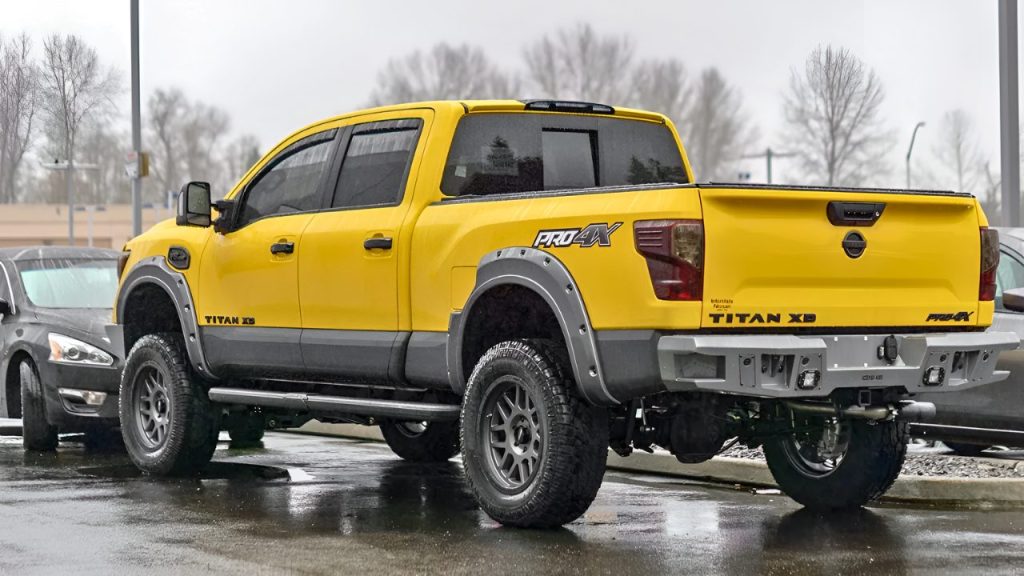
Nissan sold approximately 4,144 Titans nationwide in Q1 2024, per industry tracking. Ford moved over 145,000 F-Series trucks that same quarter — a more than 35-to-1 gap. The brand has since discontinued the Titan entirely. But the danger isn’t just buying one new — it’s buying one used. Consumer Reports rates 2016–2019 models as worse than average for reliability, with drivetrain complaints and a 7-speed transmission notorious for hard shifts and unpredictable behavior. Now that production has ended, parts availability and resale value will only deteriorate. Titan owners are holding a depreciating asset with no factory support backing it.
The Bottom Line

Every truck on this list was marketed as capable, advanced, and built to last. Every single one has delivered unexpected repair bills, active safety investigations, class action lawsuits, or complete market failure. The pattern is impossible to ignore: 10-speed transmissions, air suspension, and turbocharged engine downsizing were engineered to meet EPA standards — not to serve ownership economics. Manufacturers used consumers as unpaid beta testers for first-generation systems that weren’t fully proven. The smartest buy right now is a 5–7 year old truck with a proven V8, a simple 8-speed gearbox, and traditional coil suspension. In 2026, older and simpler beats newer and broken — every time.
Sources:
“NHTSA Opens Query into GM V-8 Engine Failures After 2025 Recall.” WardsAuto, 29 Jan. 2026.
“GM Recalls Nearly 600K SUVs, Pickups Over Engine Failures.” WardsAuto, 1 May 2025.
“Chevy, GMC 10-Speed Transmission Lawsuits.” ClassAction.org, 4 Oct. 2022.
“Nissan Titan Pickup Killed, Ends Production Next Year.” Car and Driver, 6 Aug. 2023.