$50B In Losses Forces Toyota To Abandon Hybrid-First Strategy It Built Since 1997 As Gas Car Era Ends
Toyota built its empire on the hybrid. Since the original Prius launched in 1997, the Japanese automaker focused on blending gas and electric power, and it succeeded. Detroit’s Big Three absorbed roughly $50 billion in EV-related write-downs. Toyota is launching four new all-electric SUVs by late 2026. The company that once resisted full electrification is accelerating its battery-electric strategy. This move signals a fundamental shift in approach. A closer look at recent industry trends shows why Toyota is moving now.
What Exactly Happened in Detroit

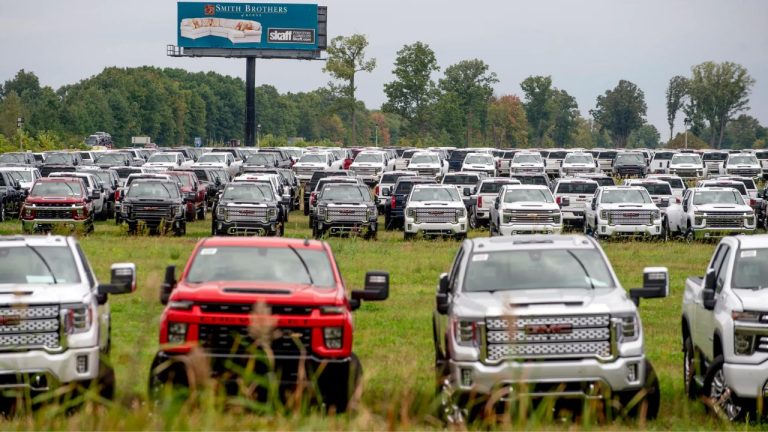
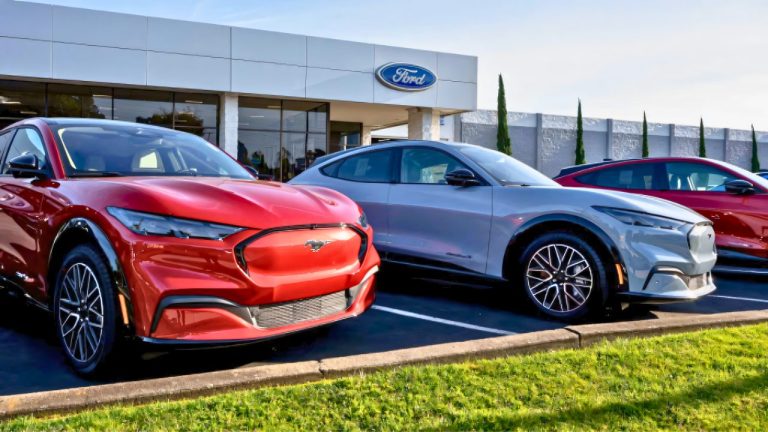
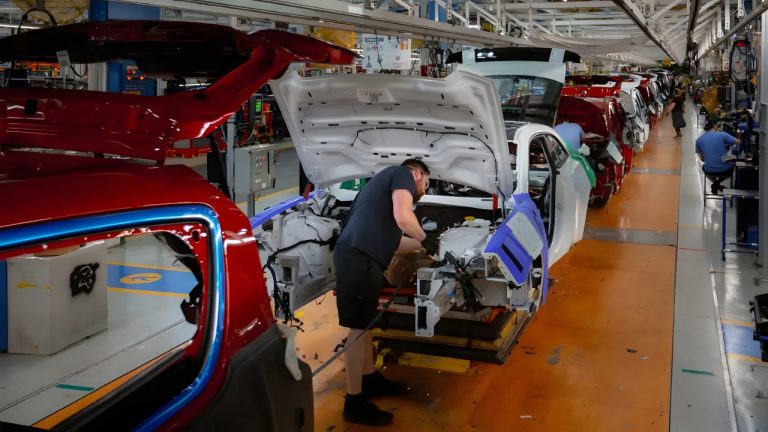
Ford announced a $19.5 billion write-down in December tied to scrapping parts of its EV strategy, confirmed in its fourth-quarter earnings report on February 10. GM booked $7.6 billion in EV restructuring charges in the second half of 2025, and Honda took a $1.7 billion hit. Combined, legacy automakers have recorded approximately $50 billion in EV-related losses. Ford CFO Sherry House said, “We are now targeting break-even around 2029”. These losses illustrate how quickly the EV transition can reshape financial realities.
Stellantis Posts the Biggest Single Blow

Stellantis, the parent company of Jeep, Ram, and Chrysler, posted a €22.3 billion (~$26 billion) net loss for full-year 2025. The loss was driven by €25.4 billion in strategic charges, including canceled vehicle programs and supply chain restructuring. CEO Antonio Filosa said the results largely reflected “the cost of overestimating the pace of the energy transition.” Stellantis miscalculated both timing and market economics. Toyota’s strategy suggests it has studied these missteps closely. The company appears prepared to respond where others underestimated risks and opportunities.
Toyota’s 4-Vehicle Electric Blitz
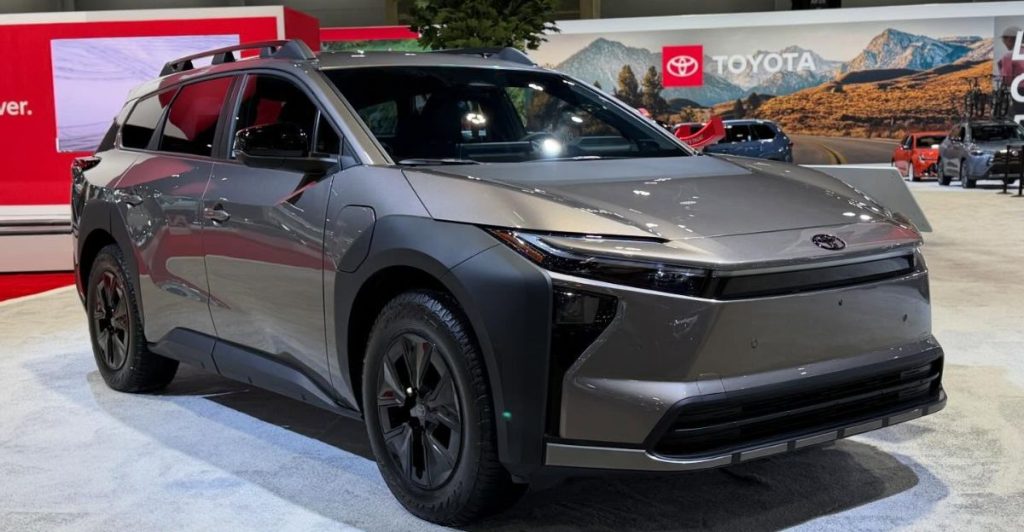
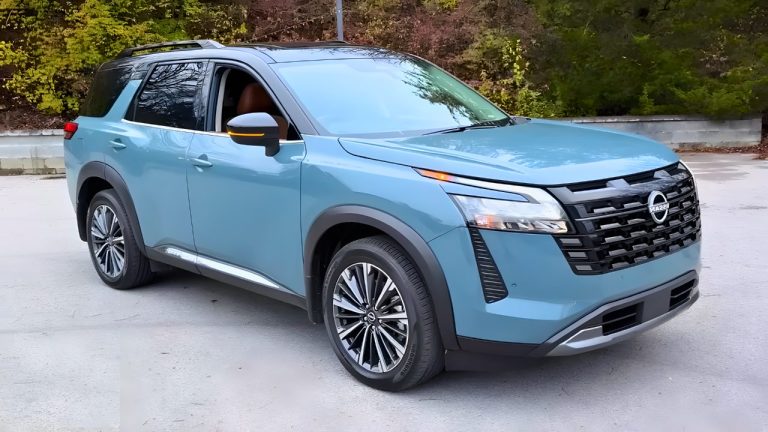
Toyota announced four battery-electric SUVs for late 2026: the bZ, C-HR, bZ Woodland, and the 2027 Highlander EV. Toyota North America VP David Christ said, “We think that we deserve our fair share of the EV market that’s there, and these 4 cars will help us do that”. He added, “This is not a niche product. There will be volume”. The announcement shows Toyota intends to compete directly in the mass EV market. The timing reflects a response to competitors’ setbacks and emerging consumer demand.
The Hybrid Strategy That Ruled for 28 Years
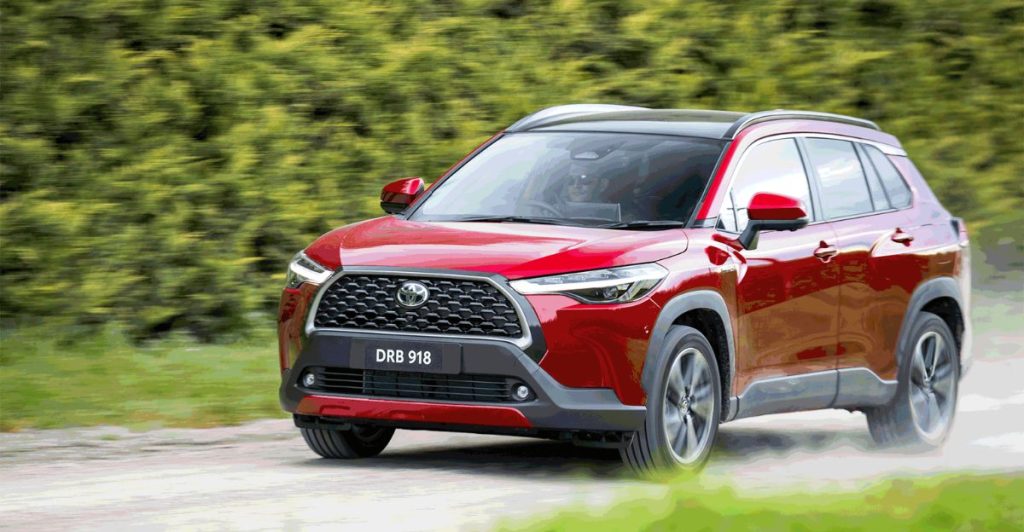
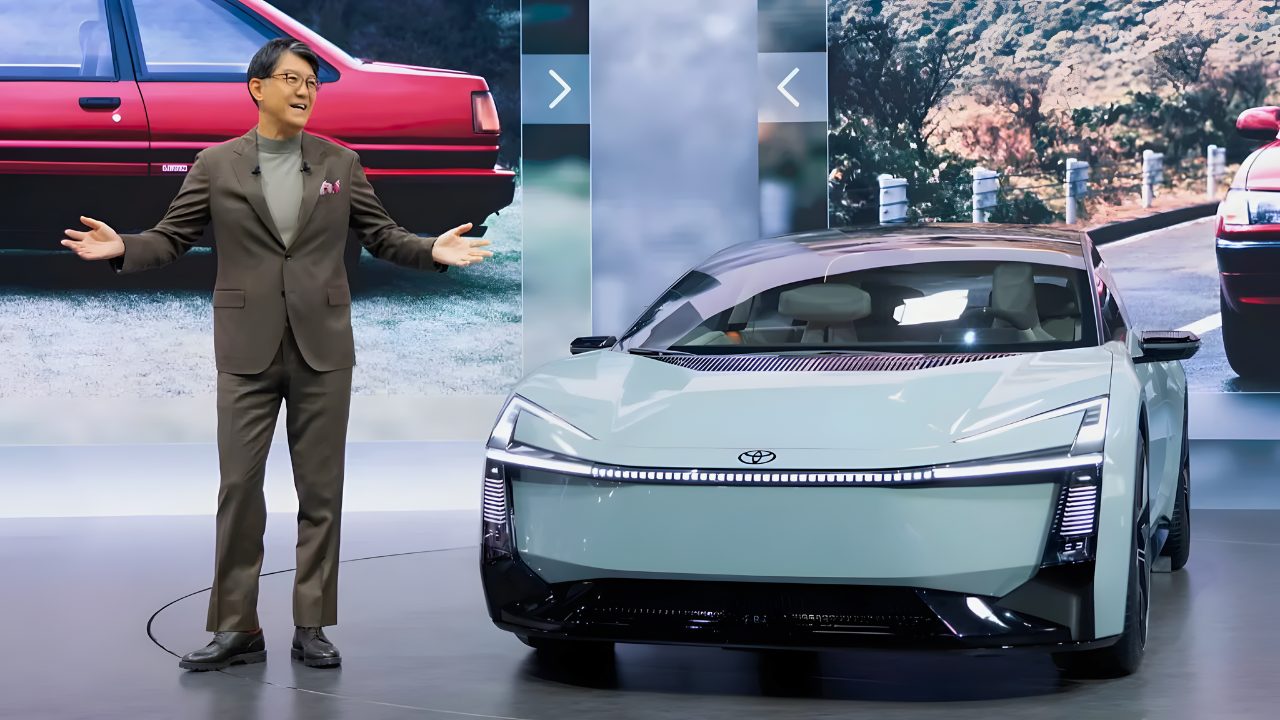
Toyota’s hybrid-first approach was deliberate. In January 2024, Chairman Akio Toyoda forecast that battery-electric vehicles would capture “at most” 30% of global market share. Toyota invested in hydrogen research, opposed EV-only mandates, and positioned hybrids as a long-term solution. The company plans to raise hybrid output by 30% to 6.7 million units by 2028. Hybrids remain an essential part of Toyota’s strategy, but market conditions have changed. The shift toward battery-electric SUVs reflects an adaptation to growing EV demand.
Why Ford’s Pain Tells Toyota’s Future
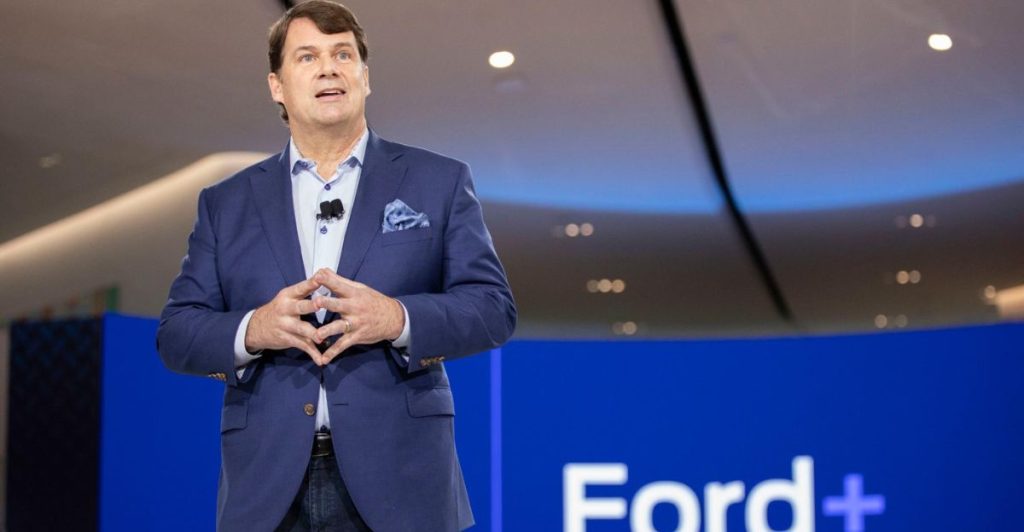
Ford’s EV division lost $4.8 billion in 2025, with $4–$4.5 billion projected for 2026. CEO Jim Farley announced a $19.5 billion write-down in December as the company moved from large EVs to hybrids and extended-range vehicles. Farley told investors, “I think the customer has spoken. That’s the punchline.” Toyota observed these results and concluded that delays increase costs. Competitor losses demonstrated the financial risks of misjudging EV adoption. The lesson is clear: market timing can determine which companies gain ground and which face costly setbacks.
The Used EV Market Nobody Expected
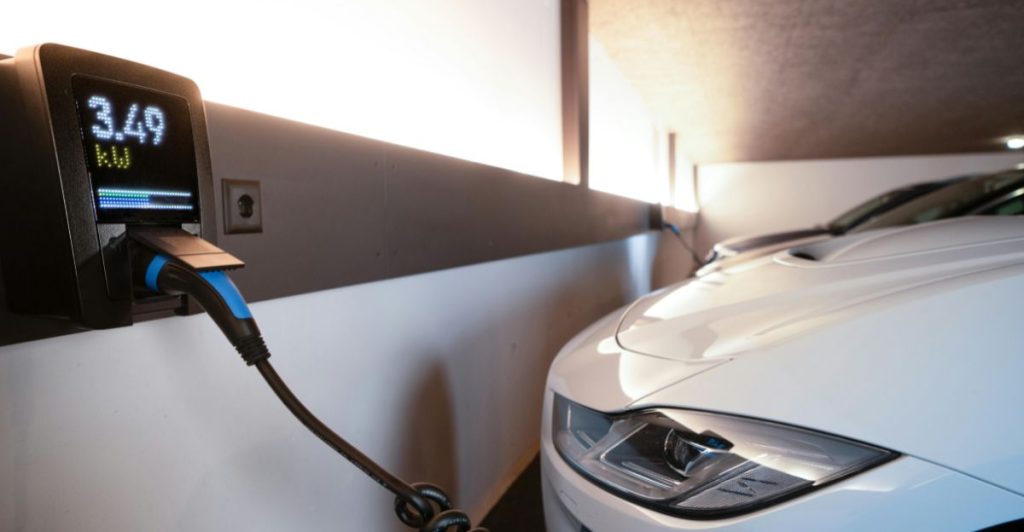
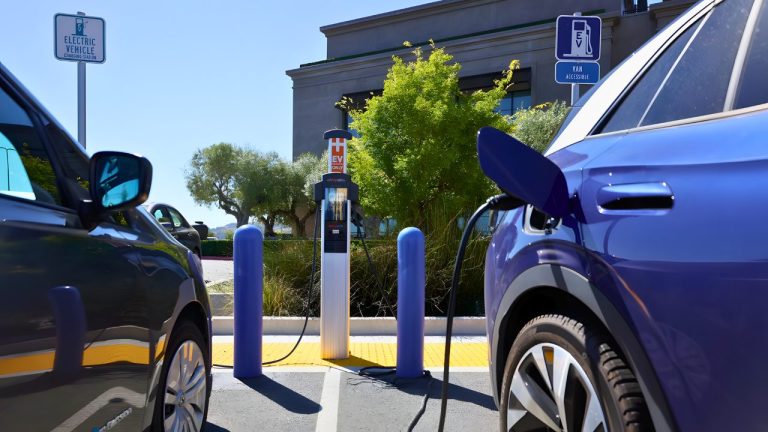
Used EV sales grew 35% year-over-year in 2025. As of January, 56% of used EV inventory is under $30,000, and 55% of vehicles are from model year 2023 or newer. Joel Bassam of Easterns Automotive said, “It’s hard to justify buying an ICE Camry versus a Polestar 2 if they’re the same price and the same year, just based on features alone”. Pricing dynamics are reshaping consumer behavior from the bottom up. The trend suggests battery-electric vehicles will capture increasing market share even without incentives.
The Math Behind Peak Gas Cars

There are 285 million cars on American roads, and a threshold is approaching. Recurrent Auto explained that roughly 15–16 million new cars are sold annually while 12 million exit permanently. Most retired vehicles are gas-powered. Once EV sales reach 4 million per year, the total number of gas cars declines. California crossed this point in 2025. Colorado and Washington are projected to follow, with the nation potentially reaching the tipping point by 2029. The change is already affecting infrastructure and industry planning.
What Happens When Gas Stations Start Closing

Recurrent Auto reports gas station profitability will fall in states that reach peak gas car first. Maintenance networks for gas vehicles may shrink, increasing repair costs. Used EV pricing dynamics are reshaping the market, with many near-luxury EVs now available at prices comparable to mainstream gas vehicles like the Honda Accord. Falling battery prices further accelerate the transition toward EVs and reshape market economics.
Toyota’s Bet Is a Survival Calculation
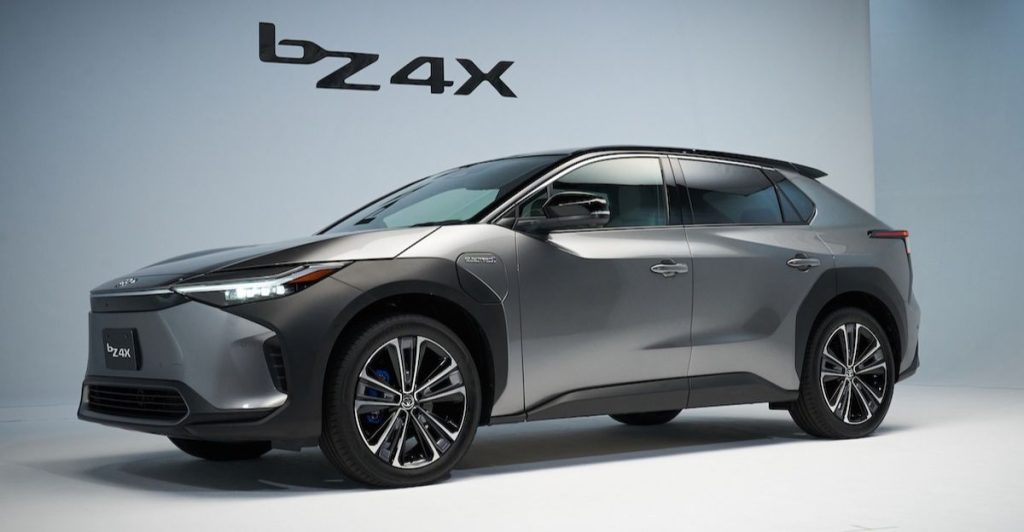
Toyota’s four-vehicle EV push reflects strategic competition. Christ said, “EV sales are down after the federal incentives went away,” but the company’s lineup “had a hole” without EV options. GM’s write-downs stemmed from decisions including discontinuing the BrightDrop electric van and impairing certain EV assets, as the company right-sized its EV capacity. The $50 billion in industry losses rewrote the financial and competitive calculations for automakers. Toyota’s move positions it to remain competitive as the market shifts decisively toward battery-electric vehicles and away from legacy internal combustion models.
Sources:
Carmakers Took a $50 Billion Loss on EVs. Autoweek, February 15, 2026.
Stellantis Reports Full Year 2025 Financial Results. Stellantis Media, February 25, 2026.
Toyota Bets on Four New Electric SUVs to Win Over EV Buyers. Electrek, February 13, 2026.
Ford CEO Jim Farley Knew the EV Pain Would Be Bad. Fortune, February 12, 2026.
Gas Cars Will Start to Disappear Sooner Than You Think. Recurrent Auto, June 3, 2025.
Lithium-Ion Battery Pack Prices Fall to $108 Per Kilowatt-Hour. BloombergNEF, December 8, 2025.