
$50,000 New Cars Price Out American Families For First Time Since 1970s—$5K Rebates Cover Just 8%
When the average new car price crossed $50,000, it marked a break from decades of relative stability. Kelley Blue Book reported an average transaction price of $50,326 on January 12, a figure widely cited by USA Today and analyzed by CNN later that month. Entry-level models have largely disappeared, incentives cover only a fraction of costs, and financing has grown more expensive. For many households, a basic vehicle now carries a luxury-level price tag. The shift did not happen overnight. The past 5 years reveal how the market moved here.
Average New Car Hits $50,326

On January 12, Kelley Blue Book placed the average new-vehicle transaction price at $50,326, according to USA Today. CNN’s mid-January analysis linked the figure to fewer low-cost models and thinner dealer discounts than before 2020. Higher trim levels and larger vehicles now dominate dealer inventories, pushing average prices upward. Insurance premiums and registration fees also track with vehicle value, adding to ownership costs. The record price reflects deeper structural changes that began several years earlier, when affordable models still appeared on showroom floors.
What Changed Since 2020

In early 2020, several new cars still listed below $20,000. By late 2025, Nissan confirmed the end of Versa production, and CNN reported in January that virtually no new vehicles remained under that threshold in the U.S. Bloomberg wrote in February that average new-car prices have risen about 20% from pre-pandemic levels, driven by consumer demand for SUVs, pickups, and higher trims. Automakers prioritized higher-margin models during supply shortages. That strategic pivot narrowed choices for budget buyers and reshaped affordability benchmarks.
Affordability Benchmarks Under Strain
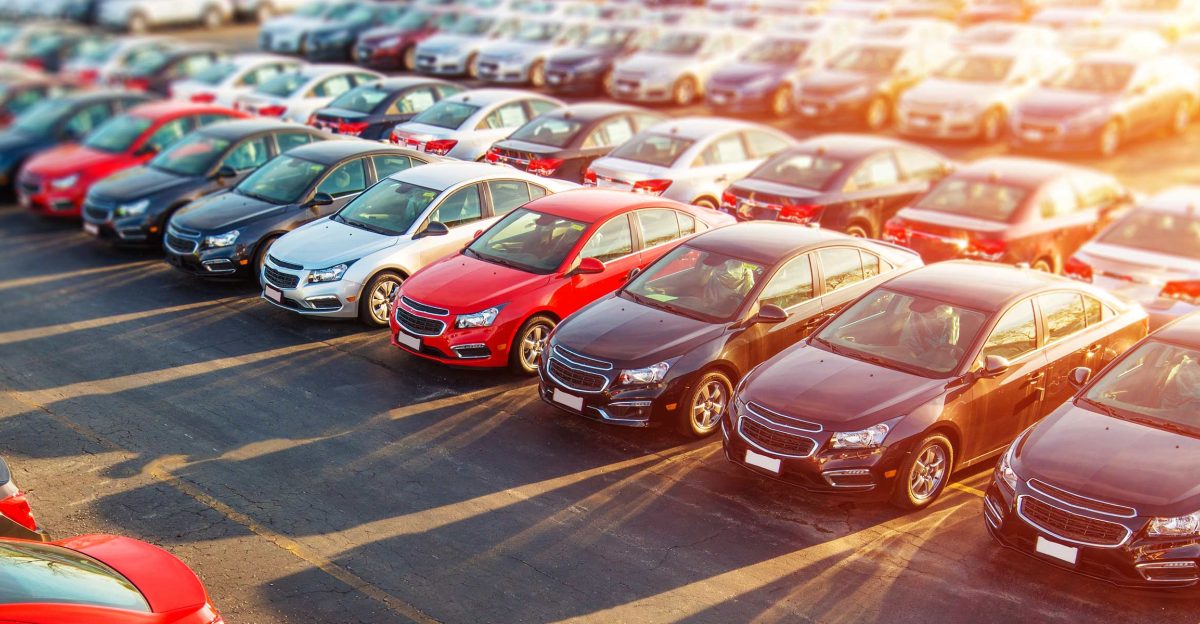
The Housing + Transportation Affordability Index summary published last fall sets about 15% of household income as a reasonable transportation threshold. Streetsblog reported in January that some lowest-income households in car-dependent areas spend close to 40% of take-home pay on vehicle ownership and travel. “That leaves less room for housing, food, healthcare, and savings,” the index report states. Rising transaction prices amplify this burden. Income distribution data shows who continues to buy new vehicles despite those limits.
A Market Split By Income
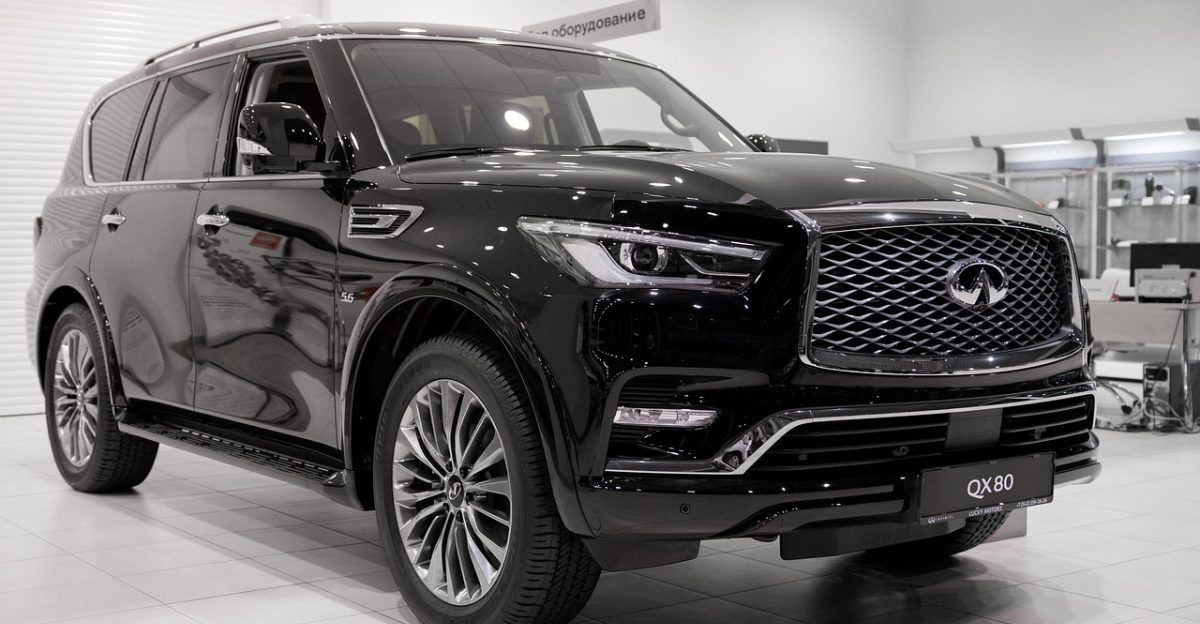
CNN reported in mid-January that households earning under $75,000 now account for a smaller share of new-vehicle purchases than before 2020. Households above $150,000 represent a larger portion of buyers. Bloomberg’s February analysis described sustained demand for expensive SUVs and trucks among higher earners. “Almost every new car on the road with dealer plates is considered a ‘luxury purchase’ now,” Edmunds analyst Ivan Drury told CNN in January. The divide reflects what disappeared first from dealer lots.
The $20,000 Car Disappears
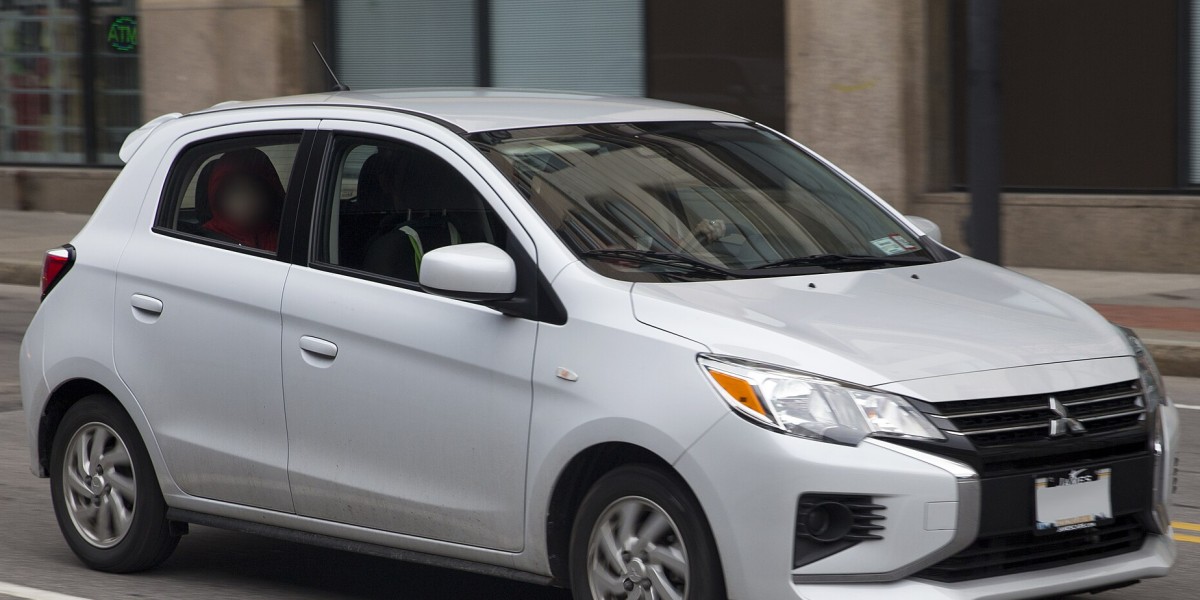
Models such as the Mitsubishi Mirage and Nissan Versa once started just under $20,000. Production declines through 2023 removed those options from most showrooms. After Nissan confirmed the Versa’s exit late last year, CNN reported in January that no new vehicles effectively remained below $20,000 in the U.S. “Cheap models are disappearing, and that’s a big reason the average price keeps setting records,” CNN stated. With the pricing floor raised, incentives carry greater importance but limited impact.
Rebates Cover A Small Share
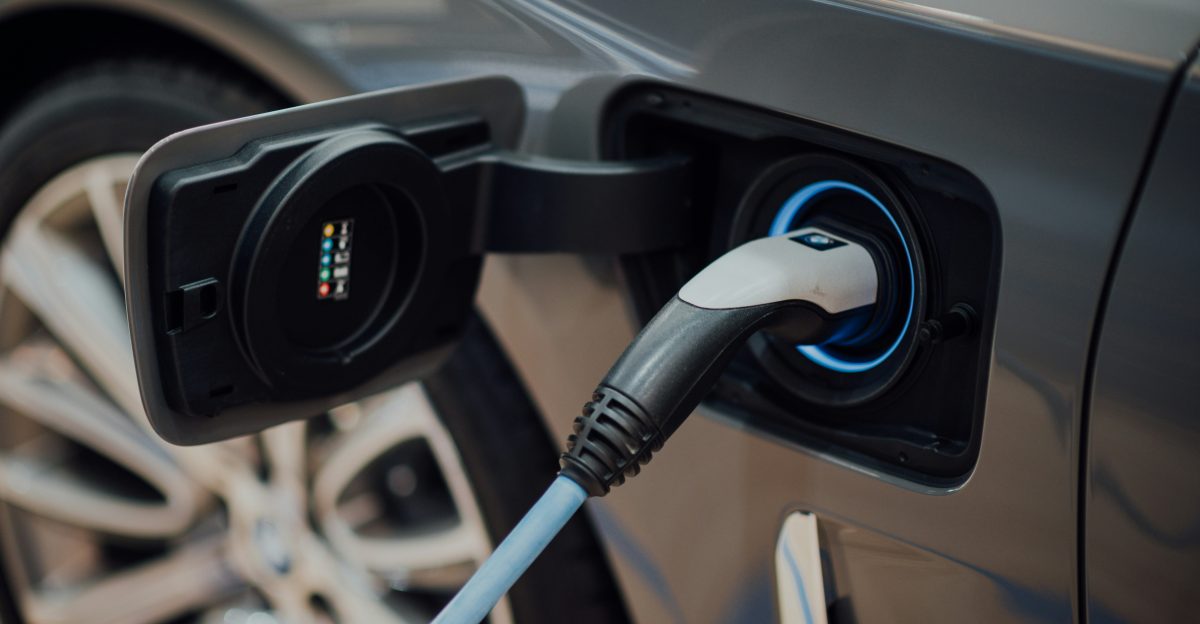
Transport Canada’s February materials outline a federal rebate of up to $5,000 for qualifying electric vehicles, many priced near $50,000 or more. On a $50,000 vehicle, that equals about 10%. On a $60,000 model, coverage falls closer to 8%. Bloomberg reported in February that revised U.S. sourcing rules prevent many buyers from accessing the full $7,500 federal tax credit. One Ottawa policy brief stated rebates “soften the blow” but rarely alter eligibility or purchasing power. Financing costs deepen the gap.
Financing Drives Monthly Costs

Bloomberg reported in February that purchasing the average new car now requires about 36 weeks of median household income, several weeks more than before 2020. CNN wrote in January that buyers who once paid roughly $500 per month for a mid-size SUV now often receive quotes near $800 for similar vehicles. “It’s not just prices—it’s the cost of money,” a J.D. Power executive told CNN. Extended loan terms spread payments over more years, increasing total interest paid and long-term obligations.
Used Vehicles Take Center Stage

Bloomberg and CNN reported earlier this year that used-car demand rose as new-vehicle prices increased. Although used prices surged during the semiconductor shortage of 2021 and 2022, many households still view them as more attainable than $50,000 new models. Financing rates on used vehicles often run higher, adding cost over time. “People are stretching loan terms and holding onto vehicles longer because they simply can’t make the numbers work on new cars,” CNN quoted a dealer in January. The ripple effects extend beyond personal budgets.
Pressure Spreads To Workers

Bloomberg explained in February that small businesses relying on pickups and vans face higher replacement expenses, tying up capital and delaying upgrades. Gig workers and tradespeople encounter similar risks when vehicle reliability determines income. “New vehicles increasingly look like luxury goods even for people who use them as tools,” a market strategist told Bloomberg that month. Higher acquisition costs translate into longer service cycles and elevated maintenance risk. These pressures connect back to the broader affordability shift.
A Market Reshaped By Cost

By winter reporting from USA Today, CNN, and Bloomberg, the pattern had become clear: a $50,326 average price, the disappearance of sub-$20,000 models, longer loan terms, and rebates covering as little as 8% have redefined new-car affordability. The Housing + Transportation Affordability Index summary last fall showed many lower-income households already exceeding recommended cost thresholds. “We’re watching cars become out of reach for the very people who rely on them most,” CNN’s January analysis quoted one advocate as saying. The structural shift now appears firmly established.
Sources:
An average new car cost a record $50326 in December. Here’s why. USA Today, January, 12 2026
Average New Car Price Topped $50000 in December. Kelley Blue Book, January, 12 2026
Americans are paying more than ever for cars. Cheap models are disappearing. CNN, January, 16 2026
Why Are New Cars So Expensive in the US Now? Bloomberg, February, 06 2026
Housing + Transportation Affordability Index (H+T Index). Center for Neighborhood Technology, October, 07 2025
Are new cars becoming a luxury item in America? LiveNOW from FOX, January, 30 2026