50 Million Card Users Hit As Buc-ee’s Axes Register Payments Nationwide—’Pay At The Pump’
Arriving at Buc-ee’s on March 1, 2026, millions of regular customers discovered the rules had changed overnight. New signs posted directly on fuel dispensers delivered a blunt directive: anyone paying with a credit or debit card must complete the transaction at the pump. No exceptions. No indoor payment. The change was rolled out with zero public announcement from the company and has exploded across social media, triggering a fierce national debate over a policy that touches every card-carrying customer who pulls into a Buc-ee’s for gas.
What the Signs Actually Say

Signs at affected Buc-ee’s locations state the policy plainly: card users pay at the pump, cash customers may still pre-pay inside before fueling. The policy has been confirmed at multiple locations as of early March 2026, though Buc-ee’s has not issued any public statement explaining the change or clarifying how broadly it is being implemented. The company, which operates as a fully private business and does not franchise, made no press announcement ahead of the rollout.
Loyal Customers Say It’s a Dealbreaker
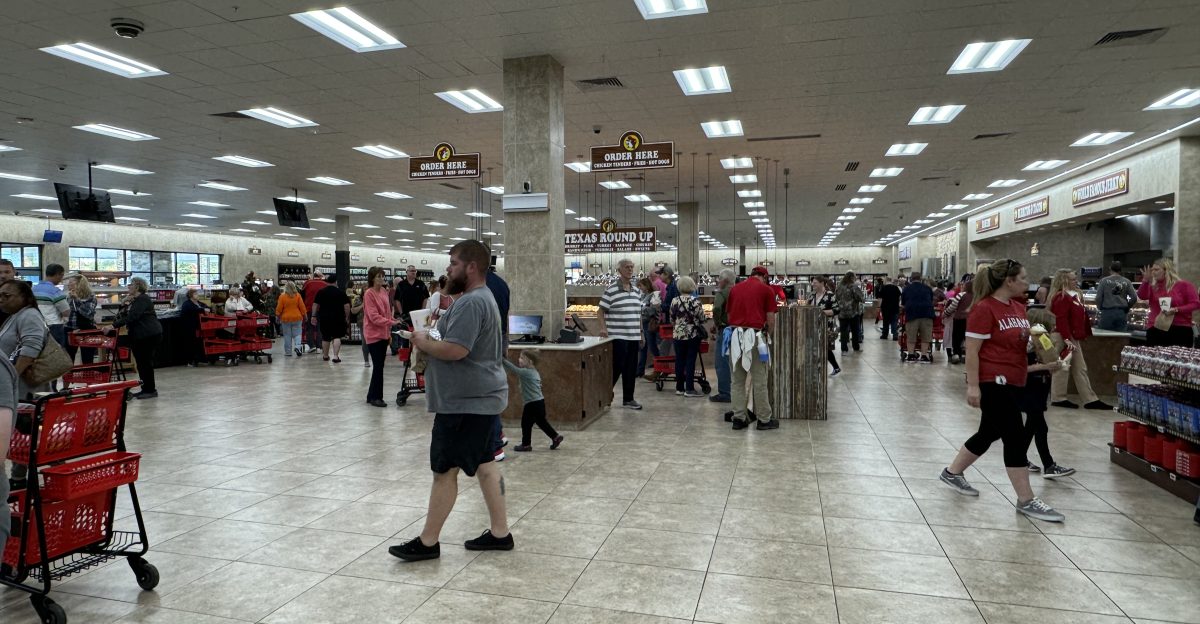
For some long-time Buc-ee’s fans, the new rule is the last straw. Facebook user Kenja Vargas was direct about the impact: “Well, BUCEES has lost my business… I’ve been going there for years.” Vargas added that the policy now forces a single visit to require two separate card transactions, one at the outdoor pump for fuel and another at the indoor register for food or merchandise, a hassle she found completely unacceptable. Her sentiment was echoed widely across Facebook comment sections throughout the first week of March.
Confusion Spreads on Social Media

Across Facebook groups and Instagram pages, customers reported being caught completely off guard by the new payment requirement. Many said store staff confirmed the change when asked, with one user posting that a cashier refused to accept a card for gas when they tried to pay indoors. Others said they had visited Buc-ee’s dozens of times and had no idea the policy had changed until they were redirected at the register. The absence of any official communication from the company deepened the frustration.
The Backlash Gets Its Own Backlash
Not everyone is sympathetic. A vocal group of customers has pushed back hard on the outrage, noting that pay-at-pump is standard procedure at virtually every other gas station in America. Facebook user Shon Yarborough put it bluntly: “I haven’t seen this much complaining in a long time. Buc-ee’s is just requiring you to pay at the pump with a credit card… stop whining as if it’s the end of the world.” Many users agreed, arguing that the uproar far outweighs the minor inconvenience the policy actually creates for most drivers.
The Traffic Flow Theory

One explanation gaining traction online is that Buc-ee’s introduced the rule to accelerate pump turnover. Customer David Lantz framed it as a smart operational move: “That’s a smart idea, considering how long the lines inside can be when people are buying food, not to mention the delays outside when people go inside to pay.” Buc-ee’s locations are among the highest-volume fuel stops in the country, with some facilities operating more than 100 pumps simultaneously, making every minute of delay at a dispenser a meaningful throughput issue.
The Card Skimmer Factor
A second theory circulating online connects the policy to card skimming, a fraud method where criminals attach hidden devices to outdoor payment terminals to capture card data. Several customers recommended using tap-to-pay as a safer alternative when paying at the pump. While card skimming is a verified and widespread problem across the fuel retail industry, Buc-ee’s has not confirmed that fraud prevention played any role in its decision. No official explanation from the company had been issued at the time of publication.
The Hidden Bank Hold Problem

The new policy intensifies a separate verified concern for debit card users. Buc-ee’s own FAQ page explains that because fuel retailers cannot know in advance how much a customer will spend, pumps must be pre-authorized for an estimated amount, ranging from $75 to over $200 depending on card type. If a driver pumps $50 worth of fuel on a $100 authorization, a $100 hold may remain on the account afterward. Buc-ee’s states those holds can last up to 72 hours, a timeline controlled entirely by the customer’s card issuer.
Buc-ee’s Has Not Responded

Buc-ee’s did not provide comment before this article’s publication and has issued no public statement addressing the policy change. The company’s official FAQ page makes no mention of the new pay-at-pump requirement, and its store phone numbers remain deliberately unlisted, a policy Buc-ee’s has maintained for years to prevent cashiers from being pulled away from serving in-store customers. The combination of no phones and no press releases means customers have had no direct channel to seek clarification from the brand itself.
What to Know Before Your Next Visit
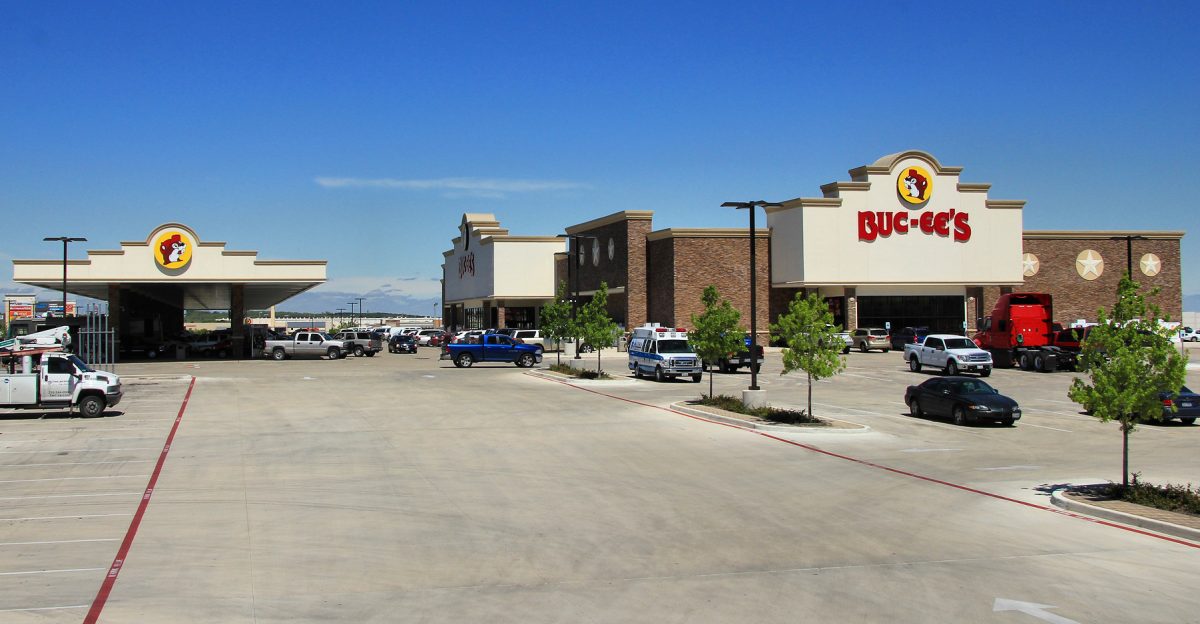
Drivers heading to Buc-ee’s should be prepared to pay for fuel at the outdoor dispenser if using any credit or debit card. Cash customers retain the option to pay inside before fueling. Debit card users in particular should be aware of potential authorization holds of up to $200 that may remain on their account for up to 72 hours following the transaction, per Buc-ee’s own disclosures. All Buc-ee’s locations continue to operate 24 hours a day, 365 days a year, with no reported changes to indoor food, beverage, or merchandise services.
Sources:
CDC FluView Weekly U.S. Influenza Surveillance Report, Week 50, ending December 13, 2025
Detroit Medical Center visitor restriction announcement, December 2025 (via WJBK Detroit)
CDC 2025-2026 Influenza Season Activity Summary