5 US Dealership Upsells Exposed As Pure Profit—Sold You ‘Air’ For $200 And Made Billions
Dealership profit doesn’t end at the sticker price. A hidden fourth transaction happens in the finance office, where non-essential products are bundled into contracts automatically—shifting the burden to exhausted buyers to negotiate removal. Car and Driver documented these add-ons as pure profit drivers with minimal consumer value. Here are the five worst offenders, and the billion-dollar machine behind them.
1. Rustproofing — $800 for Protection Your Factory Already Installed
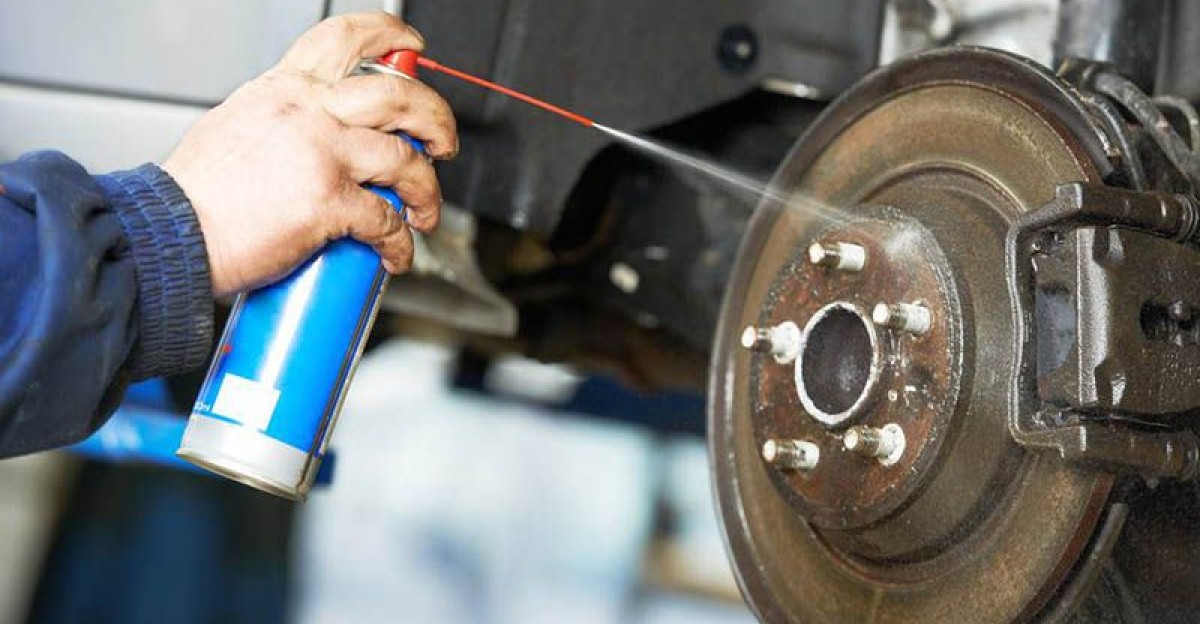
Modern vehicles have used galvanization widely since the 1990s, making aftermarket rustproofing redundant. Your car rolls off the assembly line with corrosion resistance engineered into its body panels. Dealerships charge around $800 for a spray-on duplicate of what the factory already built in. As one mechanic put it: “Modern vehicles simply don’t need it the way cars from the 1970s did.” Factory coverage costs zero. The upsell costs $800. The protection is identical.
2. Paint Protection — $600 to Re-Cover a Covered Surface
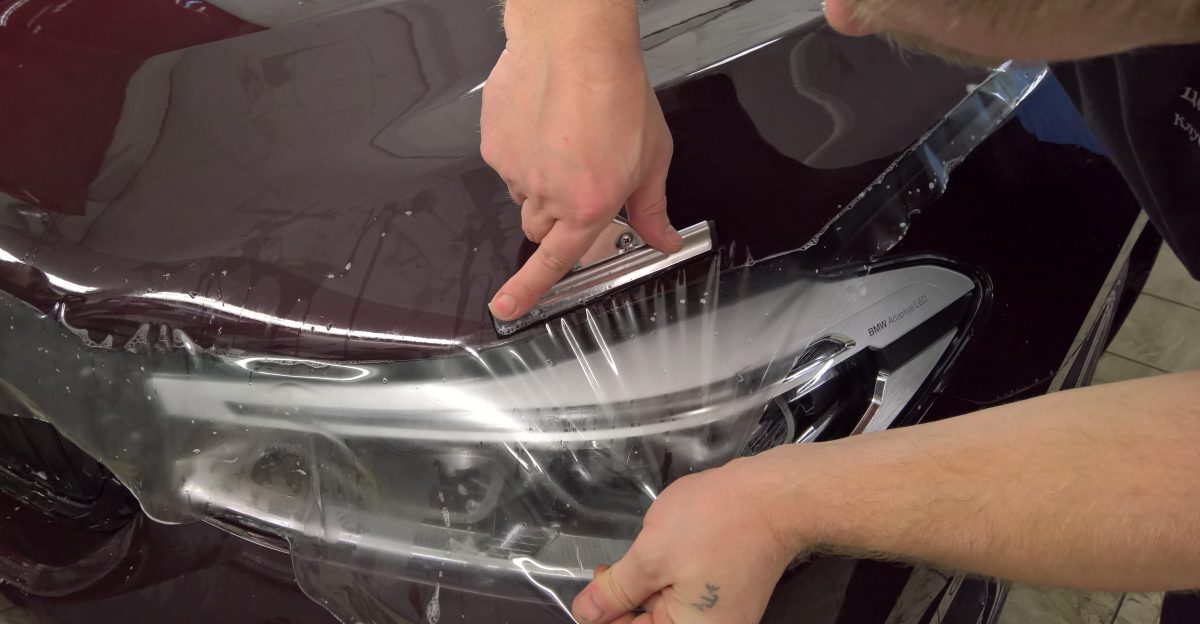
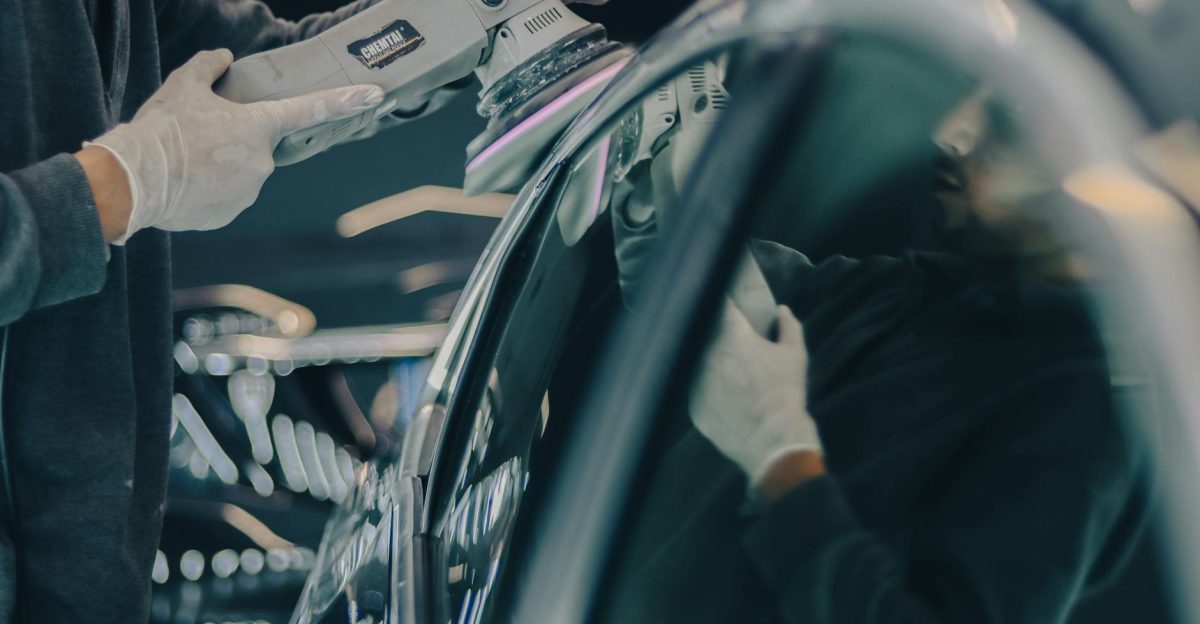
Factory paint warranties already handle years of normal wear. Dealership paint protection packages, priced around $600, layer an aftermarket product over engineering the manufacturer already guarantees. The pitch works because buyers aren’t told their existing warranty covers the same failures. The finance office treats it like a line item, not a choice—and that framing is deliberate.
3. Nitrogen-Filled Tires — Up to $200 for Marginal Performance
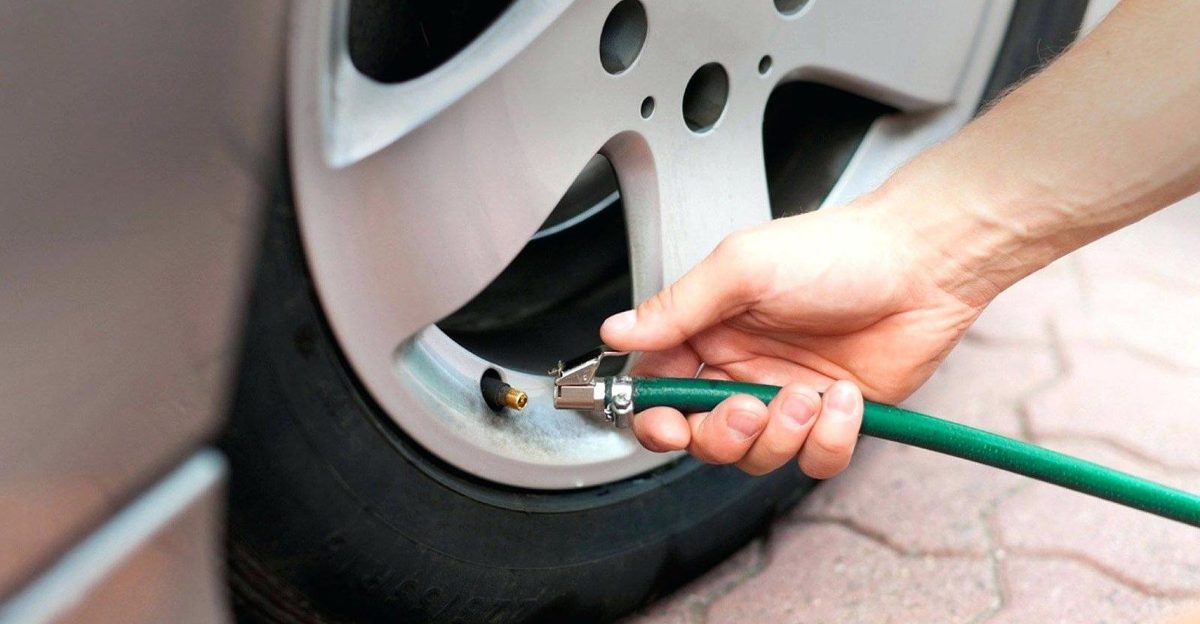
Consumer Reports ran a 12-month tire study across 31 models. The result: air-filled tires lost an average of 3.5 psi from a 30 psi baseline, while nitrogen-filled tires lost 2.2 psi—a difference of just 1.3 psi. Dealerships charge $70 to nearly $200 for nitrogen, marketed as a scientific premium. Compressed air is free, and the modest improvement rarely justifies the cost. That’s a restaurant charging $50 for slightly colder tap water under a mountain-spring label. The nitrogen upsell proves the broader pattern—dealership products are priced on marketing perception, not measured performance.
4. Extended Warranties — $1,000 to $3,000 With Low Claim Rates
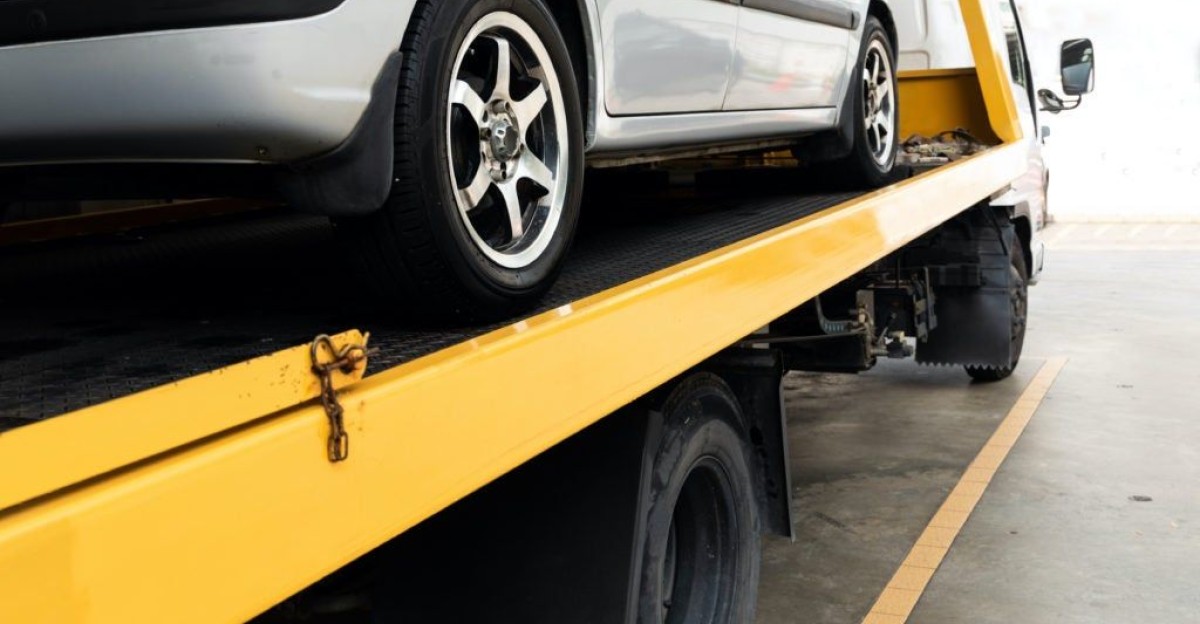
Extended warranties cost $1,000 to $3,000. About 40% of new car buyers purchase one. Industry analyses consistently show that most warranty holders never file a claim, meaning the majority of warranty buyers pay premiums for coverage that never activates. Modern factory warranties already cover powertrain failures for years. The product’s low claim-to-premium ratio says a lot about who it really benefits. The margin favors the seller, not the buyer.
5. Ceramic Coatings — Up to $3,000 for a Luxury Duplicate
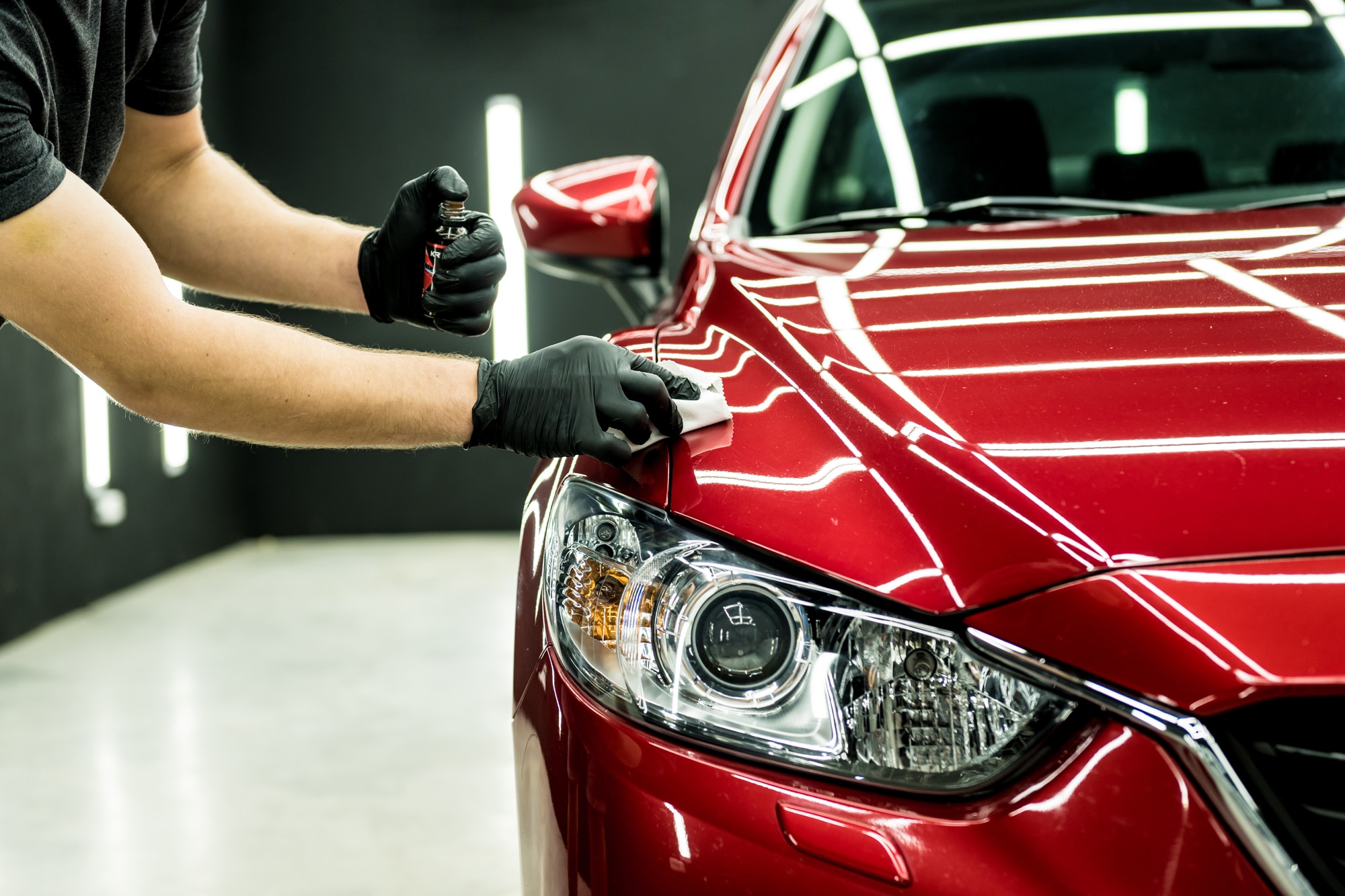
Ceramic coatings can run up to $3,000 at the dealership finance desk. While aftermarket ceramic does offer surface hardness and hydrophobic properties, the markup at point of sale dwarfs what independent detailers charge for the same application. Bundled in with the other four upsells, coatings complete a package that drains $1,400 or more per buyer on products covering failures the manufacturer’s warranty already handles.
The Billion-Dollar Math
Extended warranty premiums alone generate billions annually from American consumers. Add rustproofing and paint protection upsells across millions of annual buyers, and dealership upsell profits likely reach billions in aggregate margin nationwide. Finance managers earn more when attachment rates go up, not when customers file claims. That’s a standalone retail empire hidden inside the car-buying process.
Regulators Are Circling
Dealership bundling practices now face the same scrutiny that reshaped mortgage underwriting after 2008. Documentation fees alone ($200 to $1,000) became normalized profit centers in the post-recession recovery. State attorneys general could investigate warranty underwriter actuarial soundness when low claim rates suggest products designed for margin, not protection. If dealership upsell audits succeed, appliance warranties, furniture protection plans, and electronics coverage face identical exposure.
What You Can Do
Every single upsell on a dealership contract is negotiable and removable. If just 10% of annual car buyers refused the upsell bundle, dealerships would lose billions in immediate margin. Expect the industry to adapt—shifting language from “protection” to “peace of mind,” migrating warranties into post-purchase monthly payments where costs vanish into financing math. The system connecting all five upsells runs on one fuel: the gap between what your factory built and what the finance office claims it didn’t. Close that gap, and the engine stalls.
Sources:
Consumer Reports, “Nitrogen vs. Air: Which Is Best for Your Tires?” Consumer Reports, Oct. 4, 2007.
National Highway Traffic Safety Administration, “The Effects of Inflation Gas on Tire Laboratory Test Performance,” NHTSA, 2008.
WifiTalents, “Extended Warranty Industry: Data Reports 2026,” WifiTalents, Feb. 11, 2026.
WifiTalents, “Auto Warranty Industry: Data Reports 2026,” WifiTalents, Feb. 11, 2026.
Kyle Hyatt, “Galvanization Sensation: How Automakers Fought Off the Scourge of Rust,” Hagerty Media, Jan. 3, 2023.
National Material Company, “History of Galvanized Steel in the Automotive Industry,” National Material L.P., Sept. 4, 2019.