5 SUVs That Can Reach 300,000 Miles And The “Scary” Repair Costs That Come With Them
Owning an SUV capable of reaching 300,000 miles can feel like a triumph of engineering, but extreme mileage comes with financial peril. Five models statistically dominate the 300,000-mile club, yet high-mileage ownership shifts risk from predictable monthly payments to sudden, expensive repairs. iSeeCars’ 2025 study identifies the longest-lasting SUVs and highlights which vehicles are most likely to survive past 250,000 miles. Even proven durability cannot shield owners from multi-thousand-dollar failures. These five SUVs demonstrate how longevity and repair costs collide in unexpected ways, and the stakes grow with every mile.
Why Hitting 300,000 Miles Matters
Reaching 300,000 miles takes 20 to 25 years at typical U.S. driving rates of 12,000 to 15,000 miles per year, according to Carfax. Most vehicles never reach this milestone, making survivors rare. iSeeCars analyzed over 174 million vehicles to determine which models achieve extreme mileage most often. Top performers rely on body-on-frame construction, simple powertrains, or proven hybrid systems. Longevity does not prevent major repairs after 200,000 miles. The factors that support extreme mileage can also expose owners to high repair bills. Extreme mileage carries both rewards and costs.
Even high-ranking models hide financial surprises beyond their reliability ratings.
Durability Rankings Can Be Misleading
Durability studies measure survival odds, not repair expenses. Consumer Reports explains that reliability ratings are survey-based predictions, not guarantees for individual vehicles. NHTSA tracks safety defects separately, meaning a long-lasting SUV can still have hidden recall risks or expensive failure modes. Buyers often assume “longest-lasting” equals “safe and cheap,” but evidence must include recall status, component failure trends, and maintenance costs. High-mileage ownership requires careful assessment beyond rankings. Ignoring these factors can transform a promising SUV into a money pit.
The real costs often appear when a single component fails unexpectedly.
What Makes Repair Costs So High

High-mileage ownership trades consistent monthly payments for unpredictable spikes in repair expenses. AAA’s “Your Driving Costs” research highlights maintenance and repair as major ownership costs that increase sharply after 150,000 miles. Industry sources and repair guides show transmissions, hybrid batteries, suspension systems, and timing chains can often cost $2,000 to $5,000 or more per repair. Residual value may drop to beater pricing while parts and labor remain expensive. One major failure can rival or exceed the vehicle’s worth. Understanding which SUVs carry the greatest financial exposure can prevent costly surprises.
The next slides examine the five vehicles where extreme mileage is possible, and costs are highest.
#1 — Toyota Sequoia
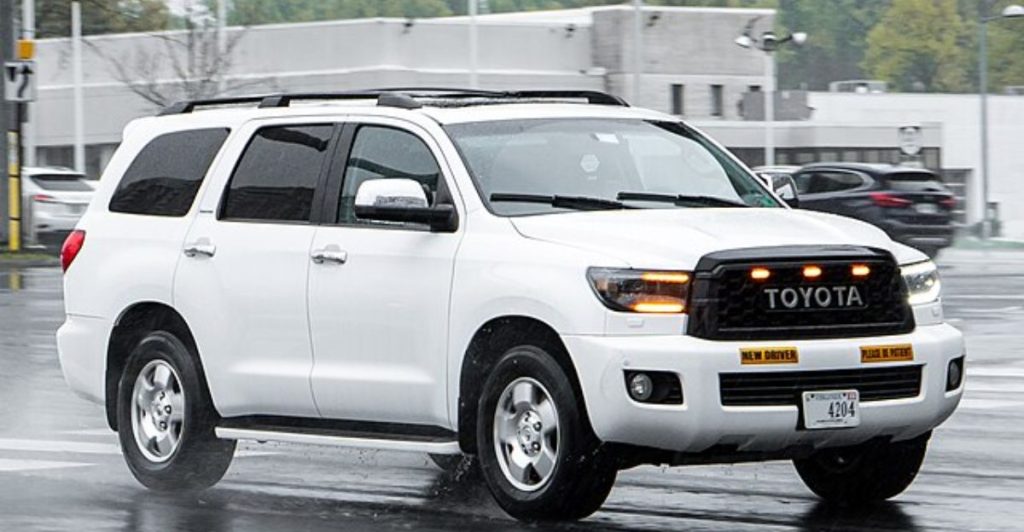
The Toyota Sequoia tops iSeeCars’ 2025 longest-lasting SUV list with a 39.1% chance of exceeding 250,000 miles, roughly 8 to 9 times the segment average. Its reputation for reaching 300,000 miles comes with high costs. Common high-mileage issues can include costly oil-pan replacement and full engine rebuilds that can run into the thousands of dollars. A single major failure can outweigh the vehicle’s remaining value, creating financial strain. Despite its durability, owners must budget for potentially catastrophic repairs. The Sequoia’s ability to last comes with costs few anticipate.
Costs spike further when drivetrains or electronics begin to fail.
#2 — Toyota 4Runner
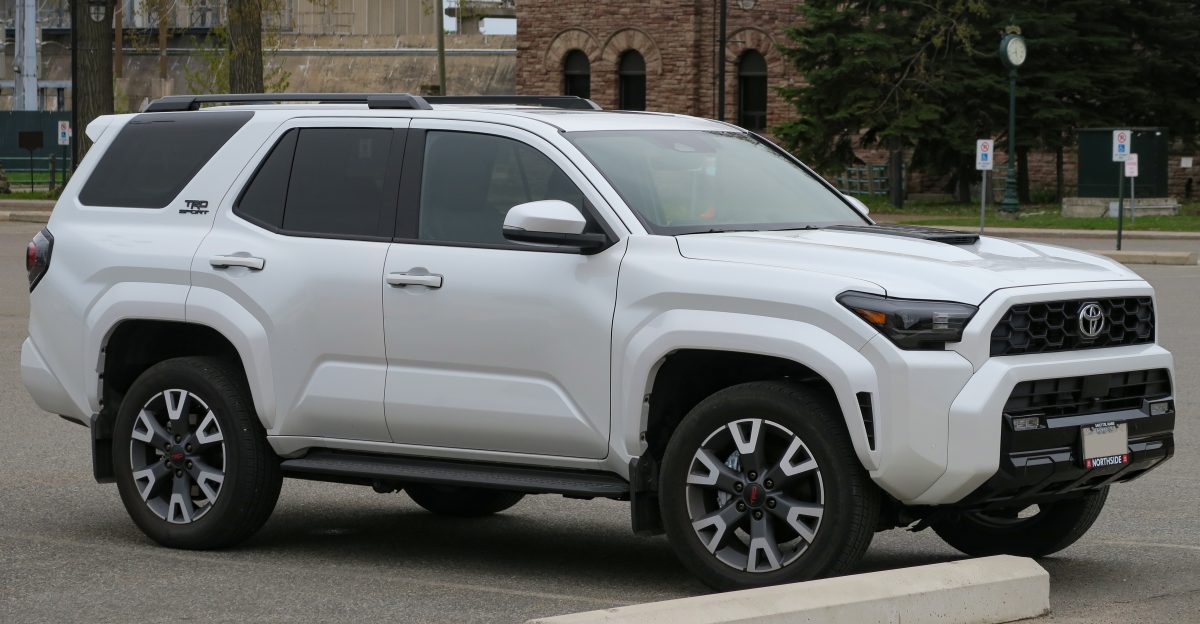
Ranked second, the Toyota 4Runner has a 32.9% chance of surpassing 250,000 miles, 7 to 8 times the average. Body-on-frame design and simple powertrains support 300,000-mile potential. Repair risks include transmission rebuilds, head-gasket repairs, and worn suspension components, with major work often costing $1,500 to $4,500 or more. A single major failure can exceed $3,000, particularly if multiple systems fail simultaneously. Even high-mileage fans must prepare for unpredictable expenses. The 4Runner’s toughness comes with occasional, severe financial consequences. Maintenance history can determine whether extreme mileage remains affordable.
Hybrid and luxury models introduce different high-cost risks.
#3 — Toyota Highlander Hybrid
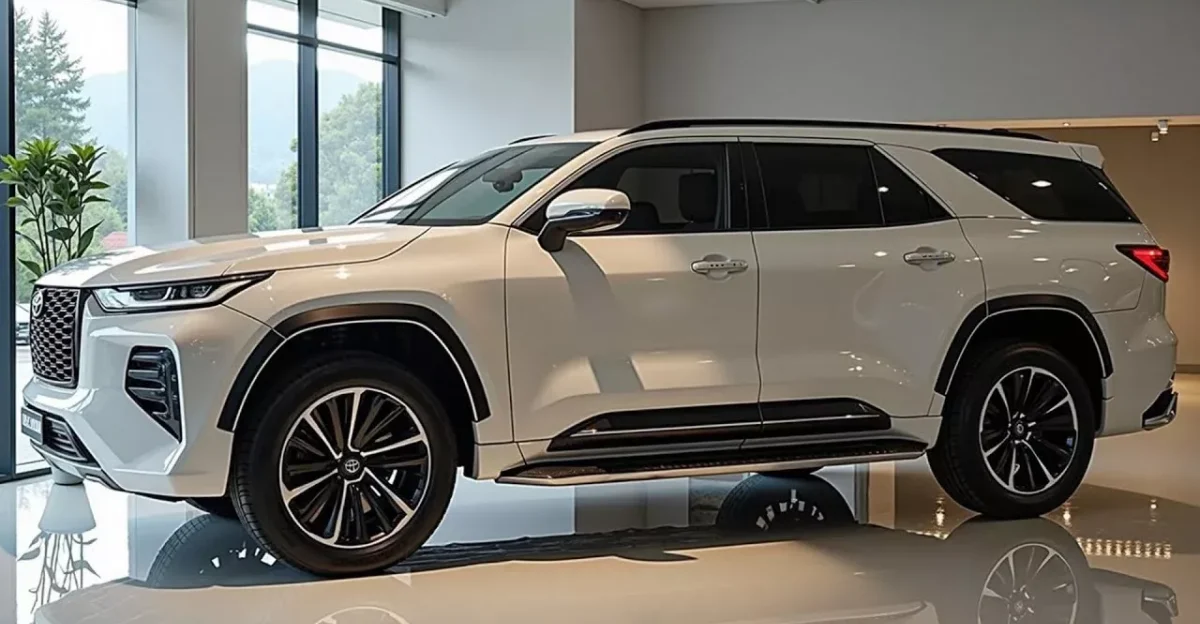
The Toyota Highlander Hybrid ranks third with a 31.0% chance of reaching 250,000 miles, over seven times the segment average. Hybrid efficiency supports high mileage, but battery and inverter failures are costly. Out-of-warranty traction-battery replacements and electric-drive repairs can reach several thousand dollars. When these failures occur at 200,000 to 300,000 miles, repair bills may approach or exceed the vehicle’s value. Fuel savings can be offset by catastrophic repairs. Owners pursuing high-mileage hybrids must consider battery and electrical system risks carefully before committing to long-term ownership.
Luxury SUVs add complex electronics and suspension concerns.
#4 — Lexus GX

The Lexus GX achieved the fourth spot with an 18.3% chance of exceeding 250,000 miles, more than four times the segment average. Robust V8 engines and body-on-frame design support longevity. Repair costs escalate at high mileage, with air-suspension replacements, 4WD drivetrain work, and electronics repairs reaching $1,000 or more at dealer rates. Once depreciation lowers market value, Lexus-priced parts make repairs feel extreme. Owners must plan for luxury component costs alongside routine maintenance. High-mileage GX ownership remains feasible but financially demanding.
Even smaller luxury hybrids carry significant repair exposure at high mileage.
#5 — Lexus RX Hybrid
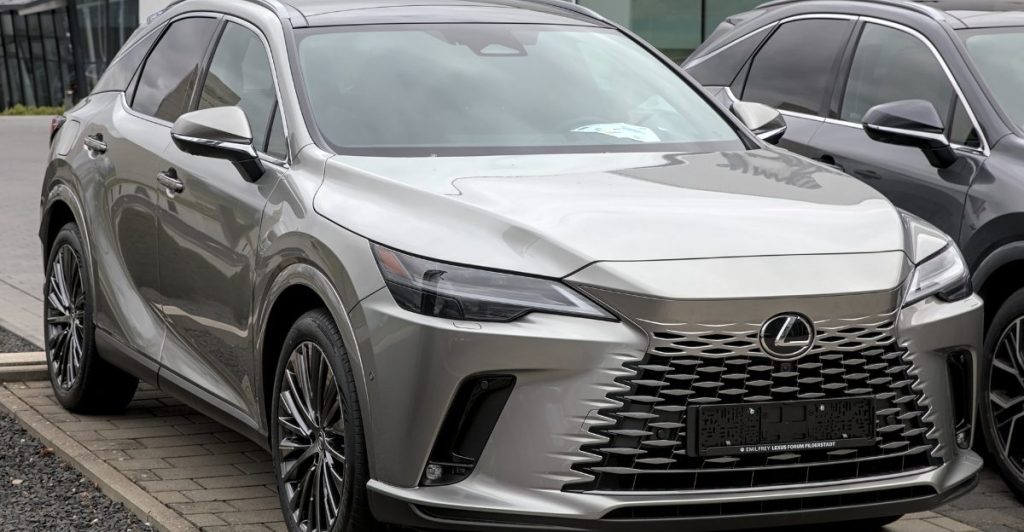
The Lexus RX Hybrid rounds out the list with a 17.0% chance of exceeding 250,000 miles, four times the average. Premium parts and hybrid complexity create high repair bills. Out-of-warranty traction-battery, inverter, and motor-generator repairs can cost several thousand dollars, with some repairs reaching $6,000 or more depending on year and location. Non-hybrid RX models face expensive timing-system, suspension, and infotainment repairs. One major failure can erase years of low-cost ownership. High-mileage RX ownership demands careful budgeting and maintenance tracking. Long-term ownership is possible, but surprises can carry severe financial consequences.
High-mileage SUVs can last, but repair costs make planning essential.
Conclusion
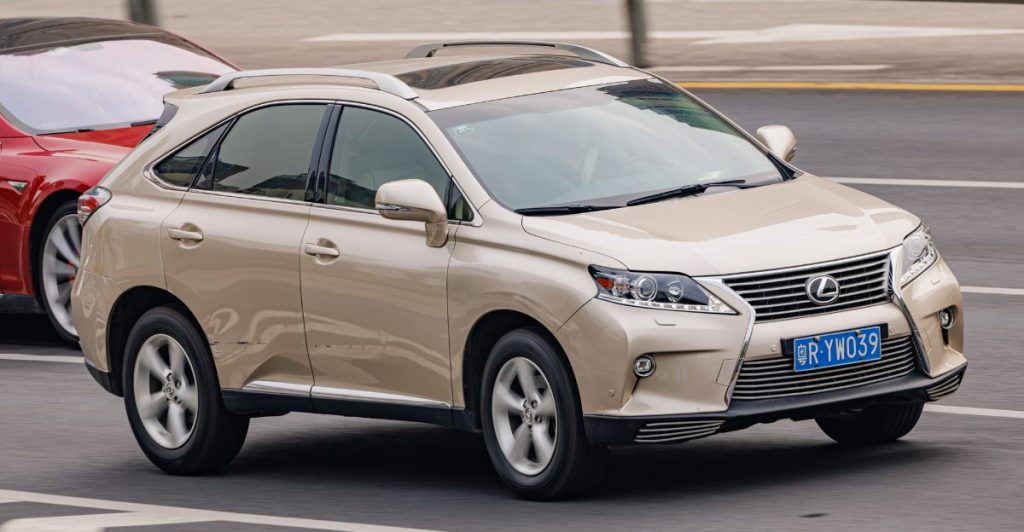
These five SUVs lead iSeeCars’ 2025 longevity rankings, offering clear paths to 300,000 miles. Durability alone does not protect owners from costly failures. Transmission rebuilds, hybrid batteries, suspension overhauls, and engine work can exceed $3,000 per incident. Prospective buyers must review iSeeCars data, VIN-level NHTSA recalls, and known repair trends before committing to a high-mileage purchase. One overlooked issue can turn a “deal” into a financial trap. Extreme mileage remains attainable, but preparation determines whether long-term ownership is rewarding or expensive.
Sources:
Longest-Lasting Cars, Trucks, SUVs and Hybrids to Reach 250,000 Miles. iSeeCars, October 6, 2025
Toyota Sequoia Problems Common Issues and Repair Costs. Car Examer, September 26, 2025
Toyota 4Runner Problems Common Issues and Repair Costs. Car Examer, October 16, 2025
Consumer Reports Car Reliability FAQ. Consumer Reports, November 18, 2020