
5 Major Car Insurers That Bleed Customers—Switchers Exposed The $461 ‘Loyalty Tax’
Drivers across the United States are discovering that loyalty to a car insurer can quietly raise their annual costs. A Consumer Reports survey published last year found drivers who switched insurers saved a median $461 per year, with some high-premium households saving $922. The analysis of more than 40,000 policyholders also identified five major insurers losing customers faster than they gain them: Nationwide, Farmers, Kemper, GEICO, and Hanover. Rising premiums, lower satisfaction scores, and aggressive pricing from competitors have accelerated switching, exposing a growing loyalty penalty across the U.S. auto insurance market.
The $461 Savings That Triggered Switching

Consumer Reports documented the financial gap in detail on September 04 2025. The survey included 40,566 drivers and calculated median savings of $461 for customers who switched insurers. ProgramBusiness reported September 07 2025 that about 30% of drivers changed insurers during the previous 5 years. Price increases or cheaper quotes from competitors drove 73% of those decisions. Drivers paying $5,000 or more annually reported median savings of $922 after moving policies. Regulators in several countries already prohibit pricing models that charge loyal customers higher rates. That pattern now appears across large portions of the U.S. insurance market.
Long-Term Customers Began Losing Confidence

The switching trend also appeared in customer satisfaction data released June 16 2025. J.D. Power’s 2025 U.S. Auto Insurance Study measured renewal intent across multiple policyholder groups. Only 51% of high-value lifetime customers said they definitely would renew coverage. Lower-value segments reported renewal intent between 53% and 54%. The same study showed 38% of auto insurance customers fell into the lowest satisfaction category and were far less likely to renew policies. Stephen Crewdson of J.D. Power stated, “Now that insurers are shifting back into growth mode, they really need to focus on cultivating and keeping high-value customers.”
Industry Growth Masked Customer Losses

Market data released in 2024 showed strong growth across the U.S. auto insurance industry. Total premiums increased as the market expanded 13% during the year. At the same time, NAIC figures showed the top 5 insurers controlling about 63.59% of the private passenger auto market, up from roughly 62.49% a year earlier. State Farm, Progressive, GEICO, Allstate, and USAA dominate that share. Consolidation reduced the competitive field even as switching activity increased. Several mid-sized insurers recorded the highest customer losses during the same period. Those departures appear clearly in the next five companies.
#1 — Nationwide

Consumer Reports published updated churn data on March 08 2026. Nationwide recorded the worst loss-to-gain ratio among the 36 insurers evaluated. The company lost nearly 2.5 customers for every one it gained over a 5-year period. Overall product quality scores ranked near the middle of the Consumer Reports list. Premium cost ratings and customer service scores for non-claims interactions ranked lower. Policyholders reported frustration with billing issues and routine service calls. Rising premiums combined with average service performance encouraged many customers to move coverage elsewhere. Another well-known insurer reported similar customer departures during the same period.
#2 — Farmers

Farmers Insurance has operated since 1928 and once ranked among the largest U.S. auto insurers. Market share declined from 5.9% in 2011 to about 3.8% in 2024. Industry analyses attribute that change to falling service ratings and higher premiums relative to competitors. Consumer Reports survey data showed Farmers losing roughly 2 customers for every one gained during a 5-year switching period. The decline continued during a year when the broader auto insurance market grew 13% in 2024. The shift pushed Farmers from the fifth-largest U.S. auto insurer in 2011 to sixth place by 2024. Another insurer shows similar churn.
#3 — Kemper

Kemper operates primarily across about 10 states, with strong presence in Texas, Florida, and California. Consumer Reports survey results indicated the insurer lost roughly 2 customers for every one gained during the 5-year switching window analyzed in March 2026 coverage. Kemper ranks near 15th nationally by written premiums and often focuses on non-standard or specialty insurance segments. Those markets rely heavily on responsive claims handling and competitive pricing. Better Business Bureau records cited in industry research include disputes involving lengthy claim processing. Pressure from competitors intensified customer turnover in those regions. Larger insurers experienced similar switching pressure.
#4 — GEICO
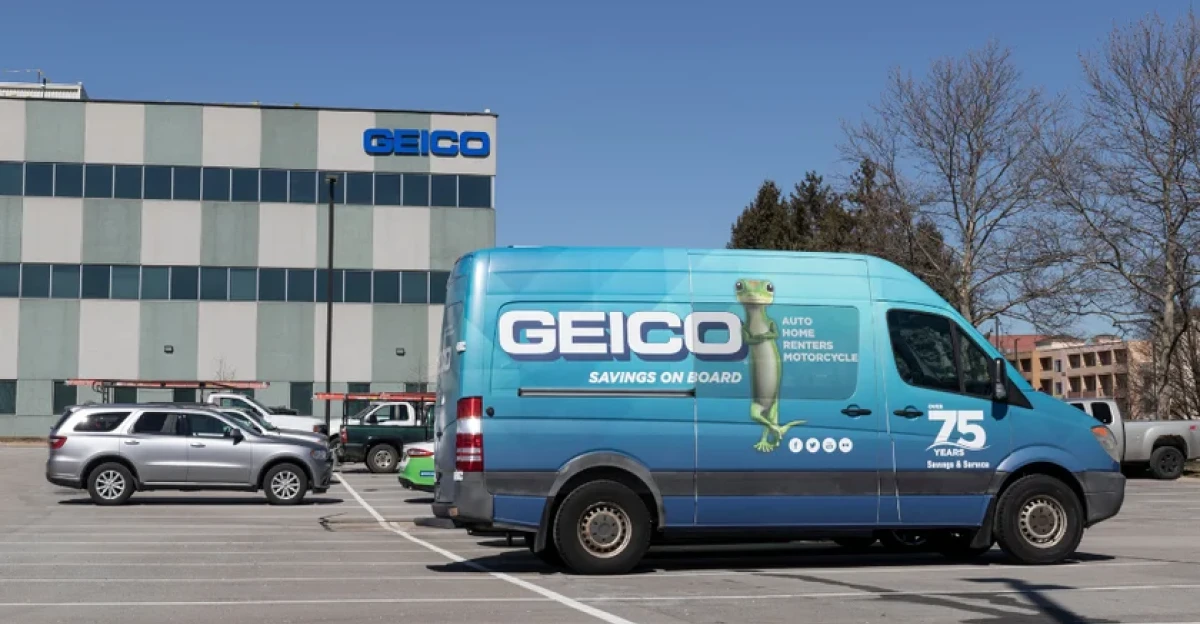
GEICO built its brand on affordability and the advertising slogan promising drivers savings in minutes. Consumer switching data released March 07 2026 showed a different pattern. The insurer lost about 6 customers for every 4 gained in the Consumer Reports switching survey. Customer ratings placed GEICO in the lower quartile among 36 insurers reviewed. Complaints reviewed by consumer groups included premium increases following policy lapses or coverage adjustments. Drivers who expected stable pricing began comparing alternatives. That behavior reduced retention levels for a company long associated with low-cost coverage. One additional insurer reported even steeper pricing pressure.
#5 — Hanover

Hanover Insurance appeared among the most expensive carriers tracked in recent rate comparisons. Bankrate data cited in industry analysis showed premiums running about 85% higher than the national average. Consumer Reports survey results indicated Hanover lost about 6 customers for every 4 gained during the same switching study period. Market share erosion followed those pricing gaps. NAIC rankings showed Hanover dropping out of the top 25 U.S. auto insurers in 2024. Some customers reported positive claims experiences. Premium pricing remained the deciding factor for many policyholders evaluating alternatives. That shift leads directly to the final takeaway for drivers.
Comparing Quotes Became A Money-Saving Habit

Consumer Reports emphasized the switching results when publishing its survey findings. Drivers who changed insurers reported median savings of $461 per year. Households paying higher premiums reported median savings reaching $922 after switching coverage. J.D. Power research also showed 57% of drivers shopped for insurance in 2025, compared with 49% 2 years earlier. Growing comparison activity increases competition between insurers for new policyholders. Rate differences between companies can vary widely for the same driver profile. Regularly comparing quotes from several insurers has become one of the simplest ways drivers reduce annual insurance costs.
Sources:
Why Most Drivers Switch Car Insurance and How Much They Save. Consumer Reports, September 04 2025
Consumer Reports Says Customers Ditch These 5 Car Insurance Companies Most. AOL Finance, March 08 2026
Consumer Reports Says Customers Ditch These 5 Car Insurance Companies Most. MoneyDigest, March 07 2026
J.D. Power Auto Insurance Study: It’s Now a ‘Buyer’s Market’. CarPro, June 16 2025
Survey Highlights Car Insurance Switching Trends. ProgramBusiness, September 07 2025