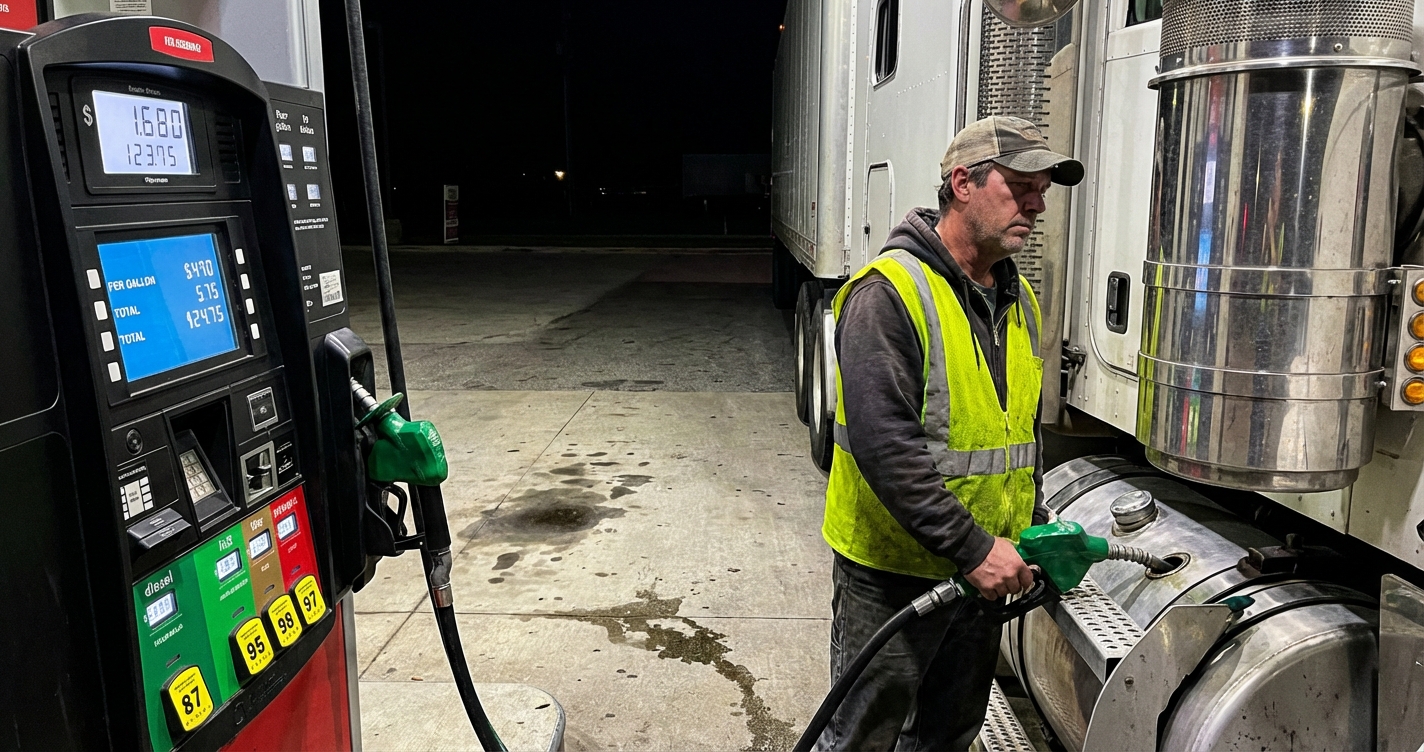
$5 Diesel Means The Price Of Everything Delivered By Truck In America Just Went Up
U.S. diesel prices have surpassed $5 per gallon for the first time since December 2022, according to multiple energy tracking services. The nationwide average retail price reached $5.044 a gallon on Monday, March 17, 2026, marking a significant milestone in the ongoing energy crisis. This development represents a 34% increase in diesel costs since the U.S. and Israel initiated extensive airstrikes against Iran. The surge comes as the conflict in the Middle East continues to disrupt global oil supplies, particularly through the vital Strait of Hormuz waterway. Analysts note this is the highest diesel price level observed in over three years, coinciding with broader global energy market volatility.
The Strait of Hormuz Crisis Drives Fuel Costs Higher
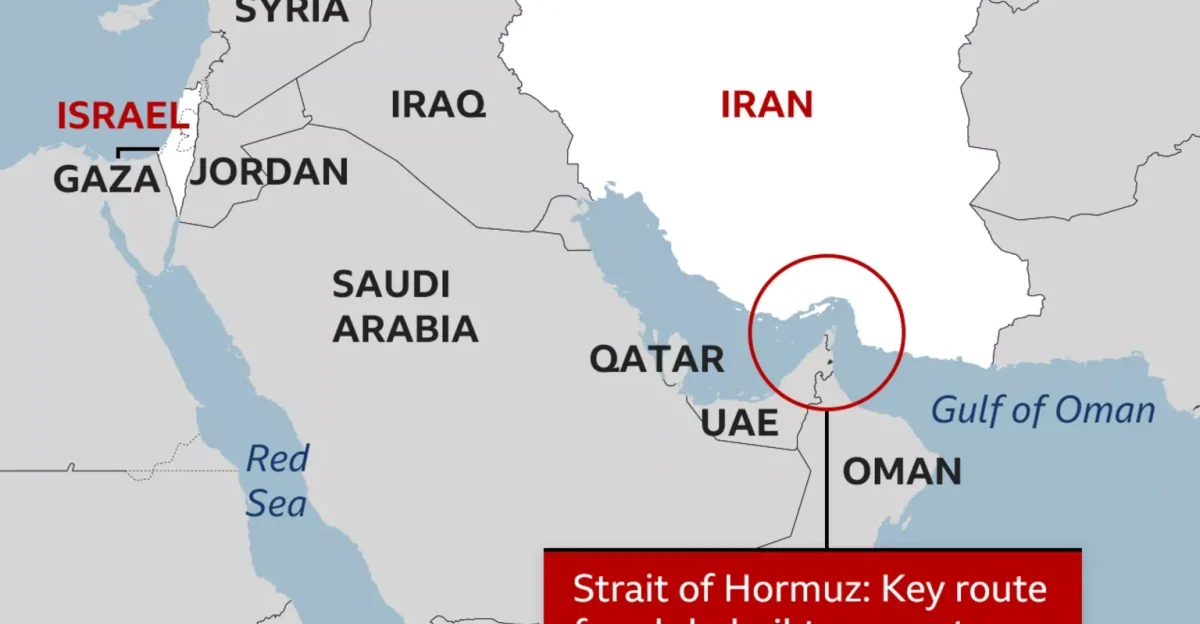
The primary driver behind the diesel price surge is the ongoing conflict in Iran, which has severely disrupted oil tanker traffic through the Strait of Hormuz. This narrow waterway is critical to global energy markets, with approximately 20% of the world’s oil supplies normally transiting this route before hostilities began. Iran’s actions have effectively blocked most commercial vessel traffic through the strait, creating a significant bottleneck in global oil distribution. As a result, crude oil prices have surged by over 40% during the conflict, with Brent crude exceeding $100 per barrel and WTI trading above $94 per barrel. The disruption extends beyond crude oil to affect natural gas, plastics, fertilizers, and other essential commodities that rely on this shipping route.
Diesel’s Essential Role in American Economy Amplifies Impact

Diesel fuel plays a crucial role in the U.S. economy, powering the transportation infrastructure that moves goods to consumers nationwide. Trucks, trains, and barges that facilitate commerce and supply chains depend heavily on diesel fuel. When diesel prices rise, the cost increases ripple through virtually every sector of the economy, affecting everything from retail prices to manufacturing costs. The American Automobile Association (AAA) reports that diesel prices have reached their highest point since December 2022, coinciding with the global energy market upheaval caused by Russia’s full-scale invasion of Ukraine. This creates a compounding effect on already strained energy markets.
Gasoline Prices Also Experience Significant Increases
While diesel has garnered attention for crossing the $5 threshold, gasoline prices have also seen substantial increases due to the same geopolitical factors. According to AAA, average gasoline prices have surged by 27% since the conflict began, reaching $3.79 per gallon. This marks the highest gasoline prices seen since October 2023. The increase in both diesel and gasoline prices reflects the broad impact of Middle East instability on global energy markets. Transportation costs for consumers and businesses alike are feeling the pressure at the pump, with households allocating more of their budgets to fuel expenses.
Expert Analysis Confirms Continued Upward Pressure

Industry analysts warn that fuel prices may continue to rise unless there is a significant restoration of normal oil flow through the Strait of Hormuz. Patrick De Haan, head of petroleum analysis at GasBuddy, warned that “until we see a meaningful resumption of oil flows through the Strait of Hormuz, upward pressure on fuel prices is likely to persist.” His analysis suggests that the current disruption represents more than a temporary spike, with structural changes potentially affecting energy markets for an extended period. Andy Lipow, president of Lipow Oil Associates, noted that trucking and rail companies are already responding by increasing their fuel surcharges to offset rising costs.
Trump Administration Faces Diplomatic Challenges

The Biden administration’s successor, President Donald Trump, has faced diplomatic challenges in attempting to address the crisis. Trump reportedly sought to build an international coalition to escort tankers through the Strait of Hormuz, but these efforts have been rebuffed by traditional U.S. allies. According to reports, Germany’s chancellor, Friedrich Merz, explained the reluctance by noting that the United States and Israel had not consulted Berlin before initiating military actions against Iran. This lack of coalition support has limited the administration’s options for directly addressing the shipping disruption that is driving fuel prices higher.
Security Premiums May Create Longer-Term Price Changes

Even if near-term security improvements occur in the region, experts suggest that the era of relatively low energy prices may be ending. Analysts cited in the Semafor report indicate that a “costlier era for energy” is likely due to security premiums being factored into pricing calculations. This perspective suggests that the current price increases may not be entirely temporary, even if the immediate crisis in Iran were to resolve. The need for increased security measures for oil tankers and shipping vessels could add permanent costs to energy transportation that get passed on to consumers.
Historical Context Shows Price Volatility
The current diesel price levels represent a return to heights not seen since the global energy market upheaval of late 2022. That period was marked by Russia’s full-scale invasion of Ukraine, which also caused significant disruptions to global energy supplies. The cyclical nature of geopolitical conflicts affecting energy markets highlights the vulnerability of global supply chains to regional instability. Energy analysts note that while prices often climb in anticipation of significant events, they can also peak shortly thereafter before potentially declining if supply concerns ease.
Impact Extends Beyond Consumer Fuel Costs
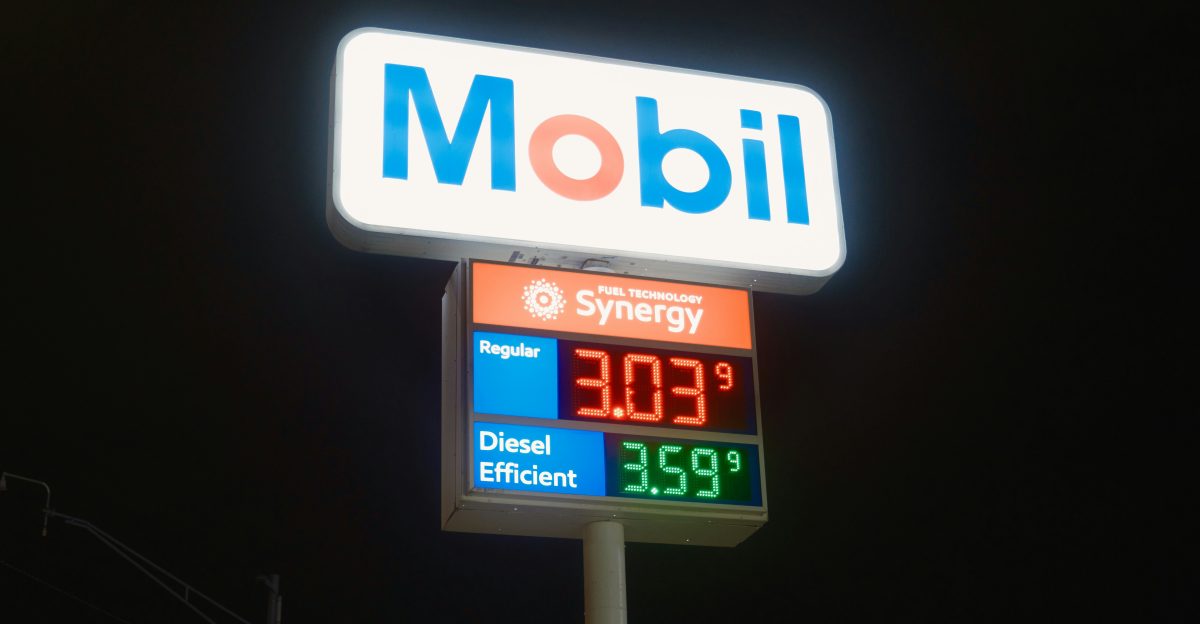
The rising diesel prices affect more than just what consumers pay at the pump. Industries that rely heavily on diesel-powered transportation, including logistics, manufacturing, and agriculture, face increased operational costs. These costs may ultimately be passed on to consumers through higher prices for goods and services. Additionally, the energy price increases contribute to broader inflationary pressures that could impact consumer spending patterns and economic growth. The interconnected nature of modern supply chains means that disruptions in one sector can have cascading effects throughout the economy.
Outlook Remains Uncertain Amid Ongoing Conflict
As of mid-March 2026, the outlook for diesel and gasoline prices remains closely tied to developments in the Iran conflict and the status of the Strait of Hormuz. While some analysts suggest that geopolitical disruptions tend to have brief effects on markets, others caution that the current situation could persist. Consumers and businesses alike are advised to monitor energy price trends and consider potential impacts on their budgets and operations. The situation serves as a reminder of how closely connected global security, energy markets, and everyday economic life have become in the 21st century.
Sources:
“US Average Diesel Prices Cross $5 a Gallon as Middle East War Tests Global Economy.” Reuters, March 17, 2026.
“Diesel Surges to $5 Per Gallon as Iran War Disrupts Oil Supplies.” CNBC, March 17, 2026.
“USA Gasoline, Diesel Prices Surge.” Rigzone, March 17, 2026.
“The Energy Market’s Biggest Question.” Semafor, March 17, 2026.
“AAA National Fuel Price Report.” American Automobile Association, March 17, 2026.