$5 Diesel Hits Kentucky Schools Already $2.58B Short—Kids Face Bus Route Cuts
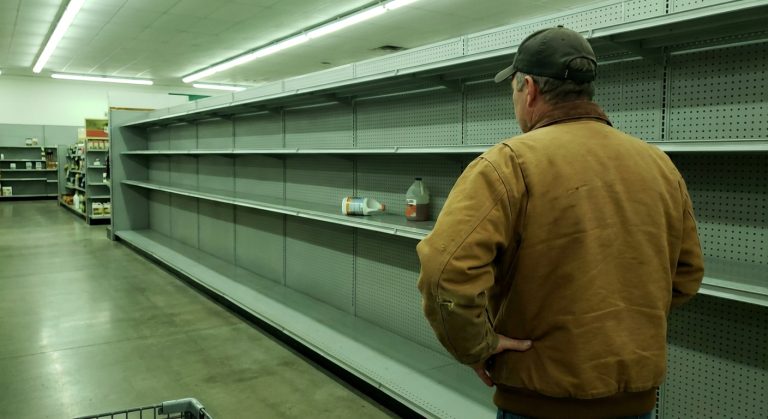
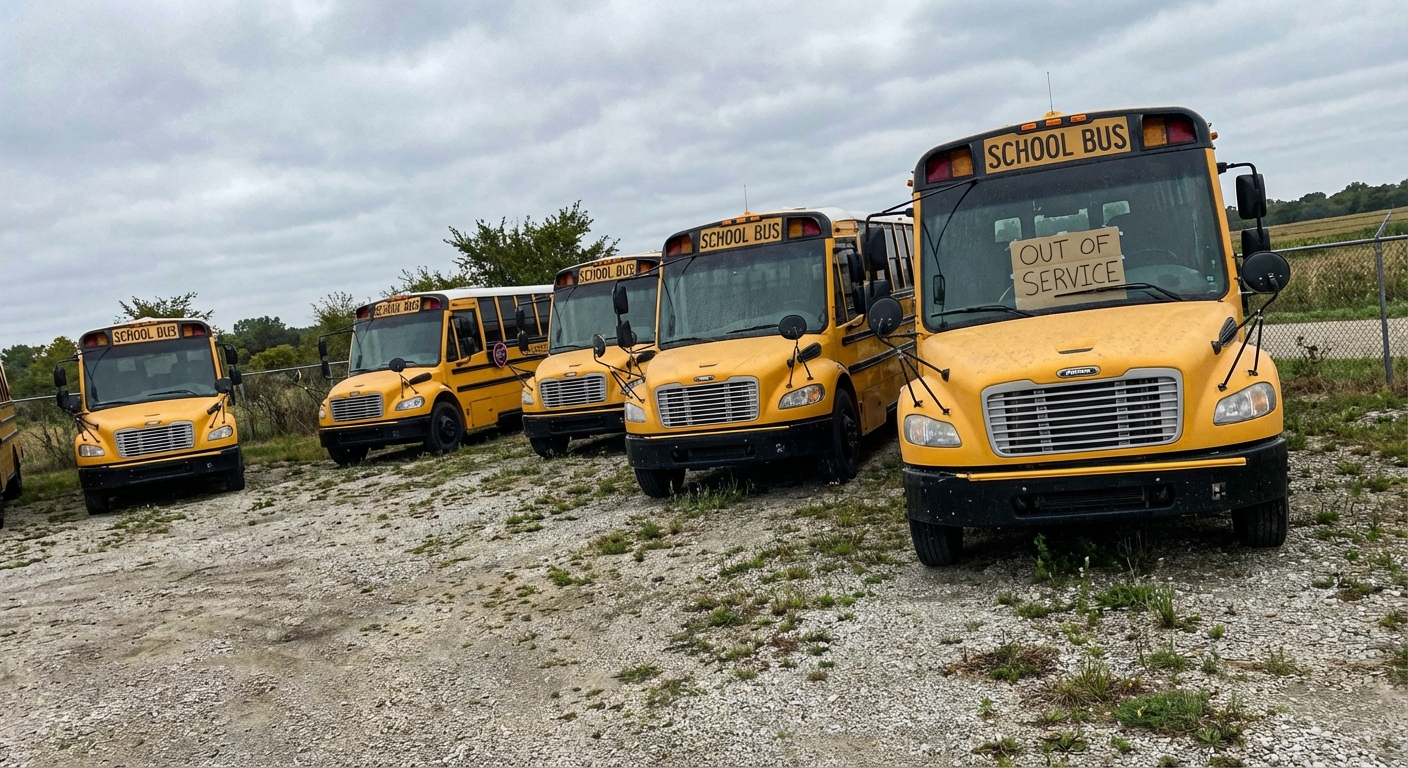
Somewhere in Clark County, a logistics director pulled up his fuel invoices and watched the number climb past anything his budget could explain. Diesel had blown through $5 a gallon. The buses still ran.
The routes still covered every hollow and back road. But the math underneath had changed overnight, and every superintendent in Kentucky knew it. The price at the pump was the part you could see. The $25,000 in added monthly costs was the part that forced a phone call nobody wanted to make.
A Price Spike With Global Roots
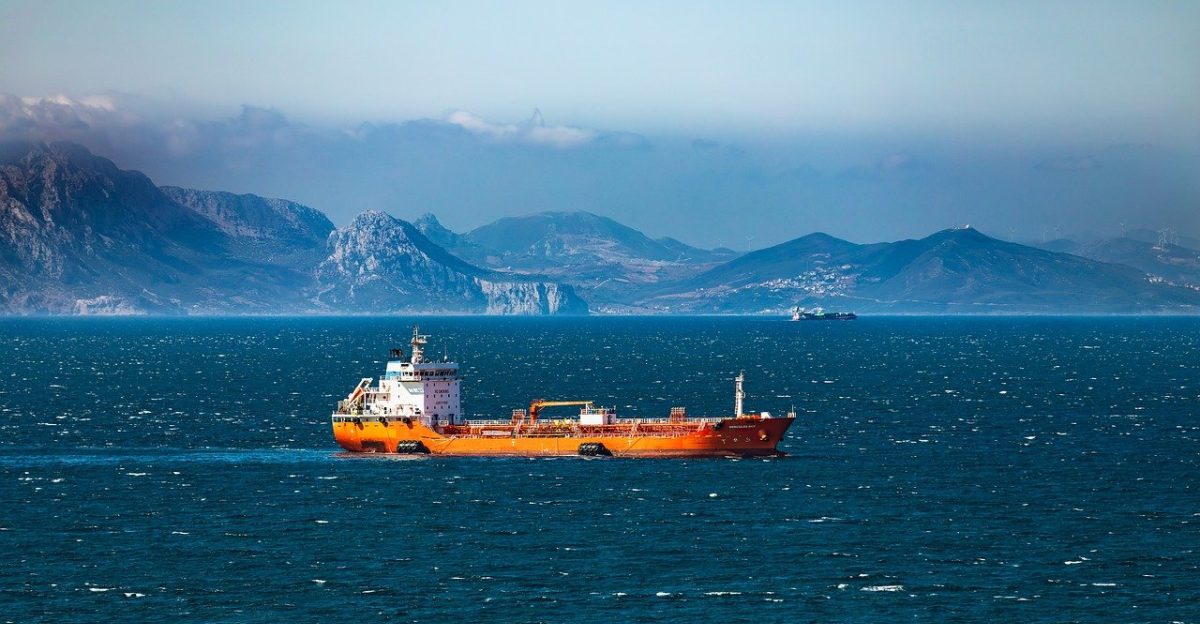
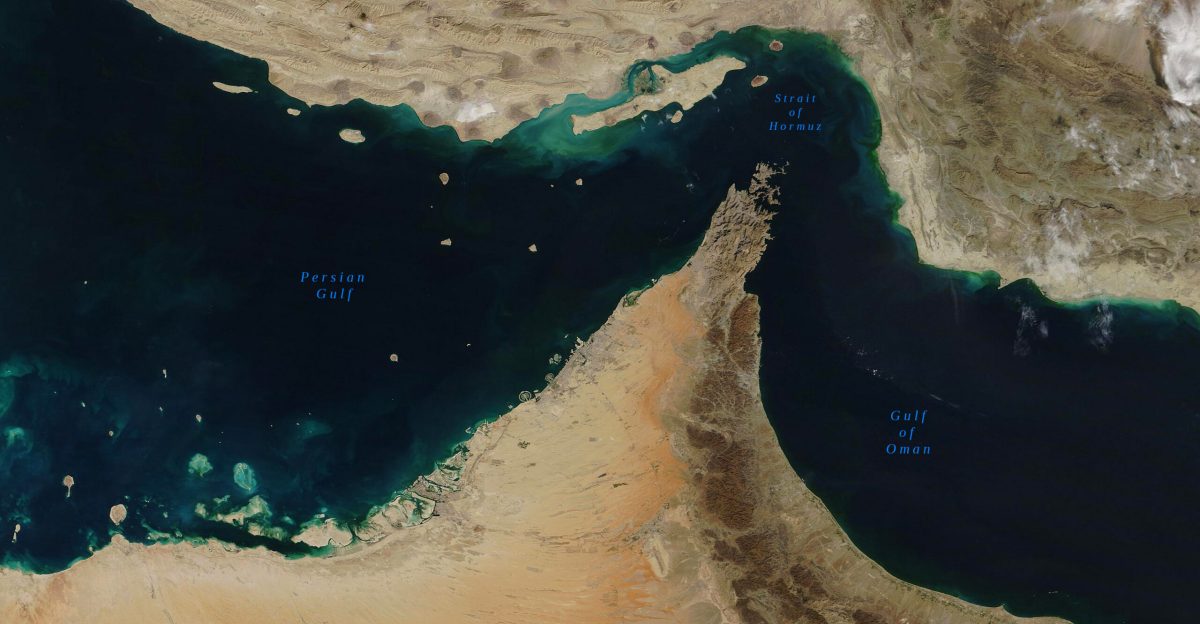
The Strait of Hormuz closed after military conflict escalated on February 28, 2026. That single chokepoint carries roughly 20 percent of the world’s oil supply. The Dallas Federal Reserve modeled scenarios ranging from $115 to $132 per barrel if the disruption persisted.
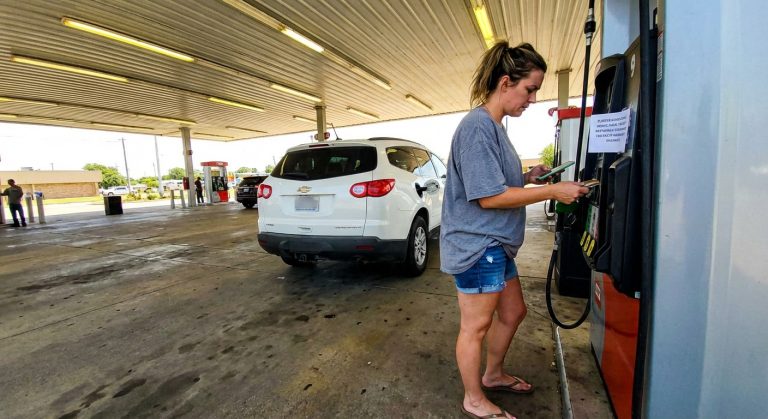
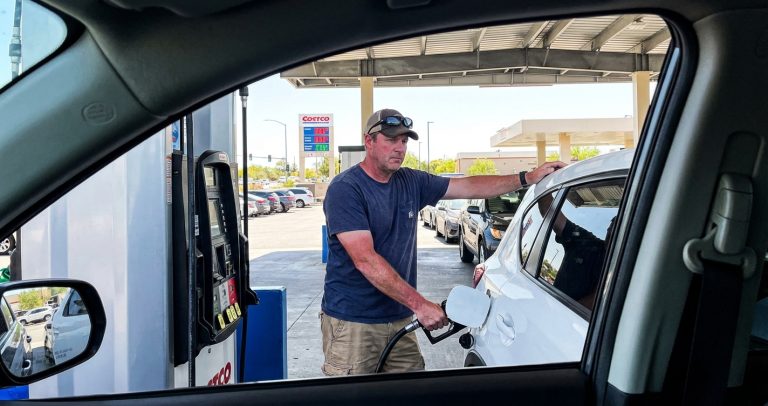
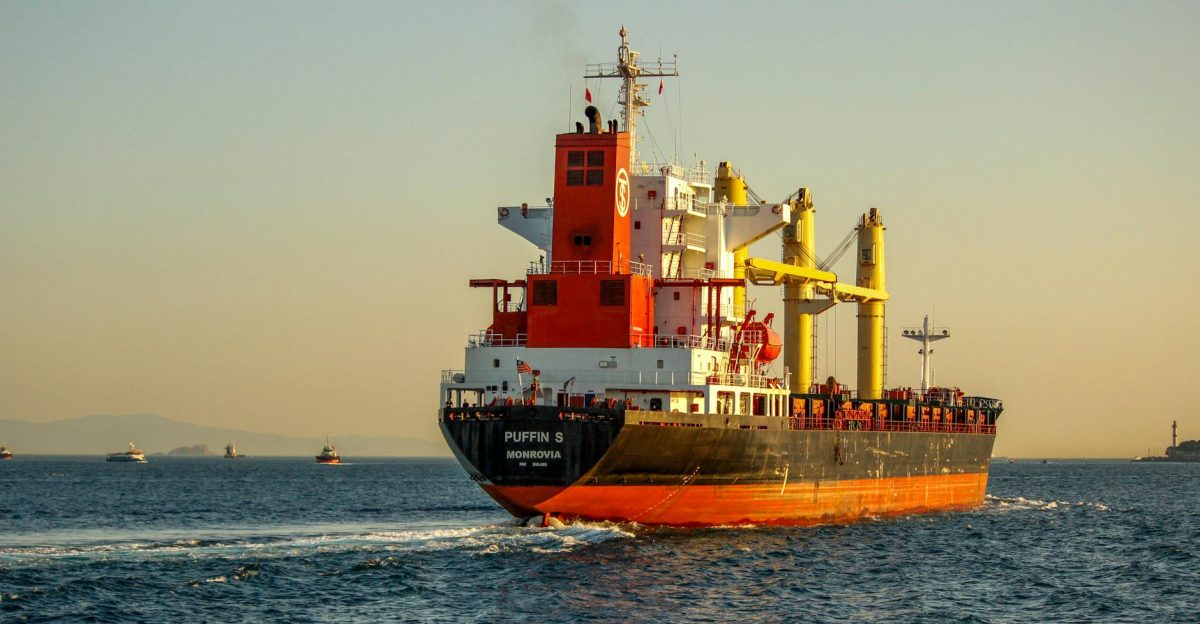
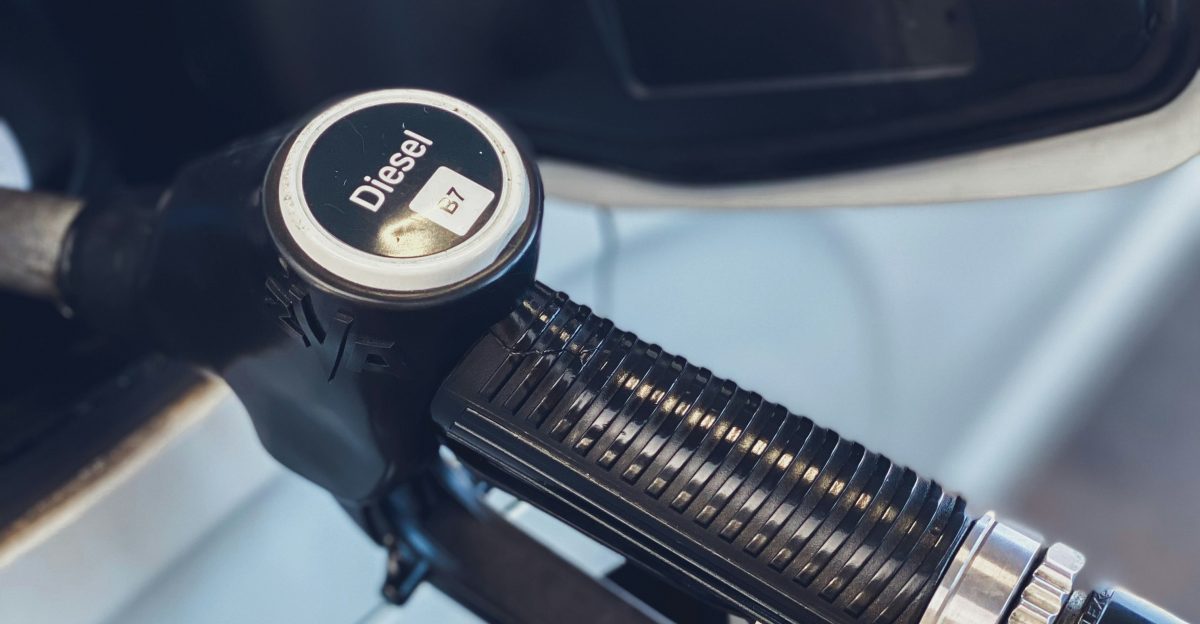
By April 7, oil traded at $113.40 a barrel, $48 higher than the year before. National gas prices crossed $4 a gallon for the first time in 45 months. Diesel jumped 44 percent in two months, from $3.53 to $5.07. Kentucky school buses burn diesel, not wishes.
Twenty-One Years of Frozen Promises
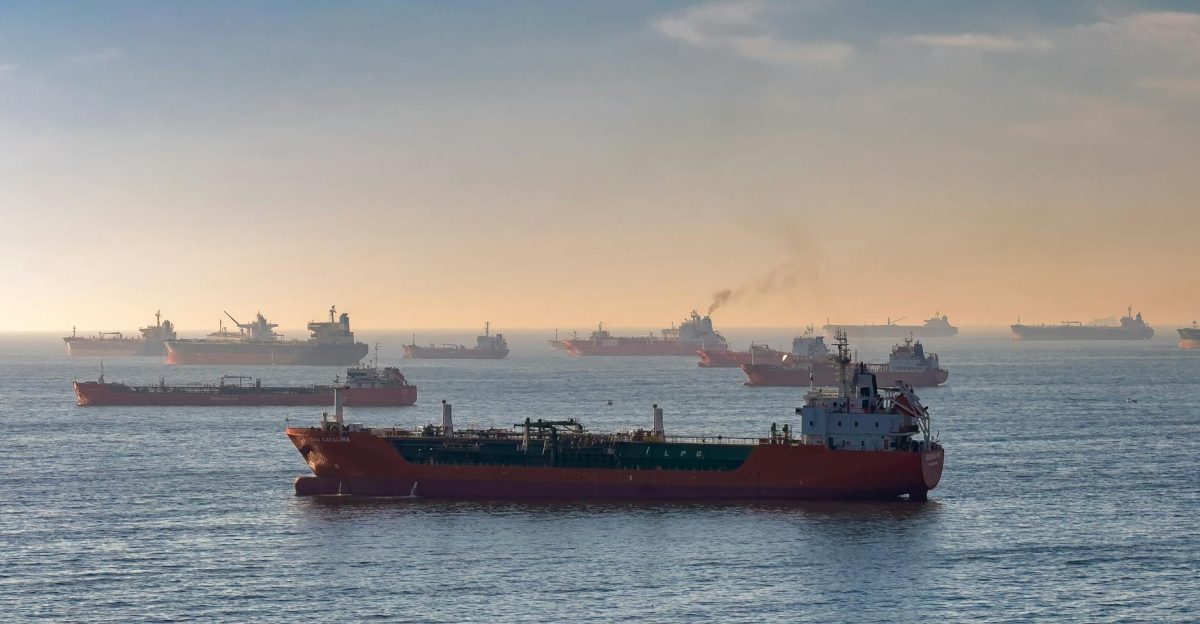
Most people assume the state funds school transportation adequately because the law requires it. That assumption died in 2005. The Kentucky General Assembly suspended its own statutory obligation to fully fund pupil transportation that year and has repeated the suspension in every biennial budget since.
The last time the formula received full funding was fiscal year 2004. That created a cumulative shortfall of $2.58 billion across 21 years. The fuel spike exposed the wound, but the General Assembly carved it open two decades ago.
The Money That Vanishes Before It Arrives
The state appropriated $399 million for transportation against a calculated need of $492 million, leaving a $94 million annual gap. Meanwhile, $156.3 million in earmarked SEEK education funds lapsed unused back to the general fund in a recent fiscal year.
That lapsed money alone could close the transportation gap nearly twice over. Jim Flynn of the Kentucky Association of School Superintendents said it plainly: “Any SEEK increase will be absorbed some by making up that transportation cost.” Nominal funding gains never reach classrooms. They evaporate into a hole the state chose to dig.
Where $3.4 Billion Went Instead

While transportation funding flatlined, the General Assembly directed $3.4 billion in tax cuts to Kentucky’s richest 5 percent over the preceding decade. That figure dwarfs the $94 million annual transportation gap. Reversing a fraction of those cuts would fully fund every school bus route in the state tomorrow.
Tim Ammon, a school transportation consultant, framed it with surgical precision: “Flatline funding associated with increasing cost is, in effect, a cut.” The crisis is not resource scarcity. The resources exist. They were redirected by political choice toward residents who never ride a school bus.
The Numbers That Prove the Squeeze
A 52-passenger school bus cost $130,799 in 2022. By 2026, the same bus cost $160,036, a 22 percent increase. The SEEK base per pupil stood at $3,822 in 2008. Adjusted for inflation, that figure should reach approximately $6,197 by 2028.
Instead, the proposed budget freezes it at $4,586, a 26 percent real decline. An estimated 82 percent of Kentucky districts will receive lower inflation-adjusted SEEK payments in 2028 than in 2026. Costs rise everywhere. Funding rises nowhere. Fayette County loses $223,000 per NTI day in food service revenue while saving just $9,000 in fuel.
Rural Kids Pay the Highest Price
The SEEK formula was designed to direct more money to rural districts. The underfunding mechanism inverts that purpose entirely. Rural districts absorb per-student transportation cuts exceeding $400, while wealthier districts lose less than $20.
Whitley County covered a $900,000 transportation shortfall from general funds in fiscal year 2025, cannibalizing classroom resources. Jefferson County faces a $188 million budget deficit, with $100 million in cuts already approved and $50 million more required. In districts with declining enrollment, 83 percent still saw transportation costs rise. Fewer students, higher bills, same frozen appropriation.
A Pattern, Not an Exception
Once you see it, you cannot unsee it: the General Assembly suspended its own law 21 times in a row. That is not an oversight. It is a governing strategy.
If diesel fell to $2 tomorrow, the $94 million annual gap would remain untouched. The Trump administration rescinded $38 million in ESSER funds from 14 Kentucky districts mid-project in March 2025, removing another buffer. The precedent now set is clear. If the state faces no political consequences for chronic underfunding during a price crisis, the bar for future cuts drops permanently.
The Clock Running in Clark County
Clark County’s Daren Snell called diesel “by far our largest cost” outside salaries and said the district can absorb elevated prices until year-end before forced adjustments. Route consolidation sits at the top of the response list.
Federal Reserve modeling shows oil could reach $132 per barrel if the Strait disruption persists into fall. School bus driver positions pay $20.80 to $26.21 per hour, making recruitment brutal as routes consolidate and hours shrink. The dominoes that haven’t fallen yet are lined up: rural students lose routes first, then families without alternatives lose access entirely.
The Question Nobody in Frankfort Will Answer
Every person who read this far now knows something most Kentuckians don’t: the state has the money. It chooses not to spend it. The $156.3 million lapsing annually back to the general fund could close the transportation gap and leave $62 million on the table.
The proposed federal voucher program threatens to pull more students from public schools while leaving bus obligations intact, compounding the spiral. Somewhere in a rural county, a superintendent is drawing lines on a route map, deciding which kids still get a ride. That map is the state’s real budget document.
Sources:
Kentucky Association of School Superintendents (KASS) — “What ‘Full Transportation Funding’ Really Means for Kentucky Students and the Cost of Falling Short” — March 28, 2026
Kentucky Center for Economic Policy (KyPolicy) — “General Assembly Should Fix Underfunding of School Transportation in 2026 Budget” — March 1, 2026
Kentucky Center for Economic Policy (KyPolicy) — “Here’s How the House Budget Would Affect SEEK Payments to Your School District” — March 3, 2026
Kentucky Center for Economic Policy / ITEP — “State and Federal Tax Cuts of the Last Decade Are Giving an Enormous Windfall to the Wealthiest Kentuckians” — January 11, 2026
AAA Fuel Prices — “For the First Time in Four Years, National Average Exceeds $4/Gallon” — April 2, 2026
WDRB News — “JCPS Faces Pressure to Close Budget Gap as State SEEK Funding Decreases” — February 19, 2026