$5 Diesel Crushes America’s ‘Dumped On’ Small Truckers—$906B US Trucking Industry Crippled
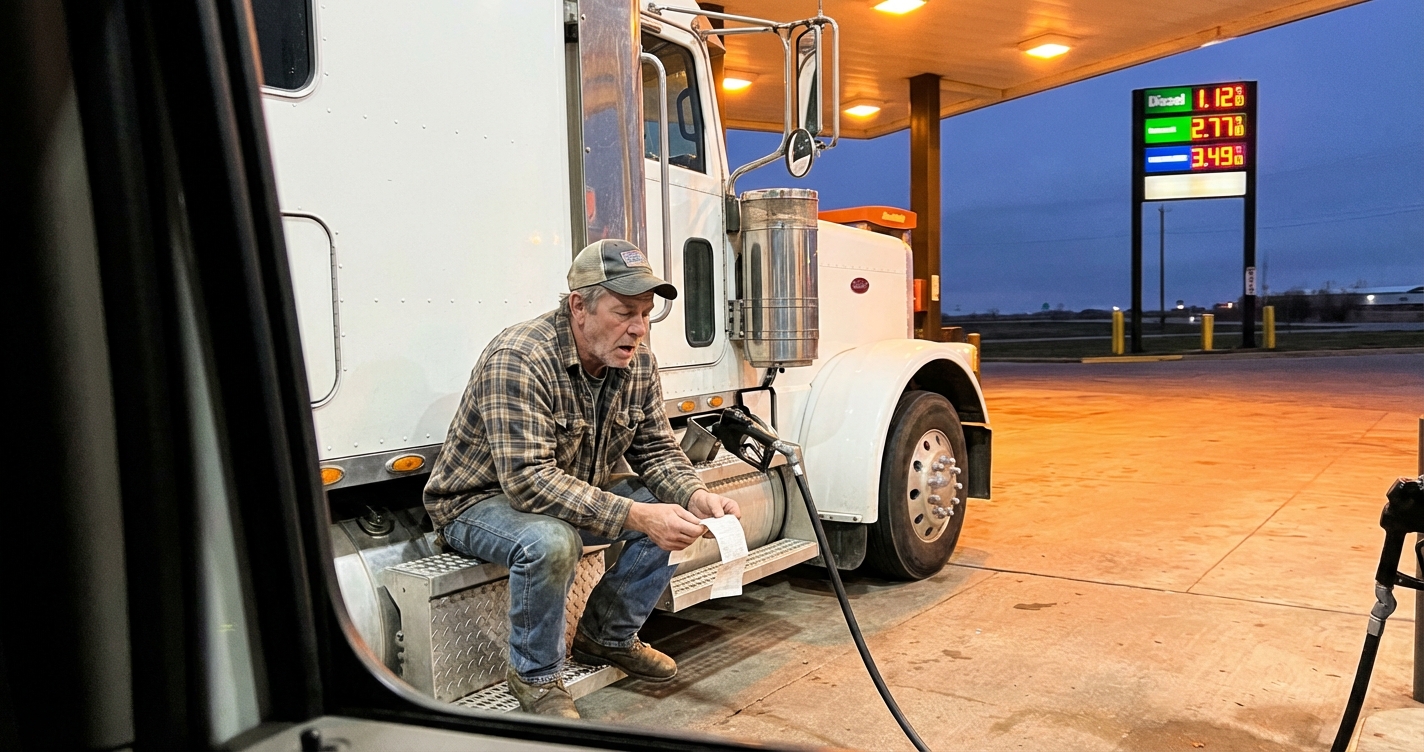
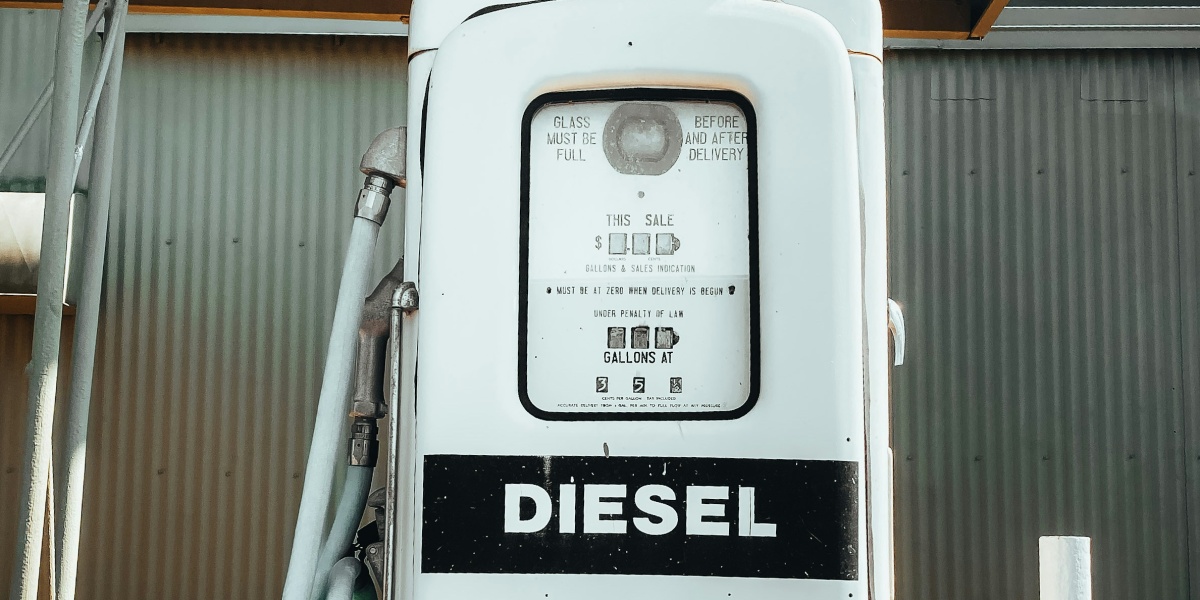
Diesel hit $5.38 a gallon by late March 2026. This was a 41% spike in weeks, not months, triggered by the Iran war that began on February 28. The $906 billion U.S. trucking industry, 99% small businesses, runs on a 5-cent-per-mile profit margin. Fuel costs jumped 20 cents per mile. Do the math. That margin didn’t shrink. It went negative. Three weeks before this spike, industry analysts called a recovery “finally within reach.” That recovery is dead. And the wreckage stretches far beyond the cab of a truck.
A War 6,000 Miles Away Closed the Chokepoint

The Strait of Hormuz carried 153 vessels a day before the war. By mid-March, that number collapsed to single digits on many days, averaging roughly six per day in March. A roughly 90-95% drop in the world’s most critical oil chokepoint. Crude spiked from around $55 a barrel in December to $108 by February, briefly touching $120, with oil surging past $126 at its peak. OPEC+ cuts had already capped supply at 5.85 million barrels per day. U.S. refining capacity sat flat at 18.4 million barrels. No slack anywhere. The fuel that powers every truck in America now costs more than the market structure can absorb.
The Grocery Bill Absorbs the First Hit
Fuel surcharges are passed through to shippers within 2 to 4 weeks. Grocery prices follow right behind. Some 33,700 ocean shipments have already been disrupted, roughly 4.3% of global volume. Fertilizer prices climbed 30%, hitting farmers, food manufacturers, and consumers. S&P Global projects headline inflation near 3.5% to 4%, and the Peterson Institute warns it could breach 4% by year’s end. That loaf of bread and gallon of milk carry invisible freight costs baked in. The kitchen table feels a war in the Persian Gulf faster than most people realize.
Mega-Carriers Play a Different Game

Large carriers like Knight-Swift and Schneider absorb freight at below-cost rates to lock in customers. They can bleed cash for quarters. Small operators cannot. DAT principal analyst Dean Croke put it plainly: “Small guys in spot market are really getting dumped on right now.” Those small operators recover roughly half their fuel cost increases through spot rates. Half. Mega-carriers drag the entire market to unsustainable pricing, and the spot-to-contract rate gap compressed to just 1% by late 2025, the tightest since March 2022. The poker table is rigged.
Fuel Surcharges Became a Profit Machine
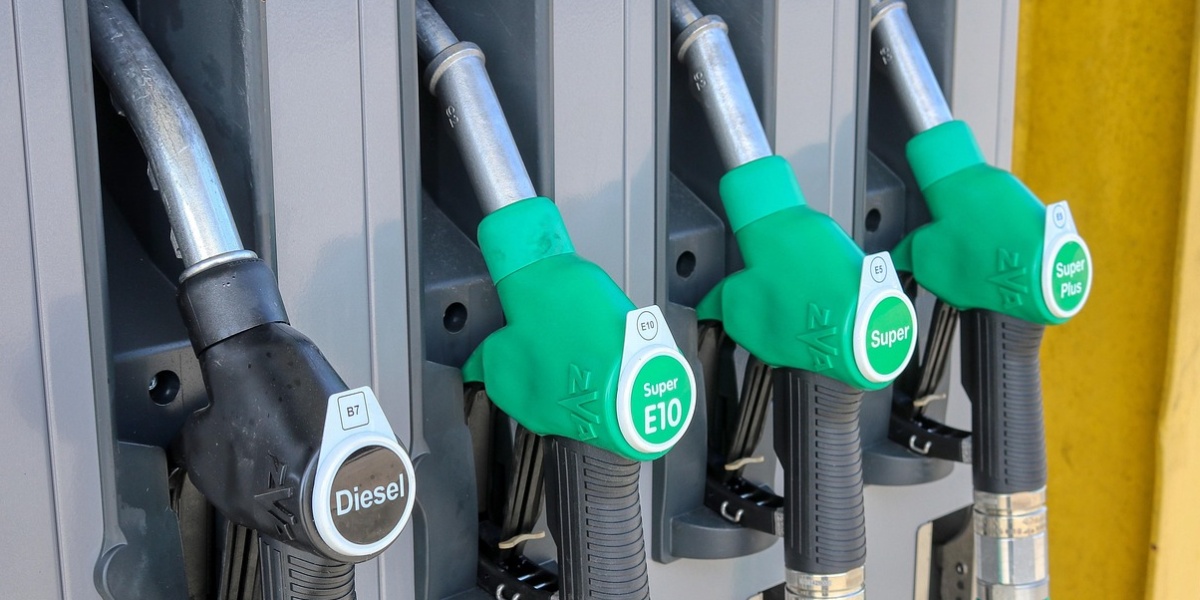
Fuel surcharges were designed as transparent cost-recovery tools. They stopped being that a long time ago. A 4.7% diesel price increase triggered a 26% fuel surcharge increase. That ratio exposes the mechanism: surcharges now operate as variable margin extraction, tied to market sentiment rather than actual pump prices. Large carriers exploit the spread. Small carriers pass through what they can and eat the rest. Same fuel spike. Completely different financial outcome depending on fleet size. The system that was supposed to protect small operators became the tool that accelerates their extinction.
The Hidden Machine Behind Every Ripple

Every cost shock, every policy change, every rate collapse flows through the same structure: mega-carriers absorb losses, small operators can’t, and consolidation accelerates. Insurance premiums rose 36% over eight years, hitting small fleets hardest. Detention time costs drivers $1.1 billion annually in unpaid hours. Tariffs raised equipment costs. Each pressure point favors scale. War spikes diesel. Mega-carriers pass costs to shippers. Small carriers eat the loss. Bankruptcy follows. Equipment gets bought at pennies on the dollar. The cycle tightens. One system. Every crisis feeds it.
‘Cash Flow Is Becoming Our Biggest Issue’
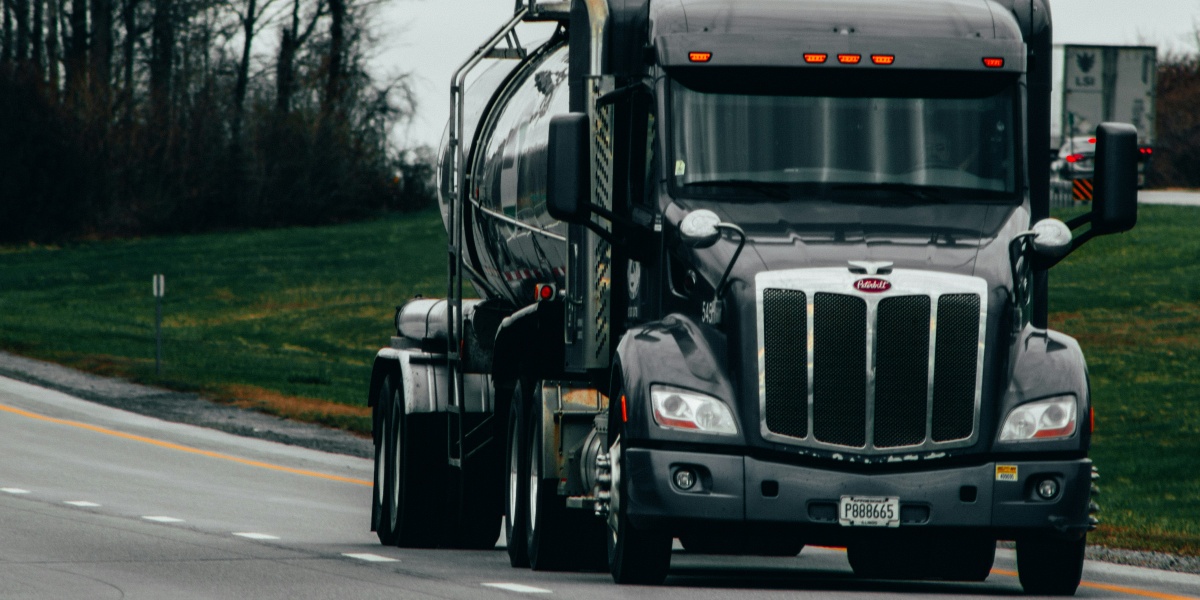
Small fleet owner Jamie Hagen told CNN in late March: “Cash flow is becoming our biggest issue.” His costs shot up twenty cents a mile since the war began, wiping out the five cents he usually earns. Payment arrives in 30 days. The fuel bill arrives tomorrow. That gap kills businesses. Seven trucking companies filed Chapter 11 in early 2026 alone, including STG Logistics with $1.2 billion in debt. Thirty-five percent of owner-operators were already considering closing before diesel crossed five dollars. Now the math removes the choice entirely.
200,000 Drivers Stripped of Licenses Mid-Crisis

A federal rule effective March 16, 2026, prohibits asylum seekers, refugees, and DACA recipients from obtaining or renewing commercial driver’s licenses. That could eventually affect up to 194,000 drivers as their licenses come up for renewal over the next several years. Foreign-born drivers make up 18% of U.S. trucking. The industry already faced a 60,000-driver shortage. Combined, that approaches 260,000 missing drivers from a workforce of roughly 1.3 million. The last time the Strait of Hormuz saw disruption this severe was the 2003 Iraq invasion. The last time a driver policy compounded a fuel crisis like this: never.
Who Wins When Small Truckers Lose
Mega-carriers acquire bankrupt operators’ equipment and contracts at fire-sale prices. Shippers who demanded rate cuts citing “oversupply” will lose the leverage that oversupply gave them. Once consolidation completes, pricing power shifts permanently to the surviving carriers. Fuel costs get passed through at 100%, not the 50% small operators absorbed. Used truck prices have already dropped 20% since 2022, making acquisitions cheap. The myth that oversupply creates competitive pricing dies here. Oversupply plus margin compression creates consolidation. And consolidation means every shipper, every consumer, pays more permanently.
The Cascade Keeps Breaking
BloombergNEF projects Brent could hit $91 a barrel by Q4 2026 if Iran disruption persists. UBS warns that if the Hormuz closure extends beyond 30 days, recession risk becomes “overwhelming.” Shippers are locking into multi-year contracts with mega-carriers at premium rates just to guarantee capacity. The four-year Great Freight Recession was supposed to end with a recovery. Instead, it ends with consolidation. Transportation costs are becoming structural inflation, not a temporary shock. The small trucker who built this country’s supply chain is being replaced by the corporation that outwaited him.
Sources:
“America’s Long-Haul Truckers Were Already Struggling. Then Came $5 Diesel.” CNN Business, 28 Mar. 2026.
“No One, Not Even Beijing, Is Getting Through the Strait of Hormuz.” Center for Strategic and International Studies (CSIS), 8 Mar. 2026.
“STG Logistics Files for Chapter 11 Bankruptcy.” Trucking Dive, 12 Jan. 2026.
“Non-Domiciled CDL Eligibility Tightens in March 2026.” C.H. Robinson, 16 Mar. 2026.