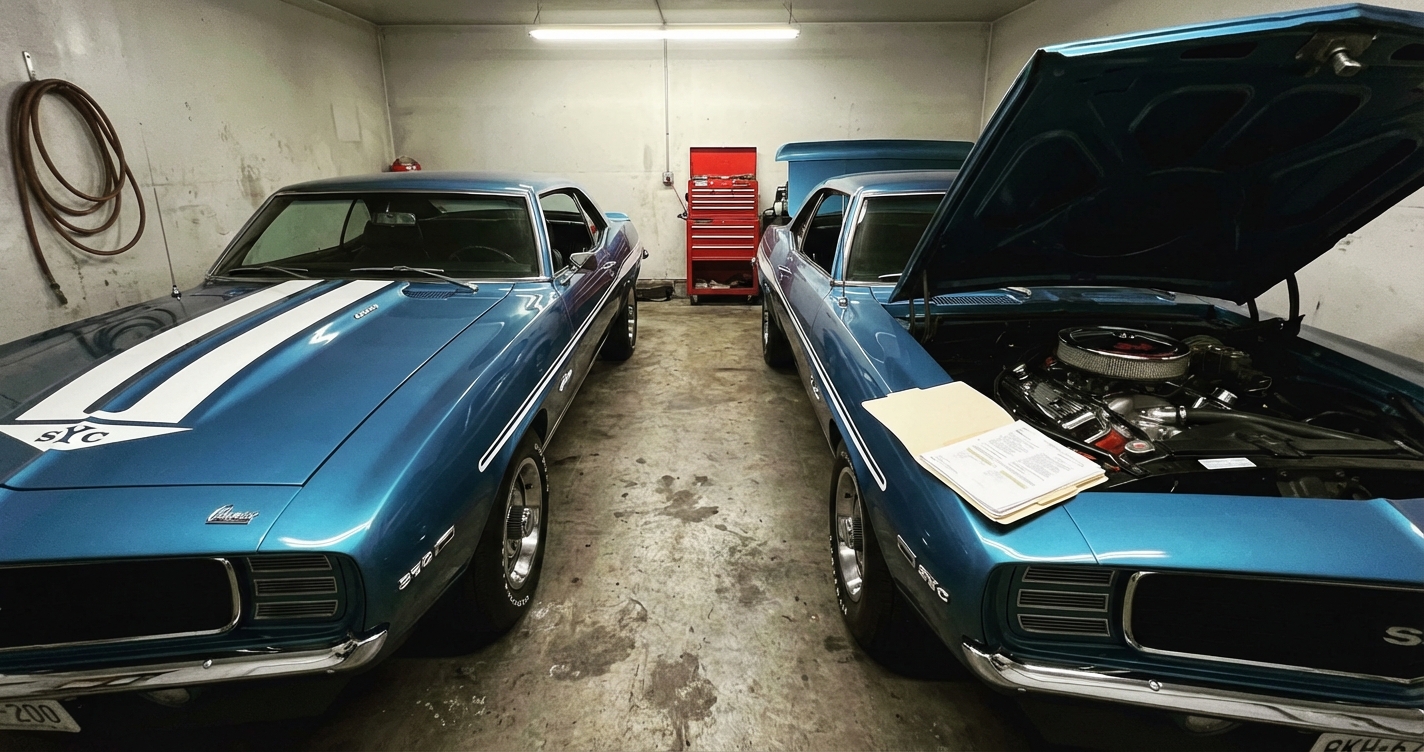
5 Dealer‑Built 427 Yenkos That Now Outsell Many Factory Muscle Cars at Major Auctions
Five dealer-built 427 Yenko Chevys from 1969 are outperforming factory muscle cars at major auctions, led by a record $1.815 million Camaro sale on January 16 2026, as collectors chase documented authenticity over factory origin.
These cars were never official GM builds. They were created by Don Yenko’s dealership using workarounds to deliver performance buyers could not get from Chevrolet at the time. Today, verified examples consistently command six- and seven-figure prices, while nearly identical tributes struggle to reach $60,000. The shift reflects a market where paperwork, registry validation, and ownership history now define value more than badges or production lines.
When Factories Refused, Dealers Stepped In
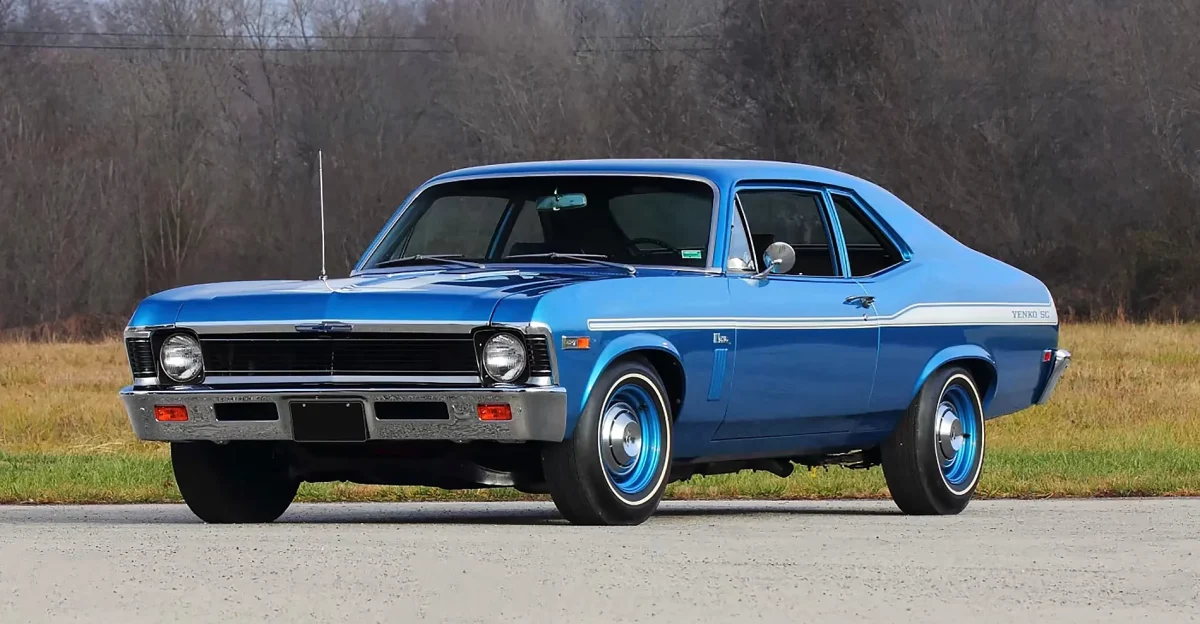
During the late 1960s, Chevrolet restricted big-block engines in smaller cars, frustrating buyers chasing maximum performance. Yenko Chevrolet in Canonsburg, Pennsylvania used GM’s Central Office Production Order system to install 427 cubic inch L72 engines into Camaros, Novas, and Chevelles. These configurations were never officially marketed by the factory. By May 01 2023, historians described the program as a workaround for enthusiasts who wanted more power than Chevrolet would publicly offer. That workaround quietly created a new category of muscle car that would later reshape collector priorities in unexpected ways.
Why Paperwork Now Drives Six Figures
The value gap between real and replica Yenko cars comes down to documentation. By March 04 2026, market reports showed provenance can account for up to 50% of a car’s final auction price compared with visually identical tribute builds. The Yenko Supercar Registry, tracked since August 12 2024, verifies VIN sequences, ownership history, and factory records. Auction houses rely on this system to confirm authenticity before bidding begins. Without this paper trail, even the most convincing build loses credibility fast, setting up a high-stakes verification process buyers must navigate carefully.
The Two-Step Check Before Bidding Millions
Collectors approach Yenko cars with a strict two-step process. First comes registry verification and original documentation. Second comes comparing recent auction results to confirm realistic value. By February 15 2025, guides showed the price gap between a tribute and an authentic example can exceed 300%. Auction data from January 10 2025 revealed tribute Chevelles crossing $50,000, while verified cars reached up to $310,000. One missing document can collapse value overnight, which raises the stakes dramatically before any bidding even begins.
1 — 1969 Yenko Camaro Prototype
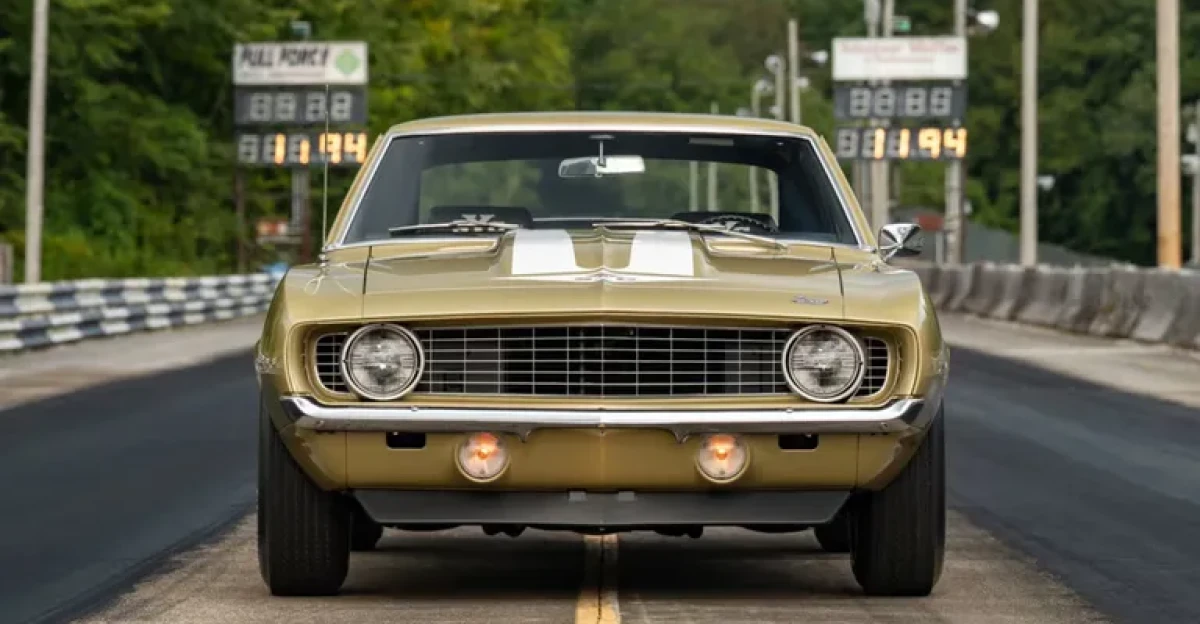
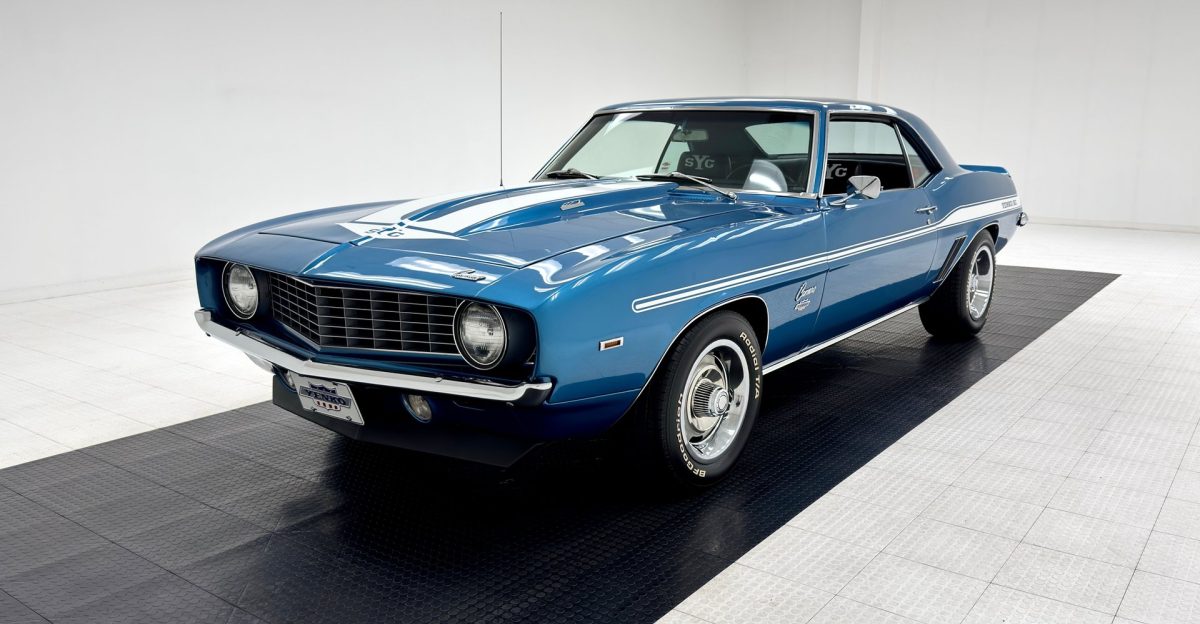
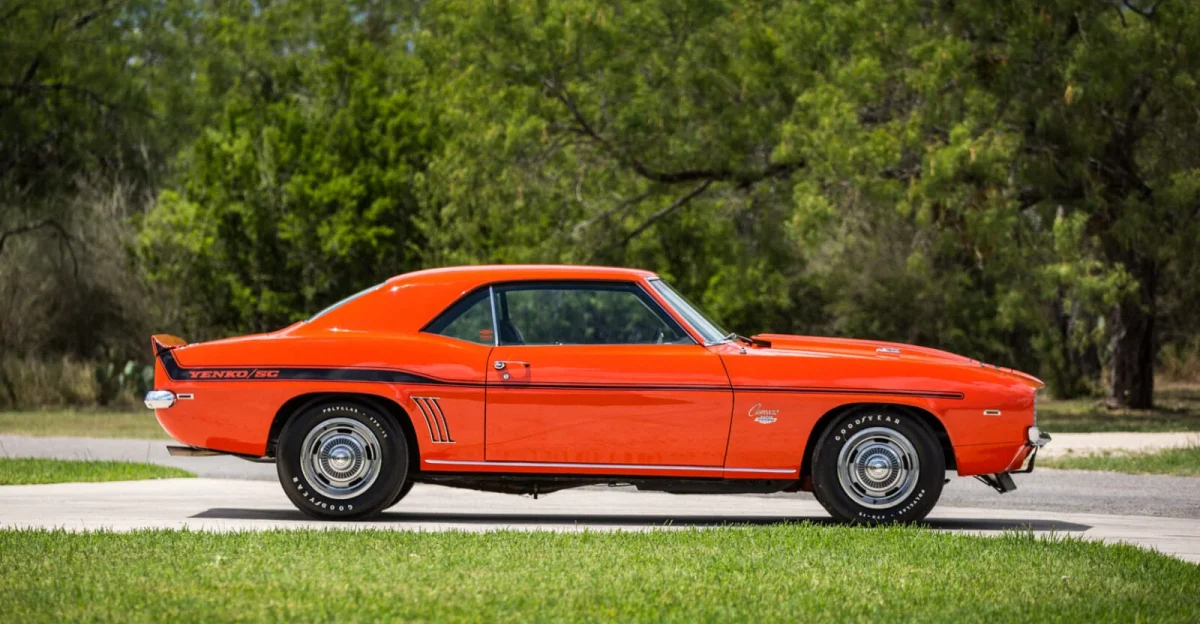
This pilot-test car became the most valuable Camaro ever sold at $1.815 million on January 16 2026. It was the first 1969 Yenko Camaro, owned and crashed by Don Yenko before disappearing for decades. After its rediscovery in the early 1990s, years of verification confirmed its authenticity. Mecum documented its L72 427 producing 425 hp paired with a Muncie M22 4-speed. Jalopnik reported the car “didn’t go home until the winning bidder came up with a whopping $1.815 million.” That record sale highlights how story and documentation combine to drive extreme valuations.
2 — 1969 Yenko Nova
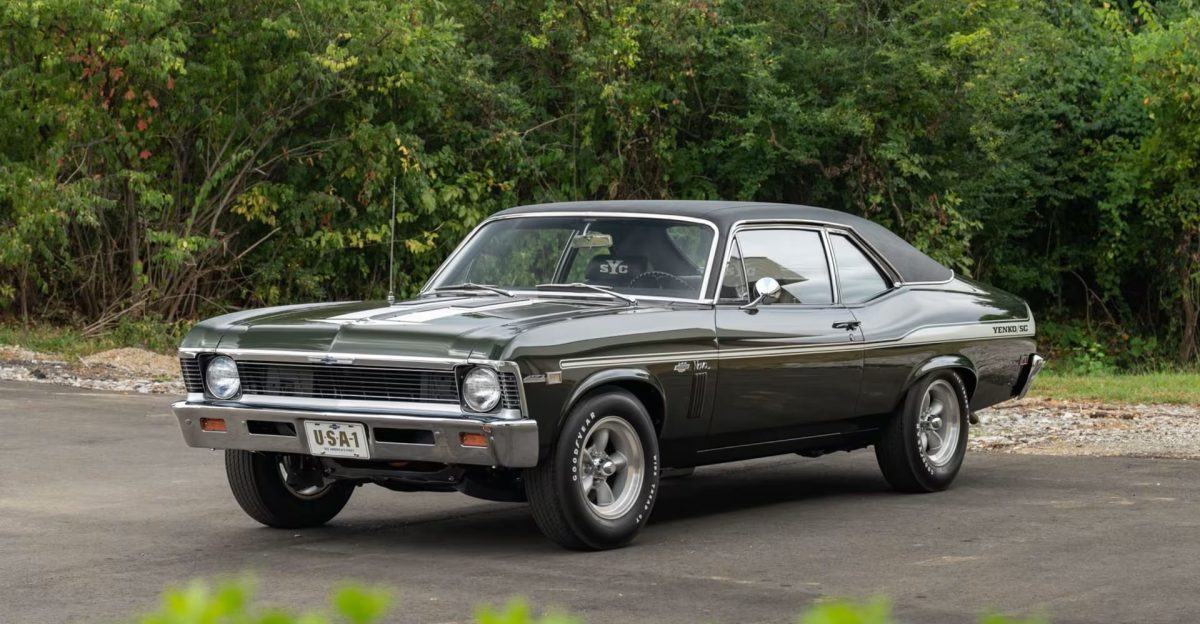
Only 38 examples were built, making this one of the rarest Yenko creations. Each received an L72 427 rated at 450 hp and a Muncie M21 transmission, turning the compact Nova into a low-12-second performer. A verified example sold for $852,500 at Mecum Kissimmee, as reported on January 10 2025. Typical factory Novas from the era often trade below $20,000, creating a massive valuation gap. By March 04 2026, this Nova ranked among the top muscle car sales globally, signaling how rarity and verification elevate even unlikely platforms.
3 — 1969 Yenko Chevelle
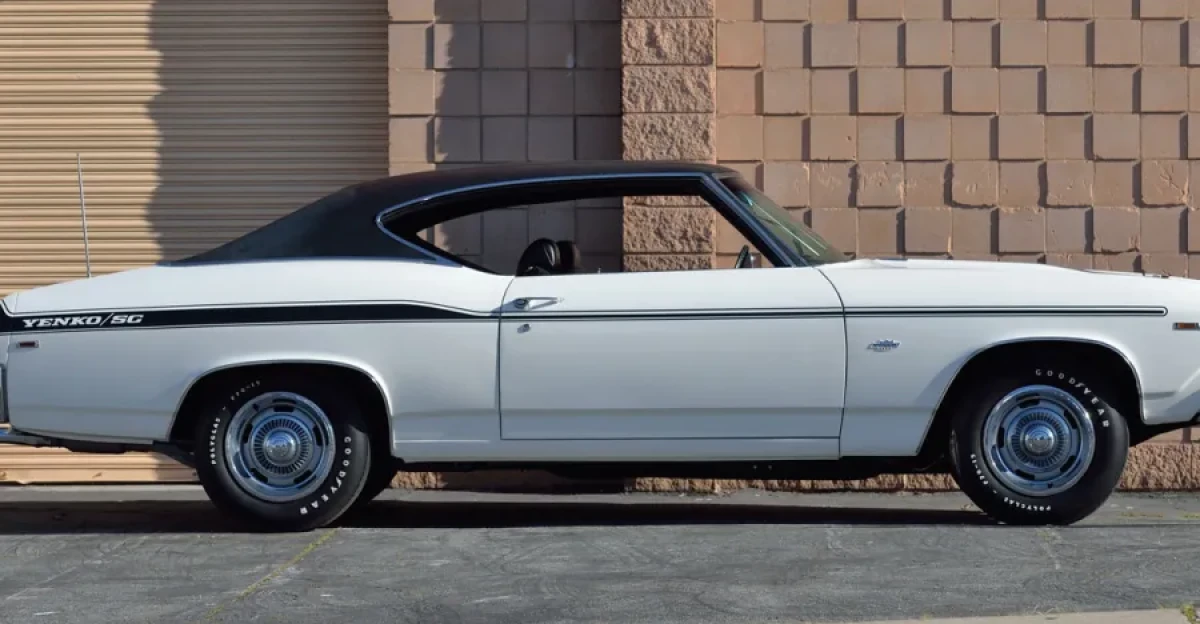
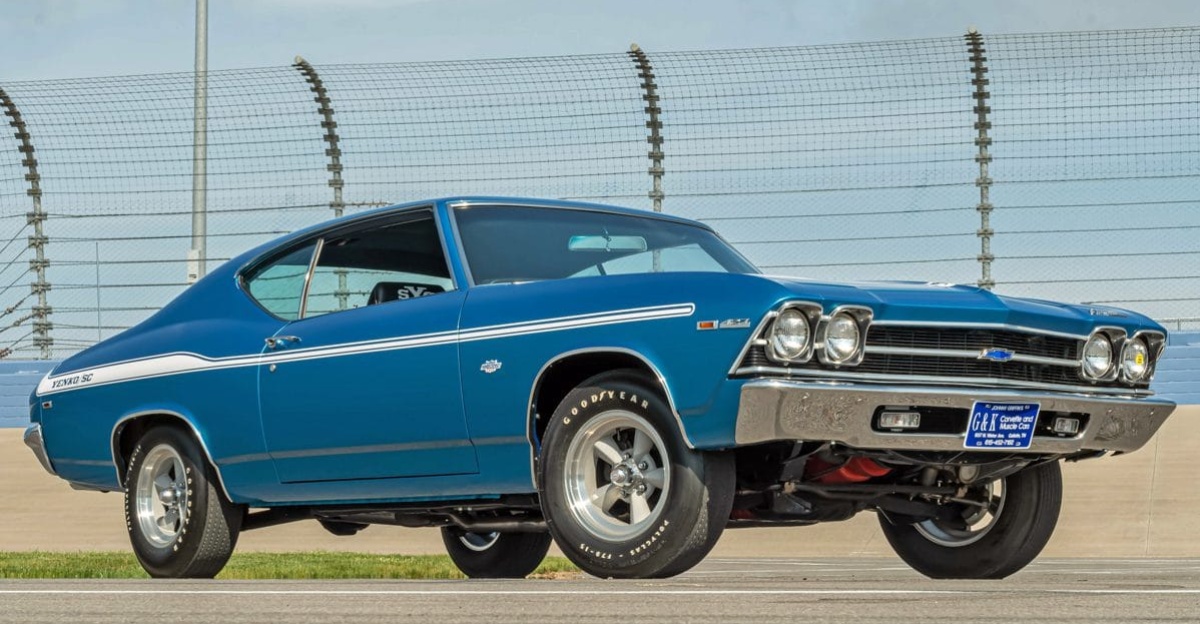
Yenko converted 99 Chevelles in 1969, each building on Chevrolet’s L72 427 platform with added upgrades. Auction results show authentic examples selling between $242,000 and $310,000 across 2021 and 2022 events. Jalopnik noted that tribute versions can exceed $50,000, yet remain far below verified cars. One example tied to Reggie Jackson drew a $310,000 bid that was ultimately refused. That moment captures how owner confidence and documentation influence final outcomes, pointing toward another earlier Yenko model that laid the foundation for this entire market shift.
4 — 1967 Yenko Super Camaro
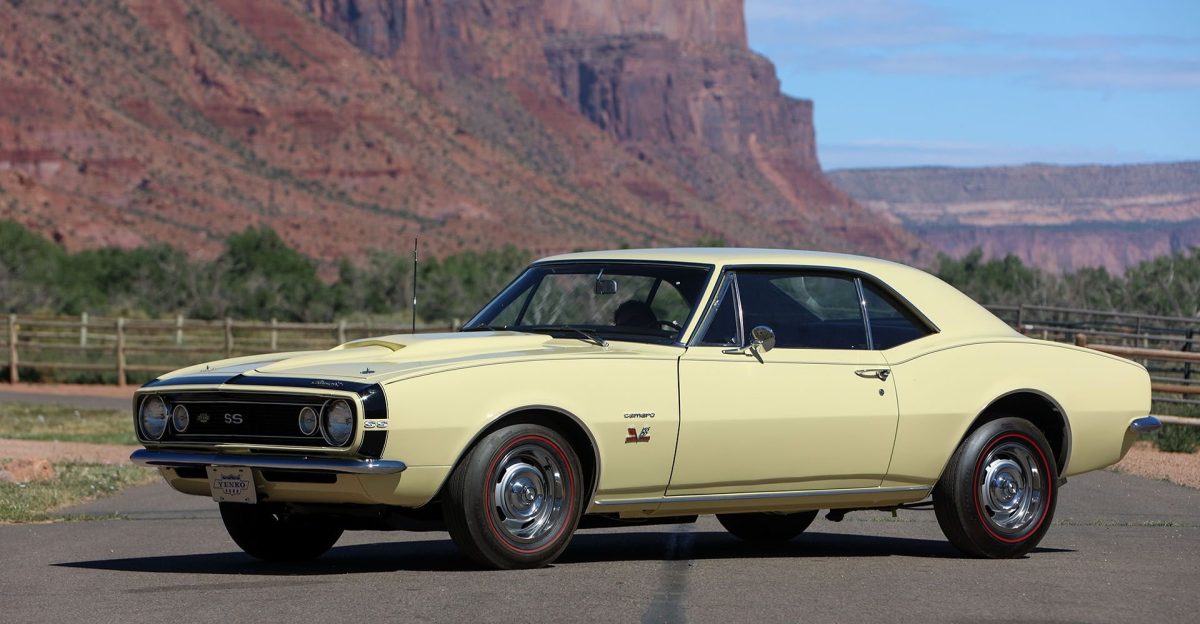
Before factory-backed 427 programs existed, Yenko created the Super Camaro by replacing original engines with a separately sourced 427 producing 425 hp and 460 lb-ft. Only 54 units were built in 1967, making them exceptionally rare. A documented example sold for $632,500 at Barrett-Jackson on January 22 2022. Auction descriptions emphasized “extensive documentation and registry listing” as central to its value. This earlier model proves that even pre-1969 dealer builds command top-tier prices when authenticity is fully verified, raising questions about later outliers.
5 — 1975 Yenko Pontiac Trans Am
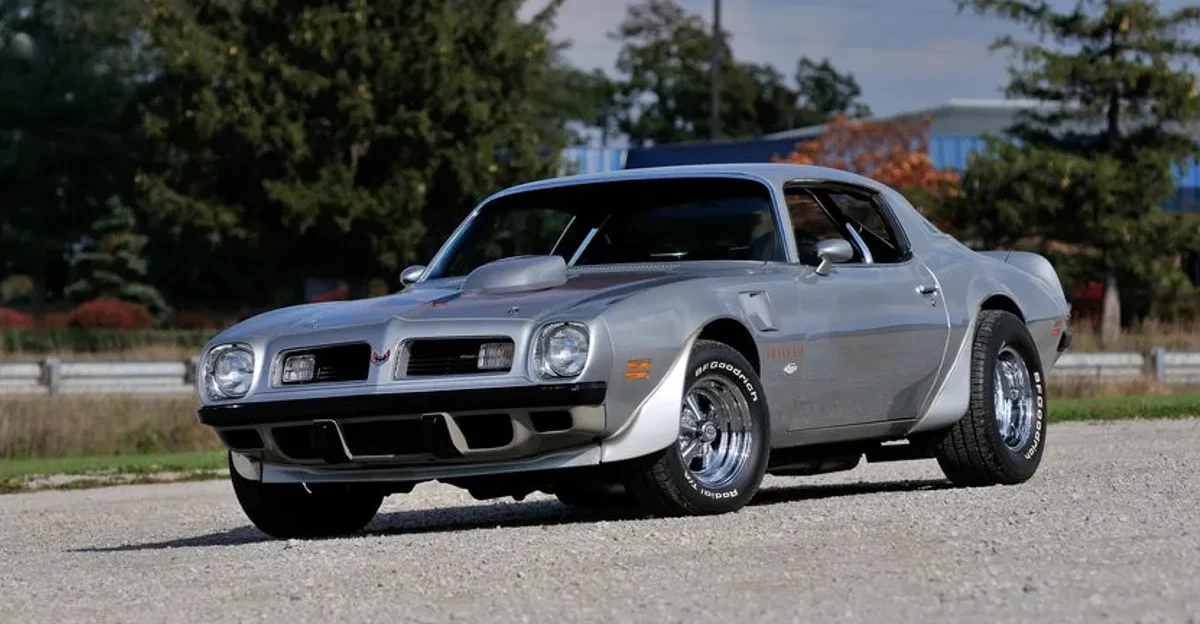
This one-off build extended Yenko’s influence beyond the classic muscle era. The Trans Am received a 427 L88 engine rated at 430 hp officially, with estimates closer to 550 hp. It last sold for $54,000 at Mecum in 2014, equivalent to over $75,000 today. Jalopnik noted the price is “out of date” given current market growth. Although it has not reached six-figure territory, it remains a documented Yenko conversion. Its lower valuation compared with earlier cars reveals how timing, rarity, and demand shape outcomes.
Why Provenance Now Outweighs Factory Muscle
Dealer-built 427 Yenkos from 1969 now compete directly with factory muscle cars at major auctions, sometimes surpassing them entirely. The $1.815 million Camaro sale confirmed that documentation, registry validation, and ownership history can outweigh factory origin. By January 04 2026, auction analysis showed restoration quality and paperwork can add six figures to final prices. Market data from March 04 2026 confirmed dealer-built cars continue gaining ground against traditional icons. Collectors are no longer just buying performance or rarity, they are buying verified history that cannot be replicated.
Sources:
5 Rare And Valuable Yenko Chevys From The Height Of Muscle Car Excess. Jalopnik, January 10 2025
1969 Yenko Camaro Prototype Becomes the Most Valuable Camaro Ever Sold. Classic Industries, January 18 2026
Yenko Camaros Galore at Mecum Kissimmee, and One Rewrites the Record Books. Hagerty Insider, January 04 2026
10 Highest Muscle Car Auction Sales in 2025–2026 & Market Trends. West Coast Shipping, March 04 2026
1969 Yenko Camaro. Hemmings, May 01 2023
The History of the Yenko Camaro. MotorTrend, April 21 2020