49% of Americans Rate Chinese EVs as “Excellent Value” but 145% Tariff Wall Says “No Entry”
Ford’s CEO drives a Chinese electric car most Americans are banned from buying, even as nearly half of US consumers say those same vehicles offer strong value. A Reuters report found 49% of Americans rate Chinese EVs as very good or excellent, yet tariffs exceeding 100% keep them out of reach. Prices at home have climbed past $50,000, pushing about one third of buyers out of the market. While global competitors scale rapidly, US policy has sealed off access, creating a growing gap between what drivers want and what they are allowed to purchase today.
Nearly Half Want Access Now
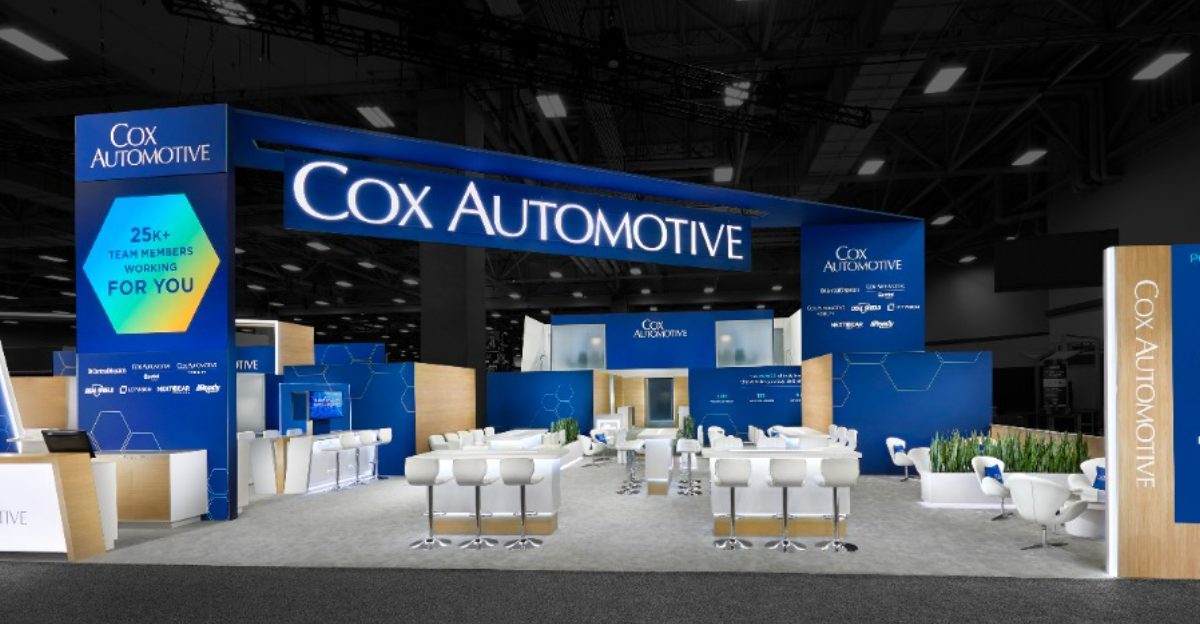
A March 23, 2026 Reuters report highlighted a striking shift in consumer sentiment. Cox Automotive surveyed 802 Americans planning a vehicle purchase within 2 years and found 40% support allowing Chinese automakers into the US market. When asked about value, 49% rated Chinese vehicles as very good or excellent. A February 2026 Harris Poll reinforced this, showing 43% of Republicans and 55% of Democrats would consider buying one. Interest crosses political lines and income levels, pointing to a broad appetite for alternatives, even as those alternatives remain completely out of reach for now.
Showrooms Push Back Hard
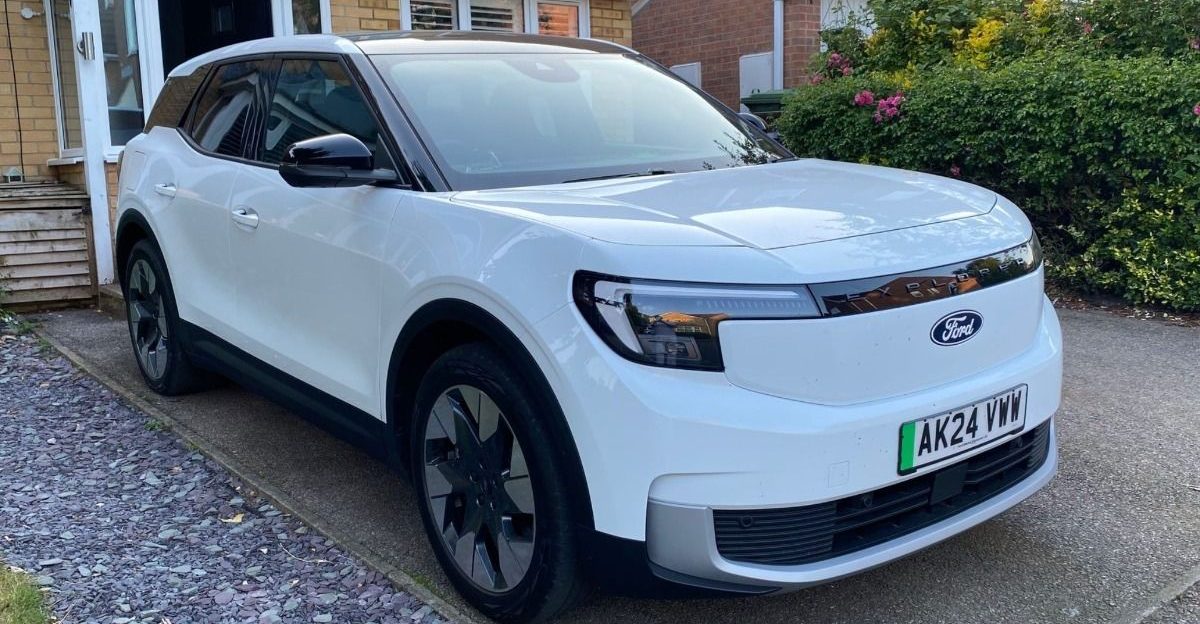
The enthusiasm seen among buyers fades inside dealerships. In the same Cox Automotive study, only 15% of dealers supported Chinese brands entering the US market. Just 25% believed those vehicles would meet US safety standards. That creates a 25 point gap between consumer interest and dealer resistance. Ohio dealer Rhett Ricart told Reuters he has “no doubt customers would snap up Chinese models if they became available.” Yet opposition remains strongest at the retail level, where inventory decisions shape what buyers actually see, raising questions about who truly controls access to choice.
Prices Lock Buyers Out

The debate over access unfolds as prices climb beyond reach for many households. Kelley Blue Book reported average US new car transaction prices reached about $49,000 in 2025 and crossed $50,000 in December. That marks roughly a 33% increase compared to pre pandemic levels. Researchers estimate around one third of Americans are now priced out of the new car market entirely. As incomes fail to keep pace with vehicle costs, the pool of eligible buyers narrows, leaving affordable global options sitting outside US borders and intensifying pressure on an already strained market.
When Affordable Turns Expensive
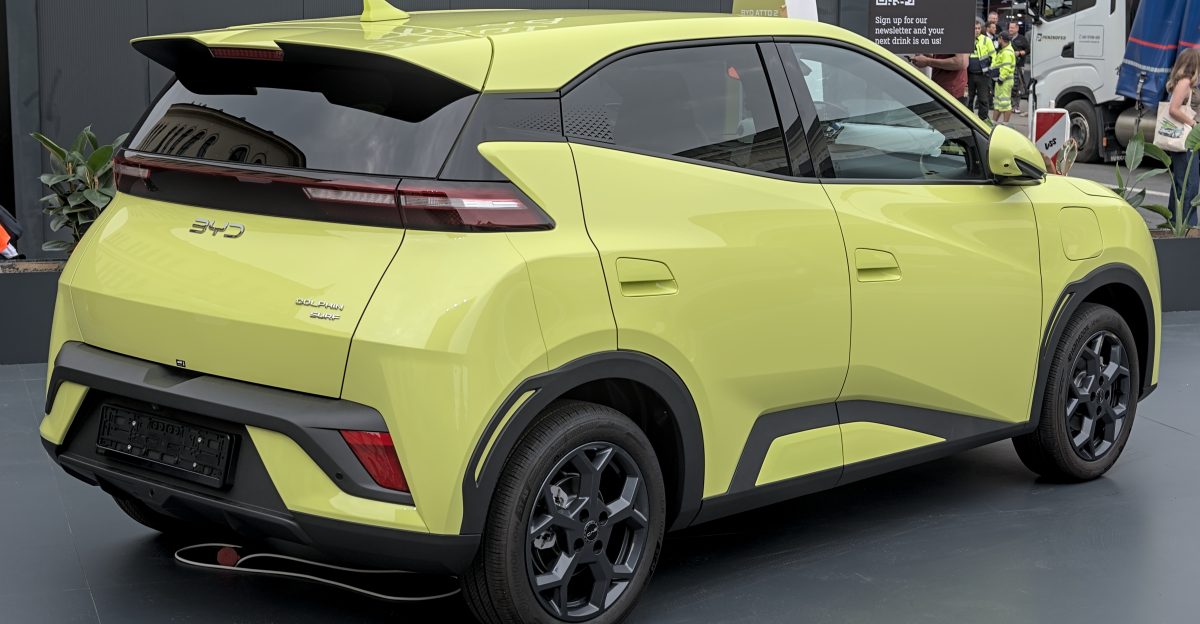
Consider how pricing transforms under US policy. A BYD Dolphin Surf starts at €22,990 in Europe, about $25,000. Once routed through US tariffs, costs rise sharply. A 100% Section 301 duty applies, in addition to the standard 2.5% tariff on passenger vehicles, plus shipping, homologation, and compliance expenses. Trade analysts estimate the effective landed cost could more than double the vehicle’s original price, potentially pushing a $25,000 car toward $55,000 or higher before dealer markup. Policy alone reshapes the economics, turning one of the world’s cheapest EVs into something few American households could realistically consider purchasing.
A CEO’s Daily Reminder
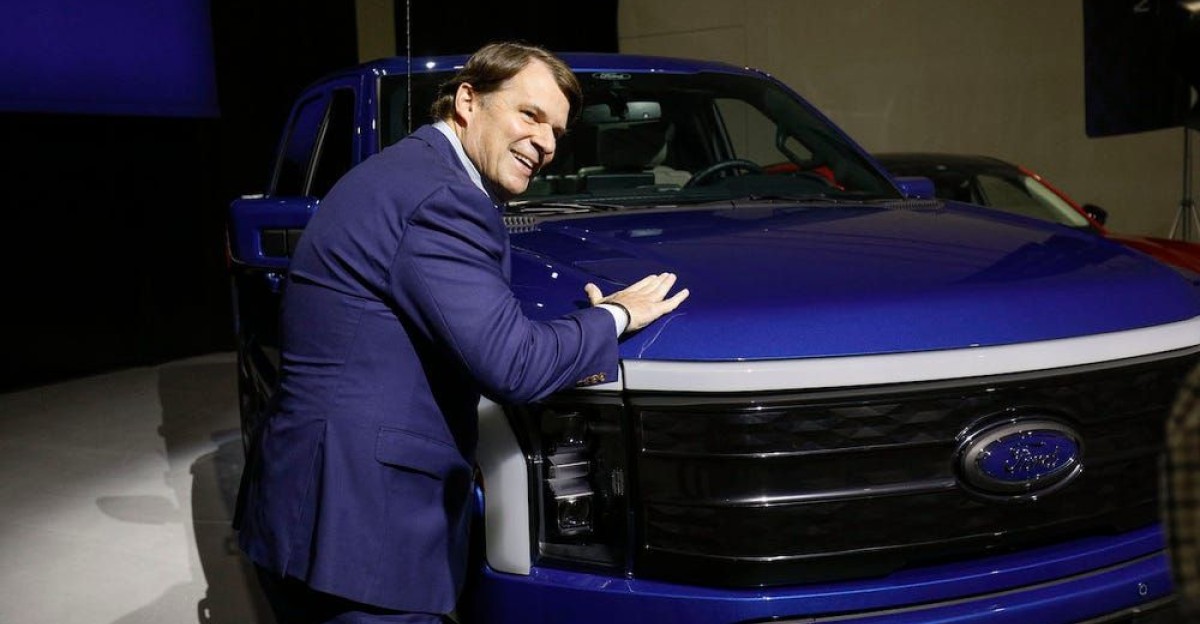
Jim Farley’s personal experience highlights the contrast between policy and product. In October 2024, he revealed on the Everything Electric Show podcast that Ford imported a Xiaomi SU7 from Shanghai to Chicago for internal testing. He drove it for six months and said, “I don’t want to give it up.” By December 2025, he described Xiaomi as “the Apple of China” and compared the driving experience to a Porsche Taycan. Public warnings about competition continue, yet his daily commute reflects direct exposure to the technology shaping the global EV race behind closed doors.
A Decade of Massive Investment
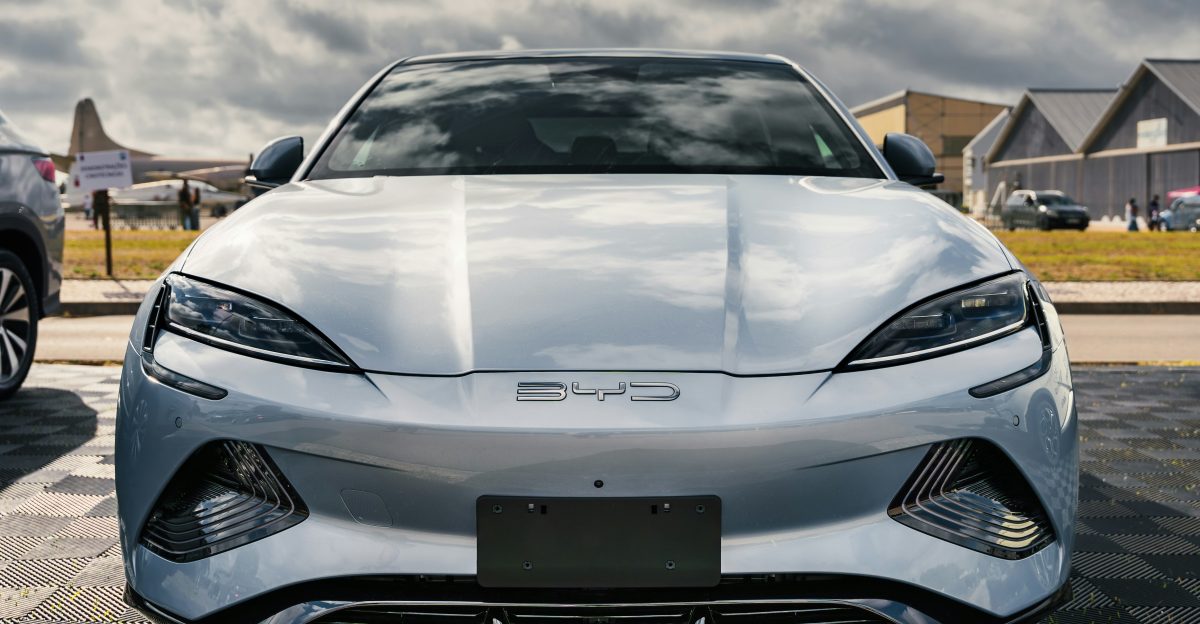
China’s advantage comes from sustained investment rather than short term cost differences. A 2024 Center for Strategic and International Studies report estimated at least $230.9 billion spent supporting the EV sector between 2009 and 2023. This includes subsidies, tax breaks, charging infrastructure, procurement programs, and research funding. Analysts described this as a conservative estimate that excludes some regional incentives. The result is a tightly integrated ecosystem where companies like BYD control batteries, chips, and drive systems internally, allowing faster scaling and lower costs that competitors have struggled to match globally.
Global Markets Already Tested
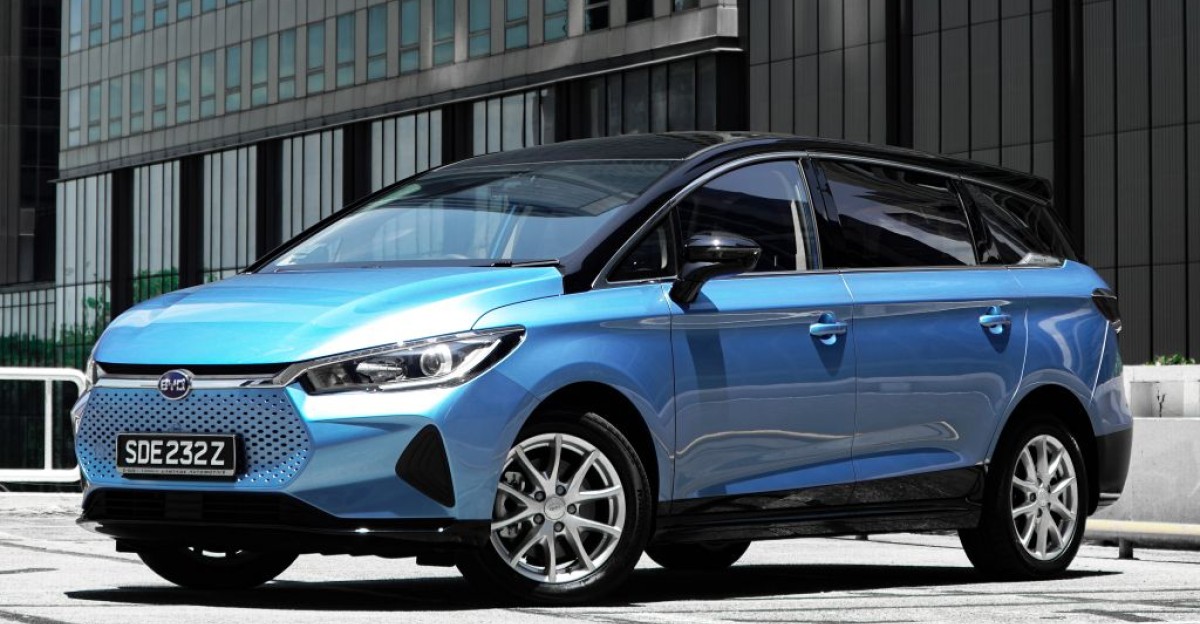
Outside the United States, Chinese EVs are no longer theoretical competitors. BYD sold about 2.25 million battery electric vehicles in 2025, surpassing Tesla as the world’s largest EV seller, according to CarbonCredits.com in January 2026. Exports rose sharply, roughly doubling year over year to nearly 1.05 million units, with significant penetration across Europe and Latin America. Mexico saw imports surge 2,367% year over year in November 2025. Across continents, drivers are gaining firsthand experience with these vehicles, leaving one major market isolated from a rapidly evolving global shift.
Canada Opens a Narrow Door
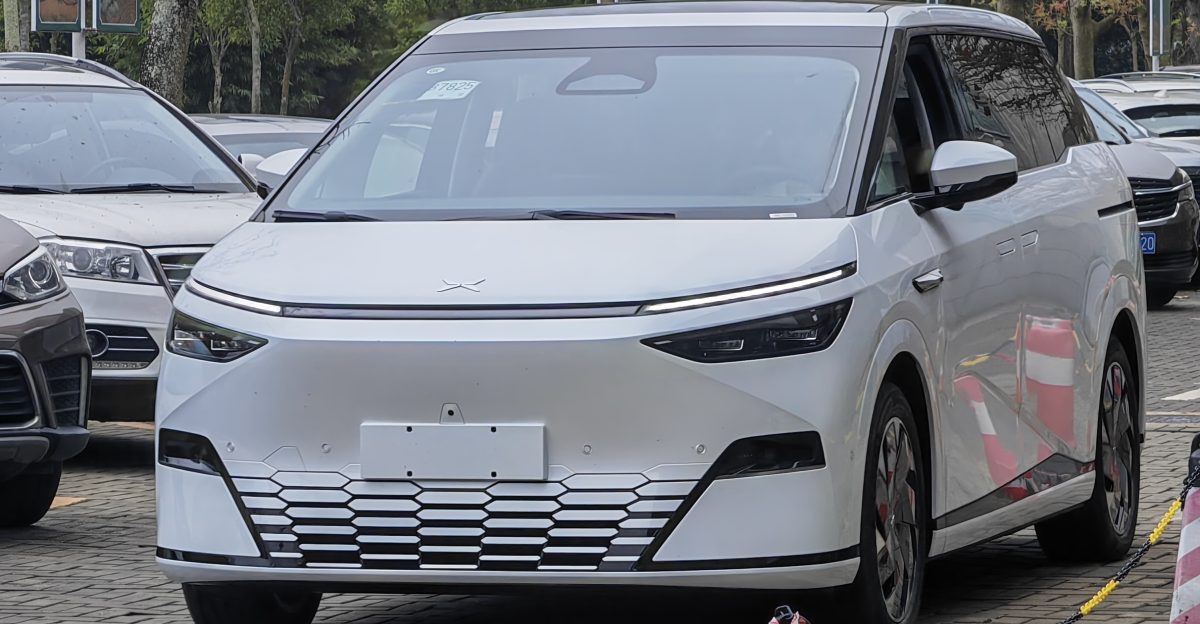
Canada has taken a different path from the United States on Chinese automotive imports. While Canada initially imposed a 100% surtax on Chinese-made EVs in late 2024, Ottawa faces pressure from automakers and consumers to reconsider access to affordable vehicles. Industry observers note that any future policy shift would likely involve measured quotas, price caps, and requirements for local partnerships rather than open market access. Such controlled experiments would contrast sharply with the current US approach, though no formal agreement has been finalized as of early 2026.
A Wall Starting to Crack
Legal and market pressures are beginning to test the US approach. Trade litigation over Section 301 tariffs and related authorities continues to work through federal courts, though timelines remain uncertain. Meanwhile, Chinese automakers are expanding production and distribution networks in Mexico and Canada that could eventually supply North America indirectly. Consumers like Baltimore resident Sooren Moosavy, who told Reuters he would “love the opportunity” to test drive one, represent growing demand. The tariff wall has delayed competition, but the forces building around it suggest that delay may not last.
Sources:
40% Of U.S. Consumers Want Chinese EVs. The Government Won’t Let Them Have Any. EVXL, March 23 2026
Canada, China slash EV, canola tariffs in reset of ties. Reuters, January 15 2026
Ford CEO Jim Farley Praises His Xiaomi SU7, Says ‘I Don’t Want To Give It Up.’ Road and Track, October 23 2024
Ford CEO praises Xiaomi SU7’s experience: It’s the Apple of China. CarNewsChina, December 3 2025
The Chinese EV Dilemma: Subsidized Yet Striking. CSIS, June 19 2024
BYD Overtakes Tesla as World’s Biggest EV Seller in 2025. CarbonCredits.com, January 6 2026
BYD Sees Sales Outside China Jumping 24% in 2026 to 1.3 Million Vehicles. Eletric-Vehicles.com, January 25 2026