46,712 Dead At America’s Intersections In 5 Years—One State Floods Every Crossroad With Officers
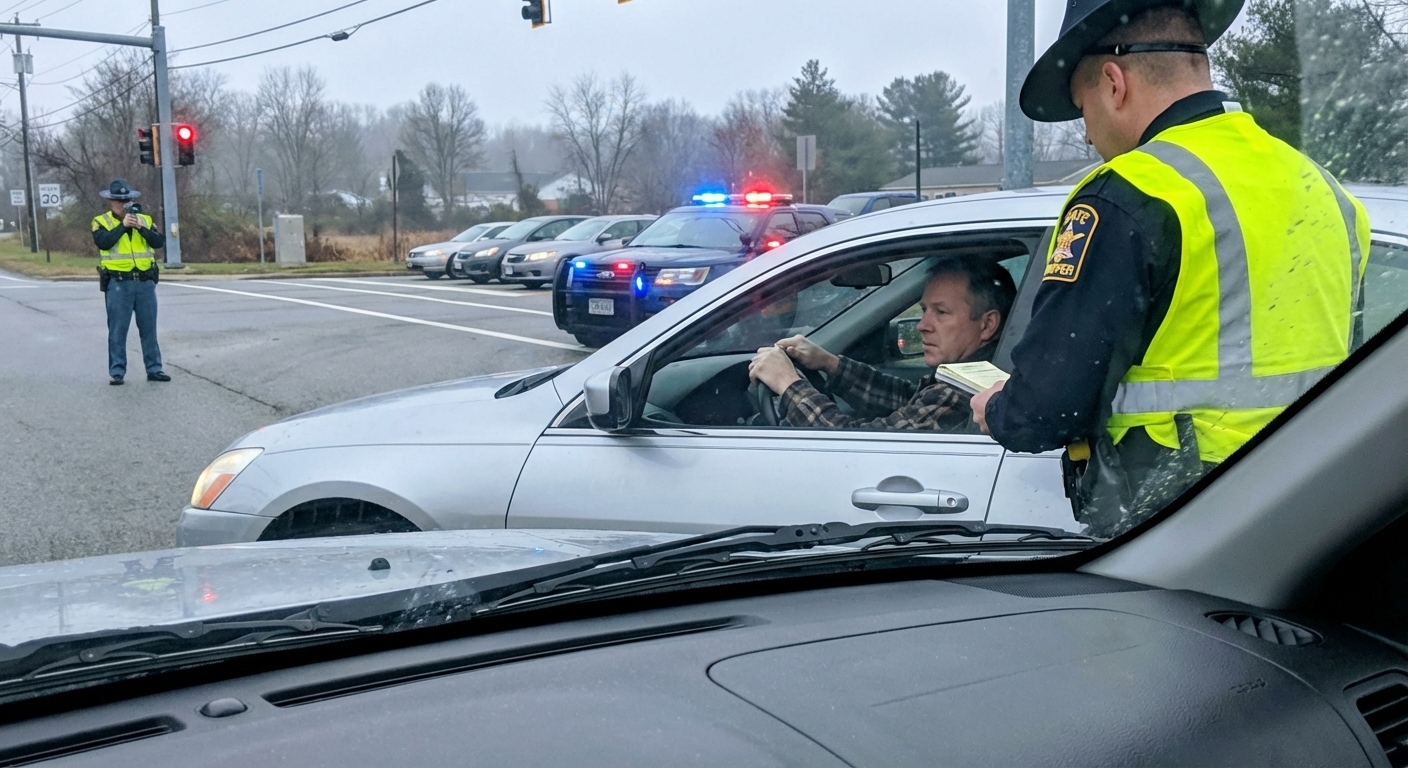
Between 2019 and 2023, 46,712 fatal crashes occurred at American intersections. That number sits there like a scar nobody looks at. West Virginia looked. Starting April 1, 2026, the state launched “Target Red,” a 15-day statewide enforcement blitz deploying officers to intersections across all 55 counties. The mission: crack down on red-light runners and rolling stops. One state decided the national body count was personal. The 148 fatal intersection crashes West Virginia recorded in that same five-year window made the math local. The national crisis just got a statewide response.
Why Intersections Keep Killing
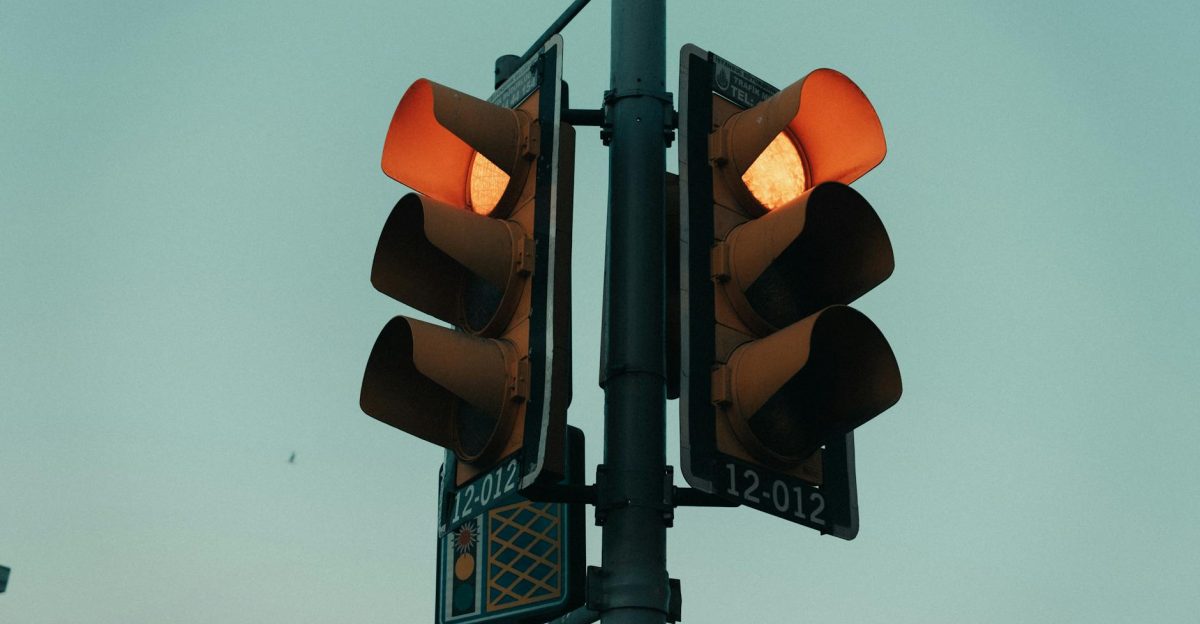
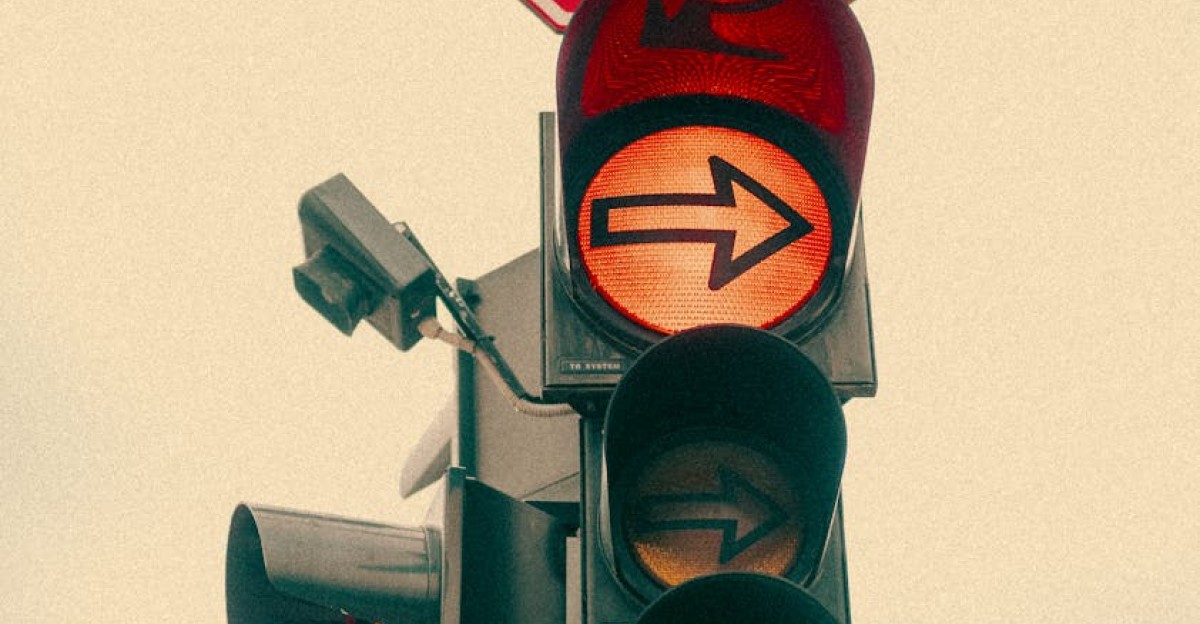
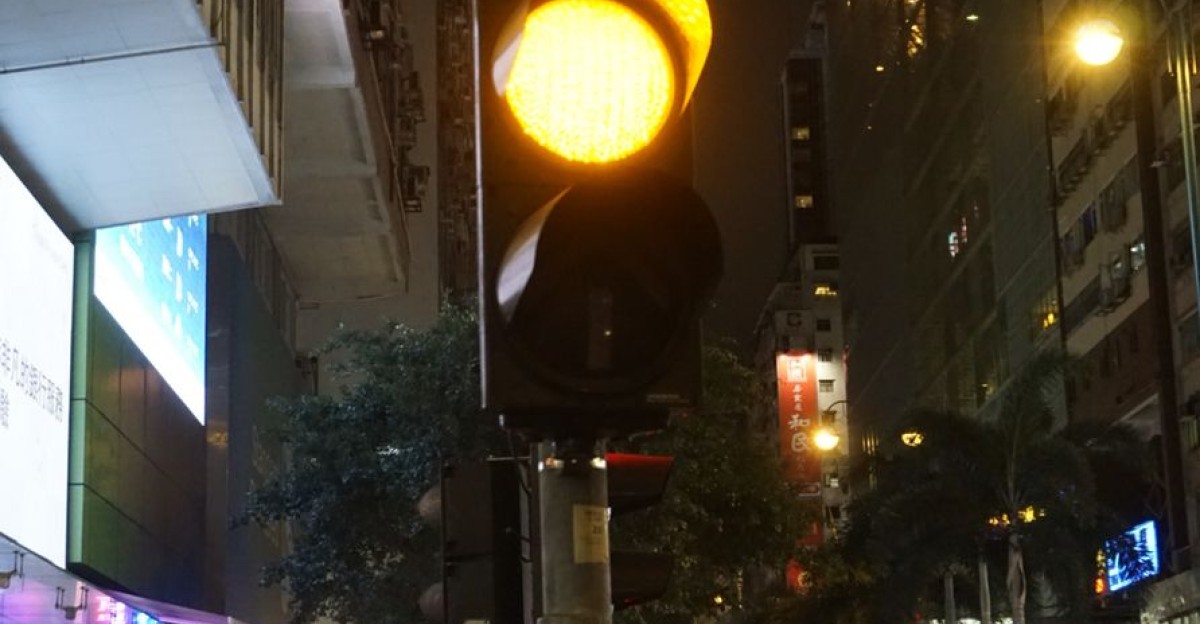
The cause is almost embarrassingly simple. Drivers treat yellow lights as accelerators and stop signs as suggestions. Jack McNeely, Director of the Governor’s Highway Safety Program, put it plainly: “Yellow traffic lights caution motorists that the red light is about to appear and does not mean to ‘go fast.'” Nationally, 1,109 people died in red-light-running crashes in 2021 alone. Education campaigns, better signage, public awareness spots: none of them moved the needle enough. The behavior persists because the perceived risk of getting caught stayed low. West Virginia is changing the math on that perception.
Your Grocery Run Just Got Riskier
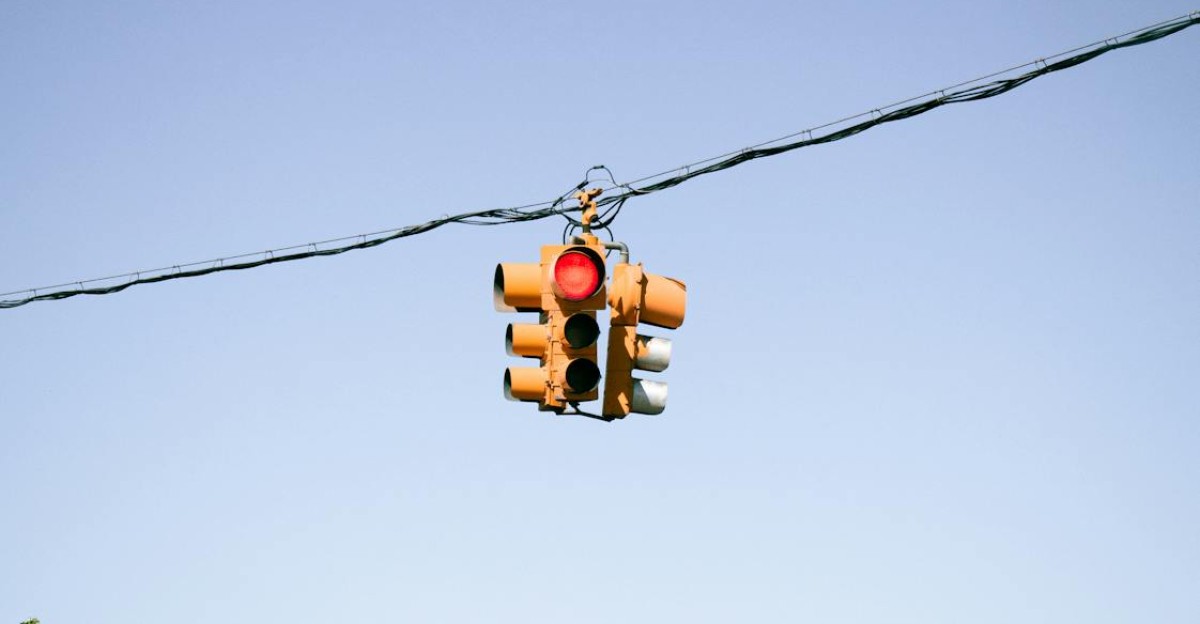
One in three Americans knows someone injured or killed in a red-light-running crash. That statistic reframes every left turn, every four-way stop, every yellow light on the way to work. In 2023, 7,314 pedestrians died in traffic crashes nationally. Intersections concentrate the danger because they concentrate the conflict: cars crossing paths with cars, pedestrians, cyclists. The people absorbing this risk are running errands, walking kids to school, commuting. The Target Red campaign puts officers where the collisions cluster. The grocery store parking lot exit just became an enforcement zone.
The Billion-Dollar Wreckage Nobody Budgeted
California calculated the cost. Between 2021 and 2023, red-light and intersection violations resulting in fatalities cost the state an estimated $6.96 billion, averaging $2.32 billion per year. Severe-injury crashes added another $985 million. Those numbers cover medical bills, lost productivity, emergency response, legal proceedings. Every state absorbs a version of this toll. Insurance premiums, hospital budgets, municipal spending: all quietly shaped by intersection crashes that most people dismiss as routine fender-benders. West Virginia’s enforcement push is a public safety play, but the economic math behind it runs into the billions nationally.
Cameras Versus Cops: The Federal Split
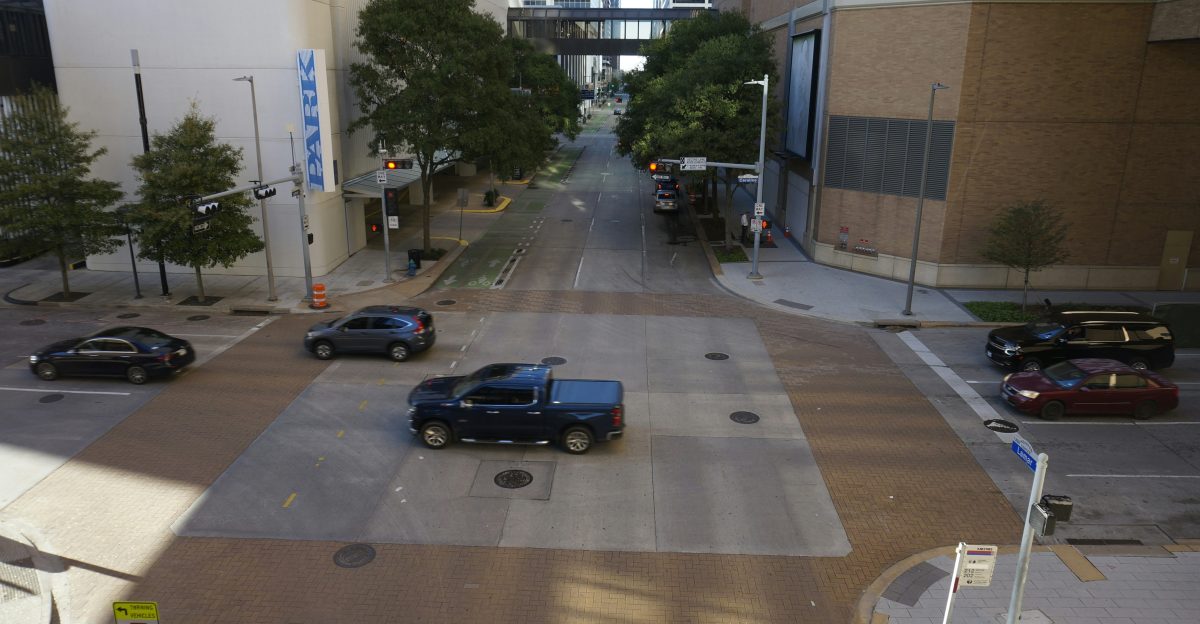
Here is where the story jumps the lane divider. While West Virginia deploys human officers, the federal government just pulled back from automated enforcement. A DOT spokesman declared: “This Administration will not allow critical safety dollars to subsidize the purchase of speed cameras so governments can pursue unfair revenue schemes.” Honolulu sent over 500,000 speeding warnings after activating cameras. Tempe, Arizona activated intersection cameras in early 2026. The technology works. But federal policy now treats it as a revenue trap, not a safety tool. West Virginia chose officers precisely because cameras became politically radioactive.
The Hidden Machine Behind the Cascade
Every one of these ripples traces back to a single structural failure: perceived enforcement density. When drivers believe enforcement is rare, violations climb. When violations climb, crashes spike. When crashes spike, costs explode. When costs explode, budgets strain. When budgets strain, enforcement gets cut. The cycle feeds itself. National intersection fatalities. State-level crash tolls. Billion-dollar medical bills. Federal policy fights over cameras. All connected by one variable: whether a driver believes anyone is watching at the next light. West Virginia’s 2008 Beckley pilot proved that breaking this cycle works. Sixty percent reduction. Visible officers changed behavior.
The Voice From the Intersection

McNeely did not mince words: “Stop signs are NOT yield signs—no matter if there is traffic or not, you must always stop at stop signs.” That sentence carries the weight of 148 West Virginia families who buried someone after an intersection crash. The enforcement campaign mobilizes law enforcement agencies across the state during a defined 15-day window, targeting both signaled intersections and rural stop signs. Urban and rural. Highway exits and neighborhood corners. The deployment reaches every type of intersection because the data shows every type of intersection kills. That is not a talking point. That is a body count.
Sixteen States Already Changed the Rules
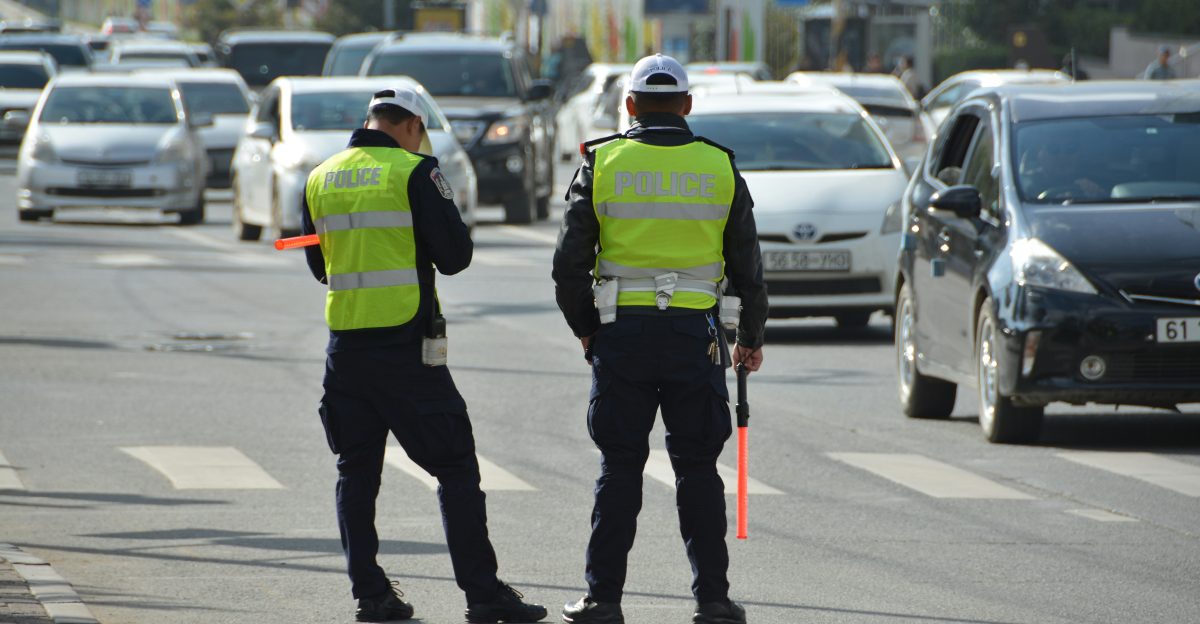
As of July 2025, 32 jurisdictions across 16 states limited or eliminated non-safety-related traffic stops. Cities like Austin, Madison, and Hoboken restructured enforcement to focus exclusively on dangerous driving behaviors. The precedent is structural: intersection enforcement is becoming the centerpiece of traffic safety policy while routine stops for equipment violations or expired tags fade. West Virginia’s Target Red campaign fits this national shift. The rules of traffic policing are being rewritten around crash data, not officer discretion. That is a permanent change in how American roads get policed.
Who Wins, Who Pays, What to Watch
Winners: states that adopt high-visibility enforcement models and can point to crash reductions when federal safety dollars get allocated. Losers: drivers who treat yellow lights as green and stop signs as decorations. The 36,640 estimated U.S. traffic fatalities in 2025 guarantee that enforcement funding remains a political priority. Distracted driving killed 3,275 people in 2023. Alcohol-impaired crashes killed 13,524 in 2022. Intersection crashes sit alongside these categories as a leading killer, and the states that prove they can reduce them will attract resources. The ones that wait will absorb the costs.
The Cascade Is Just Starting
The Beckley pilot proved the model in 2008. West Virginia scaled it statewide in 2026. If the Target Red numbers show a reduction anywhere near that 60%, every governor’s highway safety office in America will have a blueprint on their desk. New Orleans already ran a similar enforcement week in March 2026. Richmond RCMP issued 726 traffic violation tickets in a single October. The dominoes are lining up. The question is no longer whether visible enforcement works at intersections. The question is which state copies West Virginia next, and whether your state waits until the next 46,712 crashes to act.
Sources:
National Highway Traffic Safety Administration. “Summary of Motor Vehicle Traffic Crashes: 2023 Data.” U.S. Department of Transportation, 2025.
National Highway Traffic Safety Administration. “Traffic Safety Facts: Rural/Urban Traffic Fatalities, 2023 Data.” U.S. Department of Transportation, 2025.
National Highway Traffic Safety Administration. “NHTSA Estimates 39,345 Traffic Fatalities in 2024.” U.S. Department of Transportation, April 8, 2025.
West Virginia Governor’s Highway Safety Program. “STOP on Red: Target Red High-Visibility Enforcement Mobilization.” West Virginia Department of Transportation, April 1, 2026.
“New GHSP Initiative Will Target Intersections and Stop Signs.” WV News/Yahoo News, March 31, 2026.
Hawaii Department of Transportation. “Safety Cameras to Begin Sending Warnings for Speed March 1.” HDOT, Feb. 27, 2025.