$45K Toyota Truck Engine Shreds Itself At 69,000 Miles—Owners Hit With $5K Repair Bill And No Warranty
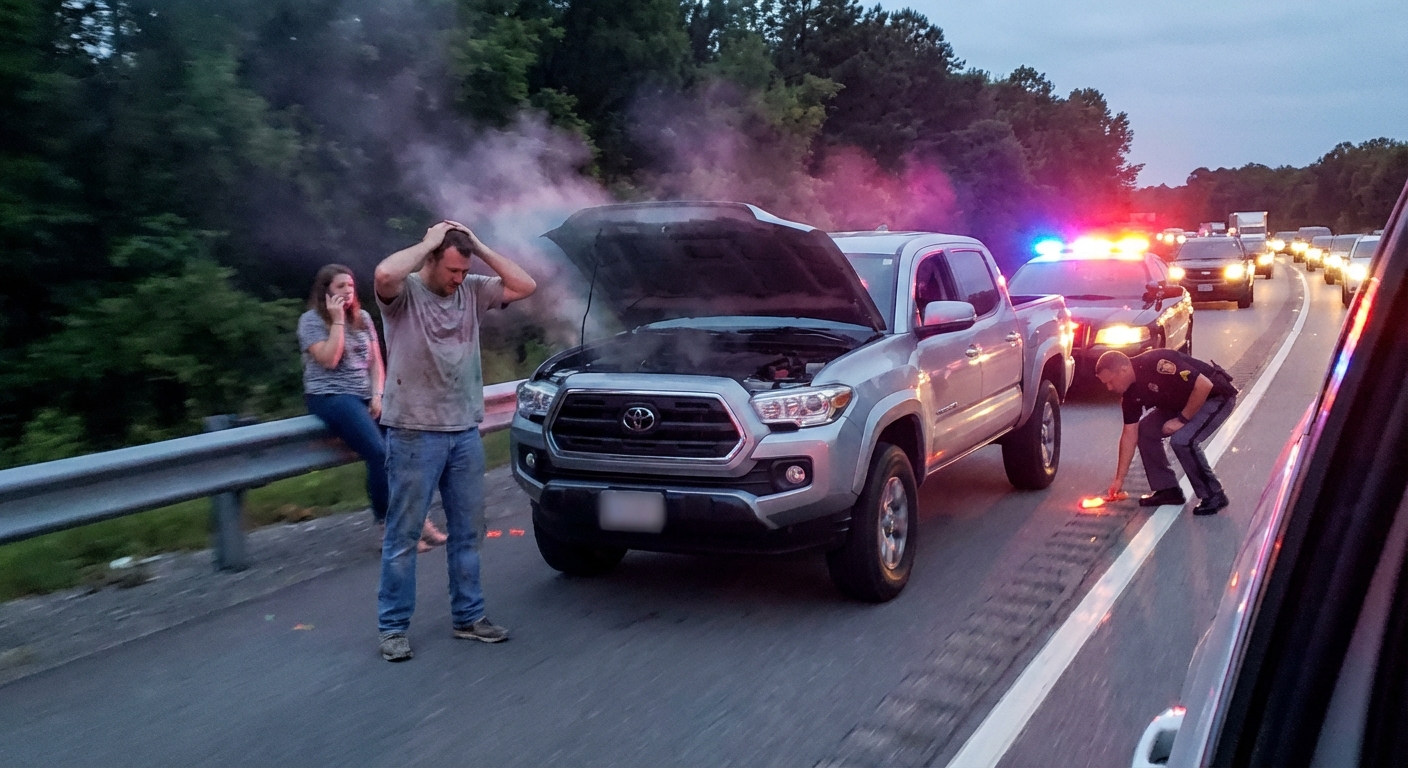
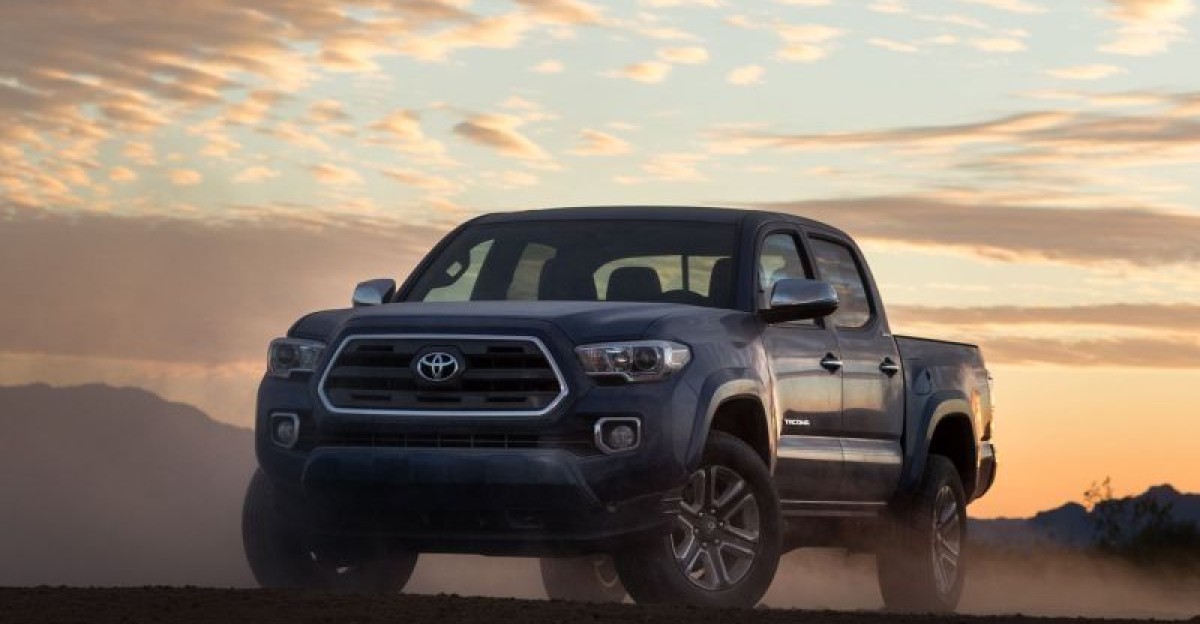
A 2016 Toyota Tacoma V6 starts making a sound no truck owner wants to hear: a deep, rhythmic knock from somewhere inside the 3.5‑liter engine block. The odometer reads 69,000 miles. For a truck that can cost owners north of $40,000 when well equipped, one built on Toyota’s reputation for durability, that knock carries a specific kind of dread. The oil had been disappearing for months. It hasn’t been leaking; it’s been burning. A full teardown later showed catastrophic piston and cylinder wall damage that left the engine beyond repair.
Brand Promise
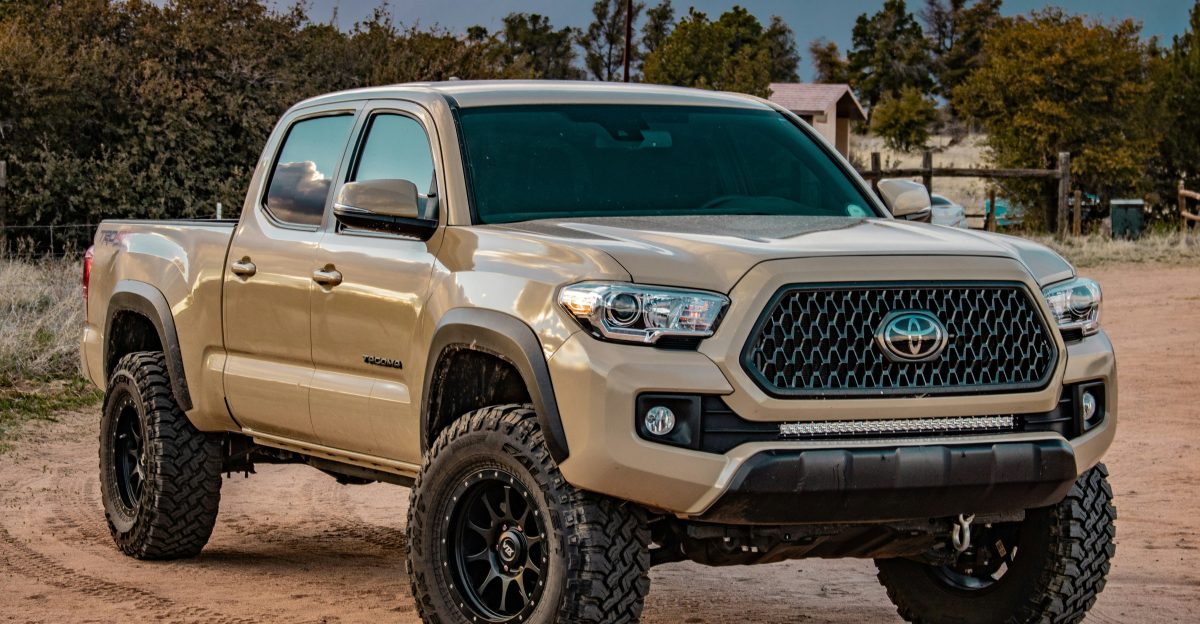
Toyota Tacoma owners pay a premium, in part, because they expect the truck to outlast the loan. The 2GR‑FKS V6 carries a 278‑horsepower rating and, with proper maintenance, many engines in the 2GR family run well past 200,000 miles, with some reaching 250,000–300,000+ miles. That durability promise is baked into every dollar of Tacoma resale value, every TRD badge, every dealer pitch. So when a well‑maintained engine starts consuming oil and knocking before 70,000 miles, the failure isn’t just mechanical. It’s a perceived break in the trust between buyer and brand.
The Pattern
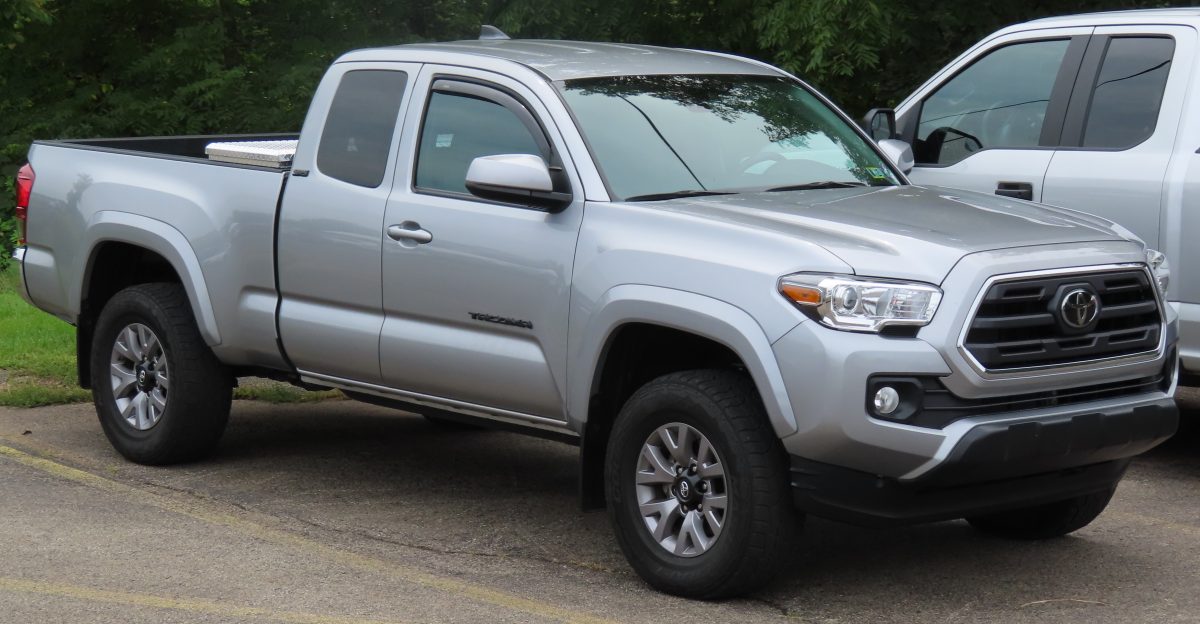
One truck could just be bad luck, but owner forums and comments lit up with similar reports: some 2016–2017 Tacoma V6 engines burning oil, knocking, and in a subset of cases failing well before 100,000 miles. In the featured teardown, damage was concentrated in the middle cylinders, while the adjacent cylinders appeared far less affected. That consistency in the teardown video suggests something more than random failure in that engine, even if the overall failure rate across all Tacomas remains low and Toyota still considers the 2GR‑FKS generally reliable.
The Teardown
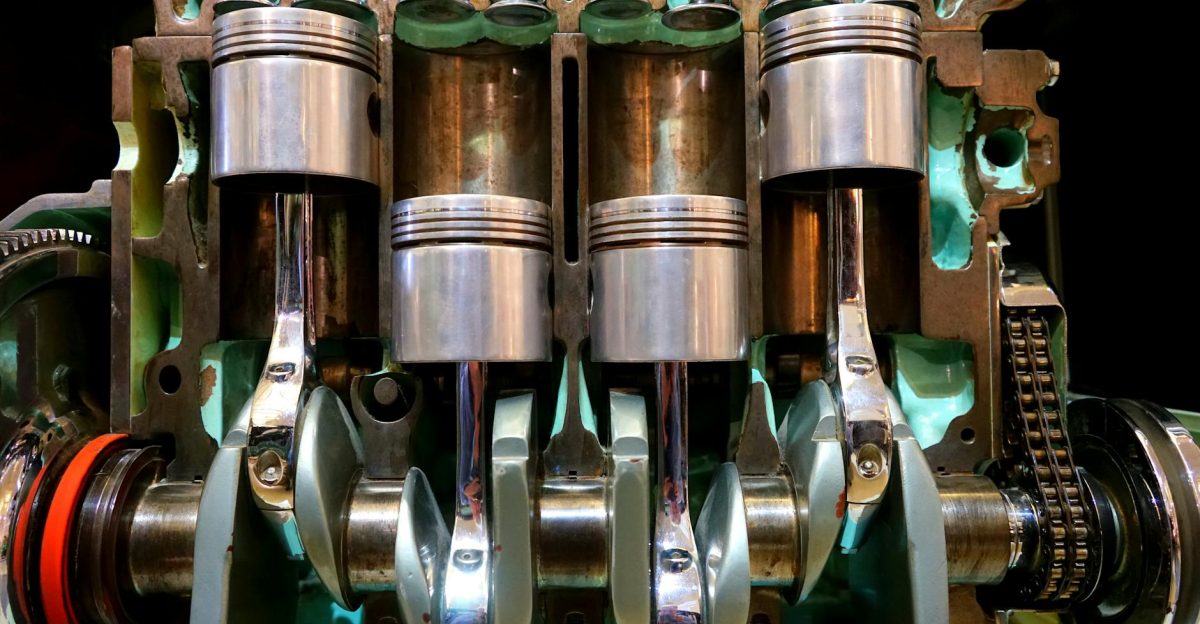
In the documented teardown, pistons from the middle cylinders showed severe scoring and physical damage. Piston material was missing, embedded, and destroyed inside the cylinder walls. The engine didn’t wear out gradually; it suffered catastrophic internal damage, making replacement more practical than repair. The expected lifespan for a well‑maintained 2GR‑series engine is often cited around 200,000 miles or more; this one failed at 69,000. And in this case, by the time the owner sought help, the factory powertrain warranty window had already closed.
The Excuse
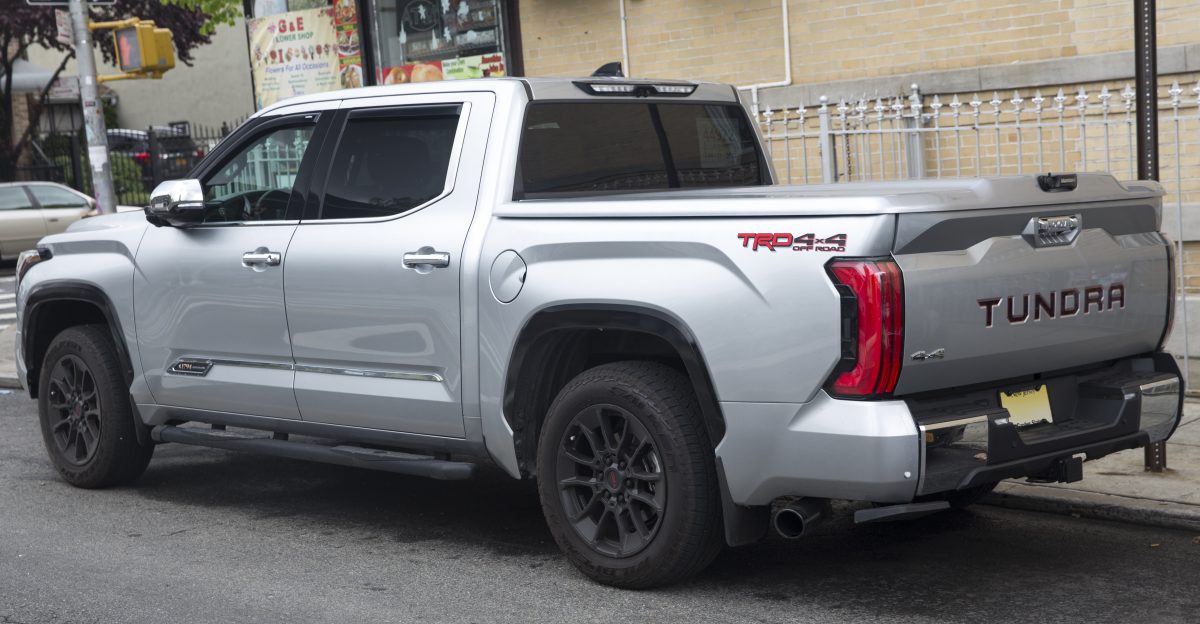
Toyota’s official explanation for a separate but related set of V6 failures in the Tundra’s V35A twin‑turbo engine centered on machining debris left in the engine that allegedly damaged the main bearings. Engine teardown specialist Eric Berg, analyzing a recalled V35A engine, put it bluntly: “I think it’s total BS. Because if it was debris that caused this engine failure, how does it know to target just the main bearings and not the rod bearings?” The same logic is being raised by some independent mechanics and enthusiasts when they look at selective damage patterns in Toyota’s newer V6 engines. If contamination in the oil were the sole culprit, you’d expect damage to be more widespread, not concentrated in specific locations.
The Bill

With warranty coverage expired by mileage or time, the math crushes owners in these outlier cases. Engine replacement typically runs around $3,000 to $5,000 out of pocket, depending on parts and labor. No recall has been issued for the 2016–2017 Tacoma 2GR‑FKS engines, and no broad goodwill program has been publicly announced for this specific failure mode. The bill lands entirely on the buyer who trusted Toyota’s name. Meanwhile, reliability guides note that early 2GR‑series engines had piston ring‑related oil consumption issues, and the D4‑S direct‑injection system can be prone to carbon buildup that sometimes requires walnut blasting over long‑term use. Owners paid premium prices for an engine that, in a small but real number of cases, demanded extra attention and still failed early.
Silent Fix
Enthusiast discussions and some mechanics suggest that the failure pattern seen on early 2016–2017 Tacomas appears far less common on later model years, particularly from 2018 onward. That timing has led to speculation that Toyota quietly revised components or tolerances mid‑generation, though the company has not publicly documented a design‑defect fix specific to these failures. Think of it like a pharmaceutical company quietly changing a drug formula because it caused problems, then never telling patients already on the old version. Used Tacoma values for early V6 models could face downward pressure as word spreads among informed buyers, even if the overall number of failures remains a minority of trucks on the road.
Old Playbook
Hyundai used a similar “debris” explanation early in its Theta II engine catastrophe before broader recalls and settlements followed. Toyota’s own history includes a class‑action settlement over first‑generation Sienna V6 engines that suffered oil sludge largely traced to design and maintenance‑interval issues rather than sheer owner negligence. GM recalled hundreds of thousands of vehicles for crankshaft and connecting‑rod failures, and Honda recalled about 250,000 vehicles for crankshaft machining errors, both tied to engine‑internal defects. When engines fail in large enough numbers, manufacturers eventually recall them. For now, owners of 2016–2017 Tacoma V6 trucks with this particular failure mode have received no such action.
The Window
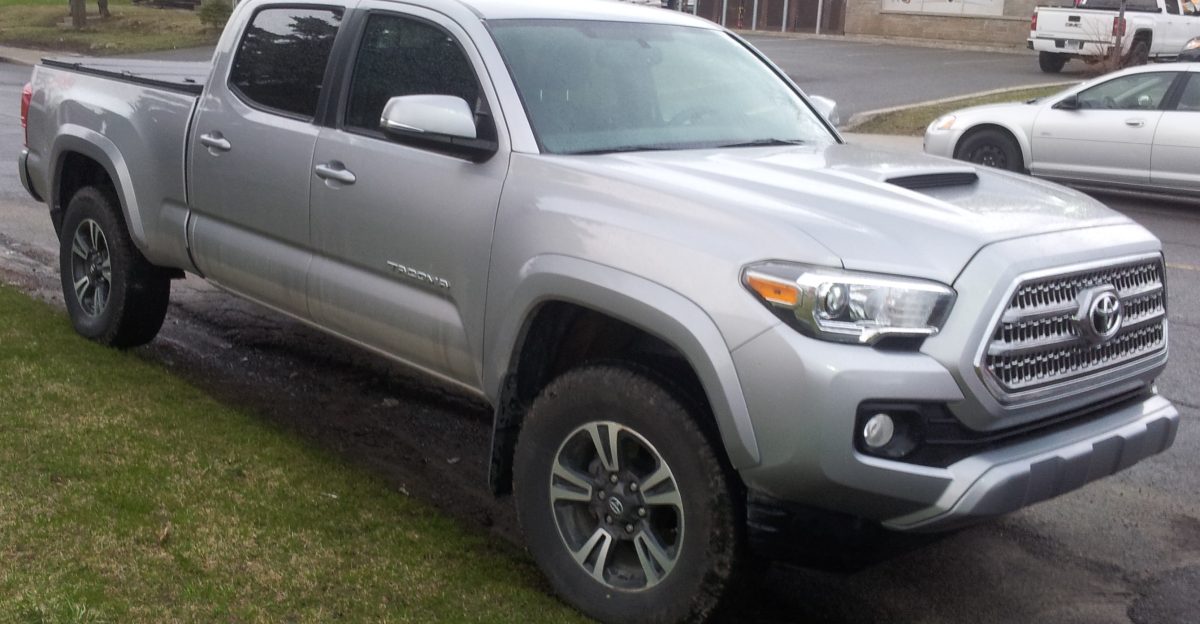
Every 2016–2017 Tacoma V6 still on the road with 60,000 to 100,000 miles sits in the same general age and mileage band as the failed engine in the teardown video, even if most will never experience such a dramatic failure. Owners who haven’t heard the knock yet may never hear it, but some worry they might. Forum discussions increasingly mention the idea of class‑action lawsuits, and enough NHTSA complaints could eventually trigger a federal investigation, as has happened with other brands. Community estimates of how many trucks could be affected, and what a recall might cost Toyota, remain speculative rather than backed by official data.
The Verdict
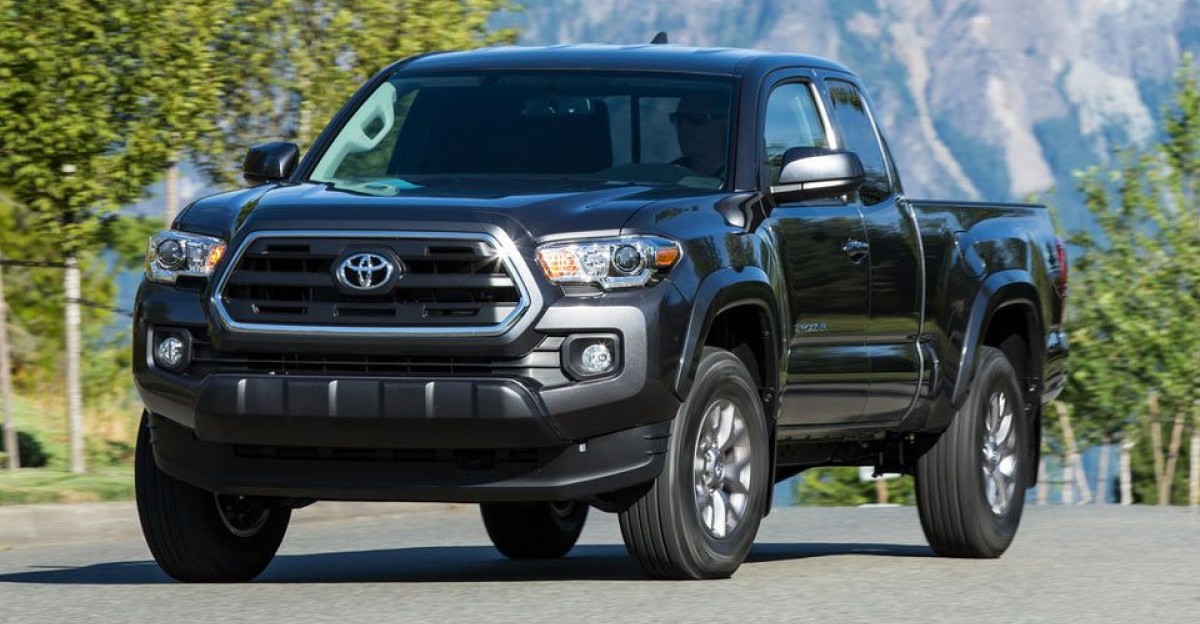
“Whatever you do, don’t buy a ’16–’17 Tacoma. They have major issues with the engine,” warns the Car Care Nut in his teardown video, speaking from the standpoint of a shop that sees problem trucks, not from Toyota’s statistical fleet‑wide data. That sentence, spoken about a Toyota truck, would have been unthinkable to many buyers a few years ago. The brand that built its entire truck identity on outlasting everything now has at least one documented case, and a set of similar owner reports, where engines self‑destruct far earlier than expected. Toyota may well have refined the design in later years, but it has not publicly acknowledged any systemic defect in 2016–2017 Tacoma V6 engines, leaving early buyers to navigate the risk and cost on their own.
Sources:
“Toyota Engine DESTROYS Itself at 69k Miles!” The Car Care Nut (YouTube), 29 Nov 2025.
“Engine Teardown Reveals Surprising Problems Inside Toyota’s 3.5-Liter V6.” Autoblog, 4 Dec 2025.
“Toyota 3.5L V6 Engine Reliability & Common Problems.” Wanasign Auto, 10 Oct 2025.
“‘Toyota Engine DESTROYS Itself at 69k Miles!’ Common Problem?” r/ToyotaTacoma (owner forum discussion), 30 Nov 2025.