4-Year Freight Recession Wipes Out Alabama Fleet—Drivers Face Wage Claims As $10M Debt Hits
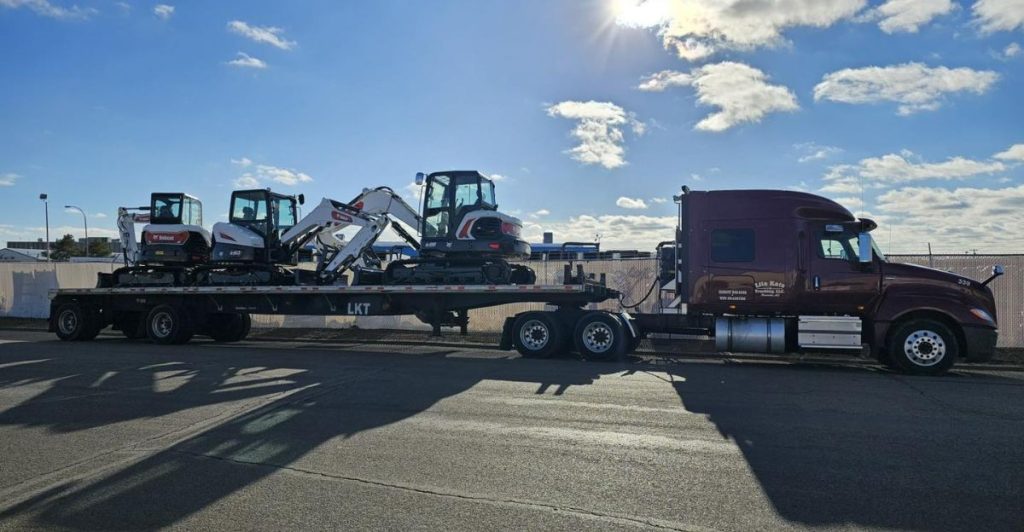
Twelve trucks. Fifteen drivers. A family-owned carrier out of Roanoke, Alabama, that hauled general freight, metal products, and building materials across state lines without causing a single crash in two years. Active federal operating authority for interstate hauling. The kind of safety foundation that’s supposed to keep contracts flowing and the business viable. In late February 2026, Lila Kate Trucking LLC filed a voluntary Chapter 11 bankruptcy petition anyway. A clean crash record couldn’t outrun the financial collapse coming for every small fleet in America during the longest freight recession on record.
Loaded Before Filing
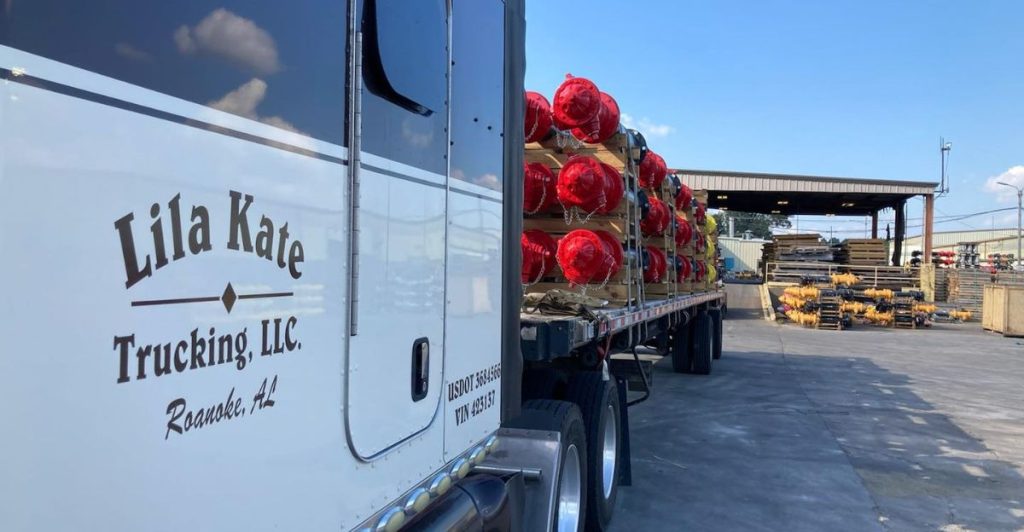
Lila Kate didn’t stumble into financial trouble overnight. The freight recession that analysts now call the “Great Freight Recession” started grinding down shipping demand in 2022 and never let up—compressing rates across the entire trucking sector for nearly four consecutive years. That’s the longest sustained freight downturn in modern industry history. Lila Kate’s 12 power units kept hauling loads through a market that paid progressively less for every mile. The company kept passing crash inspections, kept drivers employed, and kept operating. The rates just never recovered, and the debt kept compounding with no end in sight.
Falling Dominoes
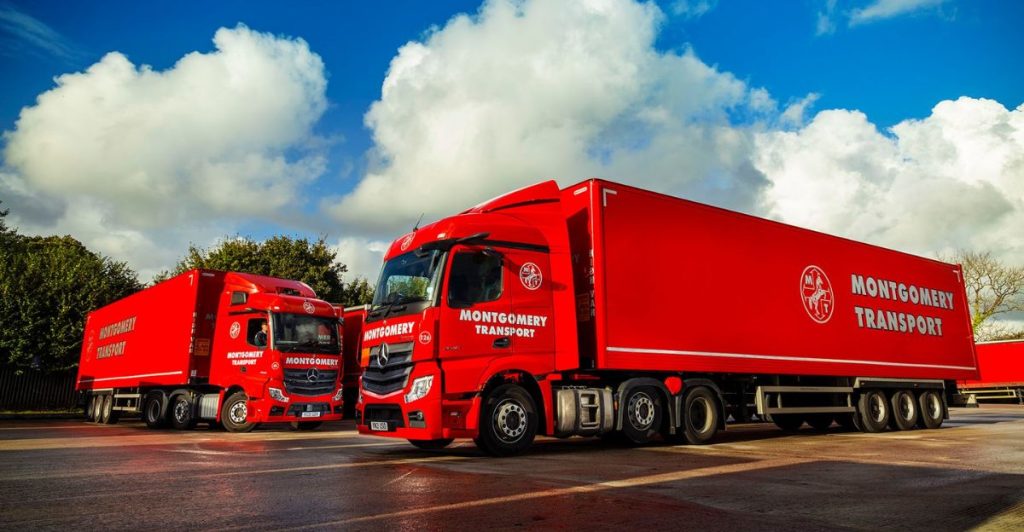
Lila Kate wasn’t even the first Southeast carrier to buckle under the pressure. Montgomery Transport, an Alabama-based flatbed fleet with roughly 450 drivers (up to 1,000 total employees), shut down suddenly on October 9, 2025, and filed Chapter 7 liquidation after a failed sale to PS Logistics. Taylor Express, based in North Carolina, collapsed without warning on January 12, 2026, leaving drivers stranded in their trucks with deactivated fuel cards. Robert Bearden Trucking, a 29-year-old Georgia-based employee-owned firm, filed for Chapter 11 on January 26. Three major regional carriers have gone into distress in the past five months. The assumption that safe, well-managed fleets automatically survive downturns was shattering in real time.
The Wipeout
Court filings estimate Lila Kate’s liabilities between $1 million and $10 million. After covering administrative costs, unsecured creditors recover zero dollars—nothing. Suppliers who extended credit for fuel, parts, and maintenance get wiped out. Drivers holding wage claims fall into the unsecured creditor category. They get nothing either. The company announced it would continue operating during restructuring, aiming to emerge from bankruptcy while everyone it owes money to watches from the outside. That’s not mismanagement or bad luck. That’s a four-year rate collapse doing exactly what it was mathematically designed to do to undercapitalized carriers.
Hidden Machinery

The economic system underneath this collapse is brutally simple. Trucking is a commoditized, margin-compressed industry where sub-scale fleets operate on razor-thin profit margins even during good years. When freight rates collapse for nearly four consecutive years, carriers with $1 million to $10 million in liabilities cannot service debt obligations on revenue that keeps shrinking quarter after quarter. FMCSA safety ratings, clean crash records, active DOT authority—those are baseline hygiene factors, not survival factors. Regulatory compliance is completely independent of financial solvency. Lila Kate proved that a fleet can be operationally sound and financially doomed at the same time.
The Numbers

Werner Transportation CEO Derek Leathers publicly warned throughout 2025 that the rate environment was pushing carriers past a structural breaking point. Multiple large fleets operating 250 or more trucks filed bankruptcy in 2025 alone—a pace that signaled systemic failure across the industry, not isolated bad management. Lila Kate ran just 12 trucks. If fleets twenty times its size with economies of scale, credit access, and diversified customer bases couldn’t survive the rate environment, a family operation in Roanoke never had a mathematical chance from the beginning of the downturn.
Ripple Cost

Lila Kate’s 15 drivers now face uncertain wage claims, immediate benefit discontinuation, and employment uncertainty in a region where other carriers are under identical financial pressure. Suppliers holding unsecured debt recover nothing and will tighten credit terms industry-wide, forcing remaining small carriers to operate on cash-on-delivery terms only. Insurance brokers will raise premiums for sub-scale fleets because peer bankruptcies statistically signal higher default risk. Every Lila Kate-style failure makes the next small carrier’s survival marginally harder. Shippers lose a capacity option. Vendors lose a paying customer. The recession feeds itself, and each bankruptcy accelerates the timeline to the next one.
New Rule
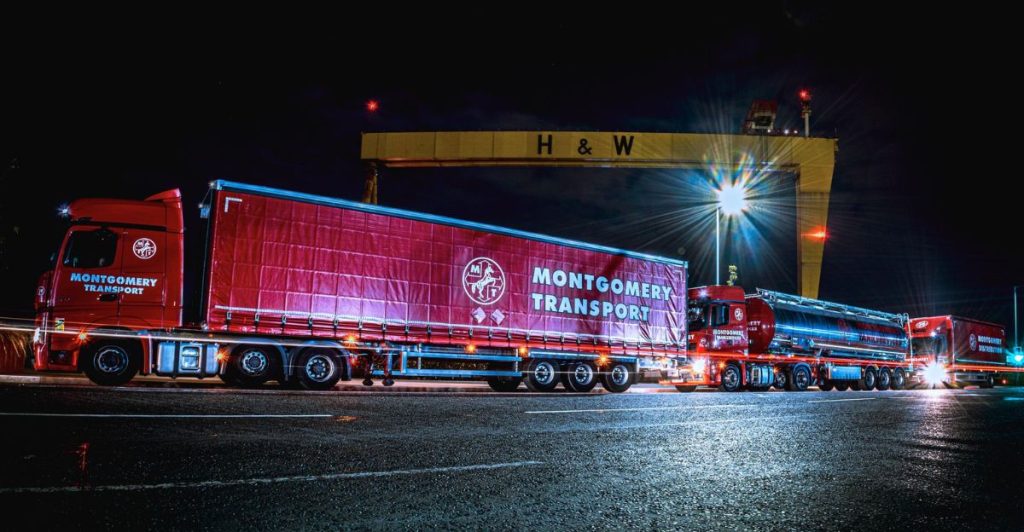
Private equity noticed the deteriorating trend before most truckers publicly acknowledged it. One Equity Partners moved to exit its stake in Montgomery Transport by mid-2025, months before its October liquidation. Wall Street money entered trucking around 2020-2022, believing scale plus operational efficiency could beat any market cycle. By late 2025, that capital was running for the exits. Lila Kate’s Chapter 11 small-business filing under Subchapter V is becoming a standardized blueprint for sub-scale carriers nationwide: faster court review, reduced creditor friction, and zero-distribution reorganizations normalized as industry standard. This is no longer an exceptional event—freight bankruptcies are now a structural feature of prolonged rate deflation.
Clock Running
Lila Kate’s management has roughly 90 to 120 days from the February 27 filing date to submit a detailed reorganization plan to the U.S. Bankruptcy Court for the Middle District of Alabama. The court has already issued a deficiency notice requiring complete financial schedules, a creditor list, and payment of the filing fee. Miss those deadlines, and the case gets dismissed outright. Creditors will vote on whatever restructuring plan emerges, and if they reject it, the court can impose terms through cramdown provisions anyway. By late summer 2026, Lila Kate either stabilizes on reduced debt or exits entirely. The freight recession offers no guarantee of a timeline for rate recovery. Neither does bankruptcy court.
Survivor’s Trap
Even if Lila Kate successfully emerges from Chapter 11 with reduced debt obligations, it walks back into a market that trusts it significantly less. Suppliers will demand cash payment up front before extending parts or fuel. Shippers will run bankruptcy-risk credit checks before signing any new freight contracts. The company may legally shed its legacy debt, but it also sheds every commercial relationship built on credit terms and trust. Larger carriers operating 150-plus trucks with stronger balance sheets will absorb the available market share. The people who truly understand this story know something most Americans don’t: in commodity trucking, doing everything operationally right and still losing isn’t a fluke or exception—it’s the business model working exactly as designed for everyone except the smallest operators.
Sources:
IndexBox, “Lila Kate Trucking LLC Files for Chapter 11 Bankruptcy Protection,” March 2, 2026
FreightWaves, “Alabama Family-Owned Carrier Files for Chapter 11 Bankruptcy,” March 3, 2026
Trucking Info / Heavy Duty Trucking, “Montgomery Transport Suddenly Shuts Down,” October 9, 2025
AOL Finance (Yahoo Finance syndication), “Alabama Family-Owned Carrier Files for Chapter 11 Bankruptcy,” March 3, 2026
Biggs Law, referenced for Chapter 11 procedural details, no publication date available
TransForce, referenced for industry structural analysis, 2026