$4 Gas Triggers Mass Exodus Of 50M Gig Workers—Uber And Lyft Quietly Replace Them With Robots
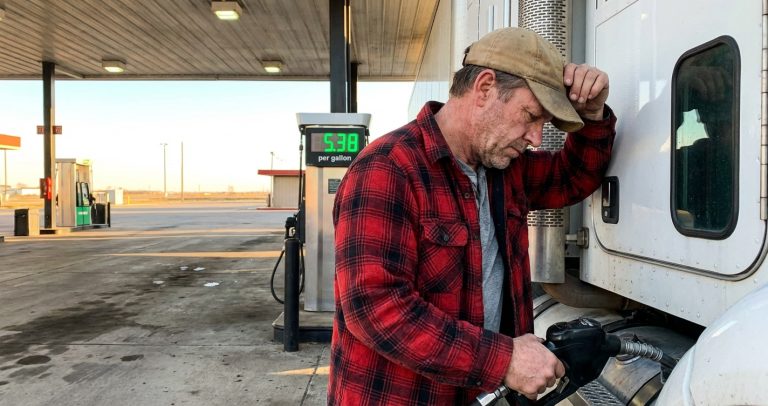
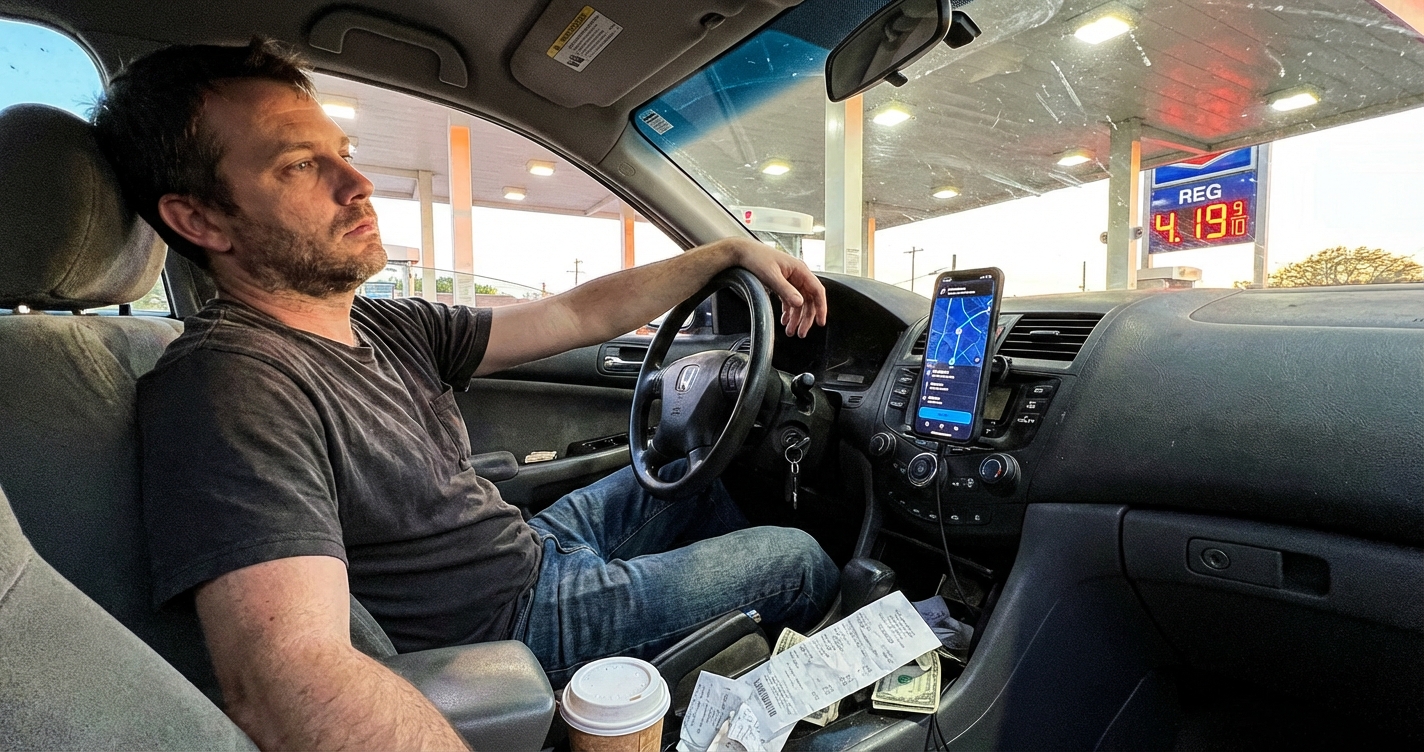
Gas hit $4 a gallon by late March 2026. A 34% surge in a single month, driven by the Iran war’s closure of the Strait of Hormuz, which knocked out 20% of global oil supply. The IEA called it the largest supply disruption in oil market history. Americans spent $8 billion extra on fuel in one month alone. For the tens of millions of Americans in vehicle-dependent gig work, that number landed like a gut punch. But the gas price is just the part everyone can see. The machinery underneath is worse.
The Algorithm That Feeds on Desperation
Human Rights Watch documented how platform algorithms track driver vulnerability metrics: acceptance rates, response times, and location patterns. When drivers grow desperate, the system reduces pay. Not upward. Downward. Upfront pricing shifted risk onto drivers, who now absorb traffic delays, route changes, and vehicle depreciation while platforms capture surge value. Drivers report per-mile pay declining even as gas spiked. The crisis created more desperate workers, and the algorithm treated desperation as a data point to extract cheaper labor. That extraction mechanism reaches far beyond the gas pump.
Your Delivery Fee Just Jumped
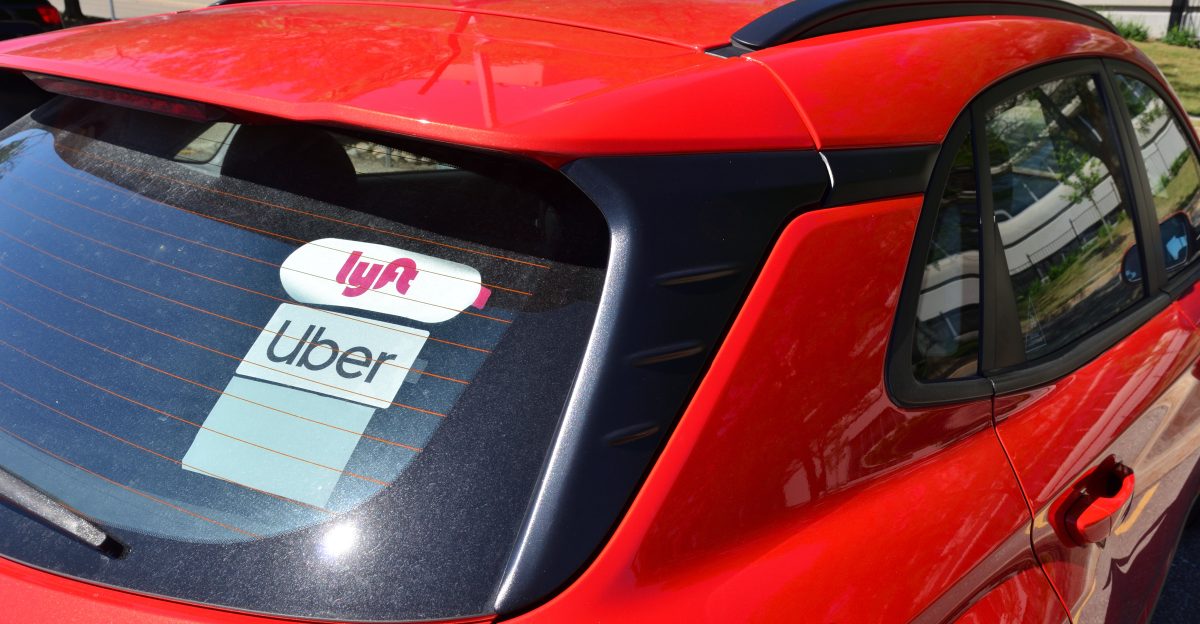
San Francisco Bay Area driver Leslie Sherman-Shafer watched her tank fill up, climb from $25 to $40 after the Iran war began. “We don’t get reimbursed for gas. We rely on the generosity of the tip,” she told the AP. Platforms classify drivers as independent contractors, which means zero fuel reimbursement, zero workers’ comp, and zero unemployment insurance. Every penny of that 34% gas increase lands on the driver. And when drivers quit or cut hours, fewer deliveries get made, fees climb, and consumers absorb the cost at checkout.
Relief Programs Nobody Knows Exist
Uber rolled out up to 15% cash back at the pump for Diamond-tier drivers. Lyft announced a 60-day fuel savings program. DoorDash and Instacart offered $5 weekly payments for drivers exceeding 125 miles. Sounds generous in a press release. CNN surveyed more than a half-dozen Uber and Lyft drivers. Only one had heard about any of it. That is an 83% awareness gap on programs designed to keep drivers on the road. Relief was built for headlines, not for the people filling their tanks at $4 a gallon. And the platforms know exactly who is filling those tanks.
The Trucking Shortage Nobody Connected
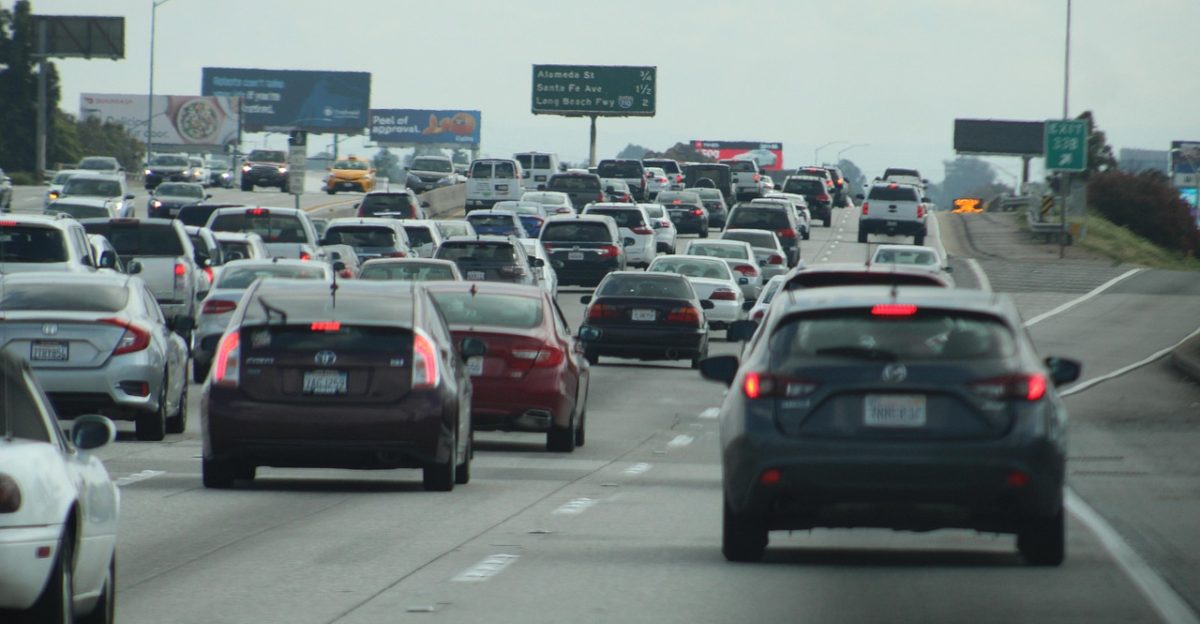
The gig driver crisis mirrors a parallel collapse in long-haul trucking: 60,000 positions short right now, projected to hit 160,000 by 2028, with 122,000 trucking jobs vanishing since October 2022. Same fuel costs. Same contractor classification. Same algorithmic dispatch squeezing margins. Two transportation labor markets breaking simultaneously, driven by the same structural failure: an economy that classified its drivers out of every protection and then watched fuel prices double. Think about that for a second. The people who move everything in America can’t afford to drive.
One System, Every Crack

Contractor misclassification is the hidden system connecting every ripple. It shields platforms from minimum wage laws, overtime rules, and fuel reimbursement obligations. It lets algorithms set wages opaquely, deactivate workers without human review, and suppress pay during crises. Gas prices spike. Trucking collapses. Delivery fees rise. Burnout hits 73.9% among food delivery riders. Same mechanism. Same legal loophole. Same result. The crisis radiates outward from one structural choice: call the workforce contractors, and every cost lands on them. Every protection vanishes. And the replacement plan was already funded.
‘I’m Done’
“I’m done. If gas is $4 a gallon, I’m done.” A part-time teacher driving for Lyft told CNN that in April 2026. Uber’s six-month driver retention collapsed to 41%, down from 50%. That means 59% of new drivers quit before half a year passes. Former full-time Uber driver James Howe, out of Denver, put it bluntly: “The future looks quite grim for them.” Drivers are working longer hours, earning less, spending more on gas, and burning out. Nearly 96% of food delivery riders now report moderate-to-high burnout. The humans are breaking. The robots are not.
The Rules Are Changing
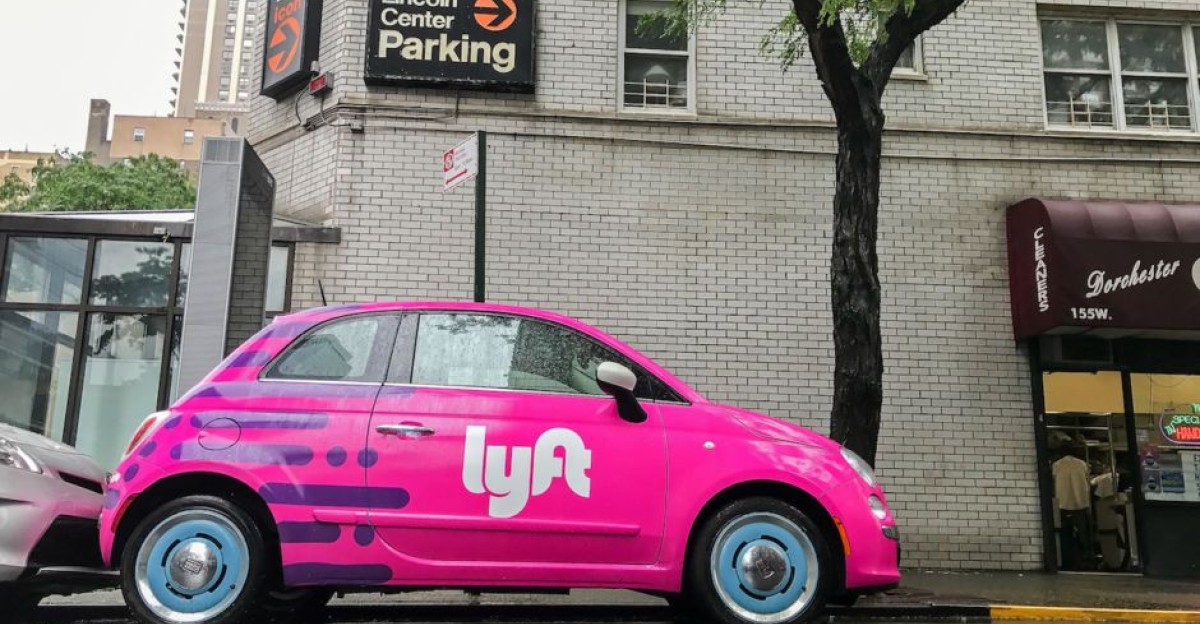
The EU warned that oil and gas prices will not return to normal even if the Iran war ends. Relief programs expire May 26, 2026. The crisis has no expiration date. Seattle tried a minimum pay law for app-based delivery workers. Per-task pay rose, but tips fell by a nearly equal amount. Net earnings barely moved, and new drivers flooded the market, diluting everyone’s hours. Regulatory fixes keep backfiring in oversaturated markets. The precedent-forming is clear: platforms can neutralize policy through market saturation faster than lawmakers can write rules.
Who Wins, Who Loses
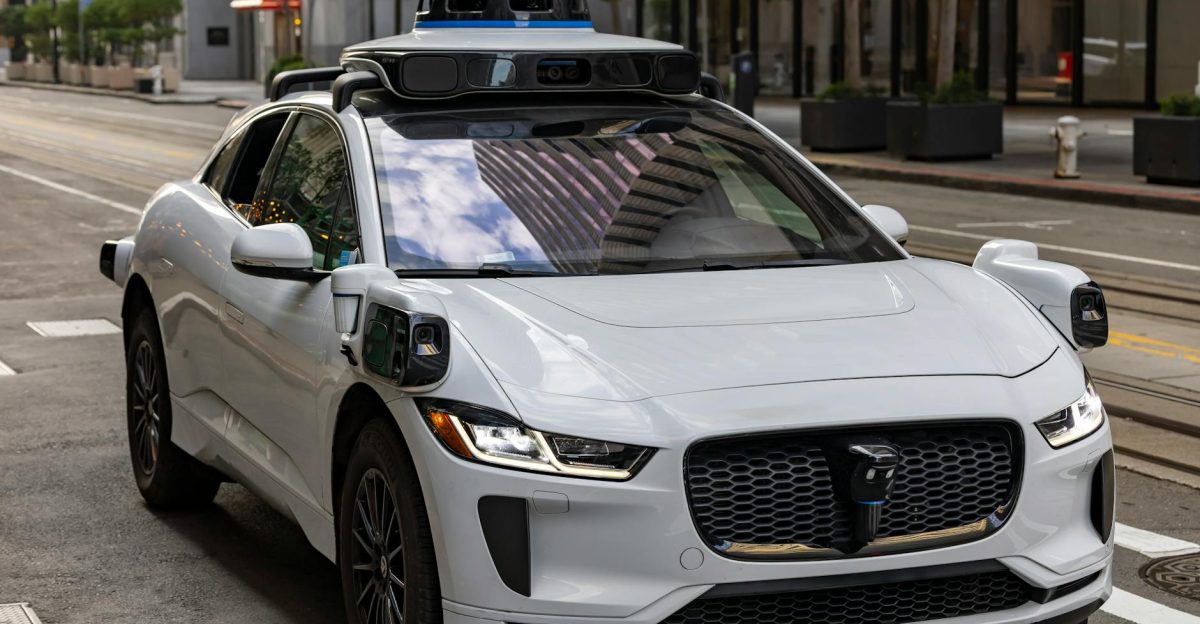
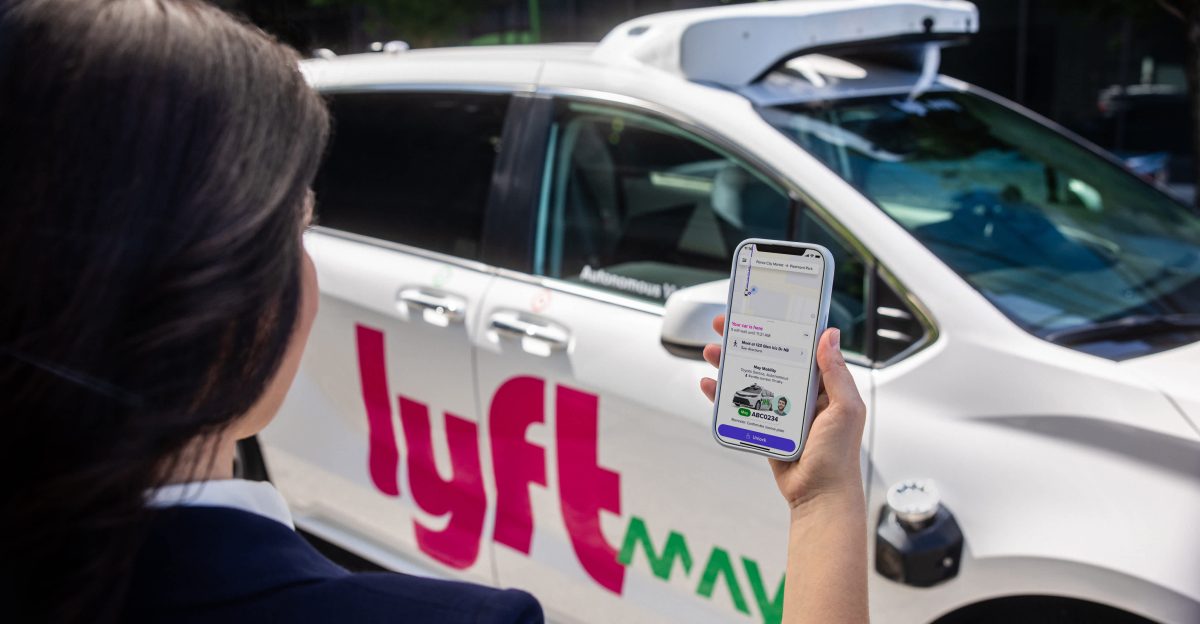
Robotaxis already undercut human drivers by roughly 60% per mile. Tesla’s average fare in San Francisco sits at $8.17 versus Lyft’s $15.47. Waymo handles around 500,000 paid rides every week. Human drivers in cities with active robotaxi operations complete 5.3% fewer trips per hour. Platforms win twice: cheaper labor from desperate humans now, cheaper robots replacing them later. Drivers lose their income. Small businesses lose delivery capacity. Rural and underserved communities lose service entirely as drivers exit unprofitable routes. The people who can least afford it absorb every consequence.
The Cascade Is Accelerating
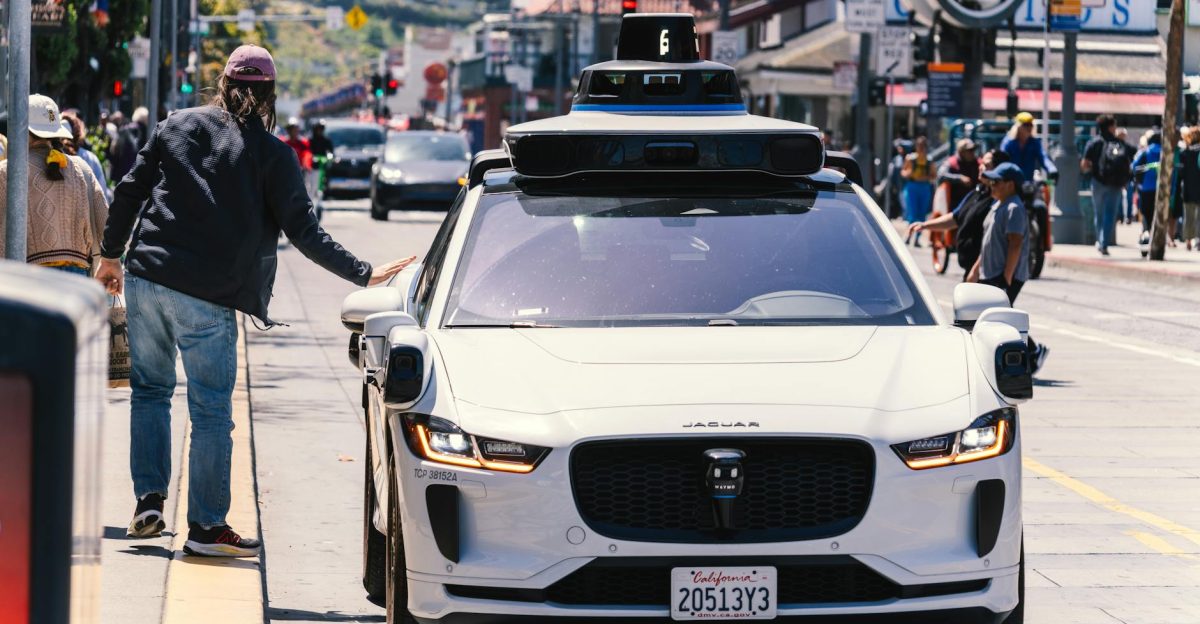
Platforms are accelerating autonomous vehicle deployment alongside partnerships with Waymo and Tesla. The counter-move to driver exodus is not higher pay. It is a replacement. Fewer human drivers means surge pricing spikes, which destroy demand, which compresses margins, which triggers more cost-cutting. The loop feeds itself. One driver told a reporter that rideshare companies “don’t care about their drivers. The only thing they care about is their public perception.” That perception now includes robotaxis on the road and relief programs nobody can find. The gas crisis exposed the system. The system was already moving on without its workers.
Sources:
“‘I’m Done’: Rideshare Drivers on the Brink of Quitting over Higher Gas Prices.” CNN Business, 1 Apr. 2026.
“U.S. Gas Prices Hit $4 per Gallon as Fuel Prices Surge Due to Iran War.” CNBC, 31 Mar. 2026.
“Lyft Rolls Out Driver-Relief Program as US Fuel Prices Climb.” Reuters, 25 Mar. 2026.
“Autonomous Rideshare’s True Economic Impact Is Far Bigger Than Anyone Thought.” Basenor, 23 Mar. 2026.