$4.6B Fraud Killed 2 Brake Giants As CEO Looted $700M From 25 Iconic Brands
Patrick James founded First Brands in 2013 with a pitch Wall Street loved: roll up aftermarket auto parts brands, cut costs, print cash. In twelve years, he assembled 25 household names—FRAM filters, Autolite spark plugs, Raybestos brakes, Trico wipers, StopTech performance rotors—into a company reporting $5 billion in annual revenue. Lenders at Jefferies, UBS, and Bank of America lined up to fund the spree.
Then, on September 28, 2025, First Brands filed Chapter 11 in a Texas bankruptcy court with $9 billion in liabilities and exactly $12 million in the bank. Federal prosecutors now allege the whole thing ran like a Ponzi scheme.
$2.3 Billion in Phantom Invoices
According to the January 2026 federal indictment, Patrick James and his brother Edward fabricated or doctored invoices for accounts receivable and sold them to factoring partners, lenders who advance cash against customer bills. Some invoices were for transactions that never happened. Others were inflated to absurd levels: court filings cite one invoice altered from $179 to $9,271, a 50-fold markup.
Prosecutors say the brothers generated approximately $2.3 billion in fraudulent financing through these fake receivables. They then pledged the same collateral, inventory, equipment, receivables, to two and sometimes three different lenders without any of them knowing.
Looting the Company
While lenders believed their money was funding a legitimate auto parts empire, prosecutors allege Patrick James was running a personal ATM. Between 2018 and 2025, more than $700 million flowed from First Brands directly to James and entities he controlled, with the majority of transfers occurring between 2023 and 2025. He allegedly purchased at least 17 exotic cars, reportedly including Lamborghinis and Ferraris, using company funds.
He maintained seven properties, including a New York City townhouse costing $3 million in rent between 2019 and 2024, plus luxury homes in Malibu and the Hamptons. He spent approximately $500,000 on a private celebrity chef and another $150,000 on a celebrity personal trainer. Another $8 million was diverted to his son-in-law’s “wellness” company, Archive Health LLC.
New Loans Paying Old Lies
“The defendants operated First Brands as a Ponzi scheme in which new loan proceeds were used to pay back old lenders and to fund their extravagant lifestyle,” said IRS-CI Special Agent Kareem Carter after the indictment. The company maintained internal “bridge” files that juxtaposed real financial data with manipulated versions for lender presentations. It created 75+ affiliated entities and special-purpose vehicles specifically designed to hide off-balance-sheet financing.
When all the layers are peeled back, total off-balance-sheet obligations reached approximately $4.6 billion—$2.3 billion in factoring liabilities plus another $2.3 billion in inventory-backed debt through double-pledged collateral. A former First Brands executive, Peter Andrew Brumbergs, pleaded guilty on January 26, 2026, admitting he falsified financial statements, inflated invoices, and double-pledged collateral.
Wall Street Got Played for Billions
The fallout hit some of the biggest names in finance. Jefferies Financial Group disclosed $715 million in First Brands receivables through its Point Bonita Capital fund, roughly a quarter of that fund’s assets. In February 2026, investors sued Jefferies, alleging the firm marketed fraudulent receivables. UBS held over $500 million in exposure through its O’Connor hedge fund unit and announced plans to wind down the affected funds.
Raistone Capital, a supply-chain finance firm that earned approximately 80% of its revenue from First Brands, filed for bankruptcy itself. Creditor Onset Financial accumulated $1.9 billion in inventory-backed financing claims. The company’s $1.1 billion debtor-in-possession loan—the most senior debt in any bankruptcy, normally traded near par—crashed to as low as 30 cents on the dollar by December 2025. That’s the market screaming: this estate might not be worth saving.
StopTech and Raybestos
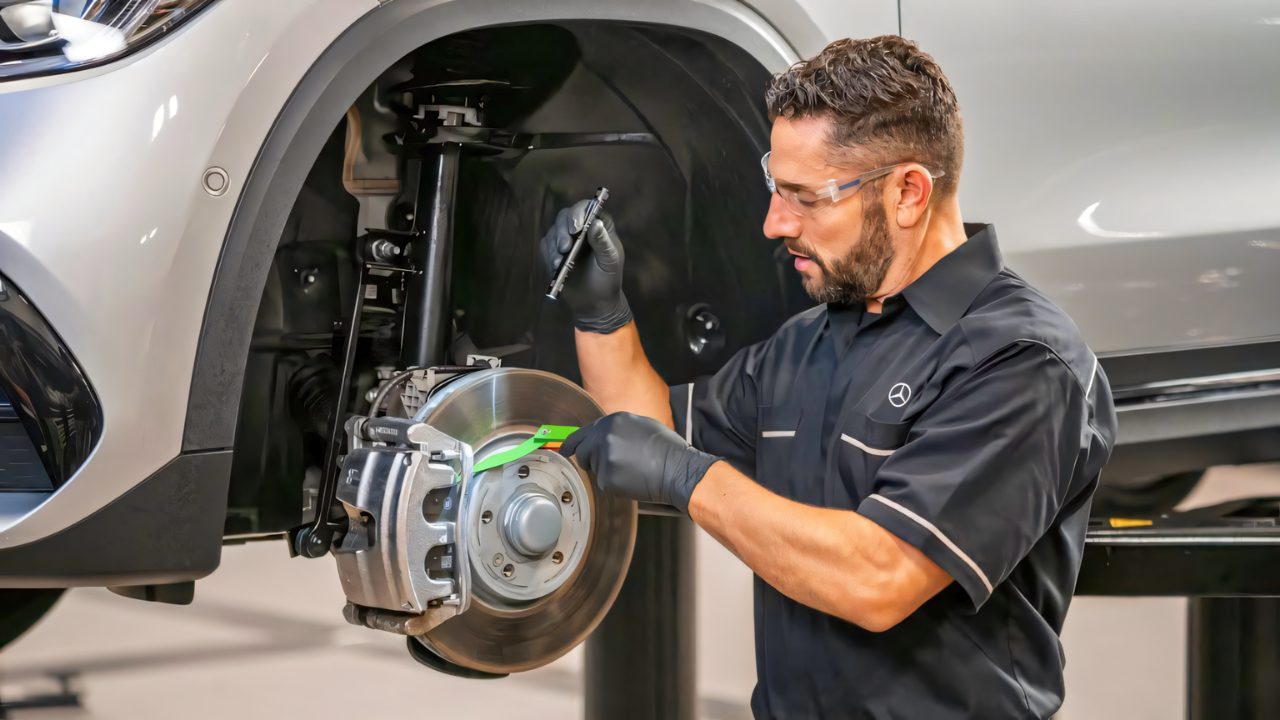
For performance enthusiasts, the gut punch landed in January 2026. First Brands announced it was winding down Brake Parts Inc., Cardone, and Autolite, meaning Raybestos, a century-old brake manufacturer, and StopTech, the gold standard in aftermarket performance brakes since 1999, would cease production. No buyer stepped up. Centric Parts, including its C-TEK and Posi Quiet lines, also went down.
Raybestos pads were a staple for track and endurance racers. StopTech big-brake kits were the upgrade every weekend warrior saved up for. Twenty-six years of StopTech engineering, wiped out because one man allegedly couldn’t stop stealing.
The Aftermarket Apocalypse
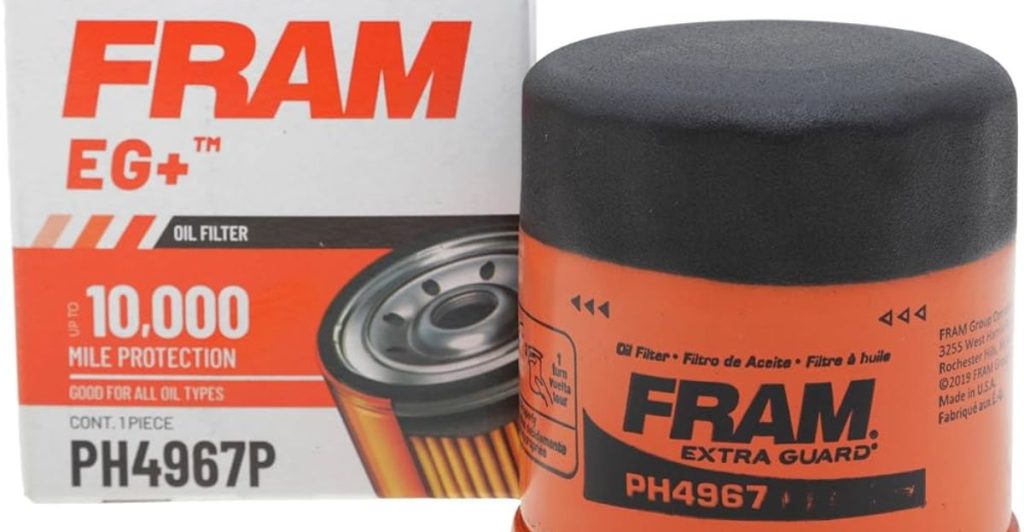
The damage didn’t stop at the brakes. FRAM—manufacturing oil filters since 1934- was part of the portfolio James acquired in 2019. Autolite spark plugs, operating since 1935, began wind-down proceedings. Trico windshield wipers, Anco blades, Carter fuel pumps, Reese towing products—all 25 brands sat under the same collapsing roof.
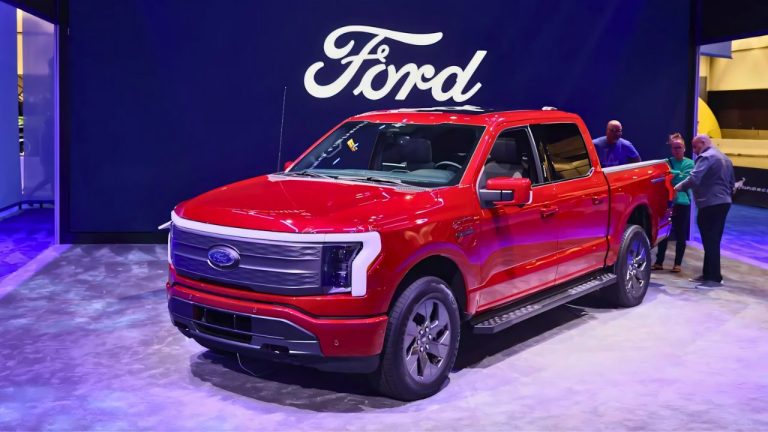
GM reportedly held emergency meetings to assess how the shutdowns would impact its production lines. Ford’s F-150 pickup relies on First Brands for wiper components, and the F-series accounts for nearly 40% of Ford’s U.S. sales. These aren’t boutique labels. They’re the parts that keep America’s cars running.
Ford and GM Rush In With $48 Million Lifeline
By late January 2026, First Brands warned it had reached a “breaking point”. Ford, General Motors, Harley-Davidson, Honda, Polaris, Audi, Nissan, Volkswagen, and BMW collectively agreed to a $48 million emergency cash infusion, structured as prepayments for future parts deliveries. A Texas bankruptcy judge approved the deal on January 29, the same day the James brothers were indicted.
The financing was designed to keep the remaining operations alive on a week-to-week basis. Even with the lifeline, the company’s available cash had dwindled to just $190 million, and DIP lenders who initially provided $1.1 billion in rescue financing refused to inject more capital.
Nine Counts, Two Brothers, One Reckoning

On January 29, 2026, Patrick James was indicted in Manhattan federal court on nine counts, including operating a continuing financial crimes enterprise, bank fraud, wire fraud, and conspiracy to commit money laundering. His brother, Edward James, was charged with eight counts covering the same offenses, except for the enterprise charge. If convicted, Patrick faces up to life in prison; Edward faces up to 30 years per count.
Patrick James pleaded not guilty, with his attorney declaring he “built First Brands from nothing into a global industry leader”. Edward James’s attorney said his client “has maintained integrity and dignity”. Meanwhile, former executive Peter Brumbergs was already cooperating with prosecutors, having pleaded guilty two days before the indictment, potentially becoming the star witness against the brothers.
$2.3 Billion Vanished—And 17,000 Workers Pay the Price
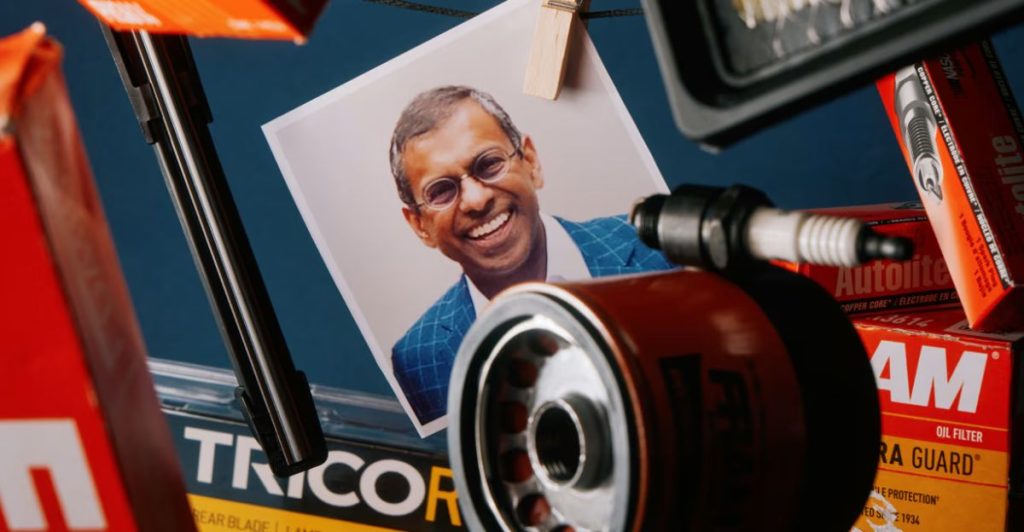
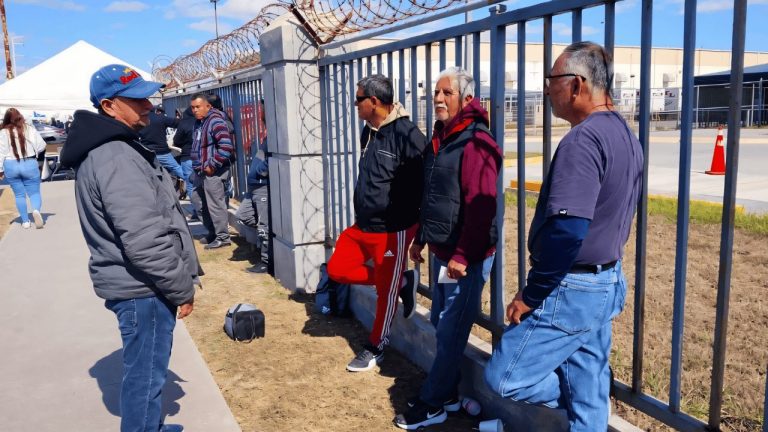
Prosecutors say $2.3 billion in supposedly collected receivables simply vanished. An independent examiner with a $7 million budget was appointed in November 2025 to trace the money, a remedy reserved for cases of extreme suspected fraud, similar to FTX and Purdue Pharma. Seventeen thousand employees across North American operations now face an uncertain future. Small suppliers who shipped aluminum and rubber to First Brands factories were left unpaid … the company’s invoices ran 55 days past due, five times the industry average, for over a year before the collapse.
The private credit market—now worth over $4.5 trillion—faces uncomfortable questions about what other hidden structures might lurk beneath seemingly legitimate balance sheets. Patrick James built something real—25 brands, thousands of jobs, parts in every auto shop in America. Then, prosecutors say, he hollowed it out from the inside while buying exotic cars with the receipts.
Sources:
Reuters: “First Brands founder indicted for fraud after bankruptcy that hit lenders, Ford, GM” — January 29, 2026
U.S. Department of Justice (SDNY): “First Brands Executives Charged With Multibillion-Dollar Fraud” — January 29, 2026
Fortune: “First Brands’ Malaysian-born founder accused of looting US$700 million for luxury lifestyle” — November 4, 2025
Financier Worldwide: “First Brands enters Chapter 11” — December 2025
TTNews: “Lawyers for Bankrupt Auto Parts Supplier Allege Patrick James Misappropriated Company Funds” — November 3, 2025
The Autopian: “Three Major Brands You’ve Probably Bought Brakes From Are Shutting Down” — February 13, 2026