$3B-Backed Empire Adds 100 California EV Trucks—Targets 4 More US States
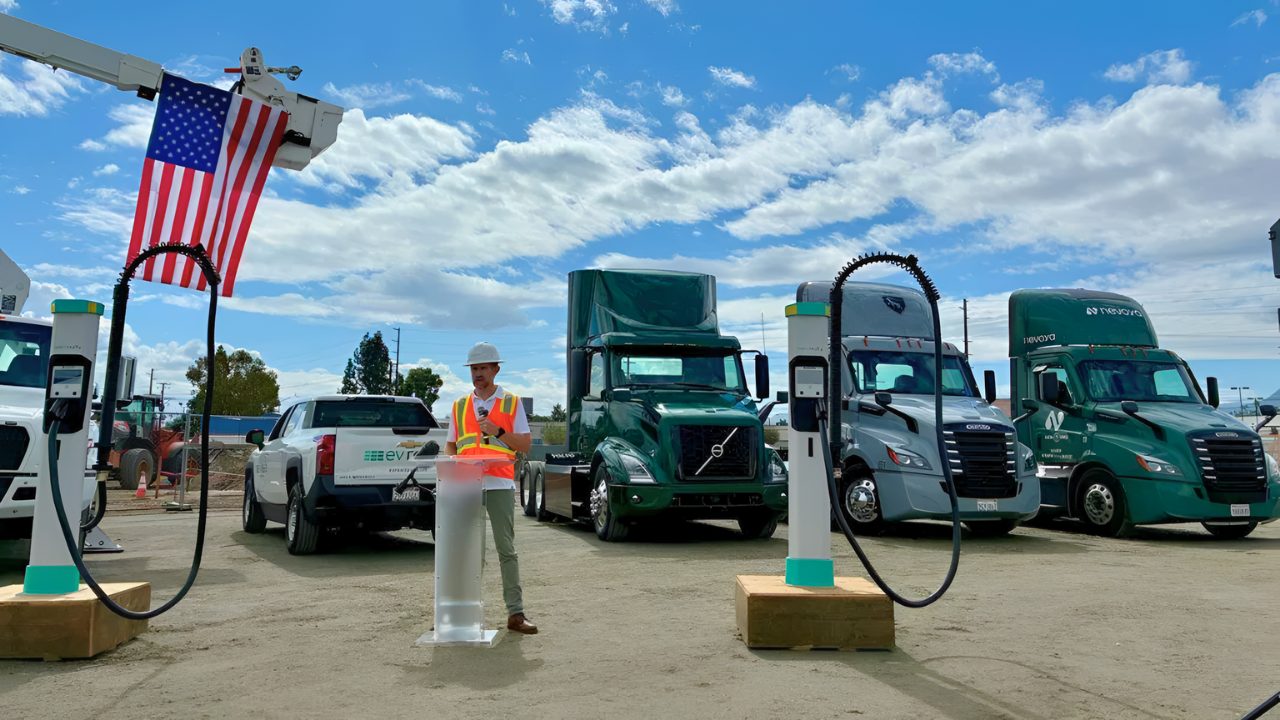
Somewhere in California, 100 electric delivery vans sat in depots with routes already mapped, chargers already wired, and drivers already trained. Then the ownership changed. Not one van at a time. All of them. In a single acquisition. Zenobē, a fleet electrification firm that bundles vehicle ownership with financing and charging infrastructure, absorbed Revolv’s entire California‑based electric delivery fleet in March 2026, assuming operational responsibility for 13 customer sites and 100‑plus electric trucks across the state. Backed by multibillion‑dollar infrastructure funds and national industrial programs that together represent roughly $3 billion in strategic capital exposure, Zenobē didn’t place an order; it bought a working fleet.
Not Consumer

Most people hear “EV adoption” and picture a family choosing a sedan at a dealership. That framing misses what’s actually happening in commercial logistics. These 100 electric delivery vans weren’t sold to individual buyers. They were operating assets generating revenue on delivery routes. Revolv built the fleet in California. Zenobē bought the fleet and kept the routes running under new ownership. The vans never stopped running. The customers probably never noticed. That distinction between consumer choice and capital transfer matters more than any single vehicle spec sheet, because it reveals who actually controls the transition.
Myth Cracks

The comfortable assumption has been that delivery electrification is mainly about buying vans. Pick a manufacturer, place an order, plug them in. Simple. Except that Zenobē’s model bundles vehicles, charging infrastructure, and financing into a single platform. That means the acquisition included more than sheet metal. Depot access, charging capacity, operational data, and customer relationships in California: those are the assets that make a fleet financeable. A hundred vans without that ecosystem are just parked inventory. A hundred vans with it are a revenue-generating portfolio.
Land Grab
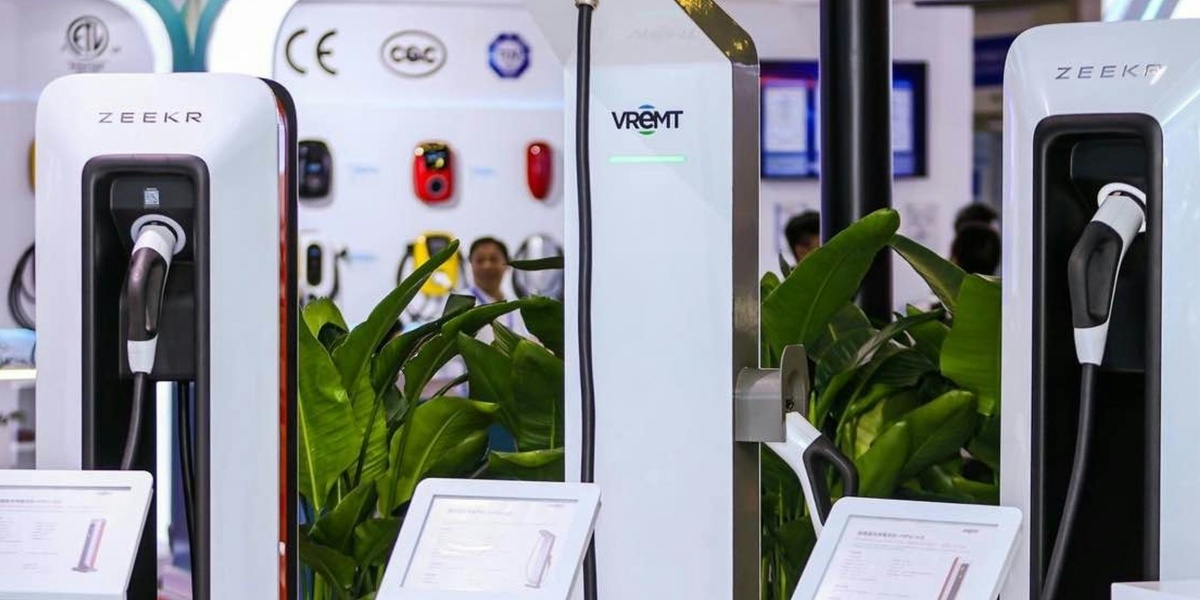
Here’s what the deal actually reveals: EV fleets are being traded like infrastructure portfolios, not leased vehicles. Zenobē didn’t persuade 100 drivers to go electric. It acquired an operating business. Footprint expanded immediately. Competitive position strengthened overnight. Charging leverage increased with scale. Three sentences. One acquisition. A whole market segment rearranged. Think of it like buying an apartment building instead of a condo: you’re purchasing cash flow and operations, not a product. The winner is whoever owns the fleet balance sheet and the charging playbook.
Hidden Machine

The mechanism underneath this deal is what makes it dangerous for smaller operators. Fleet electrification works as a platform business: vehicles, charging, and financing are bundled. Each acquisition doesn’t just add vans. It standardizes charging infrastructure, deepens financing leverage, and locks in customer contracts. Competitors who operate 10 or 20 vans can’t match that bundled offering. They face higher financing hurdles and less access to charging. The consolidation creates its own gravity. Scale attracts capital. Capital enables more acquisitions. More acquisitions increase scale.
Numbers Talk

One hundred electric delivery vans is not a pilot. That’s operationally meaningful fleet scale, roughly a full depot’s worth of vehicles running daily routes. In California, that scale now sits under a single operator. The unit count alone tells a story about market maturity: when fleets this size change hands in single transactions, the industry has moved past experimentation. Global EV adoption continues to accelerate, according to IEA research, which makes ready-to-deploy fleets increasingly valuable. Every month, these vans run under new ownership, and the acquisition’s strategic value compounds through utilization data and route optimization.
Squeeze Coming
The immediate ripple is straightforward: Zenobē integrates 100 vehicles into its operations and customer offerings in California. The longer ripple is rougher. More fleet electrification players will likely pursue acquisitions to scale quickly, following the same logic. Capital concentrates under fewer operators. Smaller delivery contractors and independent fleet owners face tougher competition for financing and charging infrastructure access. Customers could see more standardized fleet offerings as assets consolidate. The operators getting squeezed aren’t the ones making headlines. They’re the ones quietly losing access to the capital that keeps routes running.
New Rule

This acquisition isn’t an exception. It’s a precedent. Fleet assets can be traded like infrastructure portfolios. That reframes the entire EV transition in commercial logistics. The old belief was that electrification meant vehicle choice. The new reality: control of capital, charging, and uptime decides who scales. Major forecasters already document ongoing EV growth that makes fleet asset competition fiercer every quarter. Once you see delivery fleets as financeable infrastructure rather than vehicle inventories, every future acquisition in this sector looks like territory being claimed on a map that’s running out of open space.
Dominos Falling

The escalation path writes itself: acquire fleets, standardize charging, win contracts, acquire more fleets. That cycle rewards operators who move first and punishes those who wait. Under-capitalized fleet operators and smaller delivery contractors haven’t felt the full pressure yet, but the math is coming for them. Financing gets harder when your competitor owns the infrastructure your business depends on. Zenobē has already flagged plans to expand its California footprint by adding its commercial fleet offering to additional U.S. states, aiming to enter four more markets in the next phase of its North American strategy. Six to twelve months from now, the operators who didn’t consolidate will be the ones fielding acquisition offers themselves, likely at unfavorable terms.
Counter Punch

The remaining independents have one obvious play: form consortium buying groups or partner directly with manufacturers and financiers to match the bundled offering that scaled operators provide. Whether that happens fast enough is another question entirely. Zenobē just demonstrated that a working electric fleet is a buyable asset, not a buildable dream. Anyone who read this story now understands something most people in logistics still don’t: the EV transition isn’t about which van you pick. It’s about who owns the balance sheet underneath it, and which states get pulled into that balance sheet next.
Sources:
“Zenobē expands its North American fleet with acquisition of Revolv.” Zenobē, 19 Mar 2026.
“Zenobē acquires Revolv’s 100‑unit electric delivery van fleet.” Electrek, 20 Mar 2026.
“Zenobē acquires commercial fleet electrification company Revolv, adding more than 100 electric trucks in California.” PR Newswire / Chicago, 19 Mar 2026.
“Global EV Outlook 2025.” International Energy Agency, 2025.