380,000 Cars Surveyed Found EVs Have 80% More Problems Than Gas—These 10 Are The Worst
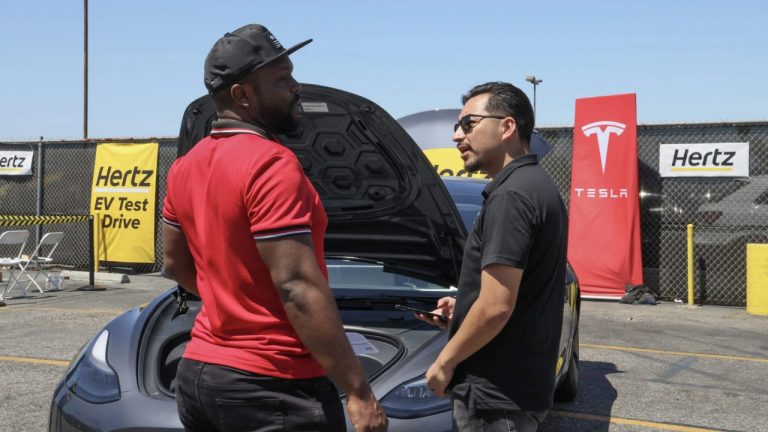
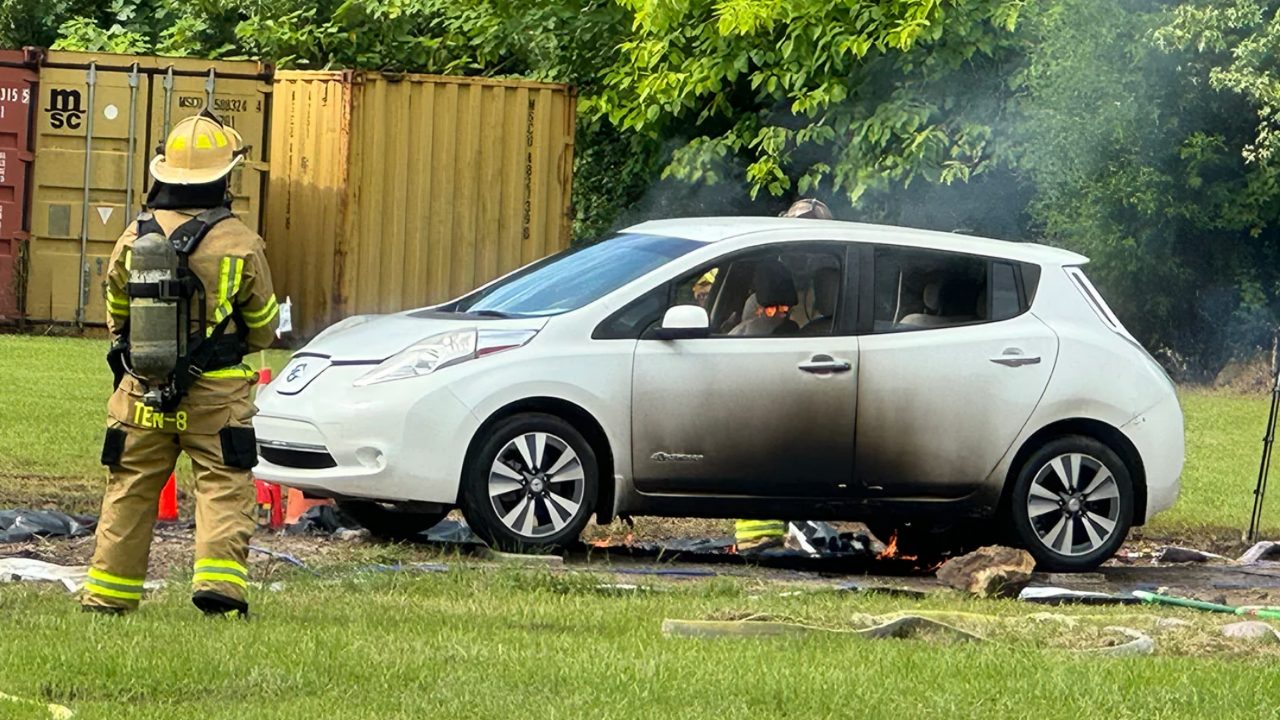
Consumer Reports analyzed about 380,000 vehicles and found electric vehicles and plug-in hybrids have 80% more problems than gas-powered cars, exposing a widening reliability gap across the industry. The 2026 rankings show 7 of the 10 least reliable models are electrified, with failures ranging from software crashes to complete power loss. Both new entrants and established automakers appear affected as rapid development outpaces real-world testing. The findings challenge assumptions about EV simplicity and raise concerns for buyers investing in newer technology. The full list reveals which models are struggling most and why reliability remains a growing concern.
1 — Chrysler Pacifica Hybrid
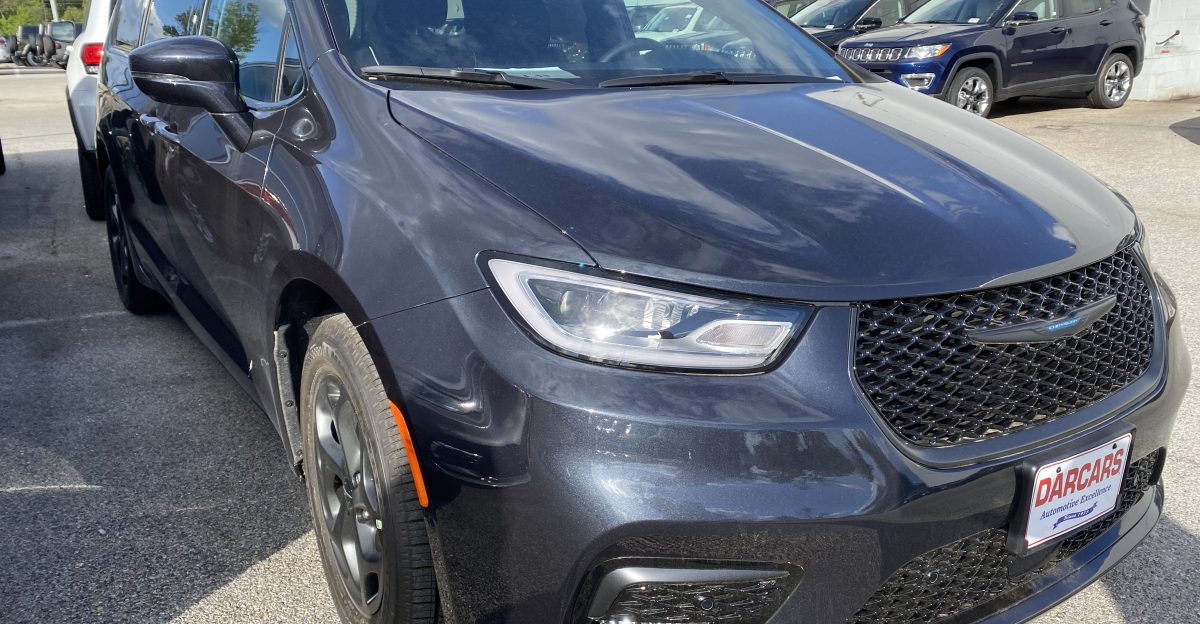
The Chrysler Pacifica Hybrid ranks as the least reliable vehicle with a predicted score of 26. Owners report repeated failures involving the plug-in hybrid system, electrical faults, and transmission issues. Combining a V6 engine with electric motors and a battery pack has created multiple weak points. Consumer Reports found that this layered complexity increases the likelihood of breakdowns rather than reducing them. Families drawn to efficiency are instead facing unexpected repairs and downtime. The struggles highlight how blending old and new technologies can create risks that are difficult to predict.
2 — Honda Prologue
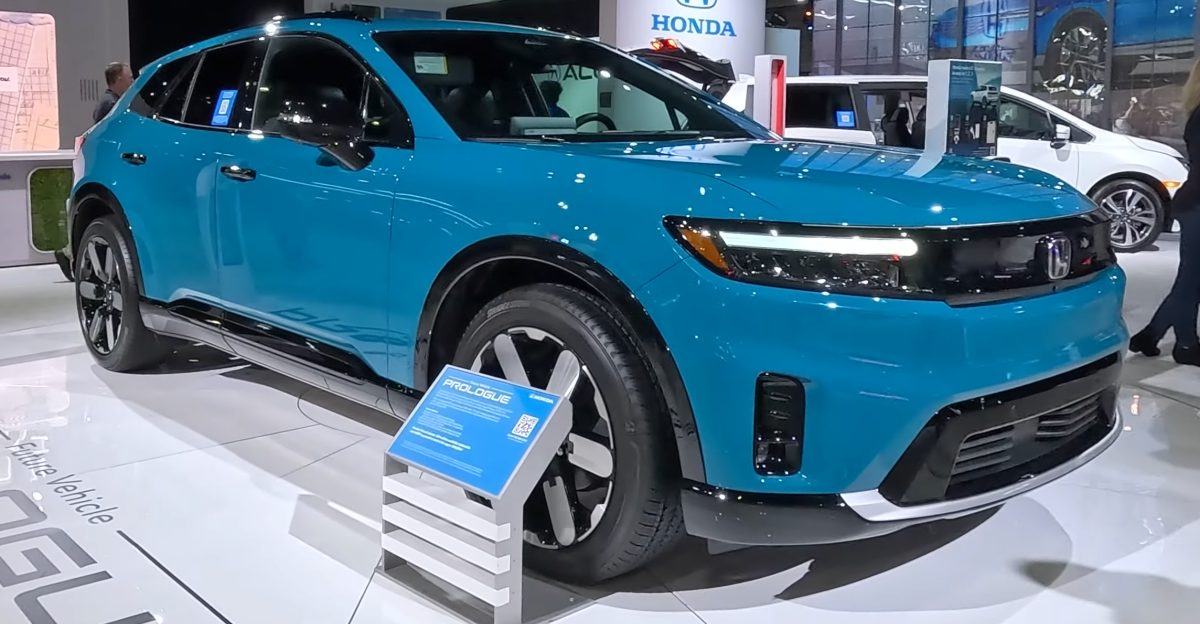
The Honda Prologue earns a reliability score of 25, tying for second-worst. Built on General Motors’ Ultium platform, it marks a departure from Honda’s in-house engineering approach. Owners report infotainment crashes, charging failures, and build quality concerns. Consumer Reports notes that relying on external platforms introduces variables outside a brand’s traditional quality control. Honda’s reputation for durability faces pressure as a result. The Prologue shows how even trusted automakers can encounter setbacks when adopting unfamiliar systems, raising broader questions about platform sharing across the industry.
3 — Kia EV6
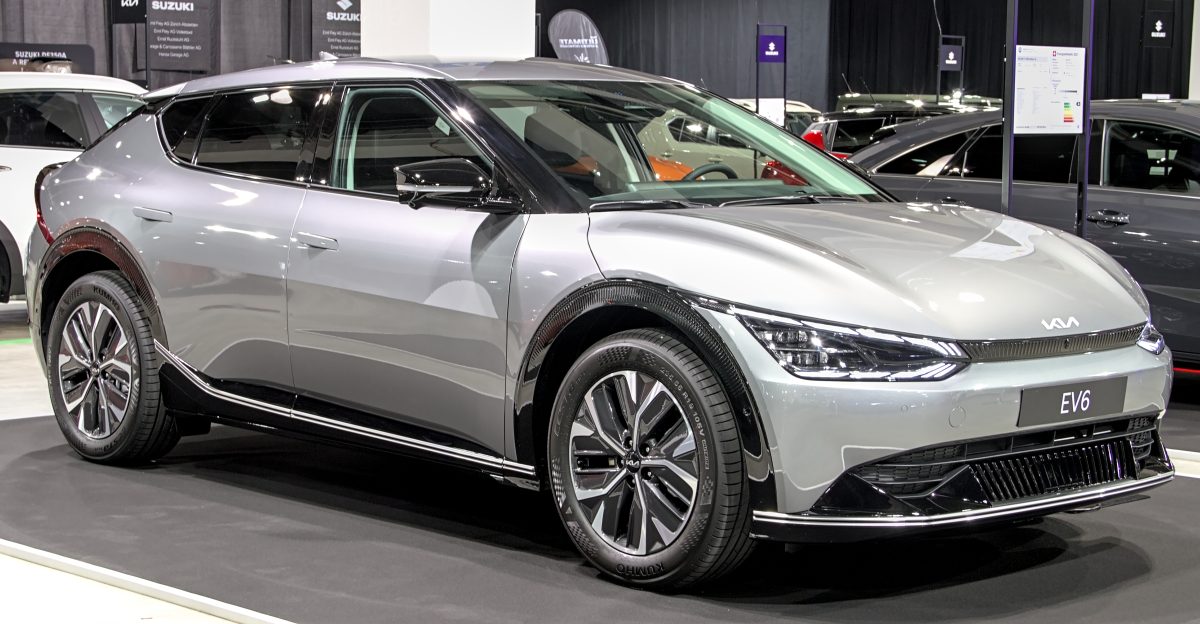
The Kia EV6 also scores 25 and faces a widespread issue tied to the Integrated Charging Control Unit. Consumer Reports found that between 2% and 10% of Hyundai and Kia EV owners experienced related failures. The defect can drain the 12-volt battery, causing a complete shutdown while driving. Some owners reported waiting up to 12 months for replacement parts. The problem illustrates how a single shared component can disrupt thousands of vehicles. That pattern becomes even more concerning when examining how it affects other models built on the same system.
4 — Kia EV9
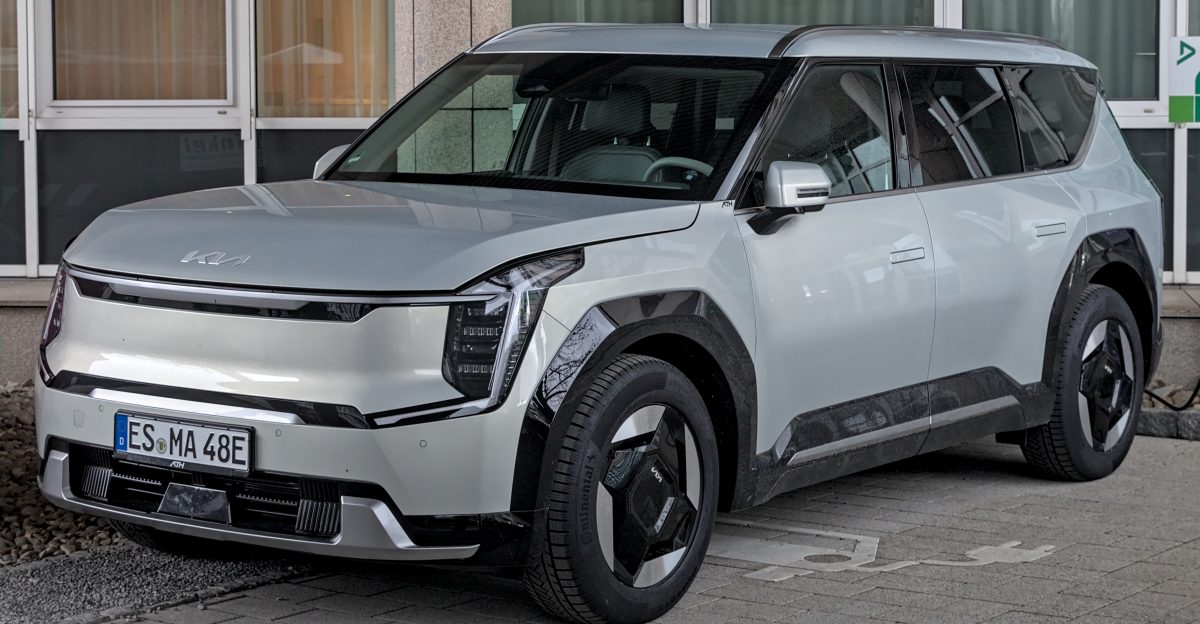
The Kia EV9 scores 24 and shares the same Integrated Charging Control Unit design as the EV6. Owners report breakdowns that leave the vehicle immobile, sometimes on highways. Repair timelines can stretch from weeks to months due to parts shortages. Consumer Reports noted that new platform issues combined with shared components create overlapping risks. One owner described loving the SUV but struggling to trust it after repeated failures. The EV9’s situation reveals how scaling up a platform does not eliminate existing weaknesses, especially when early-stage technology is involved.
5 — Mazda CX-90
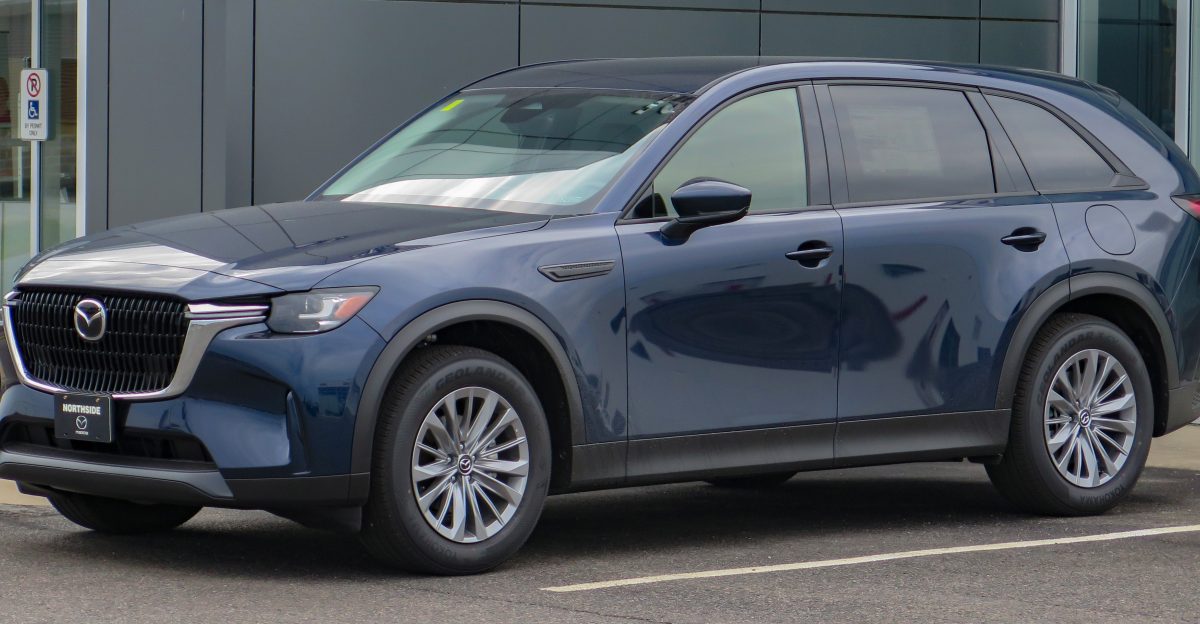
The Mazda CX-90 scores 23, making it the only gas-powered model in the lower half of the list. As a new rear-wheel-drive platform, it faces early production challenges. Owners report issues with the turbocharged inline-six engine, electronics, and infotainment systems. Consumer Reports attributes the problems to a rushed rollout without sufficient real-world testing. The CX-90 shows that modern vehicle complexity affects all powertrains, not just electrified ones. Its presence among EV-heavy rankings adds another layer to the reliability discussion that continues across the list.
6 — Genesis GV60
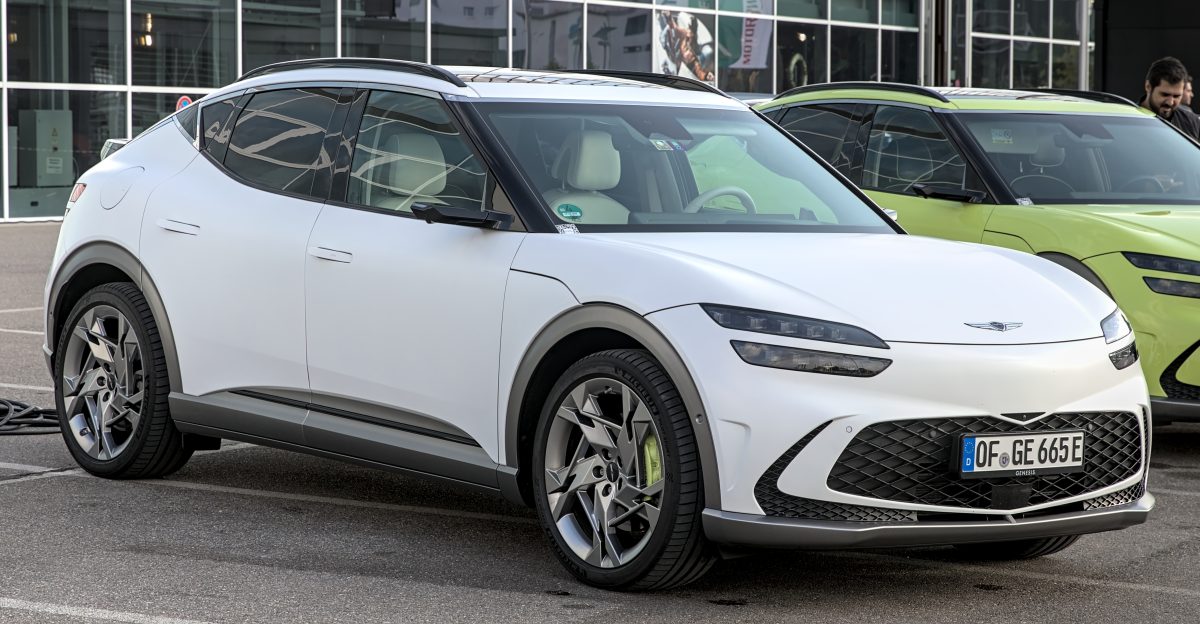
The Genesis GV60 scores 21 and shares its platform with other Hyundai Motor Group EVs. Despite its premium positioning, it suffers from the same Integrated Charging Control Unit failures seen in Kia models. The issue can force the vehicle into reduced power mode or cause a complete shutdown. Consumer Reports highlights that brand positioning does not shield vehicles from underlying engineering flaws. Owners face similar repair delays and parts shortages. The GV60 demonstrates how shared architectures can spread reliability concerns across multiple brands within a single automotive group.
7 — Mazda CX-90 Plug-In Hybrid
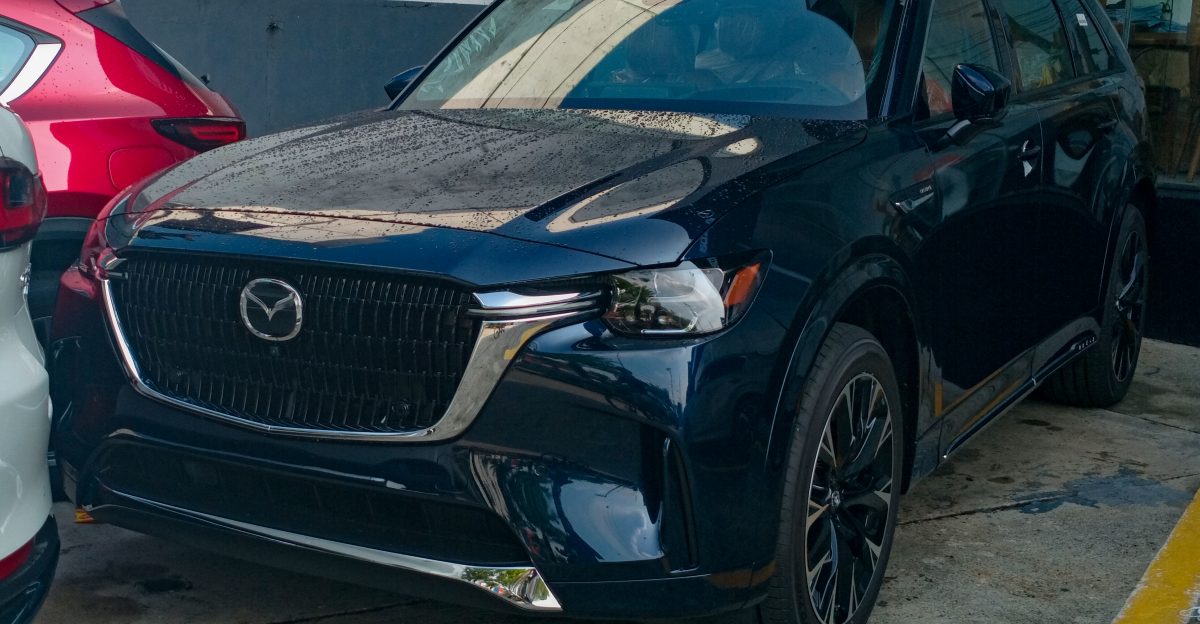
The plug-in hybrid version of the Mazda CX-90 scores 20, performing worse than its gas counterpart. Adding a battery system and electric motor introduces new failure points on an already troubled platform. Owners report hybrid system faults, battery management issues, and charging malfunctions. Consumer Reports confirms that layering new technology onto an unproven design increases risk. The CX-90 PHEV highlights how plug-in hybrids can amplify existing weaknesses instead of resolving them. That trend becomes even more evident when examining fully electric models built from the ground up.
8 — Chevrolet Blazer EV
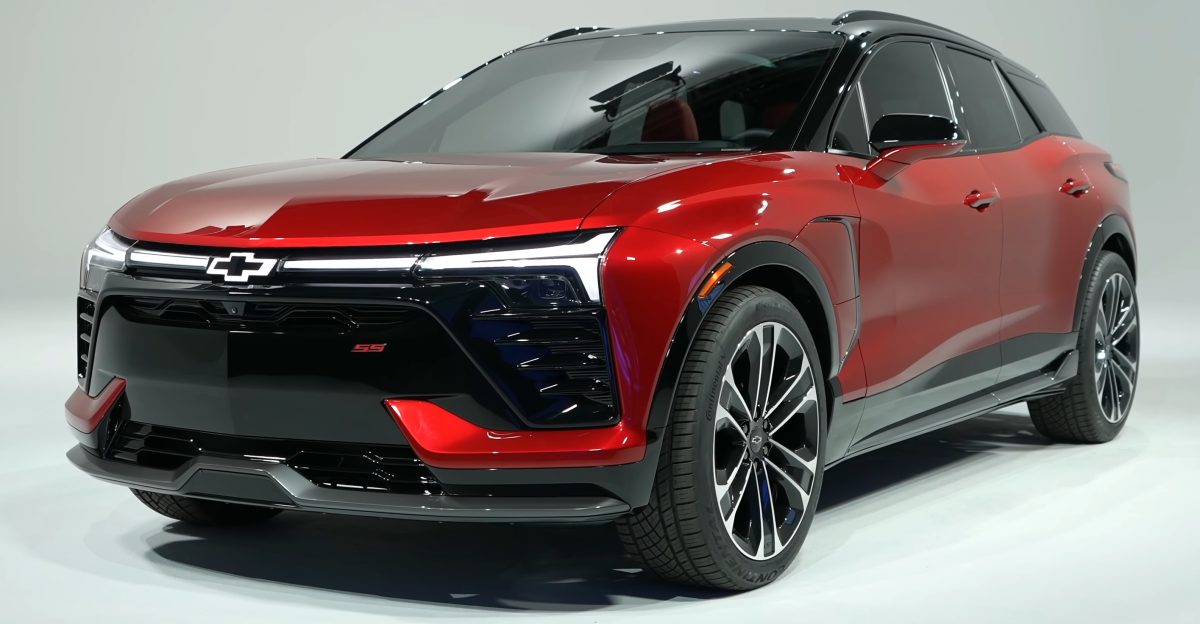
The Chevrolet Blazer EV scores 19 and experienced major issues shortly after launch. In 2024, Chevrolet issued a temporary stop-sale order due to software and electrical failures. During testing, one vehicle produced 23 fault codes in under 2,000 miles. Owners report infotainment crashes, charging interruptions, and propulsion system errors. Consumer Reports links these problems to the rapid rollout of GM’s Ultium platform. The Blazer EV highlights how software complexity can become a major reliability hurdle, especially when new systems are introduced at scale.
9 — Rivian R1T
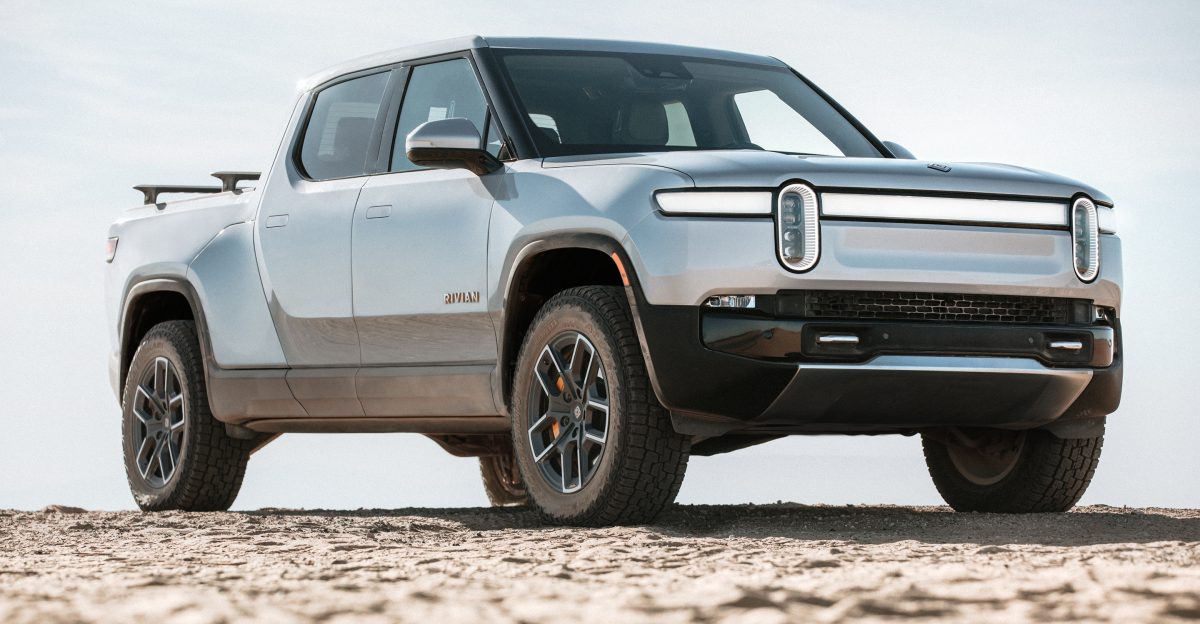
The Rivian R1T scores 18 and remains among the least reliable vehicles for the second consecutive year. Owners report electrical failures, drivetrain issues, and body panel alignment problems. Consumer Reports data includes cases where vehicles required full drivetrain replacement after recall visits. Rivian’s innovative design and strong demand contrast with ongoing manufacturing challenges. Limited production experience and supply chain constraints continue to affect quality. The R1T reflects the growing pains faced by new automakers entering a highly complex industry with little margin for early mistakes.
10 — GMC Acadia
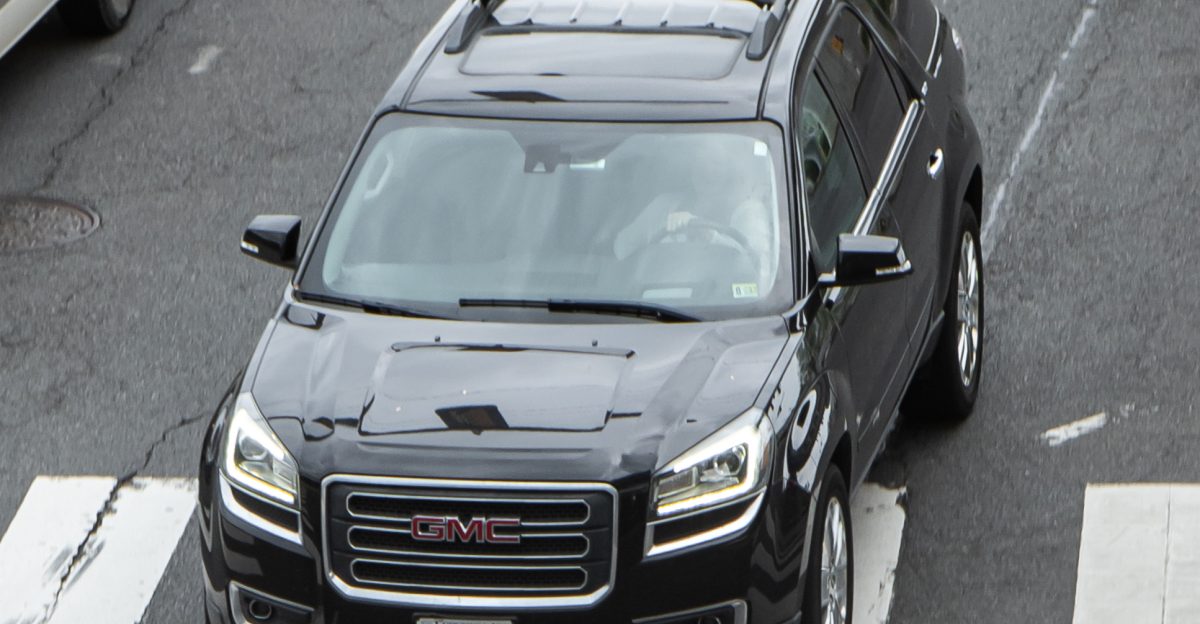
The GMC Acadia lands at the bottom with a reliability score of 14, the worst of all vehicles tested. Despite using a traditional gas engine, it suffers from transmission failures, electrical issues, and infotainment glitches. Consumer Reports links these problems to ongoing quality control challenges within GM’s SUV lineup. The Acadia’s performance shows that reliability concerns are not limited to electrification. Conventional vehicles can still struggle when development and testing fall short. Its position at the bottom raises a final question about where the industry goes next.
What This Means For Buyers Today
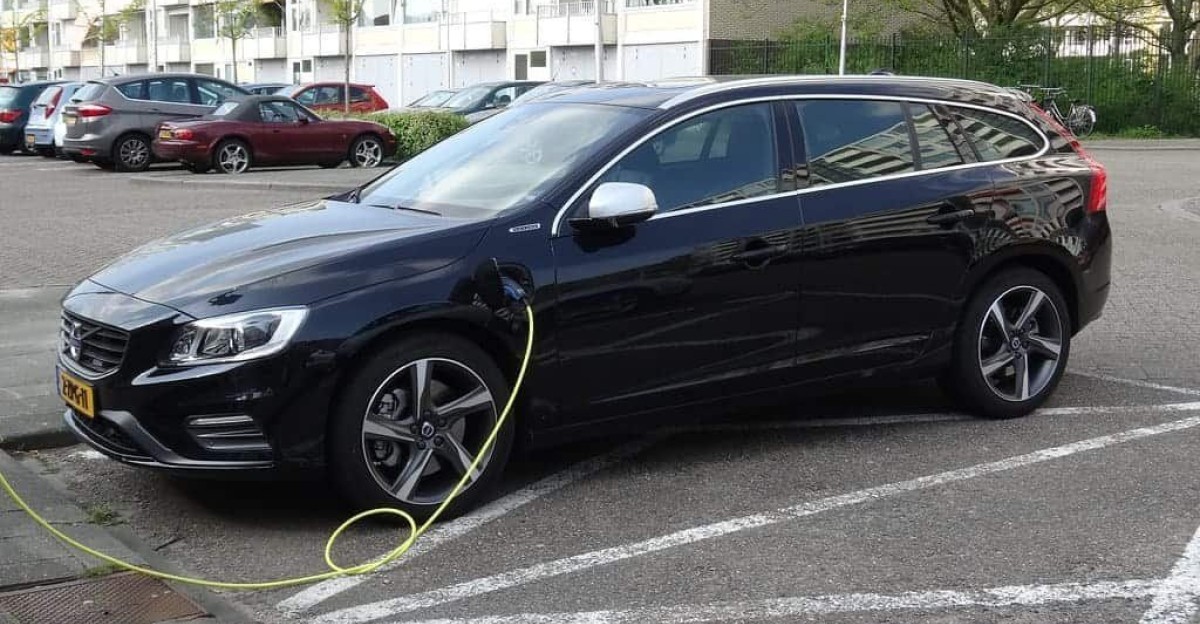
The results from 380,000 vehicles show a clear trend. Electric vehicles and plug-in hybrids average 80% more problems than gas models, while traditional hybrids report 15% fewer issues. Seven of the 10 lowest-ranked vehicles are electrified, often sharing common weaknesses like charging system failures and software instability. Consumer Reports data suggests that rapid development timelines play a major role in these outcomes. Buyers face a tradeoff between new technology and proven reliability. As automakers refine their platforms, future rankings may look very different.
Sources:
10 Least Reliable Cars. Consumer Reports, 2026.
Hybrids Are Still the Most Reliable Cars, CR Survey Shows. Consumer Reports, 2026.
Consumer Reports Releases Its 2026 Automotive Brand Report Card. Consumer Reports, December 2025.
Hyundai Ioniq, Kia ICCU Failure Investigation. Consumer Reports, 2025.