$30B Tariff Shock Collapses Car Loyalty To 49%—But Honda SUV Owners Won’t Budge
Somewhere in a dealership finance office, a buyer who swore they’d shop around just signed papers on the same brand they drove in with. Not because they wanted to. Because the math said so. JD Power’s 2025 Brand Loyalty Study dropped, and the headline number should rattle every automaker in America: overall brand loyalty fell to 49%, down from 51% the year before. That two-point slide sounds small. It represents millions of households walking away from brands they once trusted. And one company’s owners refused to leave.
The Tariff Bomb Nobody Could Dodge

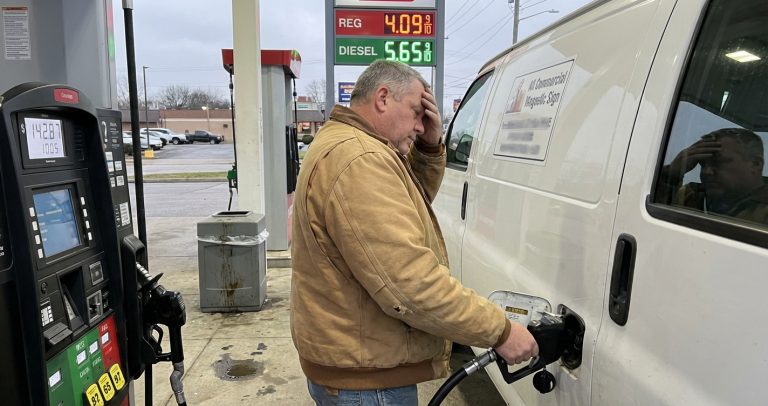
U.S. tariffs dumped $30 billion in costs onto the auto industry in 2025. Imported vehicles absorbed $5,000 to $8,900 in price hikes per unit. Average MSRPs climbed 10.4%, though consumers paid roughly 5.9% more in practice as dealers absorbed the remainder. That kind of sticker shock doesn’t just change what people buy. It changes when they buy. And among consumers who said tariffs affected their purchase decision, 87% accelerated their purchases, rushing to lock in prices before the next wave hit. That panic rewired the entire loyalty equation, turning planned decisions into deadline-driven scrambles toward whatever brand felt safest.
Honda’s Quiet Stranglehold
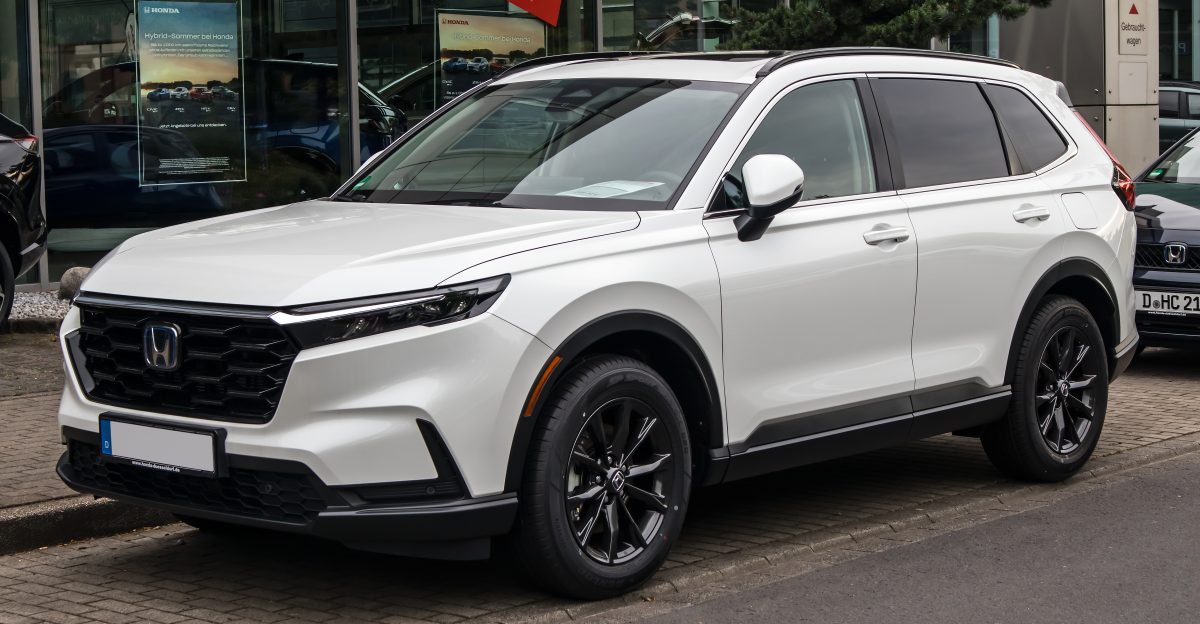
Most people assume CR-V owners come back because they love the car. Reasonable guess. Wrong answer. Honda topped mass-market SUV loyalty at 62% for the second consecutive year, beating Subaru’s 60.6% and lapping the 49% industry average by 13 full points. The CR-V moved 403,768 units in 2025, fourth among all vehicles sold in America. JD Power’s Tyson Jominy offered the quiet confession buried in the data: “Brand loyalty is often associated with higher residual values, making vehicles from trusted brands a more financially sound choice.” Not love. Math.
The Trap Disguised as Trust
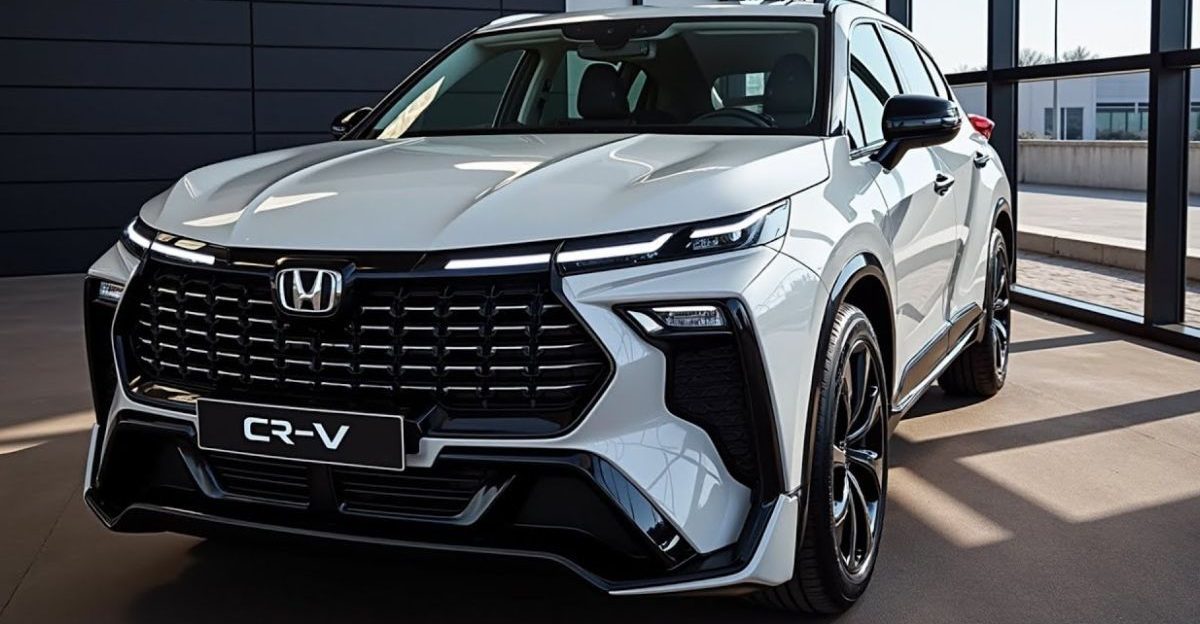
Here is what 62% loyalty actually means. A CR-V holds its resale value better than most competitors. Sell it and buy a Forester, and you absorb the depreciation gap plus the new-vehicle premium. In a recent MotorTrend comparison test of the 2026 CR-V TrailSport against the RAV4 Woodland and Forester Wilderness, a test in which the CR-V finished third overall, the CR-V undercut both competitors by $1,330 to $1,495 at those specific trim levels. Switching costs more than staying. That’s not preference. That’s a financial cage. When tariffs drove panicked buying among affected consumers, Honda owners stayed put. Not out of confidence. Because leaving would have cost thousands more than staying did.
Ford’s Truck Kingdom Runs on the Same Fuel
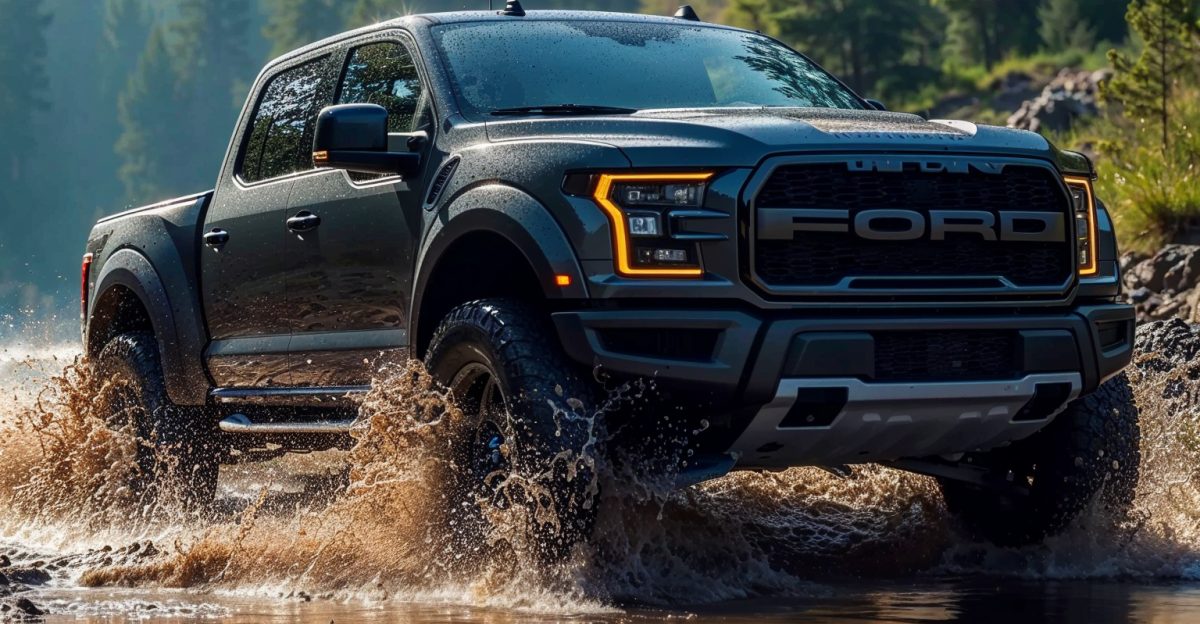
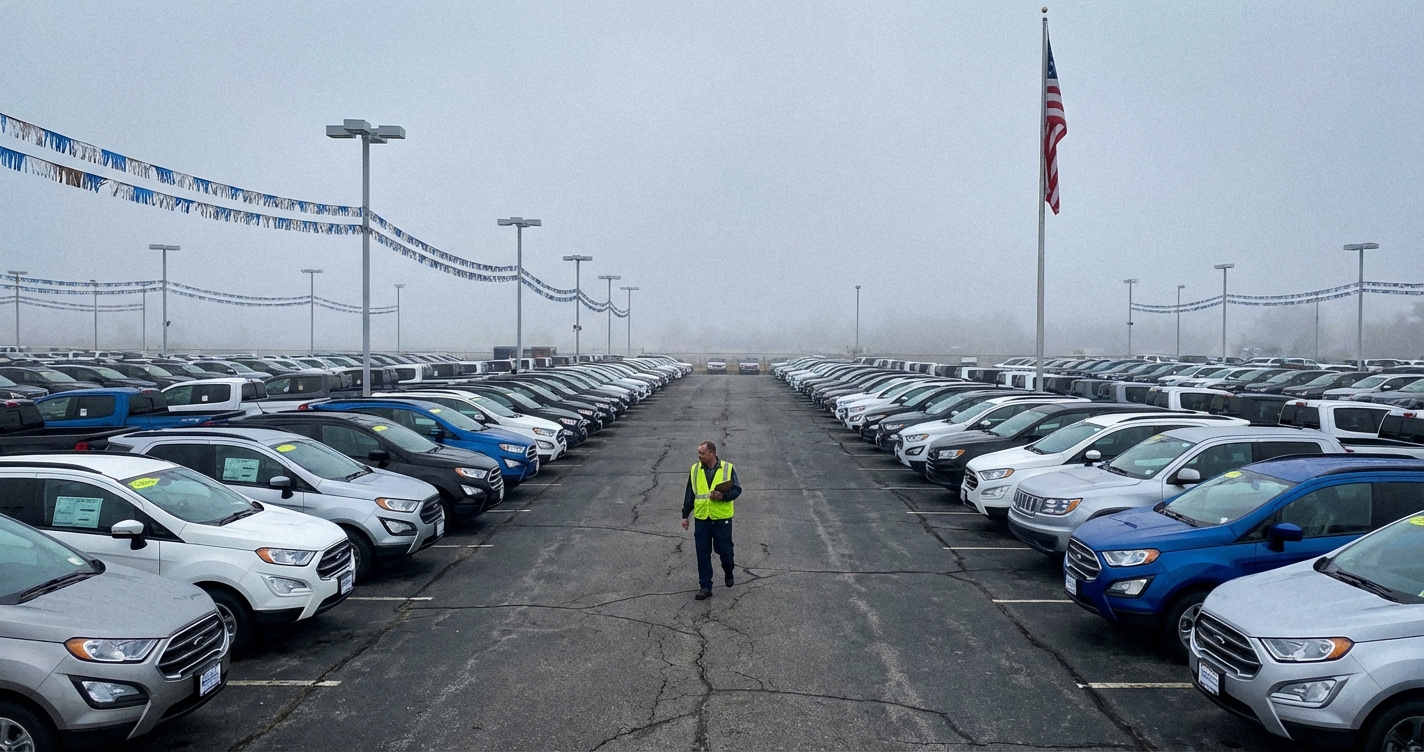
Ford truck owners posted 66.6% loyalty, the highest rate in the entire JD Power study, for the fourth consecutive year. The F-Series sold 828,832 units and claimed its 49th straight year as America’s best-selling truck. Ford’s blog boasted the company is “solving problems that our customers don’t always know how to articulate.” Meanwhile, among consumers who said tariffs influenced their decision, 87% purchased their vehicle sooner than intended. That’s not problem-solving. That’s a customer base herded by deadline pressure into a brand they were already financially locked into.
When Quality Stopped Mattering
Academic research tracking North American auto sales found that during periods of market volatility, such as the 2020 pandemic disruption, the correlation between product dependability scores and sales volumes turned negative (-0.732). In those conditions, supply constraints and panic-buying behavior overrode quality signals, meaning loyalty and availability drove purchases more than dependability ratings did. Lexus topped premium SUV loyalty at 57.4%, yet Honda’s mass-market SUV loyalty rate of 62% exceeded it by 4.6 points, a comparison across two separate JD Power study segments, but a striking one nonetheless. Luxury badge, premium price, higher prestige. Didn’t matter. Honda’s residual-value architecture outperformed Lexus’s brand cachet when wallets tightened.
The Loyalty Bifurcation
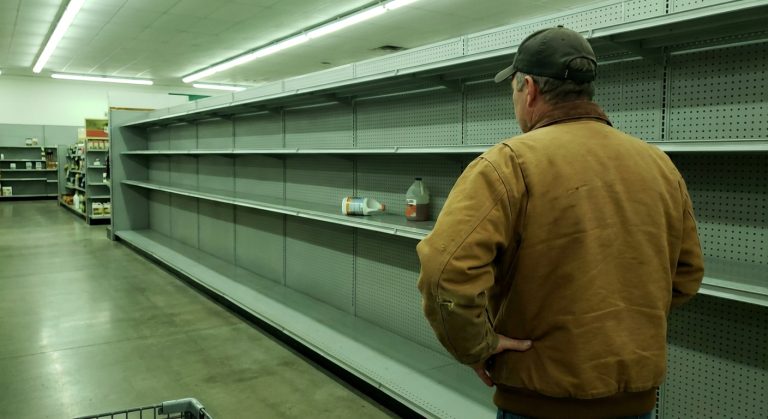
The market split in two. Honda, Ford, Toyota, and Lexus held loyalty above 57%. Everyone else bled. Tier-two brands face a grim trajectory: tariff-displaced buyers flee toward “safe” established names, and those defections compound. Imported European brands absorbed $5,000 to $8,900 in tariff premiums, widening the price gap against domestic competitors. Middle-class families couldn’t afford to experiment. They retreated to brands whose resale values promised the least financial pain. Consolidation around the top four accelerated not because those brands improved, but because switching away from them got more expensive.
The New Rule Nobody Named
Jominy added a caveat most outlets buried: “Buyer loyalty tends to weaken when shifting to a different vehicle segment.” That admission reveals the depth of the trap. Honda’s 62% loyalty is model-specific, not brand-deep. CR-V owners return to CR-Vs. Move them to a sedan, and the spell breaks. Loyalty isn’t about Honda. It’s about the financial architecture surrounding one specific vehicle in one specific segment. Once you see that, every “brand loyalty” headline reads differently. The 2025 tariff shock didn’t test brand love. It tested switching costs. Switching costs won.
The Demand Cliff Ahead
Those buyers who rushed their purchases in 2024 and 2025 under tariff pressure are unlikely to return to market for several years, a natural consequence of compressing future demand into the present. Analysts broadly expect deferred demand to weigh on 2026 and 2027 model sales unless automakers flood the market with incentives. The used-car market faces a potential reckoning too: a cohort of tariff-accelerated CR-Vs and F-Series trucks could approach trade-in age simultaneously around 2027 and 2028, which may pressure the resale values that brand loyalty currently depends on.
Captivity Has an Expiration Date
If tariffs remain elevated through 2026, analysts expect further consolidation around the established loyalty leaders, Ford, Honda, Toyota, and GM, while smaller brands and newer entrants face continued defection pressure. EV startups face a particular headwind: as federal EV incentives have been rolled back and entry-level affordability tightens, some traditional buyers are gravitating back toward proven gas and hybrid nameplates. But here’s what most people won’t realize until it’s too late: the next interest rate spike, the next subsidy rollback, the next insurance squeeze will trigger the exact same panic-buying cycle. Automakers now know loyalty is hostage to policy, not product. The brands that survive won’t build better cars. They’ll build better financial traps.
Sources:
“2025 U.S. Automotive Brand Loyalty Study.” J.D. Power, September 2025.
“Tariffs Accelerate Buying Decisions While Transparency Drives Sales Satisfaction.” J.D. Power / CBT News, November 2025.
“Tariff Costs: New Car Prices Up 10% Since Last Year.” Kelley Blue Book / Cox Automotive, March 2026.
“Ford Sales Rose 6% in 2025 on Torrid Truck, Hybrid Demand.” Ford Motor Company, January 2026.
“Brand Loyalty and Customer Satisfaction as Drivers of Automotive Sales: A Longitudinal Study.” ACR Journal, October 2025.