$302,500 Chevelle Makes Springsteen’s Collection One Of Rock’s Most Valuable—But Only One Car Isn’t American
A 1957 Chevrolet Bel Air with dual four-barrel carbs, a Hurst shifter, and orange flames painted across the hood. Not displayed behind velvet ropes, but parked in a New Jersey driveway in 1975. Its owner is a 25-year-old musician new to car ownership.
Ten years eligible to drive, yet no vehicles. Rock’s most famous gearhead spent those years without a set of keys. The album released months after that purchase would go on to change American music forever.
The Songwriter’s Studio
“Born to Run.” “Thunder Road.” “Backstreets.” Springsteen bought that flame-painted Bel Air in May 1975, just months before those songs reached the world on Born to Run. The songs were already finished, but the car matched their energy—gritty, loud, and fast.
Most celebrity car collections exist for photo shoots. Springsteen used his cars as workspaces, writing desks with V8 engines. The Bel Air later found a home at the Rock and Roll Hall of Fame in Cleveland, then at a New York annex. After that, it disappeared from public view.
Too Recognizable
The yellow Bel Air started attracting too much attention. Fans recognized it everywhere. Springsteen bought a black 1960 Corvette C1 from an ice cream stand attendant as a less conspicuous daily driver. That was his version of staying under the radar.
He still owns the Corvette. This habit challenges the usual image of wealthy musicians collecting Ferraris and Lamborghinis as trophies. Springsteen kept choosing American muscle cars linked to moments in his life. Each one marked a chapter.
The Ten-Year Gap
Rock’s most famous car-song composer spent his entire teenage and young-adult years without a car, while others lived out the muscle-car dream he would later write about. Born in 1949, legally able to drive at 16, he didn’t buy his first car until 25. “Born to Run” came from imagination, not autobiography.
The freedom in those songs was something he dreamed up, not something he lived. Listeners projected their own journeys onto his lyrics. That invented mythology gave the songs their lasting power.
Platinum, No Keys
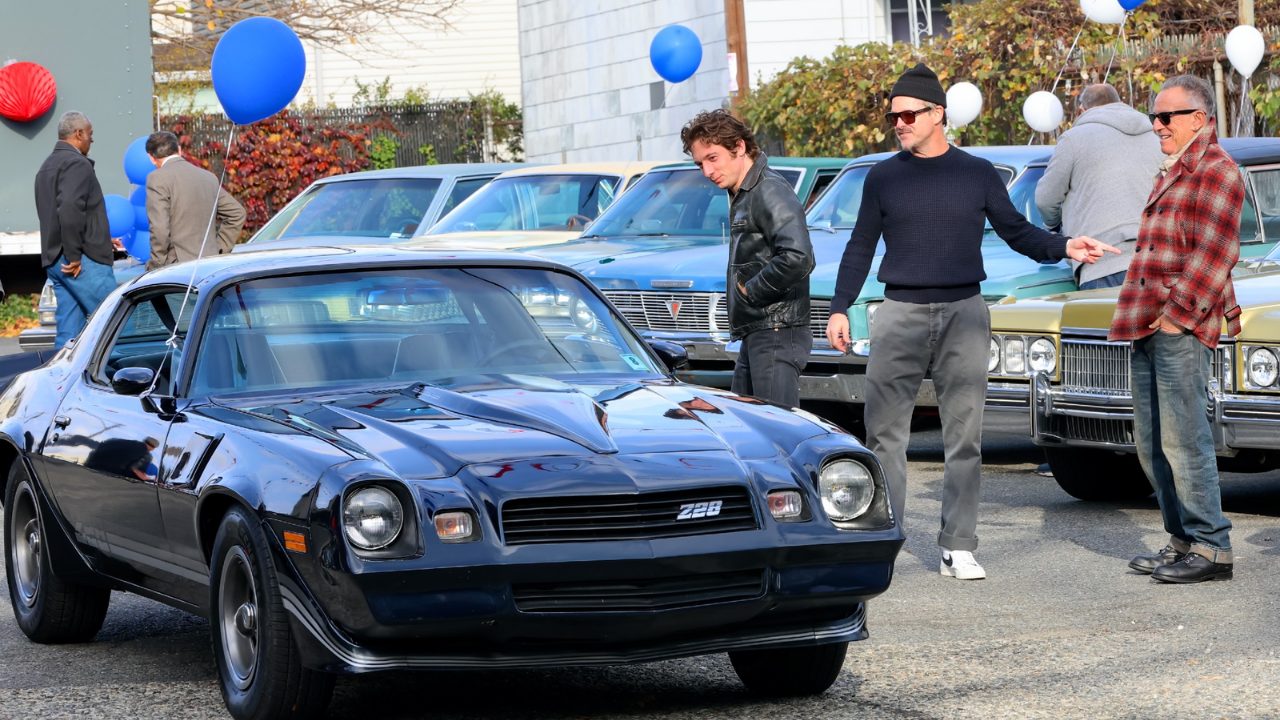
Springsteen bought his first brand-new car, a 1982 Chevrolet Z28, for about $11,000 after years of platinum records and sold-out shows. Seven years into superstardom, he finally walked into a dealership for his own set of keys. The 5.0-liter V8 made 145 horsepower and about 235 pound-feet of torque.
Modest numbers for a muscle car, even more so for a millionaire. That was the point. Blue-collar values stick around, even when royalty checks arrive. The Z28 was proof of that.
$302,500
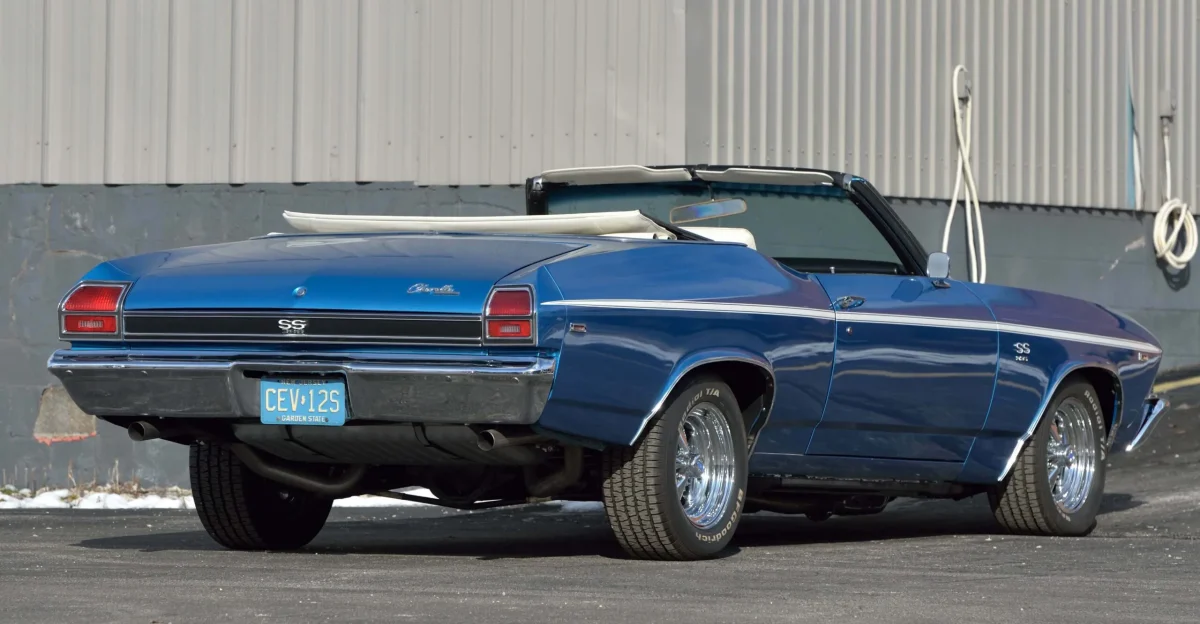
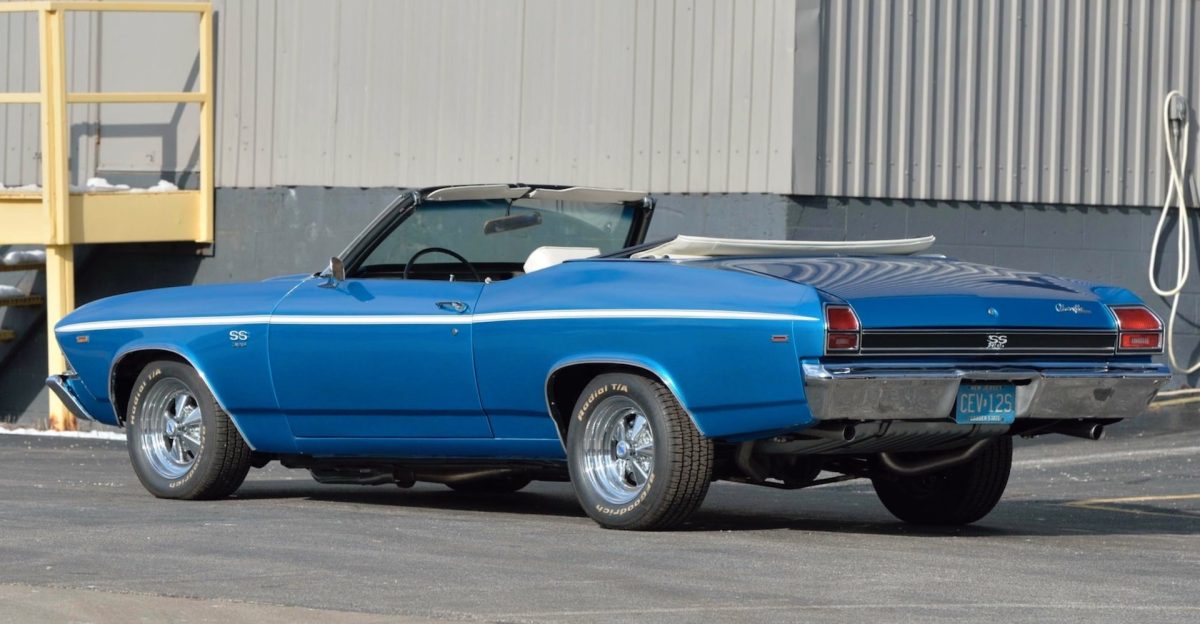
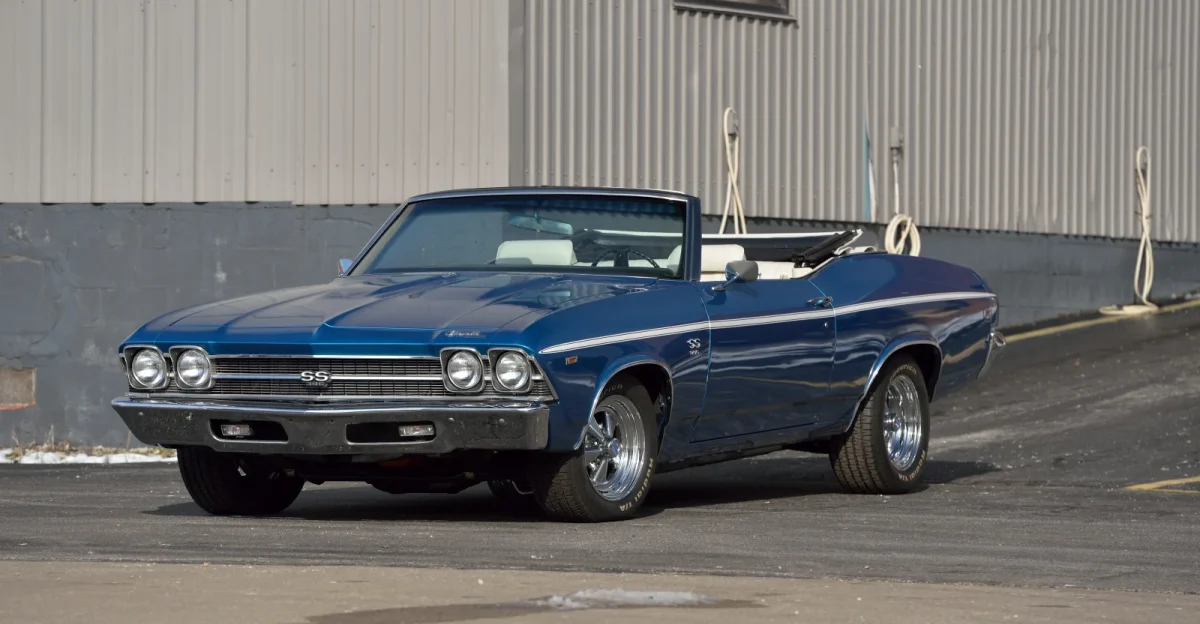
The 1969 Chevelle 396 convertible sold at auction for $302,500, making it one of the priciest Chevelles on the market. Le Mans Blue, 325 horsepower, Hurst T-handle shifter, and fully restored with white stripes. The high price had nothing to do with rarity. Plenty of Chevelle 396 convertibles still exist.
This one belonged to the songwriter who made a ’69 Chevy with a 396 a legend in “Racing in the Street.” The car’s history drove its value. Few musicians see their cars fetch six-figure sums because of the stories tied to their songs.
Pink Cadillac’s Shadow
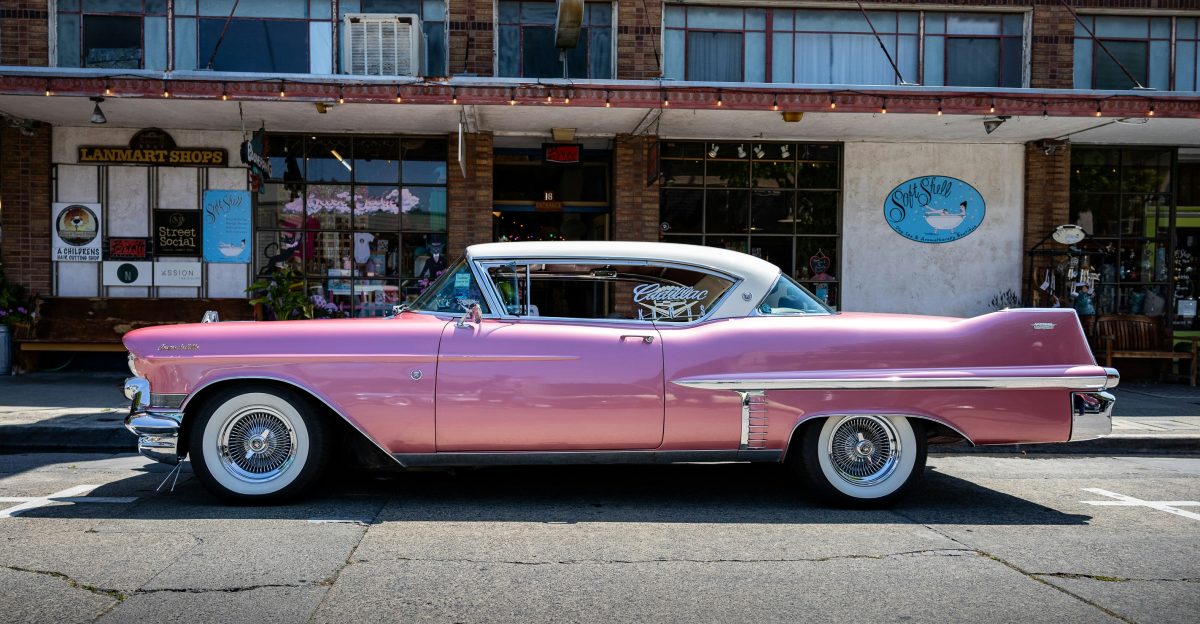
“Pink Cadillac” spent 14 weeks on Billboard’s Top Tracks chart after its 1984 release as a B-side to “Dancing in the Dark.” “Cadillac Ranch” turned a real art installation in Amarillo, Texas, into a piece of music history. Over the years, dozens of car-themed songs filled his catalog.
Yet Springsteen never put a car on an album cover. The 1982 Nebraska album showed only a windshield view. The cars stayed in the lyrics, not on the packaging. That restraint created a new auction category and surprised collectors.
American Parts
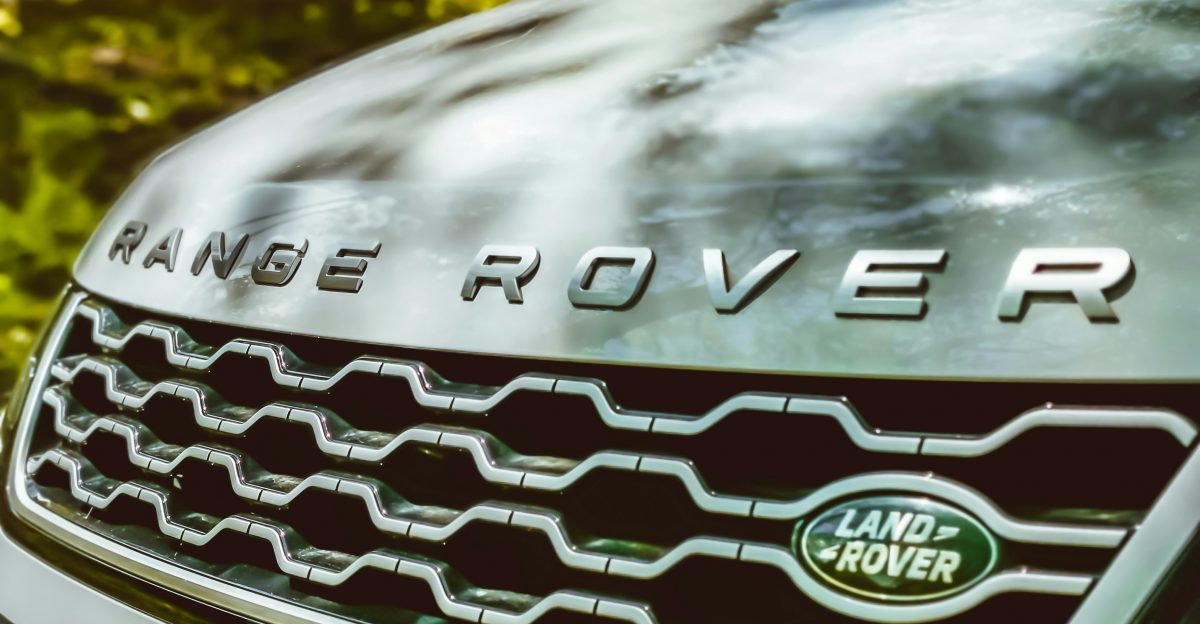
The only European car in the collection is a 2009 Range Rover L322, powered by a Jaguar V8 developed under Ford’s corporate ownership of both brands. Ford controlled Land Rover until 2008, and from the 2006 model year, Range Rovers started sharing powertrains with Jaguar.
By 2009, Tata Motors owned both brands, but the engine traced its corporate lineage back to Ford. The foreign car with a Ford-era engine reflects the artist’s own story: American roots with a global reach. Every car in the collection serves a purpose.
Daily Driver
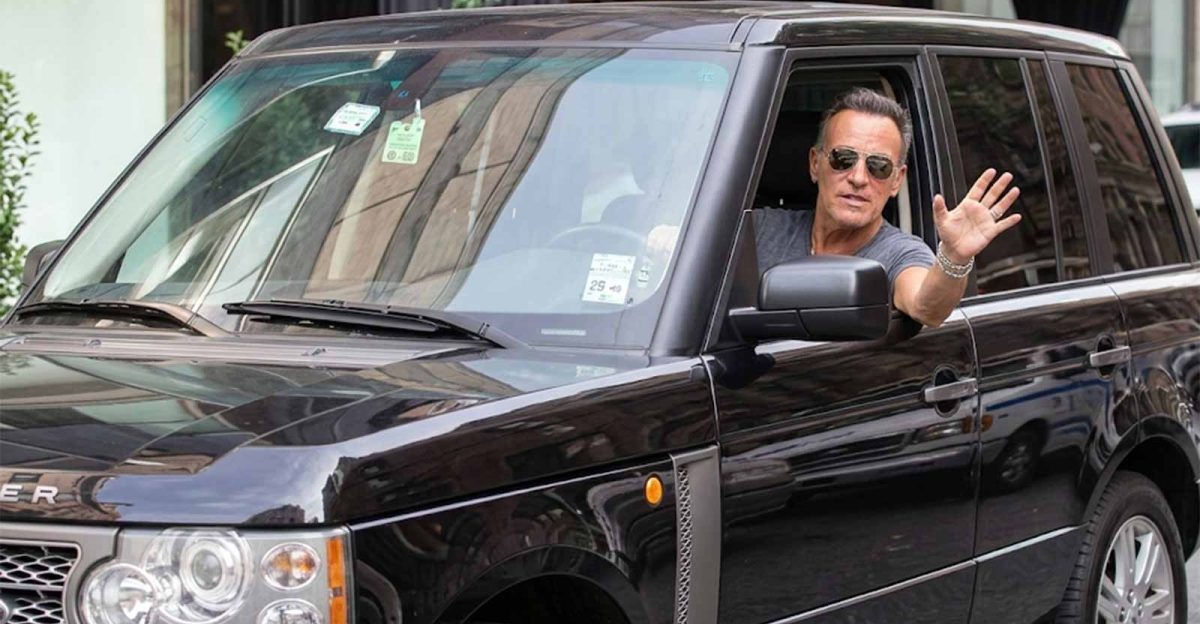
Springsteen drives the Range Rover and Jeep Cherokees every day. These aren’t weekend showpieces or garage queens under dust covers, but working vehicles. He faced a DWI charge in November 2020, months before starring in a Jeep commercial during Super Bowl LV. The charge was dropped when his blood alcohol level measured .02, far below New Jersey’s .08 legal limit.
The collection stands at a crossroads. Springsteen turns 77 this year. The future of these cars—whether in museums or auction houses—remains uncertain.
The Collection’s Real Value
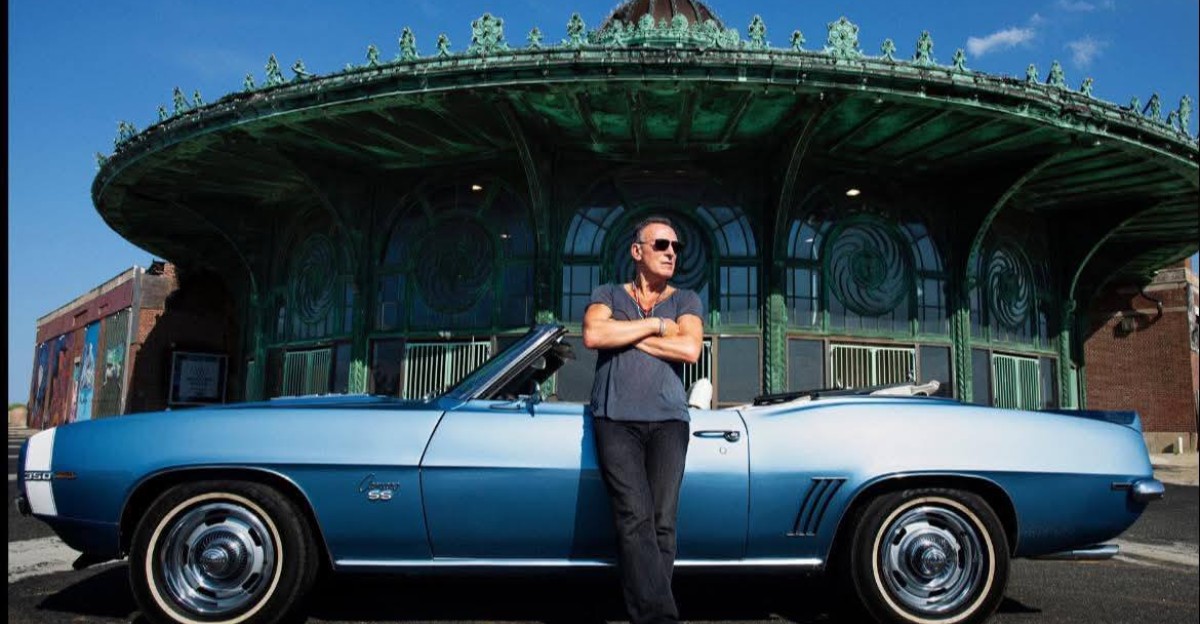
Most celebrity garages speak to wealth. Springsteen’s collection marks the moment when the music happened. The Bel Air belonged to the Born to Run era. “Racing in the Street” made a ’69 Chevy with a 396 a legend, and Springsteen later bought the Chevelle to match. The Z28 was the first new car he allowed himself to buy after going platinum.
Every vehicle documents a creative chapter. The $302,500 Chevelle showed that collectors see the value in the story, not just the machine. The next buyer isn’t just getting a car. They’re getting a piece of a song.
Sources:
The Drive — “Bruce Springsteen’s ’57 Chevy Bel Air Is on eBay Right Now” — December 14, 2016
Fox News Autos — “Bruce Springsteen’s ‘Racing’ 1969 Chevrolet Chevelle Sold for a Fortune” — May 21, 2023
Corvette Action Center — “[Throwback Thursday] Bruce Springsteen and His 1960 Corvette” — October 21, 2020
NJ.com — “Bruce Springsteen Has DWI Charges Dropped, Pleads Guilty to Drinking at Federal Park” — February 24, 2021
Hagerty Media — “34 Years Ago, the Boss Made Pink Cadillac Sing” — February 9, 2023
Curbside Classic — “The 2003–2012 ‘L322’ Range Rover — New Heights, Horizons” — July 12, 2023