3 Ramming Attacks In 48 Days Force Detroit To Drop 9,000-Pound Concrete Blocks Outside Its Airport
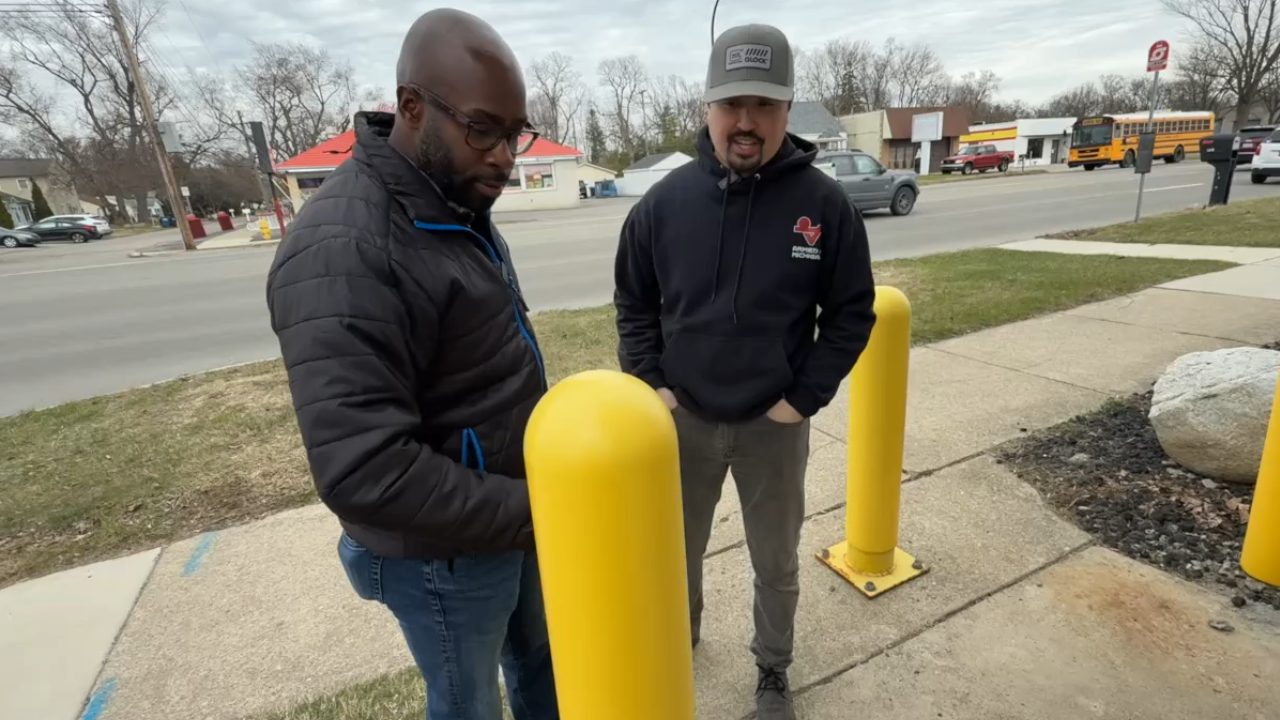
On January 23, 2026, a Mercedes-Benz punched through the entrance of Detroit Metro Airport’s McNamara Terminal, struck the Delta ticket counter, and injured six people. The bollards standing guard outside those doors collapsed on contact. They were hollow stainless steel shells. Decorative. Zero stopping power. A security analyst confirmed the failure was “far too common” and “nearly cost people their lives.” Within 11 days, 9,000-pound concrete barriers lined every terminal entrance. That speed tells you everything about how badly the old system failed. The concrete blocks were just the beginning.
Why Hollow Shells Were There in the First Place
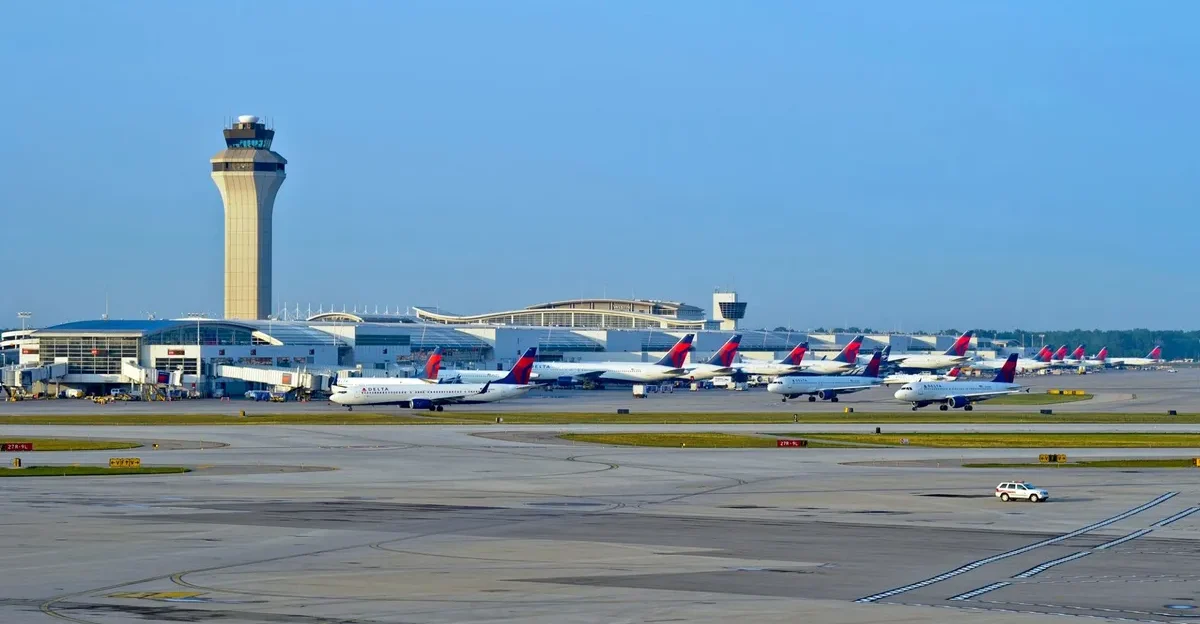
Soft targets like airports are designed around pedestrian flow, not fortification. Open entrances, wide drop-off lanes, easy access. Bollards were supposed to bridge that gap: stop vehicles without blocking people. But no federal mandate requires crash-rated bollards at soft-target venues. The ASTM F2656 standard exists. K4 bollards stop a 15,000-pound truck at 30 mph. K12 bollards stop one at 50 mph. Both are certified, tested, proven. Neither was installed at Detroit Metro. Decorative shells cost roughly $100 per unit. Crash-rated bollards run $1,000 to $5,000. That price gap created the vulnerability.
Your Airport Drop-Off Just Changed
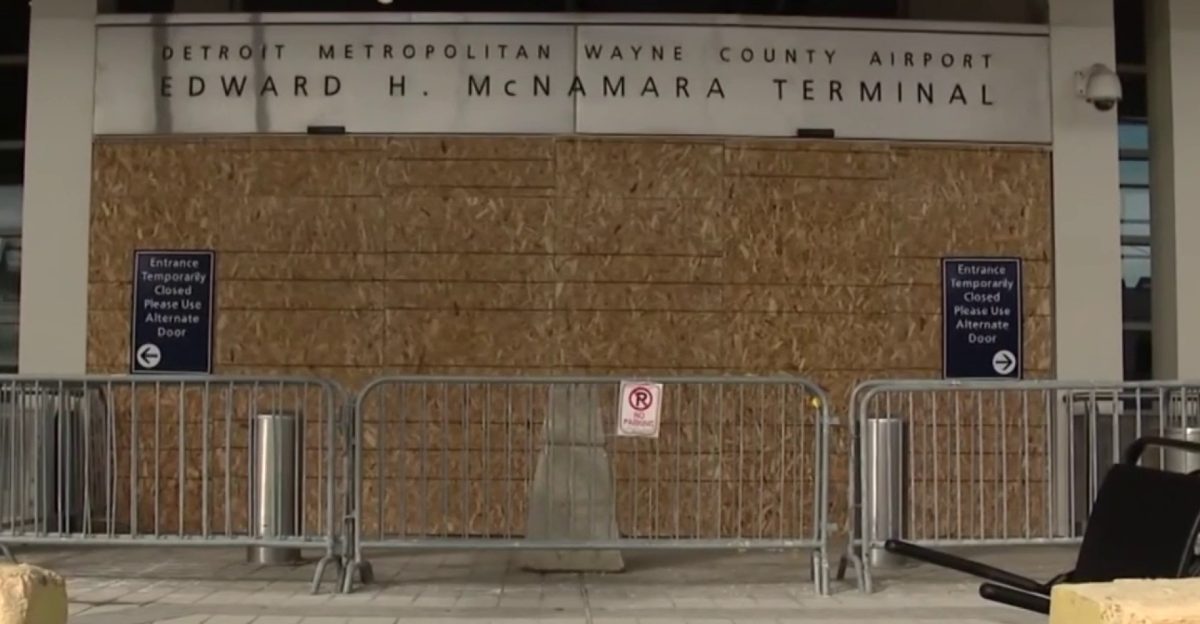
Families dropping off passengers at Detroit Metro now navigate massive yellow concrete barriers staggered across every terminal entrance. Wayne County Airport Authority CEO Chad Newton, who spent 27 years at the facility, called the January 23 incident “unprecedented” and said it “definitely changed our security posture.” The 9,000-pound Jersey Barriers went up as temporary measures on February 3. Permanent crash-rated solutions remain under evaluation because the departures level sits above arrivals, creating weight distribution challenges for heavier barriers. Temporary just became the new normal. And the attacks kept coming.
Three Attacks, 48 Days, One Pattern
Five days after Detroit, on January 28, a man drove a Honda Accord repeatedly into the entrance of Chabad headquarters in Brooklyn after removing protective barriers. Then on March 12, a man armed with a rifle rammed a vehicle into Temple Israel in West Bloomfield, Michigan, the nation’s largest Reform synagogue with 12,000 members. Three ramming attacks in 48 days. The Mineta Transportation Institute documented 27 such attacks globally in just nine months. The U.S. leads the world with 85 since 2012. This clustering forced every soft-target venue in the region to reassess.
The Bollard Market Nobody Saw Coming
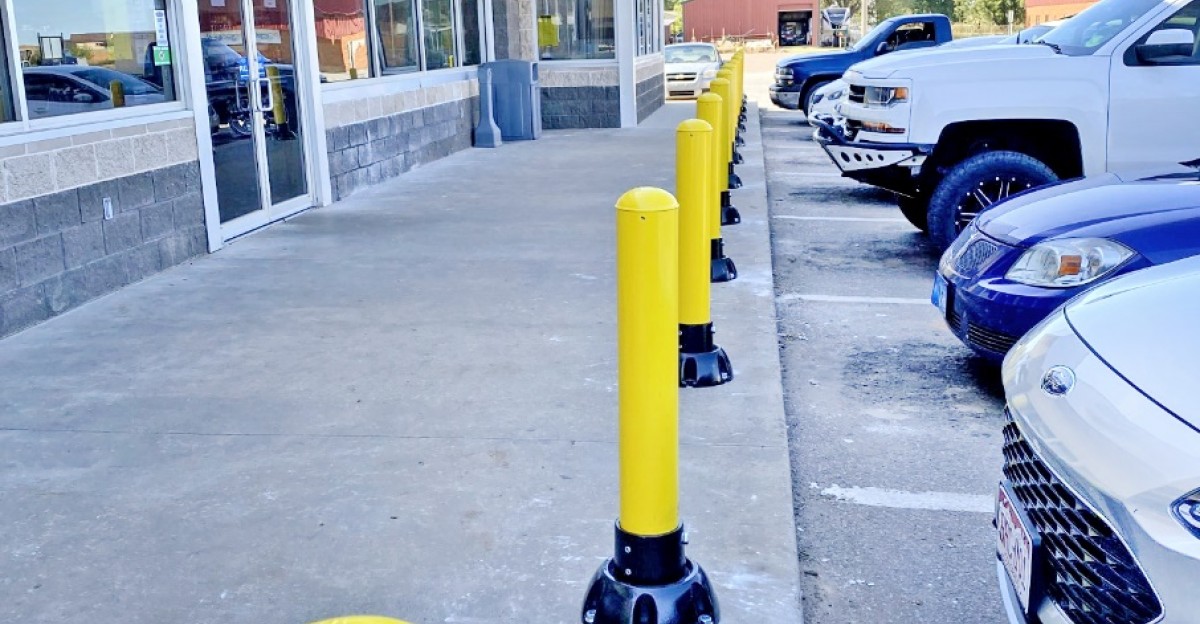
The automated barriers and bollards market is projected to reach $27.39 billion by 2030, growing at a CAGR of 3.80%. Vehicle-ramming incidents are explicitly cited as a primary growth driver in vendor forecasts. Think about that: security companies are building revenue models around attack data. Regional contractors specializing in bollard installation face capacity constraints and rising prices. Metal fabricators producing crash-rated units report backlogs. One attack vector created an entire industry boom, and the vendors selling the fix are profiting from the failure they helped enable by offering cheap decorative alternatives for decades.
The System That Connects Every Ripple
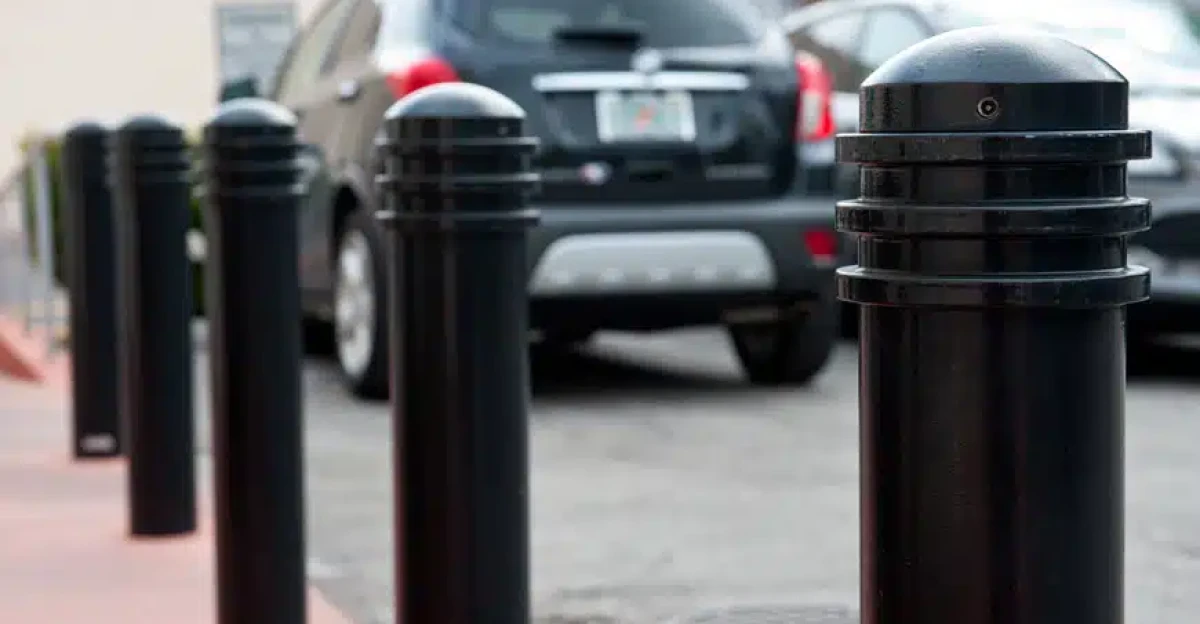
Here is what ties all of this together. The bollard industry sells decorative and crash-rated products that look identical from the outside. No federal standard forces venues to choose the real ones. Venues pick the cheap option. Attacks expose the failure. Vendors then sell the expensive fix. Same companies, both sides of the transaction. Attack cluster in Detroit. Bollard orders spike nationally. Vendor revenue projections climb. Regional budgets absorb millions. Your airport. Your synagogue. Your hospital lobby. Your kid’s school entrance. All operating under the same unregulated choice between appearance and protection.
The Quote That Exposed Everything
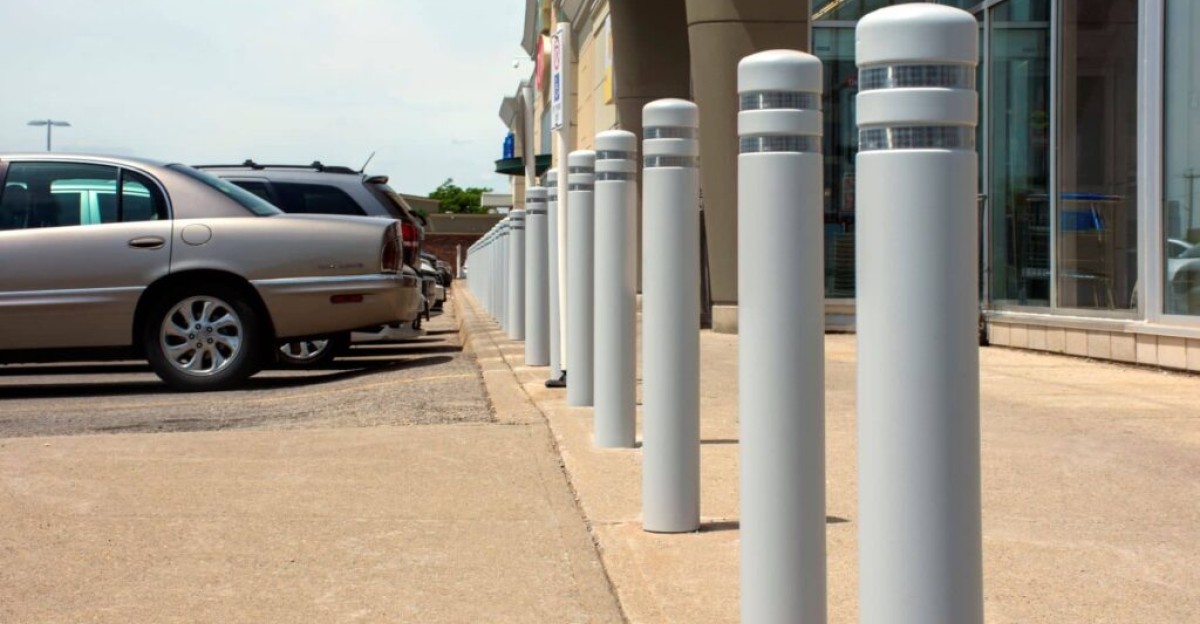
“The bollards that were in place to protect the entrance doors were actually just hollow stainless steel shells, not actual protection bollards. This is something that is far too common and, in this attack, nearly cost people their lives.” That assessment came from Ideal Shield’s security analysis of the Detroit Metro incident. “Far too common.” Not an isolated failure. A systemic one. Temple Israel’s security preparations, including real bollards and armed guards trained by the FBI, saved lives on March 12. The suspect died from a self-inflicted gunshot wound during a gunfight with trained security personnel. Preparation worked where decoration failed.
New Rules Are Coming
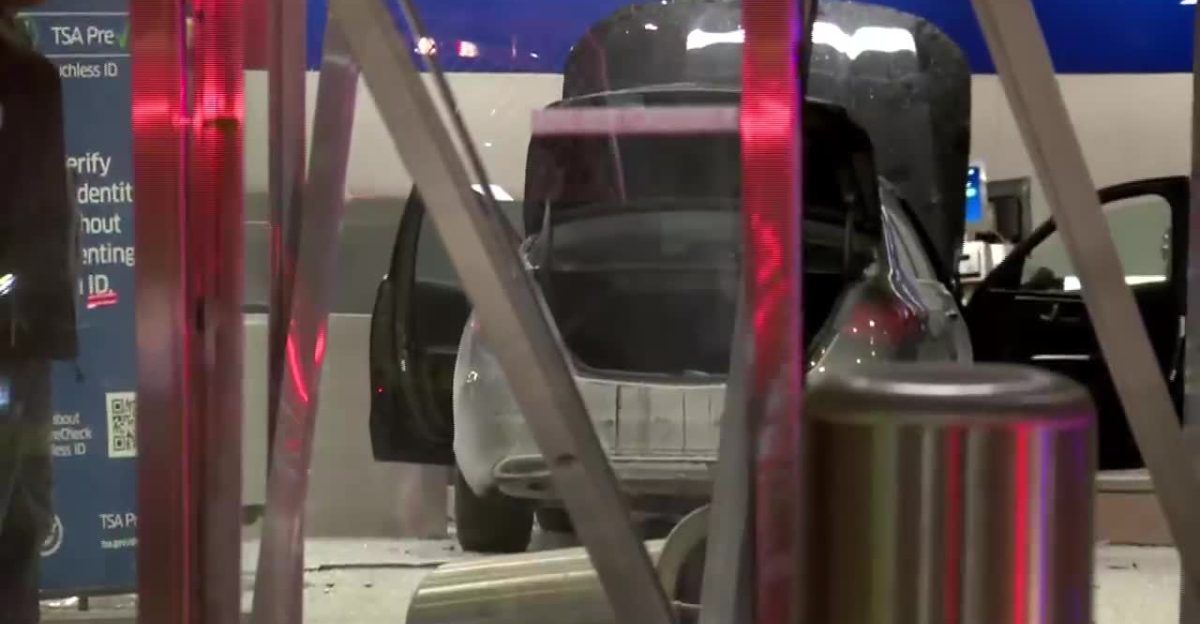
The January 23 incident marks the first major vehicle-ramming attack at a U.S. airport terminal. That distinction matters legally. Venues that install non-crash-rated bollards now face heightened negligence liability if a future attack succeeds. The precedent shifts the calculus: install certified barriers or accept the lawsuit. If attacks continue clustering at this rate, federal authorities could impose mandatory crash-rating standards, similar to post-9/11 security mandates. The Gordie Howe International Bridge already installed 34,000 custom stainless steel fence posts standing 9.5 feet tall. That is what compliance looks like at scale.
Who Wins, Who Loses, What You Should Know
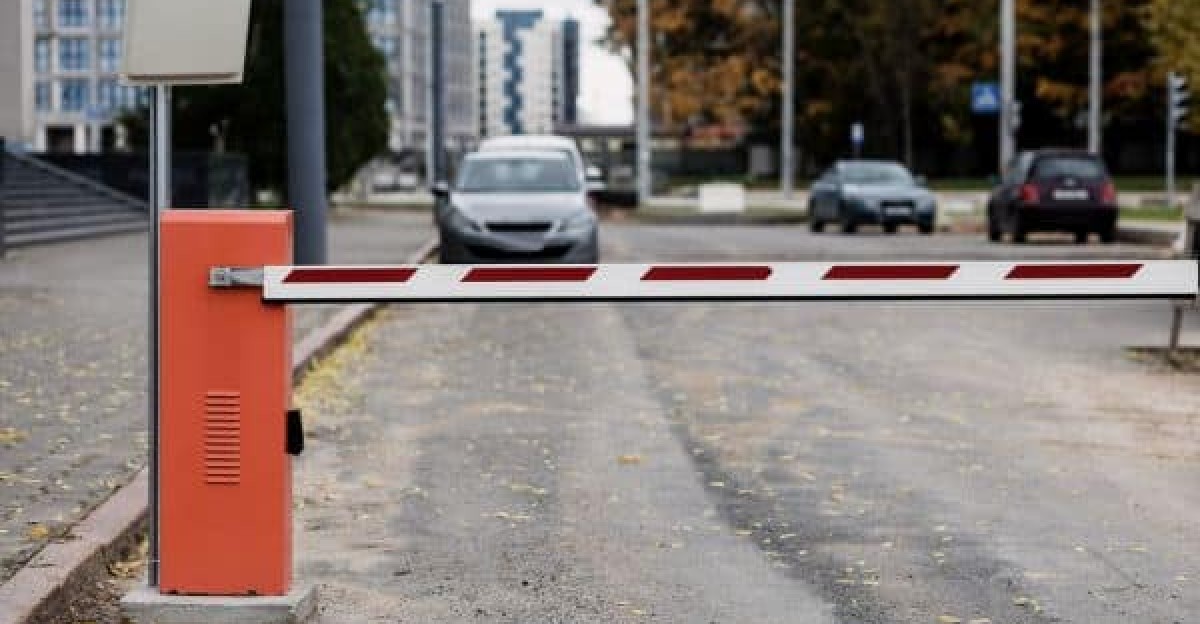
Winners: barrier manufacturers riding a market projected to reach $27.39 billion by 2030. Security consultants billing for audits at every airport, hospital, and university in the country. Losers: resource-constrained venues, municipal buildings, community centers, and smaller houses of worship that cannot afford $1,000 to $5,000 per crash-rated bollard. They face the same liability without the same budget. Regional retrofit costs in metro Detroit alone could reach an estimated $1.2 to $4 million. The people who can least afford protection need it most. The response to these attacks is already reshaping who gets to feel safe.
The Cascade Is Not Over
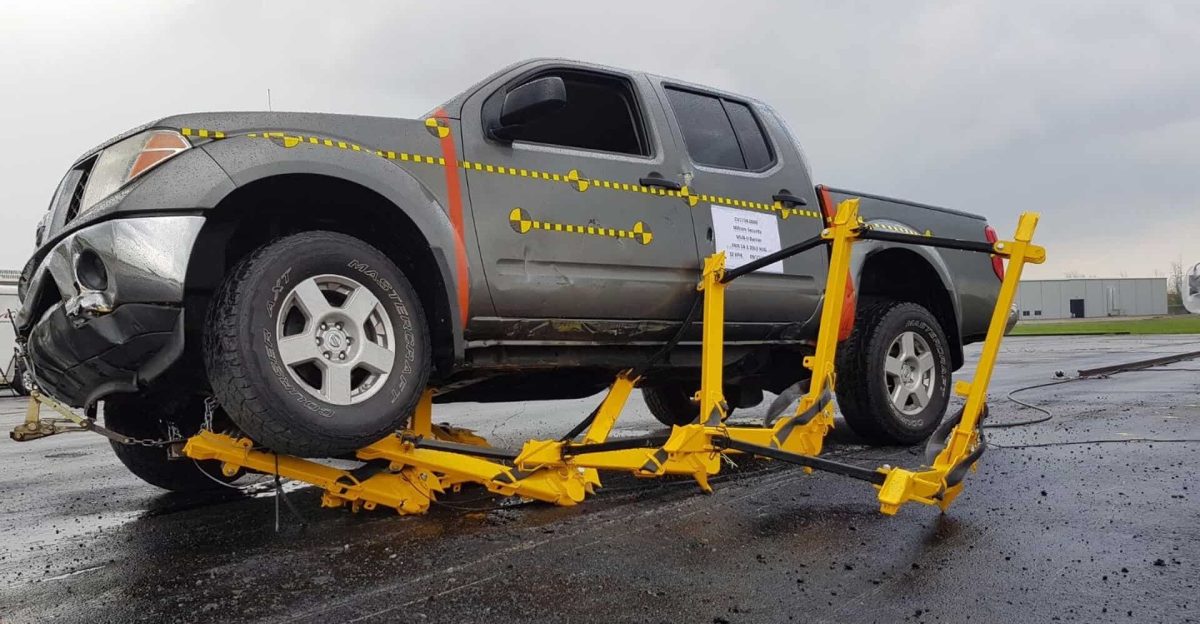
Security professionals are developing lower-cost alternatives: modular barrier systems, bollards integrated into landscaping, shared municipal installation contracts. Some venues plan to reduce entry points instead of adding bollards. But the core problem remains untouched. No federal mandate. No universal standard. Identical-looking bollards with wildly different stopping power. Every venue in America still makes this choice independently. The next time you walk through an airport entrance or a hospital lobby, look at the bollards. You cannot tell if they are real. Nobody can. That is the system. And until it changes, the cascade keeps expanding.
Sources:
“Metro Airport Adds Barriers Outside McNamara Terminal after Crash.” Detroit Free Press, 4 Feb. 2026.
“Update on Vehicle Rammings: Attackers, Frequency, Lethality, and Mitigation Measures.” Mineta Transportation Institute, Sept. 2025.
“Temple Israel Attack in West Bloomfield Raises Security Concerns.” FOX 2 Detroit, 29 Mar. 2026.
“Security Bollards Are Quietly Becoming Powerful Line of Defense in Metro Detroit.” WXYZ News Detroit, 1 Apr. 2026.