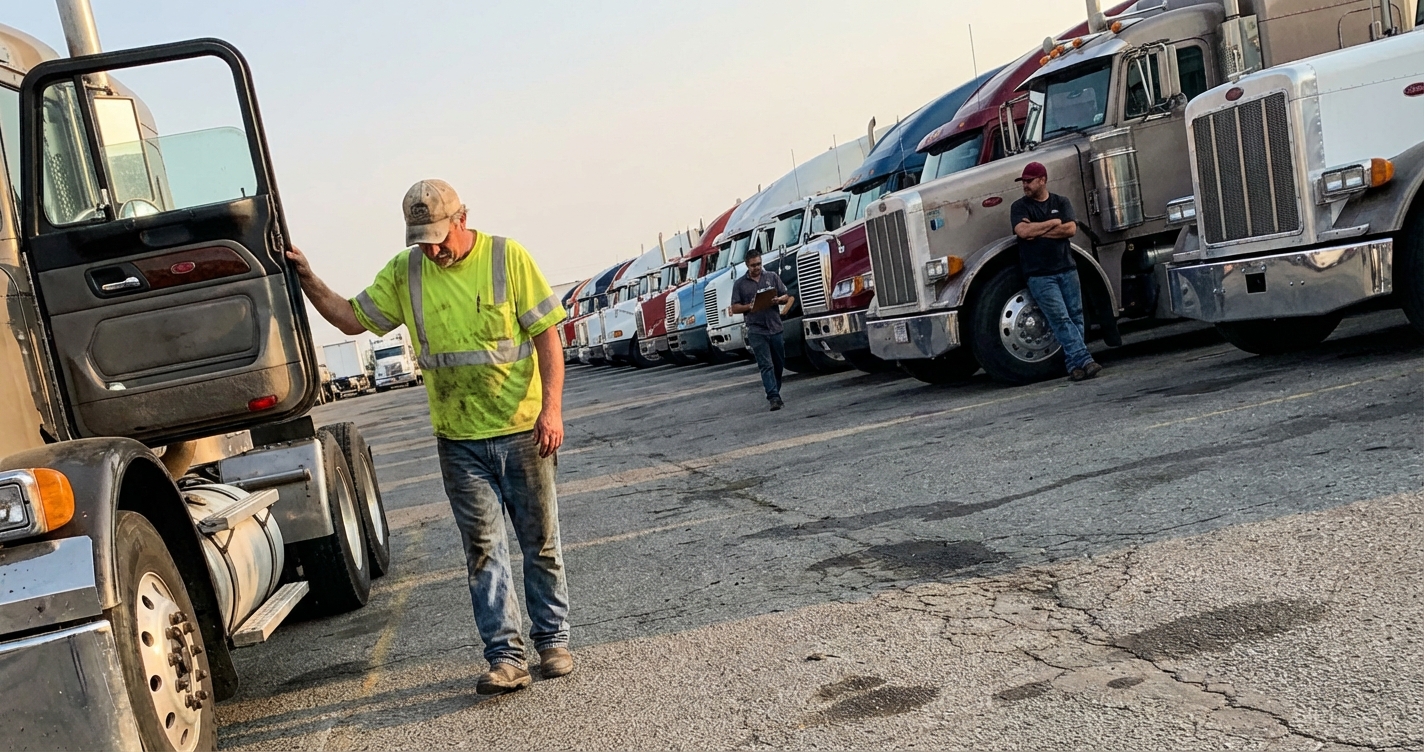
3.5M American Trucks Hit Oldest Age Since 2008 Crisis—700,000 Face A $105B Replacement Cliff
Somewhere on an interstate right now, a trucker is white-knuckling a rig that should have been retired two years ago. The engine burns hotter than it used to. The maintenance bills keep climbing. And the dealer keeps calling about a shiny new Volvo VNR sitting on the lot. The U.S. Class 8 tractor fleet is approaching a 7-year average age, currently at 6.6 to 6.8 years, the oldest since the 2008 financial crisis. That number sounds like a sales opportunity. For roughly 700,000 truck owners, it feels more like a trap closing shut.
The Seven-Year Threshold

Near seven years is where the math turns ugly. Maintenance costs spike. Resale values crater. EPA’s 2027 rule requires all new heavy-duty engines to meet dramatically tighter NOx standards, no delay, no waiver, making aging fleet trucks progressively harder to replace affordably and increasingly non-competitive as state-level compliance markets expand. CARB compliance deadlines loom within two to three years. The last time fleets aged this badly, the 2008 recession had frozen every capital budget in America. Recovery took five years and triggered a compressed replacement wave from 2010 to 2014 that created supply shortages and price spikes. This time, the fleet is old again. But the money to fix it has different problems entirely.
Volvo Bets Big on Desperation
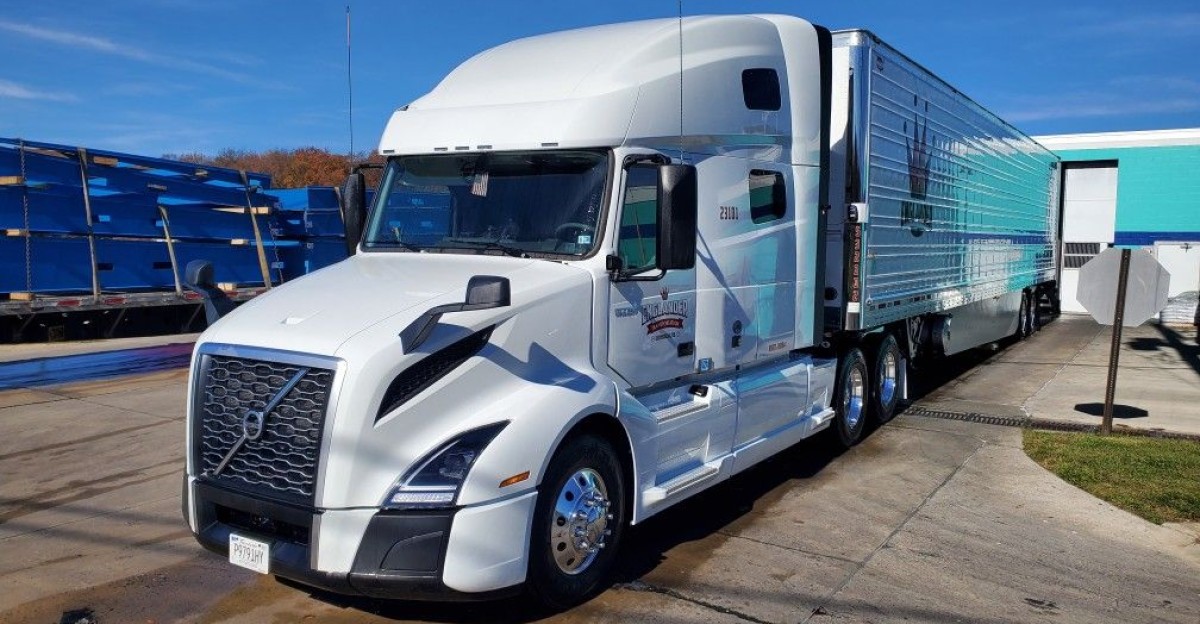
Volvo Trucks North America holds approximately 9% U.S. market share, or roughly 18% when combined with sister brand Mack Trucks, placing the Volvo Group third behind Daimler and PACCAR, which together control over 69%. Volvo launched its refreshed VNR model directly into this aging crisis, promising up to 7.5% fuel efficiency gains over the previous generation. The timing looks strategic. The VNR competes head-to-head with the Freightliner Cascadia, Peterbilt 579, and Kenworth T880. On paper, an aging fleet plus a new product equals a windfall. But owner-operators and small fleets represent over 40% of Class 8 operators. And those operators just ran into a wall.
The Math That Breaks Everything
A new Class 8 tractor lists at $130,000 to $150,000. Annual fuel savings from upgrading run at least $8,000, and significantly more for high-mileage operations. At first glance, the upgrade pays for itself. Then the interest rate hits. Owner-operators face financing at 8% or higher. Large fleets borrow at 4 to 5%. That gap adds $30,000 to $50,000 over a 60-month loan. Fuel savings vanish into interest payments. The replacement math doesn’t close. Operators must buy anyway because EPA compliance is mandatory. They’re financing their own extinction.
The Hidden Profit Center
This is where the story flips. Volvo Financial, Daimler Capital, PacLease: the captive finance arms operate independently from the truck divisions. They don’t need operators to thrive. They need operators to borrow. That 400-basis-point spread between owner-operator rates and large-fleet rates represents a substantial and unquantified margin advantage for captive finance arms, one that grows proportionally with every forced replacement cycle. Like a farmer forced to buy a new combine during a drought: the regulation is rational, but the timing makes compliance suicidal. The truck is the product. The loan is the business.
Numbers That Bury the Little Guy
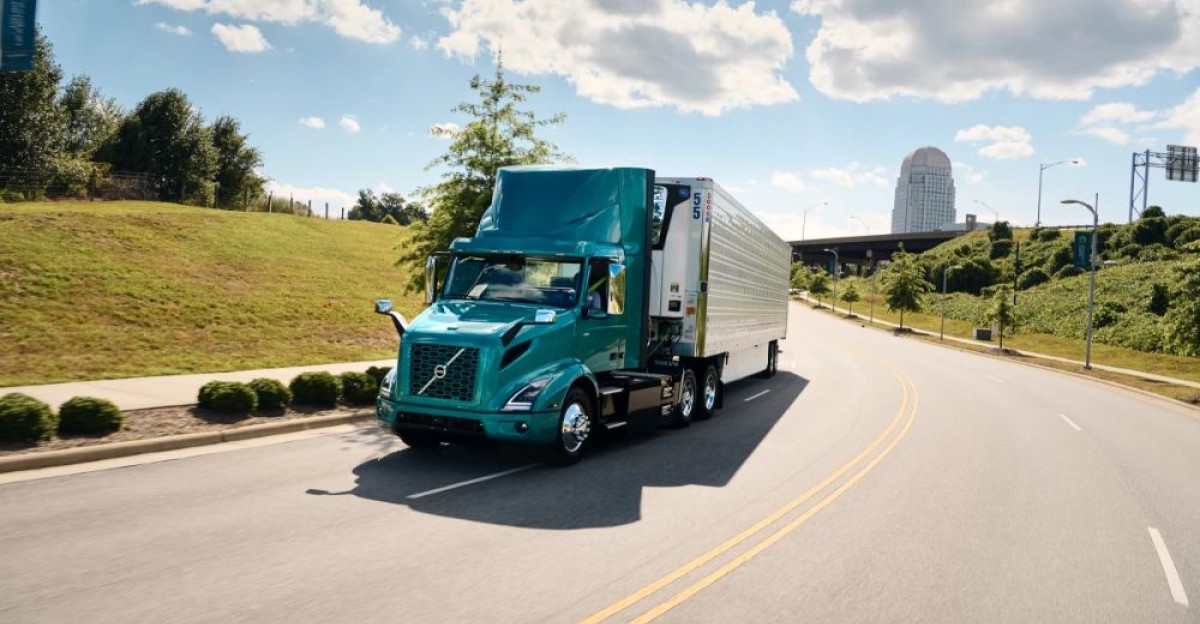
Analysts estimate 500,000 to 700,000 Class 8 tractors require replacement within 36 months as the fleet reaches peak retirement age. The aggregate capital requirement: roughly $65 billion to $105 billion. Meanwhile, used-truck values are collapsing as older rigs flood the market, destroying whatever equity small operators had left. A truck worth $15,000 to $25,000 at scrap doesn’t cover a down payment on its replacement. The used-truck market that once offered an escape hatch now accelerates the death spiral for anyone without institutional capital backing.
Who Disappears First
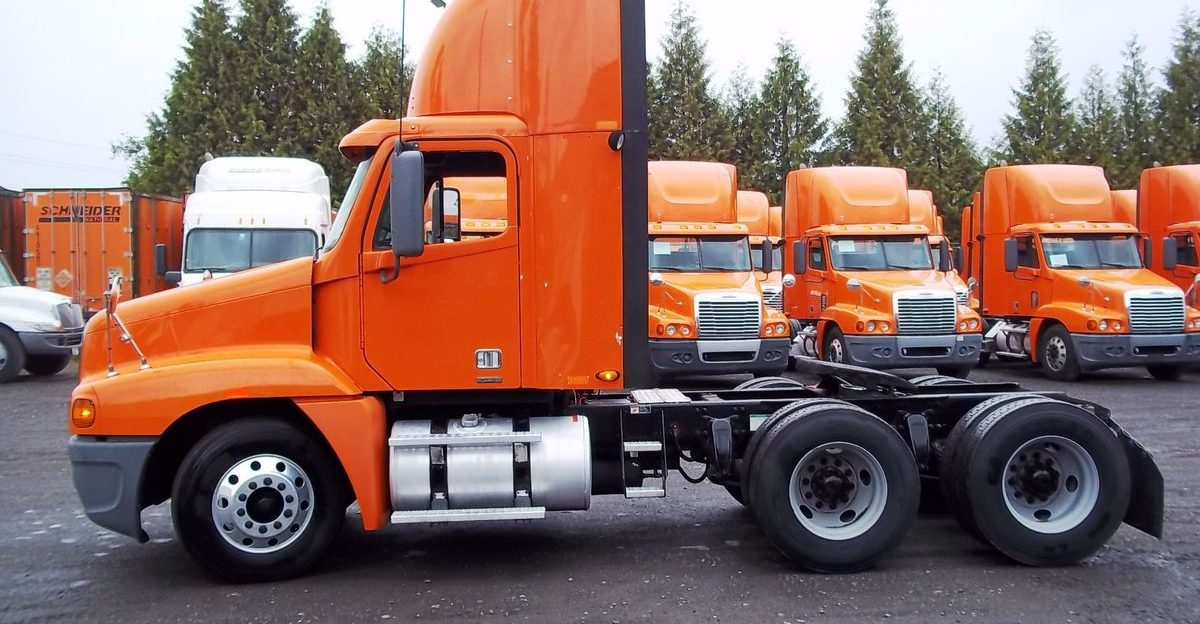
Large fleets like Schneider, Swift, and J.B. Hunt are leading the 2026 replacement cycle ahead of independent operators, locking in inventory and favorable financing while small operators remain hesitant. Small operators wait, hoping rates drop. They won’t drop fast enough. Industry modeling suggests freight rates could rise 3 to 5% as consolidation reduces independent supply and increases oligopoly pricing power. Consumer prices for goods could rise as those freight costs pass through to food, retail, and e-commerce, a dynamic consistently observed in prior freight rate cycles, though the magnitude will depend on the speed and scale of consolidation. Independent truckers absorb the pain first. Everyone else pays eventually.
A New Rule, Not an Exception

The post-2008 replacement wave compressed into four years. This one could reshape trucking permanently. Large carriers have dramatically consolidated their share of the market over the past two decades. Small carriers, those operating 10 or fewer trucks, still make up 91.5% of all U.S. trucking companies by count, but their share of total tonnage hauled has steadily declined as mega-fleets expand. If financing constraints hold through 2028, that concentration could reach levels not seen in the modern era. Compliance mandates are functioning as consolidation tools: regulatory pressure converts directly to financial pressure on small operators who lack capital access. Once you see it, you can’t unsee it. The “replacement supercycle” everyone celebrates is really an operator extinction event wearing a sales brochure.
The Clock Nobody Can Stop
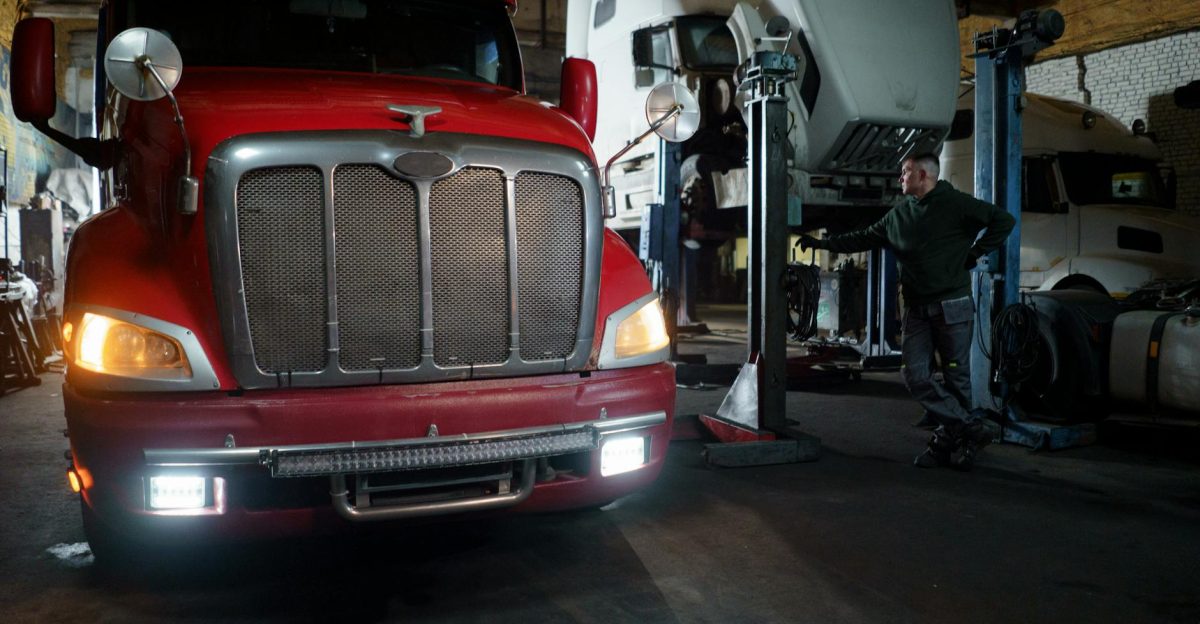
EPA’s 2027 rule requires all new heavy-duty engines to meet dramatically tighter NOx standards, no delay, no waiver, making aging fleet trucks progressively harder to replace affordably and increasingly non-competitive as state-level compliance markets expand. An ACT Research analyst put it plainly: “The 6.6-to-6.8-year average age signals a once-in-a-decade replacement opportunity, but financing barriers may suppress demand.” That single sentence contains the entire contradiction. The opportunity exists. The money doesn’t. And every month of delay pushes more independent operators toward bankruptcy or forced acquisition by the mega-fleets already circling.
Who Fights Back

SBA loans exist for qualifying owner-operators, but at current rates of 10 to 12% they offer little relief on financing costs, and the scale of the replacement cliff, hundreds of thousands of units, far exceeds what individual loan programs are designed to address. Cooperative capital pooling remains largely theoretical in U.S. trucking. Federal intervention through interest-rate caps would require political will that has not materialised. The VNR platform launched in 2017; this refresh took approximately eight years, within the longer end of the typical 5-to-7-year product cycle, though Volvo’s timing still lands squarely at a moment of peak fleet stress. The real question isn’t whether independent trucking survives this replacement cliff. The question is whether anyone with a 4% loan and a corporate letterhead will let it. Financing structure now determines who hauls America’s freight.
Sources
“Trailer Market Comes to Life, Class 8 Fleet Older Than It’s Been in More Than a Decade.” Truck News, January 2026.
“Volvo Trucks Launches the All-New Volvo VNR to Redefine Regional Hauling.” Volvo Trucks North America, March 2025.
“Volvo Starts Manufacturing Redesigned VNR with 7.5% Fuel Efficiency Improvement.” ACT News, February 2026.
“EPA to Proceed With 2027 NOx Rules Timeline.” Transport Topics, November 2025.
“PACCAR Targets 35% N. American Heavy-Duty Truck Market Share.” Transport Topics, February 2026.