3.2M Cars One Step Away From Massive Recall as Tesla FSD Blinds Cameras in Fog
On March 19, 2026, U.S. regulators escalated a probe into Tesla’s Full Self-Driving system, placing about 3.2 million vehicles one step from a recall while a separate 2,031,220-vehicle Autosteer fix remains under scrutiny. Investigators are examining whether FSD fails to warn drivers when cameras lose visibility in fog or glare, linking the issue to crashes including one fatal case. The move follows earlier concerns that Tesla’s December 2023 over-the-air recall did not fully curb misuse. Together, the cases now form one of the largest and most closely watched safety challenges facing modern driver-assistance technology.
The Recall Story Started Earlier
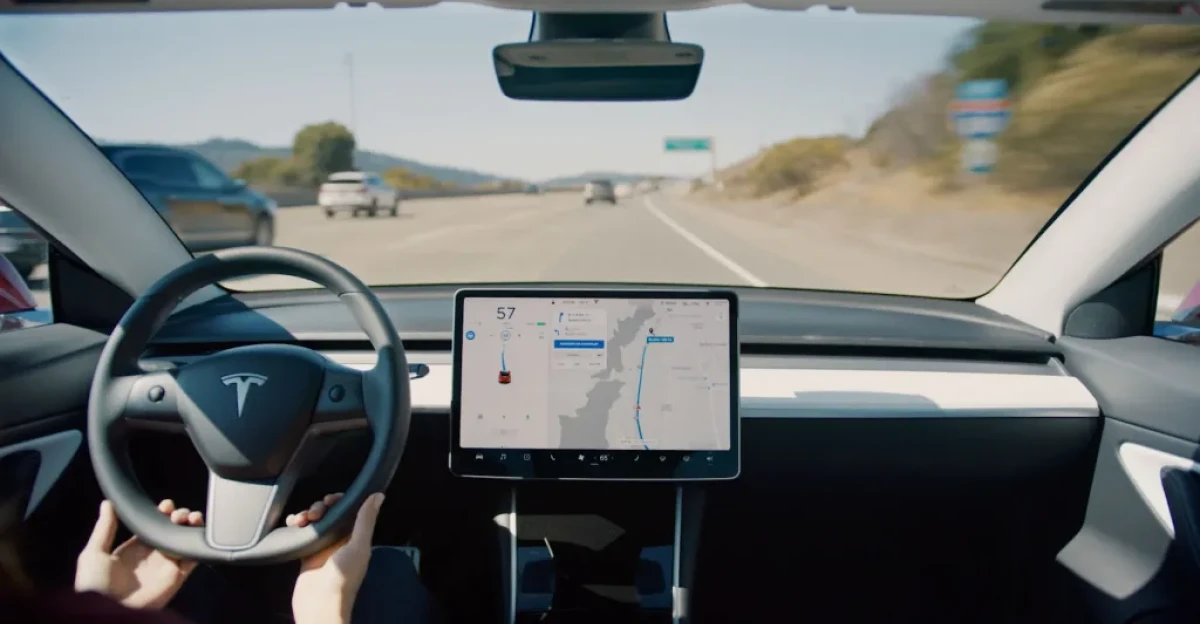
The first track began with Autopilot crash concerns before the 2023 recall. NHTSA upgraded investigation PE21-020 to Engineering Analysis EA22-002 on June 8, 2022, after reviewing more than 1,000 incidents involving Autopilot. Tesla then decided on December 5, 2023, to conduct recall 23V-838, later acknowledged by NHTSA on December 11 and formally filed on December 12. The remedy was an over-the-air update meant to tighten driver engagement and limit misuse of Autosteer. Real roads would reveal whether those changes actually worked. That answer soon shaped a second federal track.
The Fix Faced A New Test
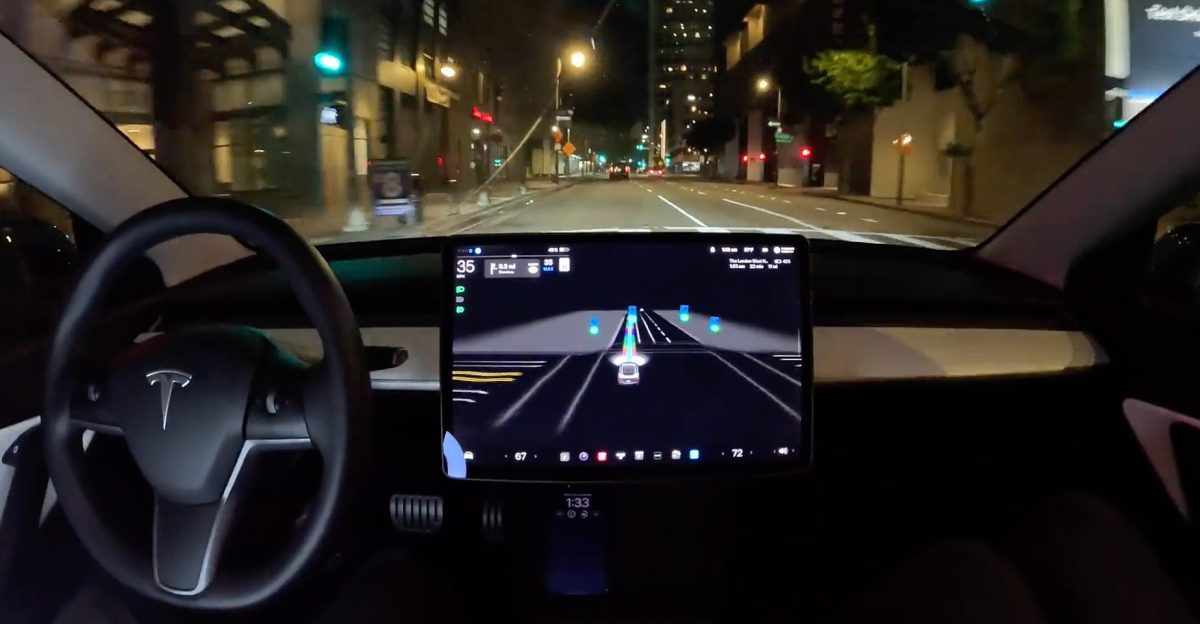
That test raised a fresh problem in 2024. On April 26, 2024, NHTSA disclosed a recall query into whether Tesla’s December 2023 fix actually reduced misuse and crash risk. Bloomberg reported that regulators identified at least 20 crashes involving vehicles that had received the update. The BBC added that NHTSA saw concerns because parts of the remedy could require driver opt-in and could be reversed. The earlier recall no longer looked settled. It looked like a live measure of whether software-only fixes could hold up. Another investigation was gaining momentum.
The Bigger Probe Took Shape
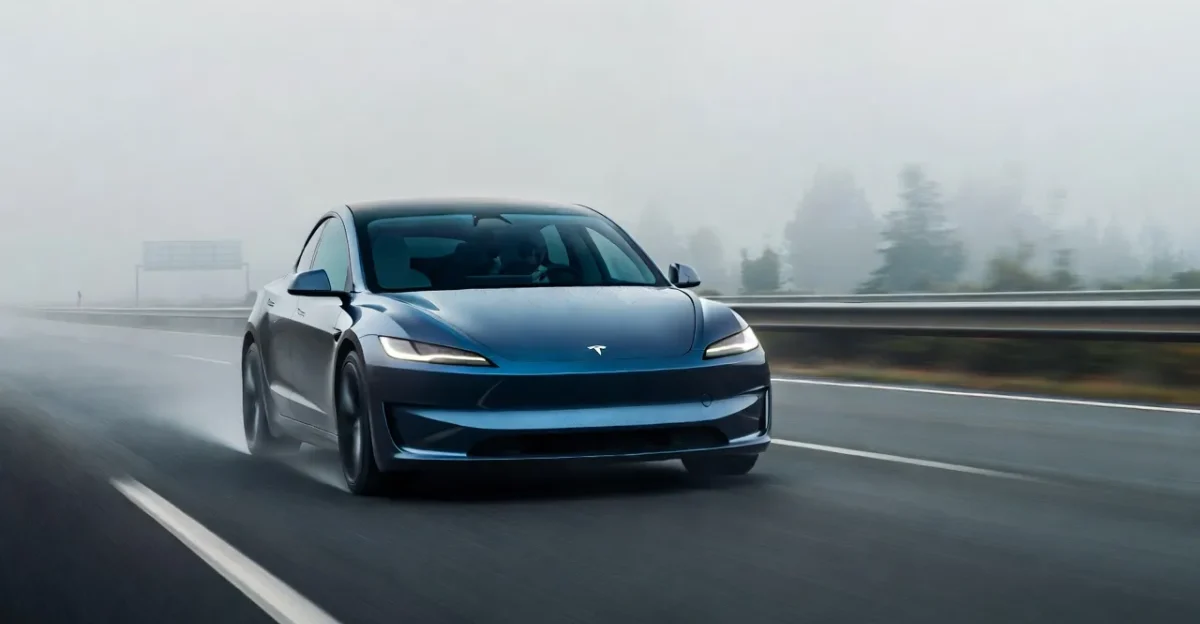
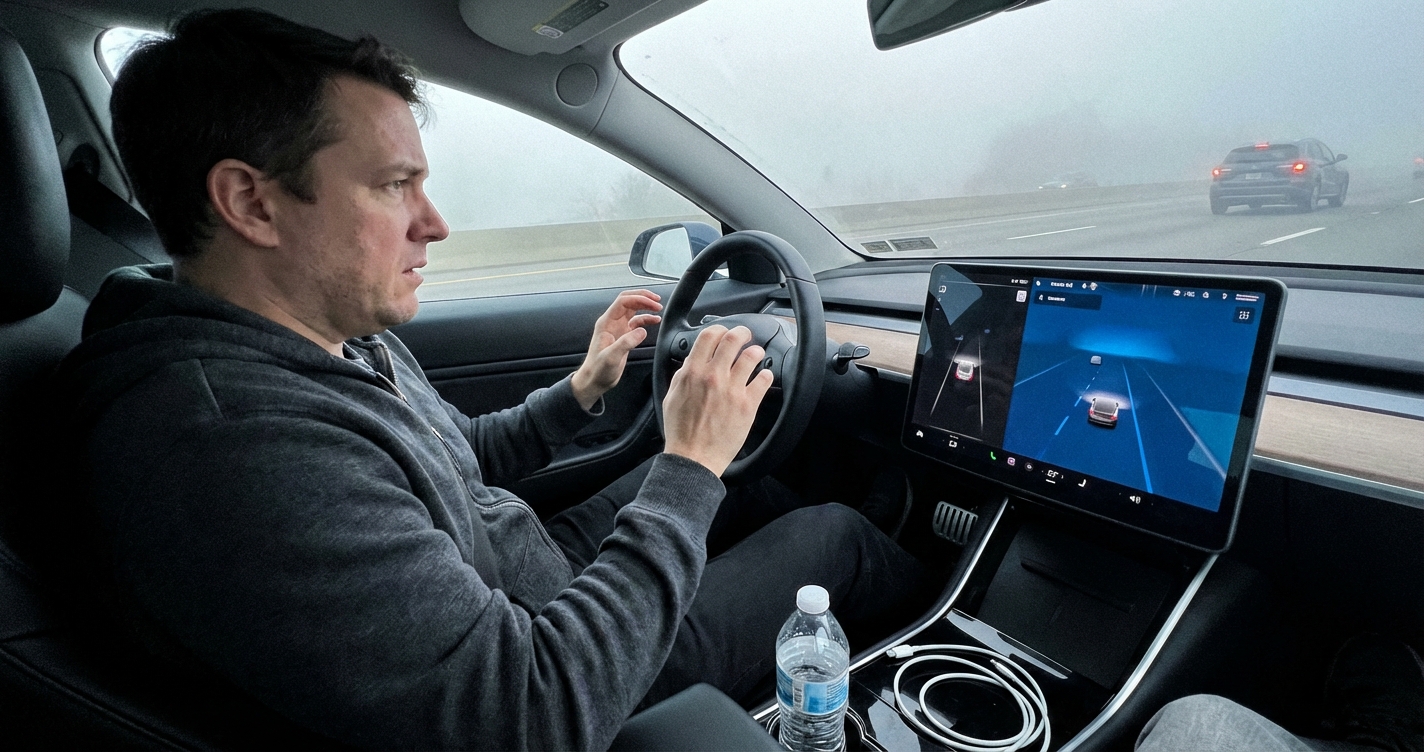
The second track is newer and larger. On March 19, 2026, Insurance Journal reported that NHTSA upgraded its reduced-visibility probe into Tesla Full Self-Driving to an Engineering Analysis covering about 3.2 million vehicles. Regulators are examining whether FSD keeps operating when cameras lose useful vision in fog, glare, or similar conditions. Electrek reported on March 18, 2026, that the central defect theory involves weak degradation detection. The system may not properly recognize when its camera view is compromised. The crash record explains the urgency. Those incidents raised the stakes.
What Regulators Say Went Wrong
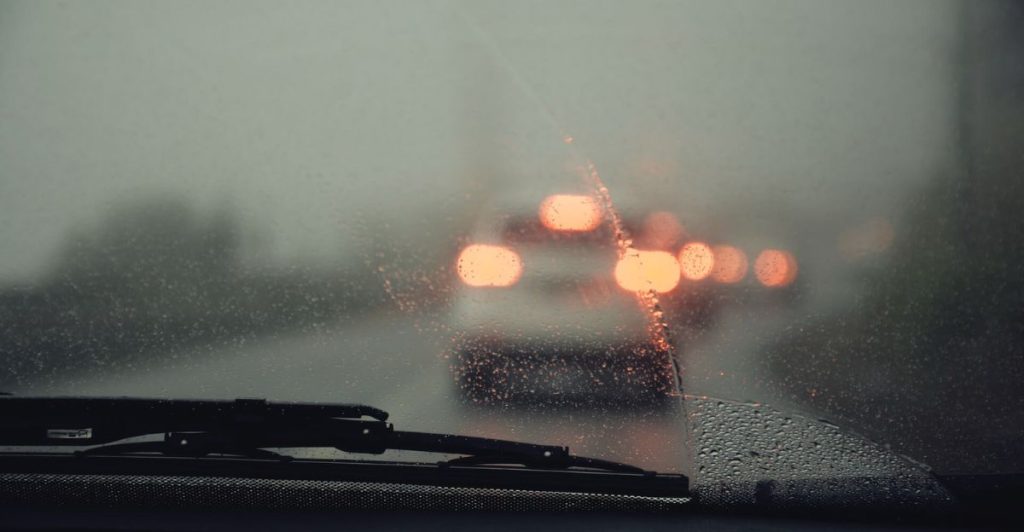
NHTSA’s concern is tied to crashes, not theory alone. Electrek’s March 18, 2026 summary says the agency is reviewing 9 reduced-visibility crashes linked to FSD, including 1 fatal crash and 1 injury crash. Investigators believe the system “may fail to adequately detect and warn” when cameras are blinded by glare or fog. That language points at the warning and disengagement logic, not just the weather itself. Insurance Journal said the visibility probe first opened in October 2024 and initially covered about 2.4 million vehicles. The expanded scope shows risk.
The Timeline Added More Pressure
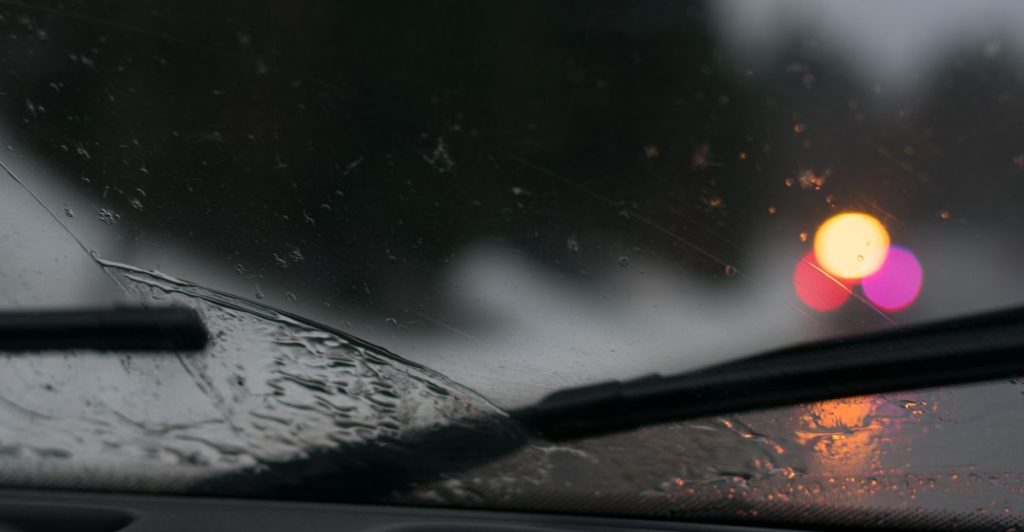
The timing inside that visibility case adds pressure. Electrek reported that a fatal reduced-visibility crash happened on November 28, 2023, but Tesla did not submit the required Standing General Order crash report until June 27, 2024. The same report said development of a degradation-detection update began on June 28, 2024. That sequence matters because regulators use crash reporting to judge how quickly companies identify hazards and respond. NHTSA’s Standing General Order requires automakers with Level 2 systems to report qualifying crashes within 24 hours. That data trail now shapes action.
Who Could Feel The Impact
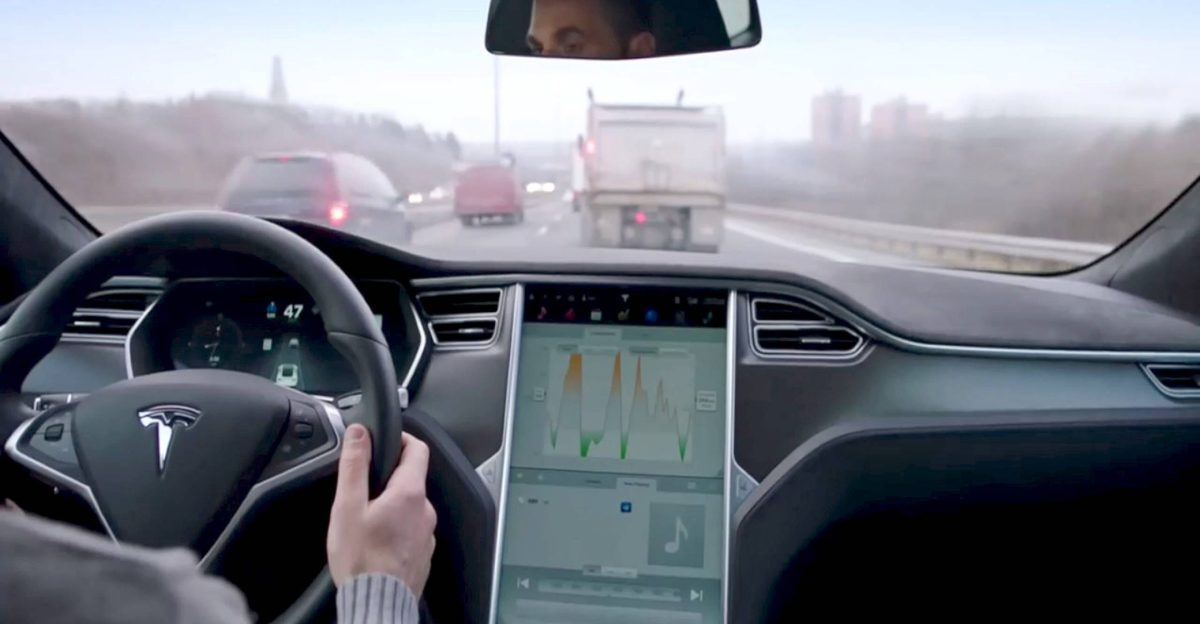
The numbers show who is exposed. Recall 23V-838 covered 2012 to 2023 Model S, 2016 to 2023 Model X, 2017 to 2023 Model 3, and 2020 to 2023 Model Y vehicles equipped with Autosteer. The visibility case reaches drivers with Full Self-Driving capability across an estimated 3,203,754 vehicles. NHTSA’s jurisdiction makes these U.S. actions first, but Tesla’s software architecture means changes can ripple outward. That leaves households, rideshare operators, delivery fleets, first responders, and motorists watching. Could limits in poor visibility reshape what owners thought they bought?
Why The Stakes Go Beyond Safety
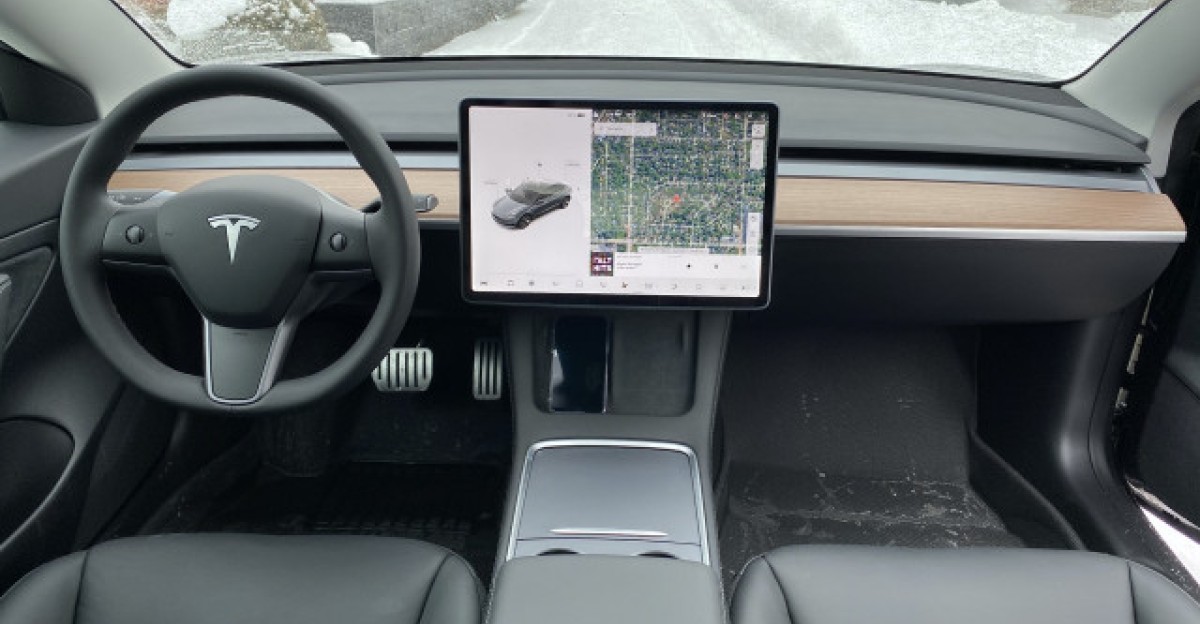
That question matters because Tesla’s driver assistance business is tied to expectations as much as hardware. CNN reported on April 26, 2024, that investors view FSD rollout as an important part of Tesla’s long-term value, and deferred revenue tied to software features adds pressure. If NHTSA forces new limits in fog, glare, or other reduced-visibility conditions, owners could see less usable functionality than expected. Small fleet operators could lose productive hours. Independent repair shops gain little from over-the-air fixes. The legal stage behind those limits matters. Process pressure soon followed.
Why “One Step Away” Fits
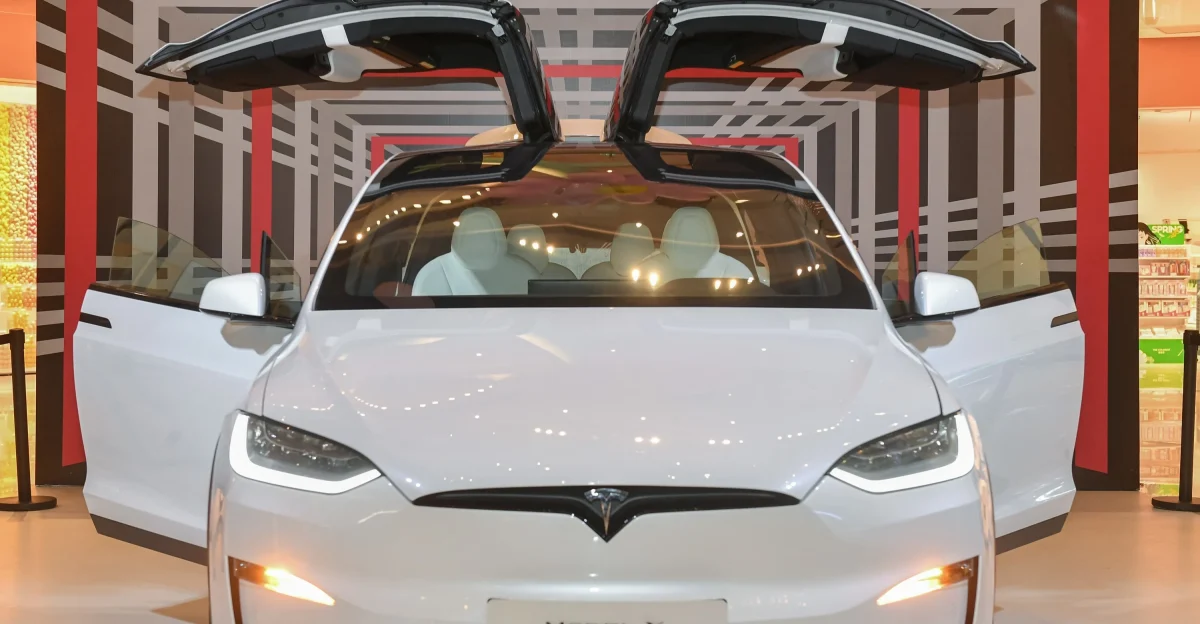
The regulatory logic behind the headline is straightforward. NHTSA investigations generally move from screening to Preliminary Evaluation, then Engineering Analysis, then either closure or a recall push. Insurance Journal reported on March 19, 2026, that the FSD visibility case has now reached that Engineering Analysis stage, which the agency described as a required step before seeking a recall. That is why reports say Tesla is one step away. Tesla is also facing federal scrutiny around FSD traffic-law behavior and crash reporting. The ending still depends on one ruling for Tesla.
What Comes Next For Tesla
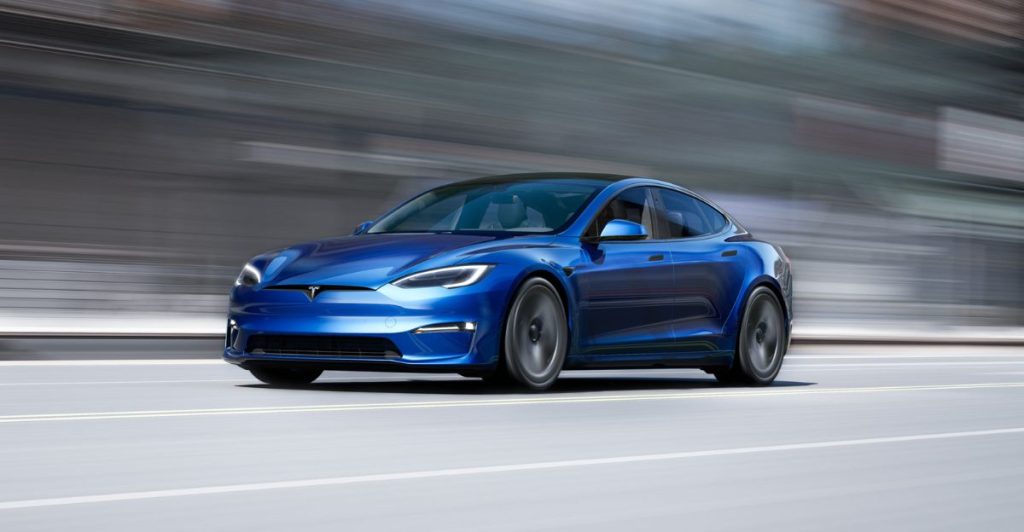
By March 2026, the story is no longer about a Tesla software update. It is about 2 linked tests of whether over-the-air remedies, crash reporting, and camera-based automation can withstand scrutiny. The first test asks whether the December 2023 Autosteer recall fixed misuse risk after 20 later crashes drew new attention. The second asks whether Full Self-Driving can safely recognize fog, glare, and other vision failures across about 3.2 million vehicles. NHTSA now has a backward-looking record and a forward-looking defect theory. The next ruling could shape software recalls.
Sources:
Part 573 Safety Recall Report 23V-838 (Tesla Autosteer). National Highway Traffic Safety Administration, December, 12 2023
Tesla is one step away from having to recall FSD in NHTSA visibility probe. Electrek, March, 18 2026
NHTSA Upgrades Probe into 3.2M Teslas Over Self-Driving Crashes. Insurance Journal, March, 19 2026
Tesla Autopilot recall to be probed by US regulator. BBC, April, 25 2024
Tesla Autopilot Probed After 20 Crashes in Months Since Recall. Bloomberg, April, 26 2024
Tesla Autopilot Recall Deals Another Blow to Self-Driving Cars. Autoweek, December, 12 2023