270,000 US Seniors Sent to Emergency Rooms by Car Crashes as License Rules Loosen
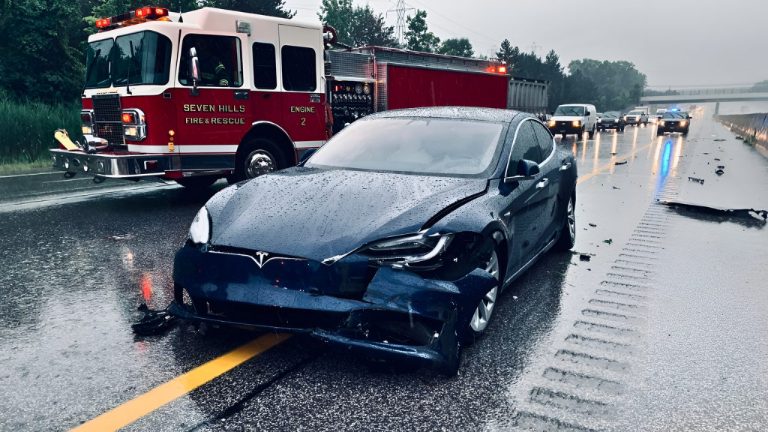
In 2022, over 270,000 Americans age 65 and older were treated in emergency departments for crash injuries, according to the CDC. That CDC number lands differently when you learn what’s happening to the rules. Illinois just raised its mandatory road-test age from 79 to 87, removing the requirement for drivers aged 79 to 86. Some states have adjusted renewal schedules and testing requirements for older drivers. Some states loosened renewals. Others tightened. The result is a patchwork, and the 52 million licensed seniors navigating it represent a 77% increase since 2004. The cascade from here reaches places nobody expects.
Why the Rules Are Splitting Apart

Driver licensing is state-controlled, which means 50 different systems operating on 50 different philosophies. Some states require annual vision tests. Others allow online renewal every eight years. State rules vary widely: some require vision tests at renewal, others allow online renewal every eight years, and Illinois now requires annual road tests only for drivers 87 and older. Canada has been implementing stricter license renewal standards for older drivers, with new testing measures beginning in March 2026. Illinois went the opposite direction. The hidden engine behind this chaos is a single data point most people haven’t seen: drivers aged 70 to 79 have had lower fatal crash rates per licensed driver than drivers aged 35 to 54 since 2015.
Your Grocery Run Just Got More Dangerous

Each day, 25 older adults die, and 740 are injured in crashes. But the data underneath those numbers tells a different story than the one most people assume. In 2023, 70% of people killed in crashes involving drivers 70 and older were the older drivers themselves or their passengers. The primary threat older drivers pose is to themselves, not to other motorists. Their elevated fatality rate traces to fragility, the body’s vulnerability to injury in a crash, not to causing more collisions. The insurance industry has already noticed. Drivers 65 to 69 carry the lowest property damage and collision claim rates of any age group.
Insurance Companies Are Playing Both Sides

Here’s where the money gets strange. Adults 55 to 64 pay the lowest premiums, roughly 10% below the national average. By 75, rates climb about 4% above average. Illinois saw lower insurance claims among drivers 75 and older when road tests were mandatory. Sounds like proof the tests worked. Except that people 75 and older were also less likely to carry insurance in Illinois than in neighboring states without road test requirements. The tests didn’t make drivers safer. They pushed older drivers off the books, creating an underground of uninsured, unmonitored motorists. That pattern just repeated itself in Australia, where jurisdictions with mandatory age-based testing recorded higher fatal crash rates than those without.
The Pharmacy Counter No One Is Watching

The ripple nobody’s tracking runs through the medicine cabinet. SSRIs, sedatives, and serotonin-norepinephrine reuptake inhibitors carry a 2.7 to 2.8 times increased risk of failing a road test among older adults. Older drivers with both anxiety and anxiolytic medication use experienced a 1.32 higher rate of hard-braking events compared to those without anxiety. Yet physicians rarely counsel patients about driving risks when prescribing these drugs. One in three people with dementia still drives. Policy targets age. The actual threats, unmonitored medication interactions, and undetected cognitive decline sit in a blind spot. Same system. Different failure point. Identical result.
The Machine Behind Every Ripple

The connecting thread is this: the system treats driving safety as a testing-and-restriction problem when the real failures are medical, cognitive, and infrastructural. Medication risks go uncounseled. Cognitive decline exists on a spectrum invisible without assessment. Transportation policy operates in total isolation from public health. Restrict a 75-year-old’s license. That person loses mobility. Loses independence. Loses social contact. Two million older non-drivers report transportation barriers. Of those, 29% experience loneliness five or more days per week. Twenty-four percent report moderate-to-severe depression or anxiety. The policy meant to protect them accelerates their decline.
A Mother’s Grief Meets the Data

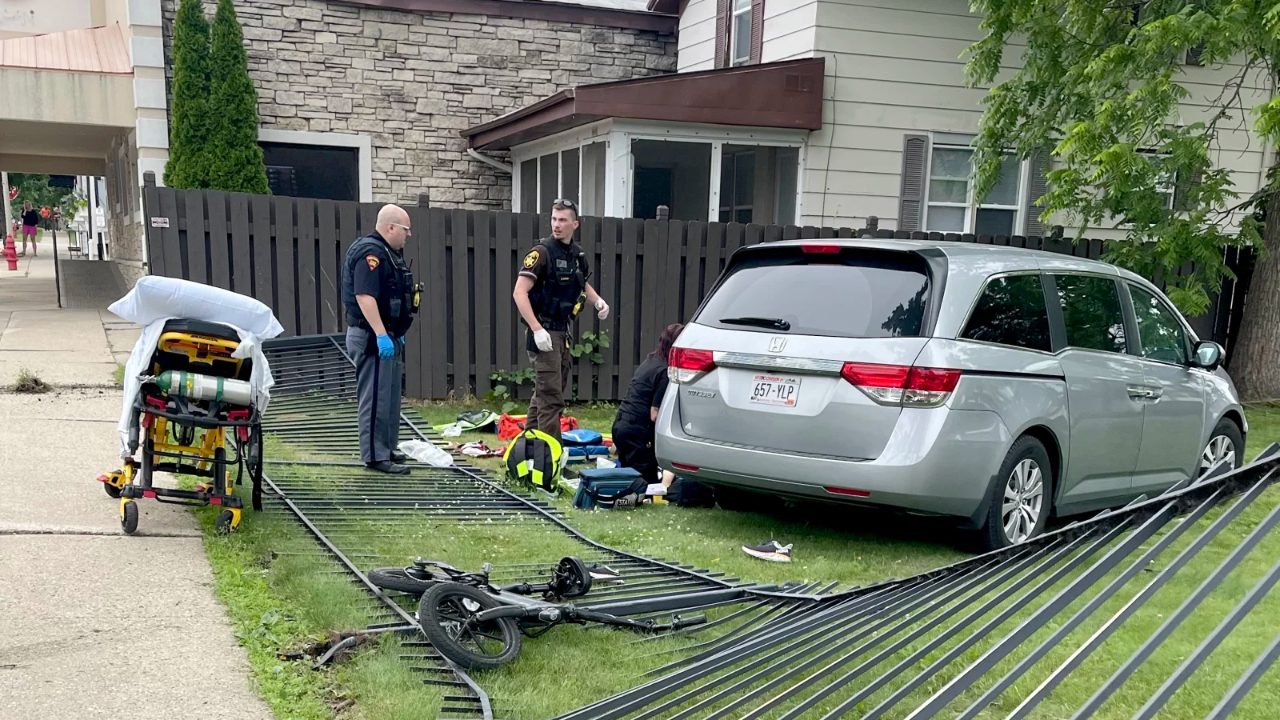
Angela Zodrow’s 12-year-old son Emmet was killed in Green Lake, Wisconsin, when 85-year-old Jean Woolley confused the brake and gas while parking. “The person who killed Emmet was able to drive away, could have driven away. That needs to change,” Zodrow said. Her grief is real, and her demand for accountability is justified. But brake-pedal confusion is a mechanical error, not an age-based cognitive failure. The policy her crusade fuels would restrict drivers 70 to 79, the cohort with lower crash rates than middle-aged drivers, while missing the actual risk factors that killed her son.
Policy Built on Narrative, Not Epidemiology
Fatal crash rates among drivers 70 and older have declined 47% since 1975, the most sustained safety improvement of any age group over 50 years. New Hampshire had a road test requirement for drivers 75 and older until 2011, and research did not find the same safety benefit seen in Illinois. Illinois was the only state requiring road tests for drivers in their 70s, then reversed course. The pattern is clear: age-based restrictions are adopted for emotional and political reasons after visible tragedies, not because the data supports them. The 65-and-older population will nearly double to 95 million by 2060. Building policy on outlier cases guarantees the system breaks at scale.
Who Wins and Who Pays

More than half of Americans 65 and older lack access to public transportation. Half of all non-drivers in that age group stay home on any given day because they have no way to leave. Driving cessation, even voluntary, correlates with health deterioration and reduced social participation. Meanwhile, autonomous vehicle companies position themselves as the solution. The winners are the industries selling alternatives to a problem the system created by restricting mobility without building replacements. The losers are the 2 million non-drivers already trapped, facing depression, isolation, and declining health, with no policy lifeline connecting transportation to mental health.
The Cascade Keeps Breaking

Drivers aged 85 to 89 make critical errors at four times the rate of drivers 70 to 74. The real risk concentrates in a narrow band at the top, not across the entire older population. Yet the policy response paints with the widest brush available. States haven’t built the infrastructure to assess individual ability, so they default to age cutoffs that punish the safest cohort. The fix requires medication-driving counseling, individualized cognitive assessment, and transportation systems that treat mobility as a health outcome. None of that exists at scale. The 270,000 emergency room visits will keep climbing until it does.
Sources:
“Older Adult Drivers.” Centers for Disease Control and Prevention, 27 Jan 2026.
“Crash Rates for Drivers in Their 70s Drop Below Those of Middle-Aged Drivers.” Insurance Institute for Highway Safety, 1 Oct 2020.
“Medication and Road Test Performance Among Cognitively Healthy Older Adults.” JAMA Network Open / PMC, 28 Sep 2023.
“Transportation Barriers, Loneliness, and Depressive/Anxiety Symptoms Among Older Adults.” PMC, 11 Nov 2025.