27.5% Tariff Dismantles Japan’s 75-Year Auto Fortress—$550B Deal Ships American-Made Trucks To Tokyo
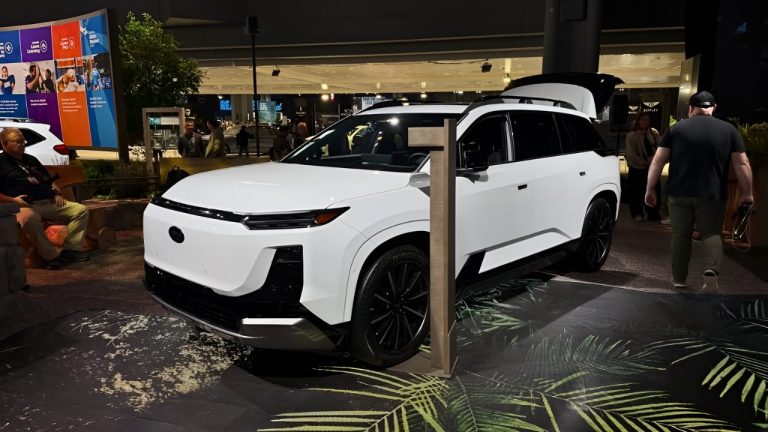
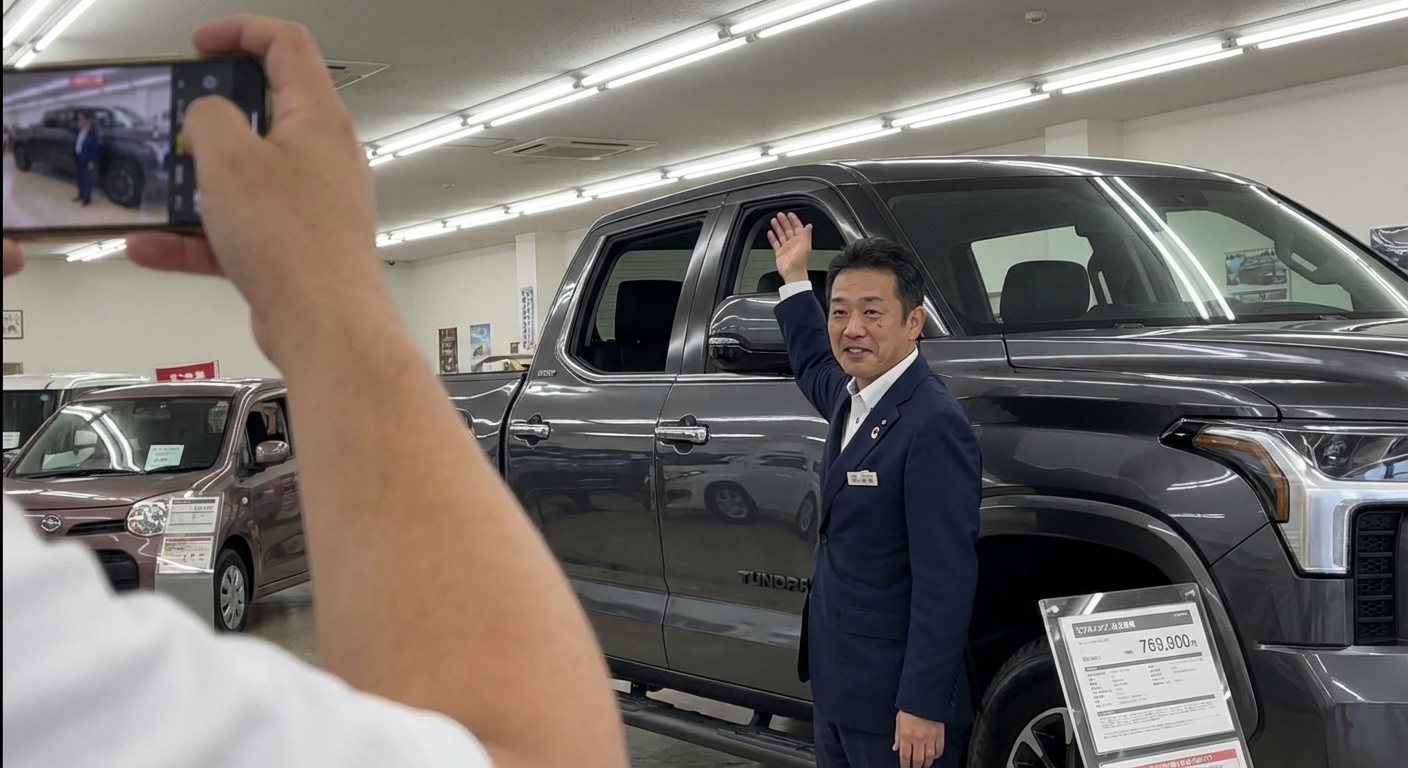
On April 2, 2026, Toyota began selling a Texas-built Tundra pickup and an Indiana-built Highlander SUV through a Tokyo dealership. American-made trucks, priced at 12 million and 8.6 million yen respectively, rolling off lots in the city that built its postwar economy on automotive dominance. The Tundra had never been offered in Japan. The Highlander hadn’t been sold there since 2007. Both arrived because a single trade deal blew open a market that stayed sealed for 75 years. The grocery aisle version of this story hits different.
One Tariff Lit the Fuse

In April 2025, the Trump administration slapped an additional 25% tariff on all imported automobiles, raising the total rate on Japanese cars to 27.5%. Japan’s entire export model absorbed the hit overnight. By July 2025, Tokyo negotiated a bilateral agreement committing $550 billion in U.S. investment and, critically, agreeing to recognize American safety standards for the first time ever. By February 16, 2026, Japan’s transport ministry activated a new certification system: U.S.-certified vehicles could enter without additional local testing. A regulatory wall that stood since the postwar era collapsed in under ten months. Honda and Nissan were already watching.
Sticker Shock on Tokyo Streets
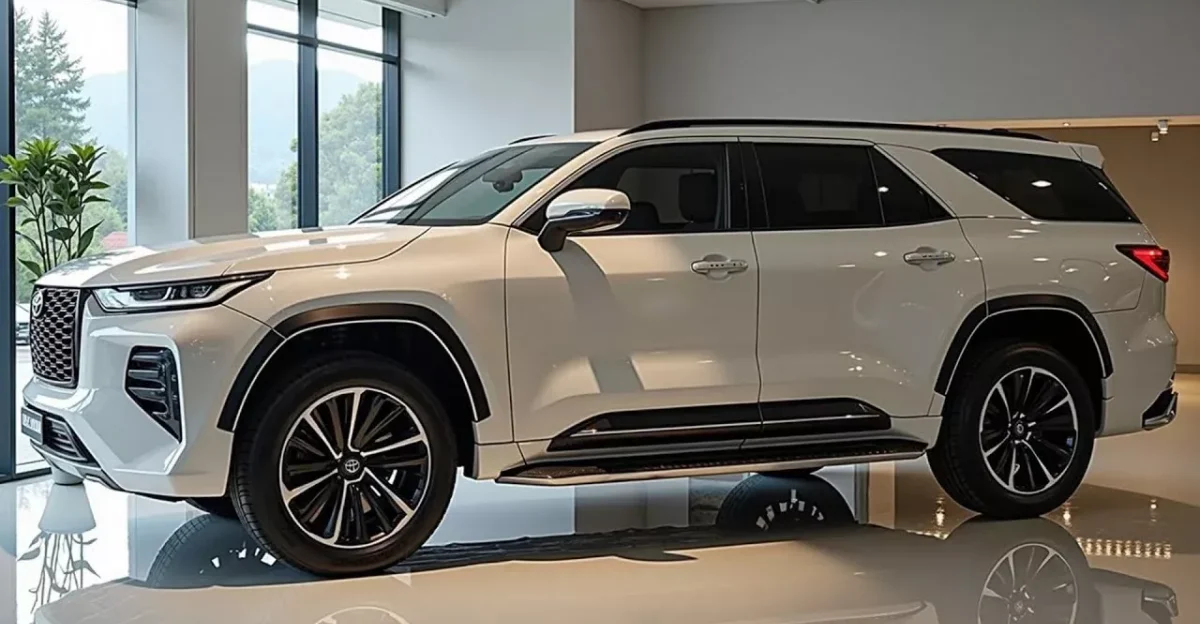
Japanese consumers now face a full-size American pickup truck at roughly $75,000 in a market built around compact kei cars. The Highlander Hybrid lists at about $54,000. Toyota set conservative targets: 80 Tundras and 40 Highlanders per month. Those numbers sound modest until you consider that Japan’s entire market for large imported vehicles barely existed twelve months ago. The infrastructure for selling, servicing, and insuring these vehicles in narrow Tokyo neighborhoods didn’t exist either. Nationwide rollout hits this summer, ready or not.
Three Automakers, One Playbook
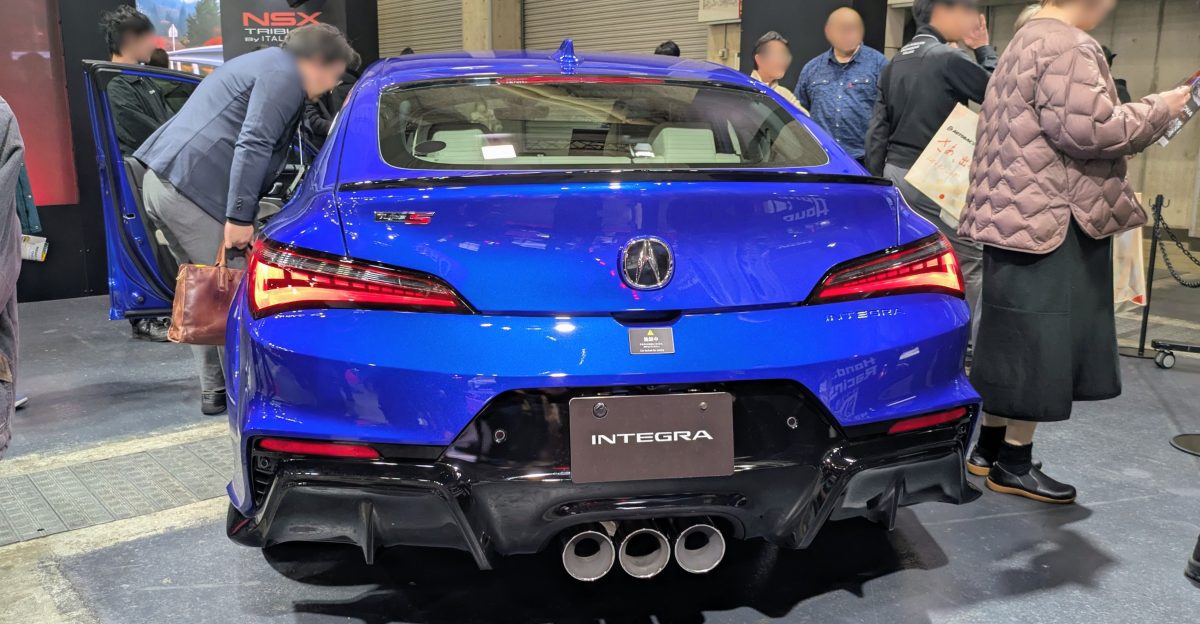
Toyota moved first, but Honda announced plans to export the U.S.-built Integra Type S and Passport to Japan in H2 2026, launching the Acura luxury brand in Japan for the first time in history. Nissan followed, announcing plans to bring the American-made Murano back to its home market in early 2027. Three competing automakers executing nearly identical reverse-import strategies within the same regulatory window, though on staggered timelines. S&P Global noted Japan’s market structurally favors small A/B segment cars, yet all three companies chose large American-spec vehicles. The pattern reveals the pressure.
The Camry Contradiction
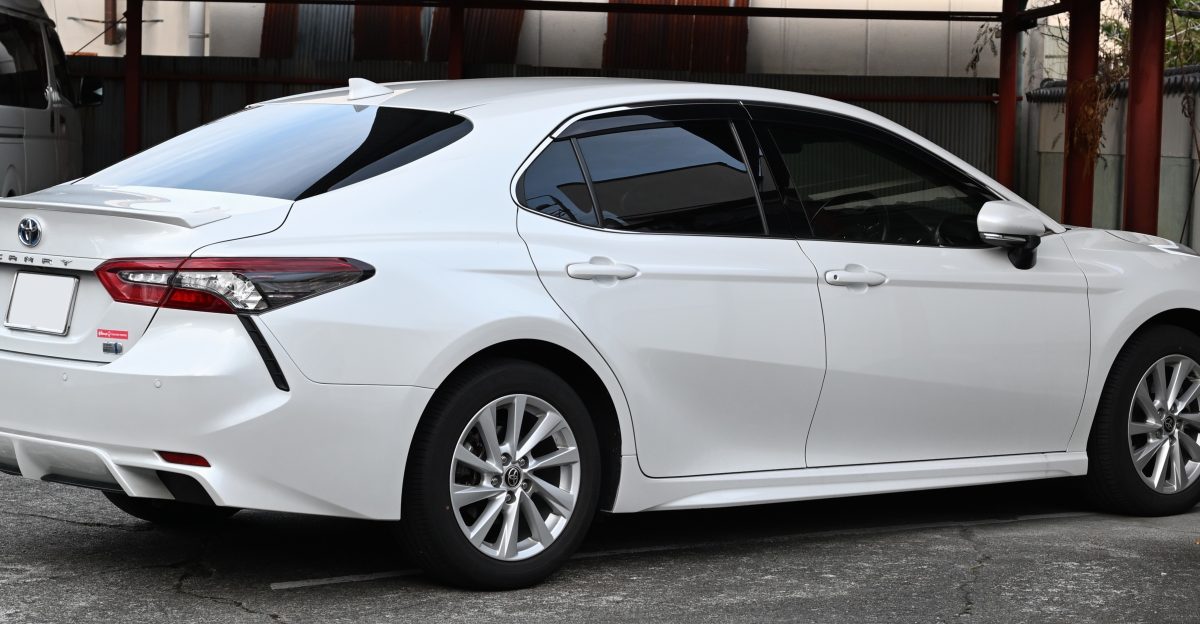
Here’s where the scope gets strange. Toyota discontinued the Camry in Japan in 2023 because it wasn’t selling. America’s perennial best-selling sedan failed in the Japanese market. Now Toyota plans to reimport a Kentucky-built Camry to Japan in H2 2026 under the new certification system. A car that Japanese consumers already rejected is returning as a U.S.-made import. That decision only makes sense if the driver isn’t profit but obligation. The $550 billion investment deal created commitments that override market logic.
The Machine Behind the Curtain
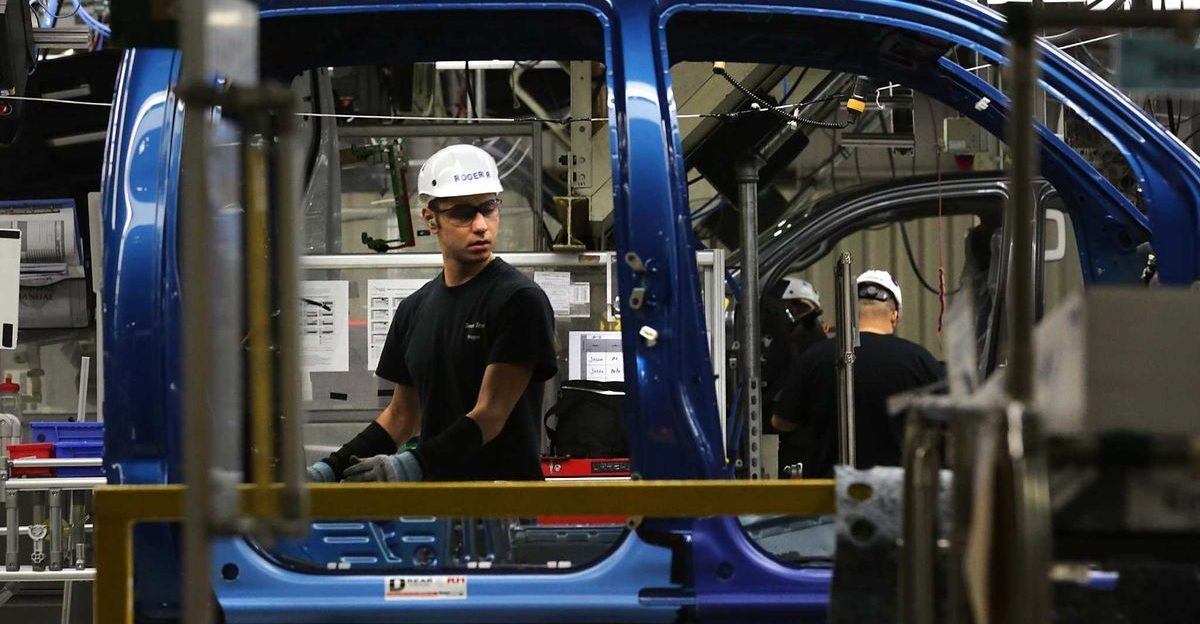
The hidden mechanism connecting every ripple is a carrot-and-stick framework embedded in the July 2025 agreement. Japan committed $550 billion in U.S. investment. The U.S. set a 15% baseline tariff on Japanese imports. Compliance with market-opening demands keeps tariffs manageable. Resistance triggers escalation. Tariff threat hits Tokyo. Tokyo pressures automakers. Automakers pressure regulators. Regulators rewrite certification rules. Vehicles cross the Pacific in reverse. Same mechanism, applied to three companies simultaneously. The trade deal didn’t just open a market. It built a compliance engine that runs on tariff fear.
Toyota’s Own Words Tell the Story
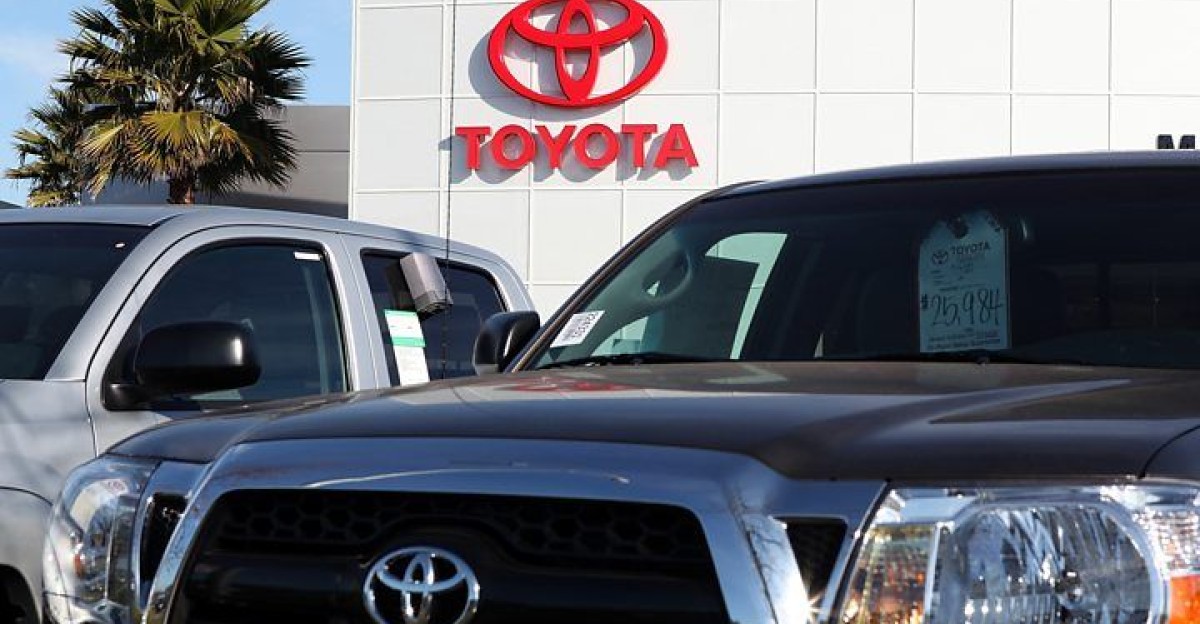
“By bringing these three U.S.-produced models to Japan, Toyota will meet the diverse needs of a broad range of customers and help further strengthen Japan-U.S. relations.” Read that again. A car company framing vehicle imports as diplomacy. Toyota also claimed Japanese customers would “embrace the unique appeal of the Tundra” for outdoor adventures. Meanwhile, the White House fact sheet stated bluntly: “Longstanding restrictions on U.S. cars and trucks will be lifted.” One side says customer choice. The other says forced market opening. Both are describing the same transaction.
A Precedent That Rewrites the Rules
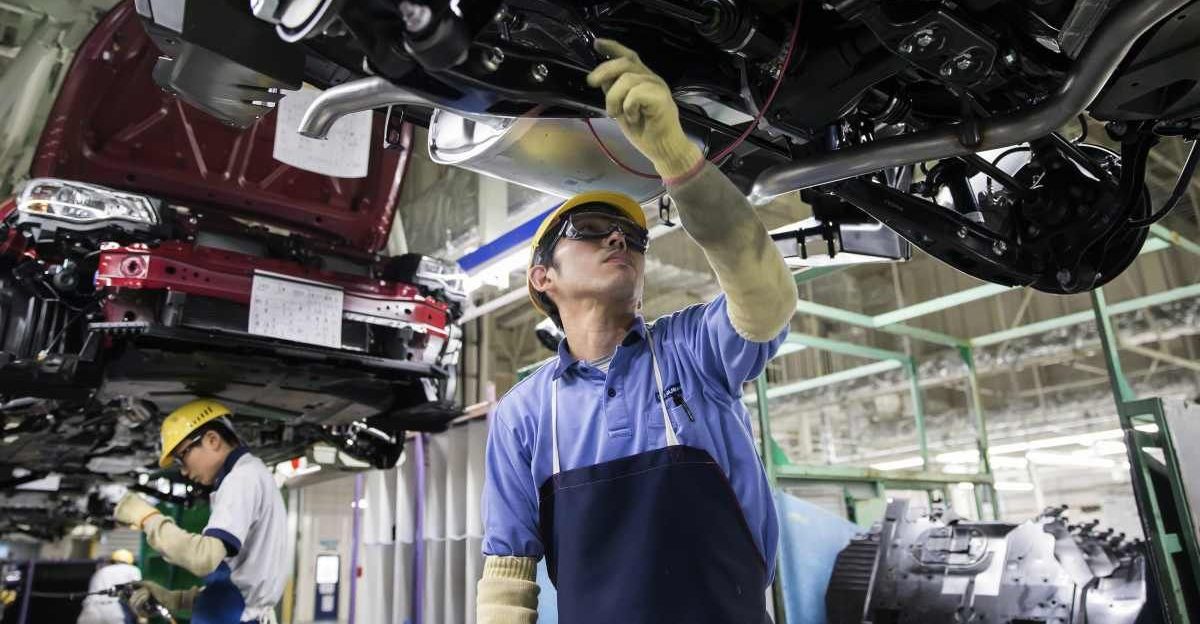
Japan accepted U.S. automotive safety standards without retesting for the first time in history. That regulatory capitulation compressed what normally takes two to three years of certification into weeks. The precedent now exists: bilateral executive action can override decades of technical regulatory requirements when tariff pressure reaches critical mass. European and Korean automakers are watching this template closely. If tariff leverage forced Japan to abandon 75 years of regulatory independence in under a year, every “permanent” trade barrier on earth just became negotiable. The $550 billion deal is the largest foreign investment commitment ever secured in American history.
Winners, Losers, and the Fine Print
U.S. manufacturing plants in Kentucky, Indiana, and Texas gain production volume and political relevance. Toyota announced a $10 billion, five-year U.S. manufacturing investment on top of the broader deal. Japanese domestic auto suppliers face potential displacement if import volumes grow. Ford and GM could gain access to Japanese dealership networks under the agreement’s terms. The losers nobody’s discussing: Japanese consumers paying import-premium prices for vehicles their market already rejected, and Detroit automakers who gain nothing if the reverse-import model stays a Japanese-brand strategy. The irony is thick enough to cut.
The Cascade Keeps Breaking
Japan’s government may subsidize domestic EV production to insulate against U.S. imports. Trade partners could file WTO complaints challenging the coercion mechanism. If reverse imports gain traction beyond 80 units a month, U.S. firms may demand direct manufacturing access inside Japan. The compliance engine built into this deal doesn’t have an off switch. Every “closed” market you assumed was permanent just revealed itself as a policy choice maintained by political convenience. This story started with two trucks in a Tokyo showroom. It ends with a new template for how global trade gets rewritten, one tariff threat at a time.
Sources:
“Toyota to Sell U.S.-Made Tundra and Highlander in Japan.” Toyota Motor Corporation Global Newsroom, 2 Apr. 2026.
“Implementing the United States–Japan Agreement.” The White House, 4 Sept. 2025.
“Honda to Begin Sales of Two U.S.-built Vehicles in Japan.” Honda Motor Co., Ltd. Global Newsroom, 5 Mar. 2026.
“Nissan to Export US-Built Murano SUV to Japan.” WardsAuto, 18 Mar. 2026.