$26.5B Wiped Out As Stellantis Posts First Loss Since 2021—Stock Crashes 67% After CEO’s Guts ‘100% Electric’ Promise
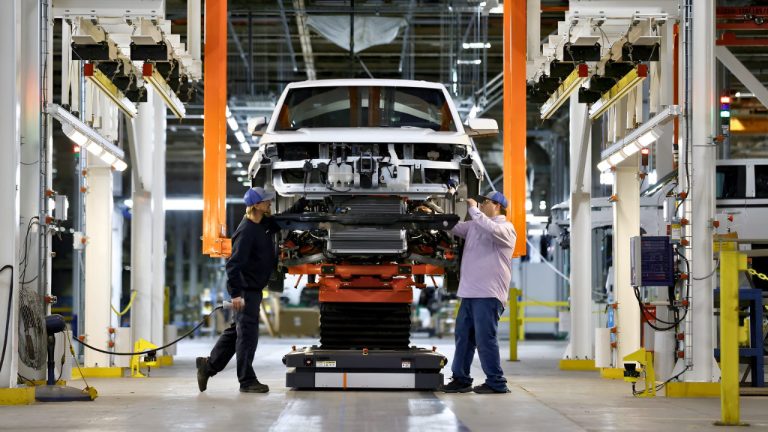
Stellantis just torched roughly $26.5 billion, and the smoke is still rising. On February 6, 2026, the parent of Jeep, Ram, Dodge, and Chrysler disclosed €22.2 billion in charges for the second half of 2025, booking its first annual net loss since its 2021 creation.
Shares plunged around 25% in Milan, briefly halting trading after a 14.4% drop at the open. Over roughly two years, the stock has fallen from the high $20s to under $8, wiping out more than two-thirds of its value.
EV Gospel Meets Reality
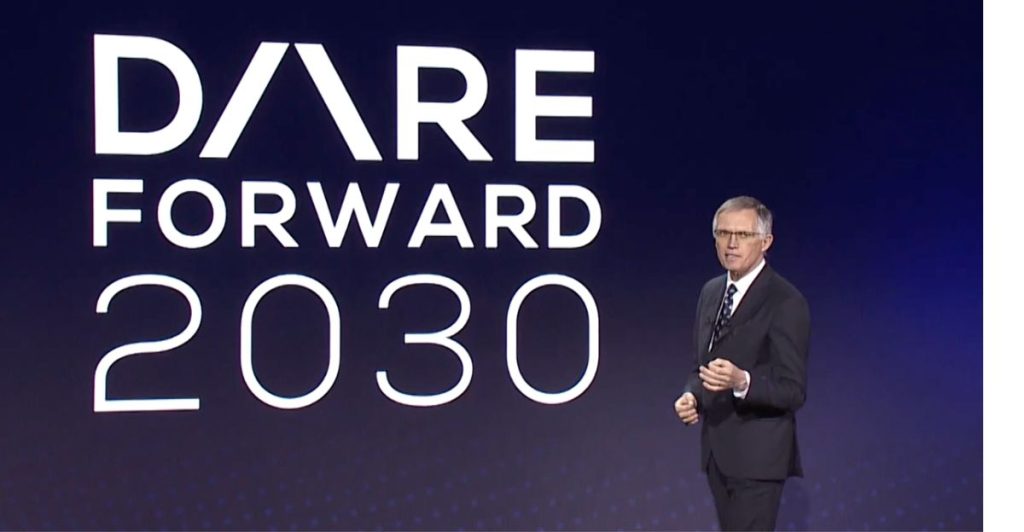
In early 2022, then‑CEO Carlos Tavares rolled out Dare Forward 2030, promising 100% battery‑electric sales in Europe and 50% in the U.S. by 2030, backed by about €50 billion and more than 75 planned BEVs. It looked bold on a slide deck. In showrooms, customers still wanted hybrids and gas trucks that could tow all weekend.
By December 2024, after a bruising stretch of weak North American performance and board tension, Tavares was out, and the plan was already wobbling.
Filosa’s “Emergency Room” Turnaround

Antonio Filosa took over in mid‑2025 and immediately started calling the situation what it was: an emergency. He froze or killed unprofitable EV projects, pivoted back toward internal combustion and hybrids, and said Stellantis had simply overshot the real market.
“The charges announced today largely reflect the cost of over‑estimating the pace of the energy transition that distanced us from many car buyers’ real‑world needs, means, and desires,” the company admitted in February. Translation: they built cars for a future their own customers hadn’t signed up for.
Inside the $26.5 Billion Reset
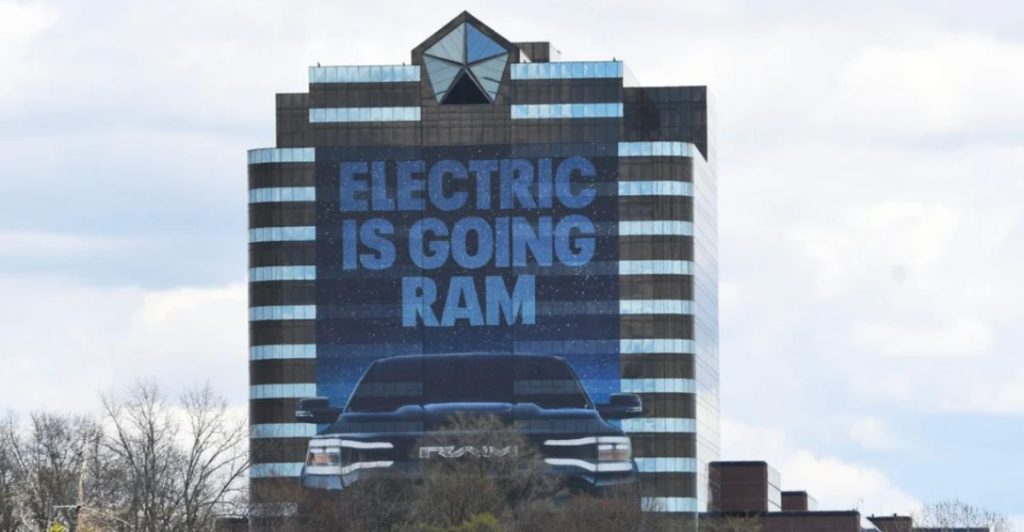
The €22.2 billion charge is a full teardown of Stellantis’ EV bet, not a one‑off write‑down. About €14.7 billion is tied to realigning product plans with what buyers and new U.S. rules will actually support, including lower EV volume expectations. Billions more cover cancelled products and platform impairments.
Stellantis expects roughly €6.5 billion in cash outflows over the next four years. To thicken its capital cushion, the board approved up to €5 billion in hybrid bonds and suspended the dividend for 2025.
The $100 Battery Plant Fire Sale
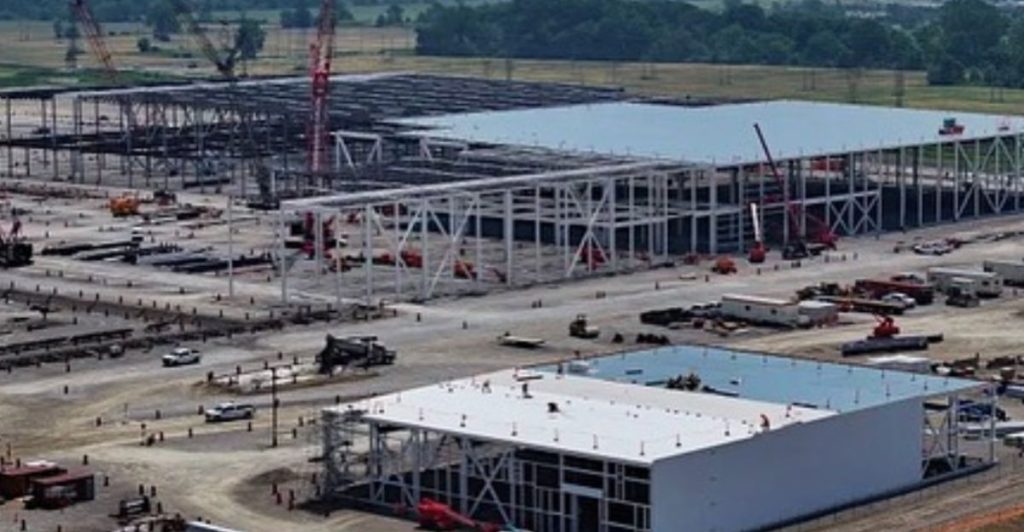
Nothing shows how far the pivot has gone like the NextStar Energy fire sale. Stellantis sold its entire 49% stake in the Canadian battery joint venture with LG Energy Solution for $100. That’s walking away from close to $1 billion of its own investment and a roughly C$5 billion project anchored by a 4.23‑million‑square‑foot Windsor, Ontario plant. LG now owns the whole operation.
Stellantis is also moving to exit a separate battery venture with Samsung SDI in Indiana. Two years after promising an all‑EV future, it’s selling off the battery factories.
HEMI V8: Back by Popular Demand
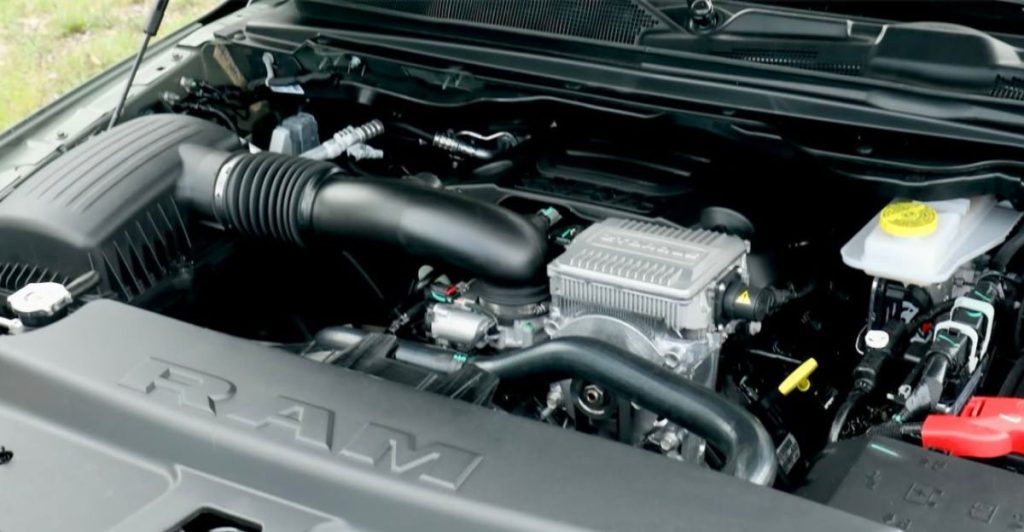
While the accountants bury EV losses, the product team is bringing back something many truck fans actually want: more HEMI. Ram CEO Tim Kuniskis says Stellantis plans to build over 100,000 HEMI V8s in 2026 after roughly 30,000 in 2025, driven by real demand. Last year, orders outran what the Saltillo Engine Plant in Mexico could supply.
Kuniskis expects about 35% of Ram’s mix to be V8 once supply stabilizes. The 5.7‑liter HEMI still delivers around 395 hp and 410 lb‑ft with eTorque, exactly what towing and hauling buyers understand.
Detroit’s EV Losses Pile Up Across the Board
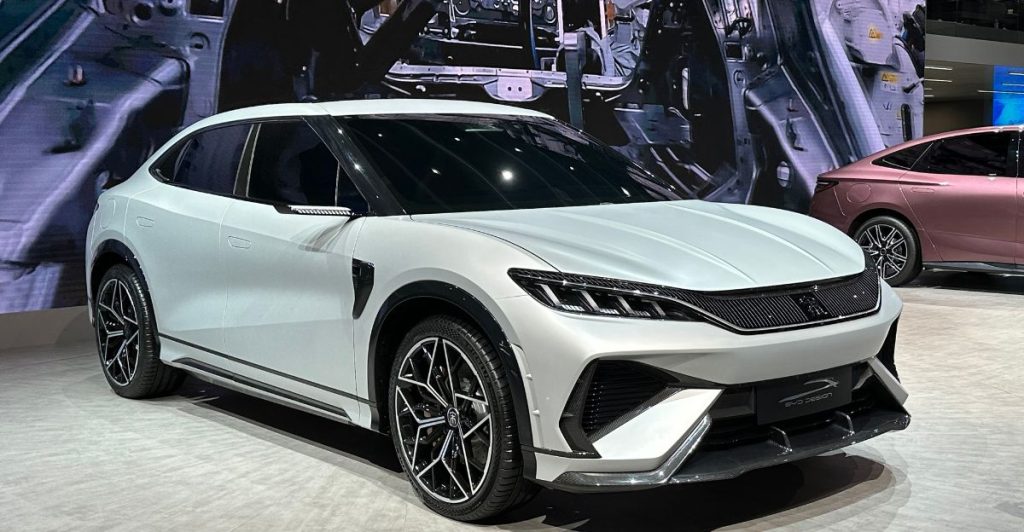
Stellantis isn’t alone in this hangover. Ford’s Model e division has racked up cumulative EV losses of over $16 billion through 2025, and GM has also booked significant EV-related charges. Add Stellantis’ roughly $26–27 billion, and the Big Three have collectively absorbed massive hits chasing an EV transition that didn’t materialize on the promised timeline.
EV demand cooled, hybrids came roaring back, Chinese brands undercut Europe, and U.S. EV incentives and fuel‑economy rules were rolled back under the Trump administration, undercutting the business case.
The EV Graveyard: Ram 1500, Charger Banshee
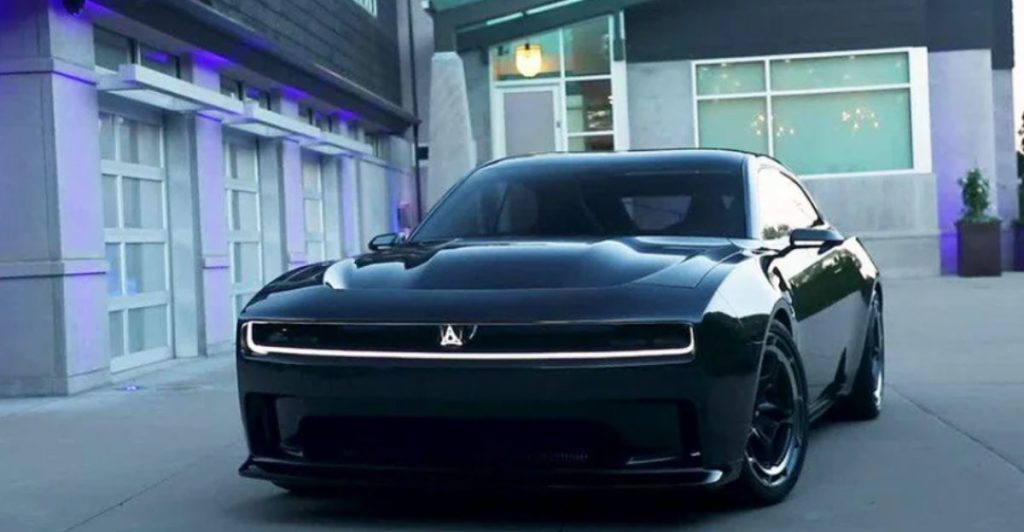
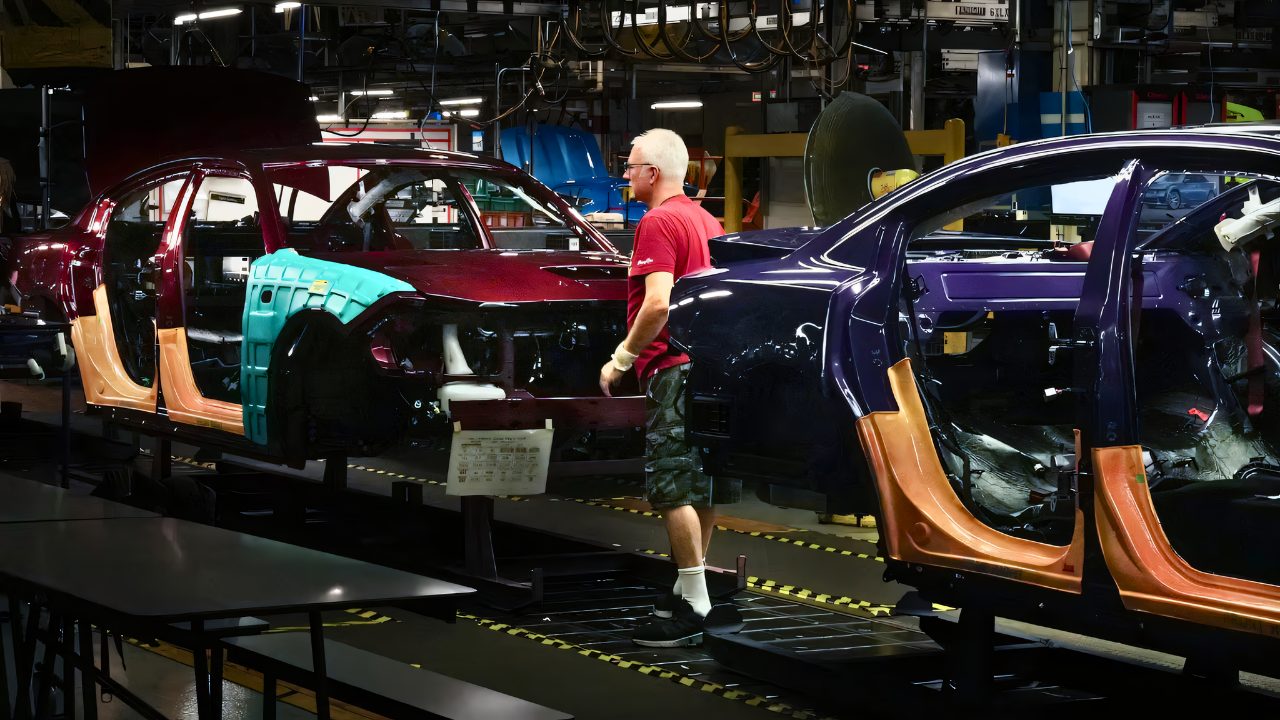
The Stellantis lineup now looks like a graveyard of early EV ambitions. A planned fully electric Ram 1500 pickup has been shelved in favor of the Ram 1500 REV, a range‑extended and hybrid‑heavy truck aimed at people who actually tow and road‑trip.
Dodge’s Charger Daytona SRT Banshee, an all‑electric halo that was supposed to succeed the Hellcat, has been cancelled before production, according to multiple reports. The entry‑level Charger Daytona R/T is also being dropped for 2026 as demand for the EV variant underwhelms.
When the Industry Follows the Same Script
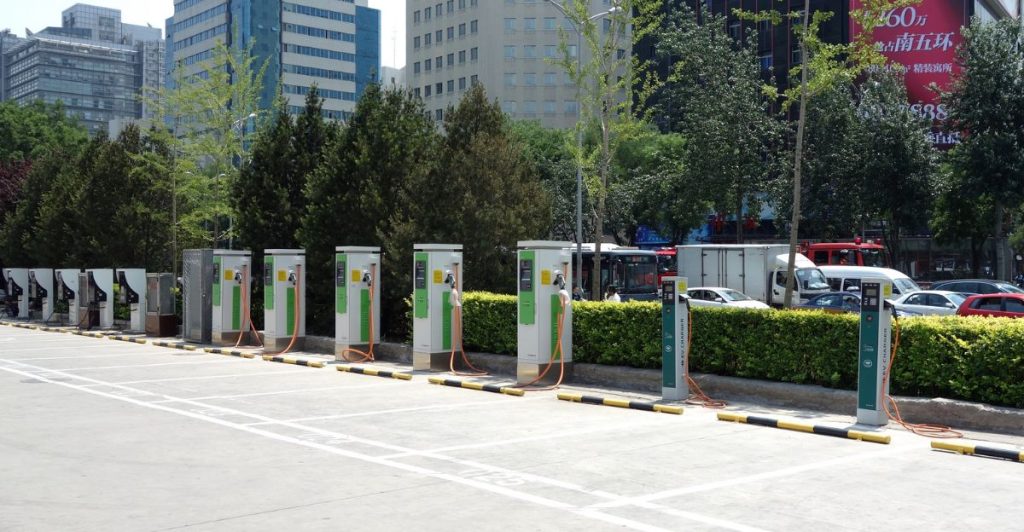
Over the last five years, EV strategy at the big legacy brands often looked less like analysis and more like groupthink. Everyone promised similar EV targets on similar timelines, regardless of what truck buyers, rural drivers, or long‑distance commuters were actually doing. Stellantis committed to “100% electric in Europe by 2030” not because customers were asking for it, but because European regulators set hard deadlines, Wall Street rewarded big EV announcements, and no CEO wanted to be the lone dissenter calling for a slower rollout.
When the gap between what policymakers mandated and what customers could actually afford or use grew too wide, Stellantis executives began pushing back, warning that the EU’s 2035 zero‑emissions targets were disconnected from real‑world infrastructure and buyer budgets.
Can the New Playbook Work?
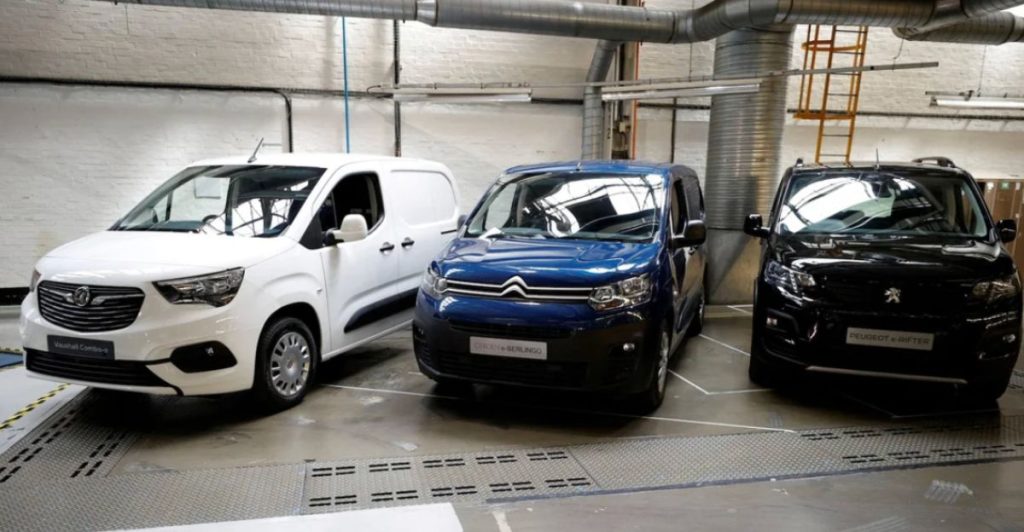
Stellantis reports full 2025 results later in February and plans a strategic update at a Capital Markets Day in May, where Filosa is expected to lay out a more balanced mix of EVs, hybrids, and combustion models. The company is guiding to low single‑digit margins for 2026 and warning of roughly €1.6 billion in tariff costs.
North American volume already rebounded in late 2025 as Stellantis leaned back into trucks and drivetrains people actually buy. The stock now trades at a deep discount to Ford and GM. The HEMI is back, the pure‑EV dream has been repriced, and the next chapter depends on whether this more grounded playbook sticks.
Sources:
Stellantis Resets its Business to Meet Customer Preferences and Regulatory Changes – Stellantis
Stellantis plunges on $27 billion bill for EV pullback – Reuters
Stellantis announces $26 billion hit from business overhaul – CNBC
LG Energy Solution to Acquire Full Ownership of NextStar Energy in Canada – LG Energy Solution
Stellantis Seeks to Exit Battery Venture With Samsung as EV Losses Mount – Yahoo Finance
Stellantis Aims to Build 100,000+ HEMI Engines in 2026 – Guide Auto Web