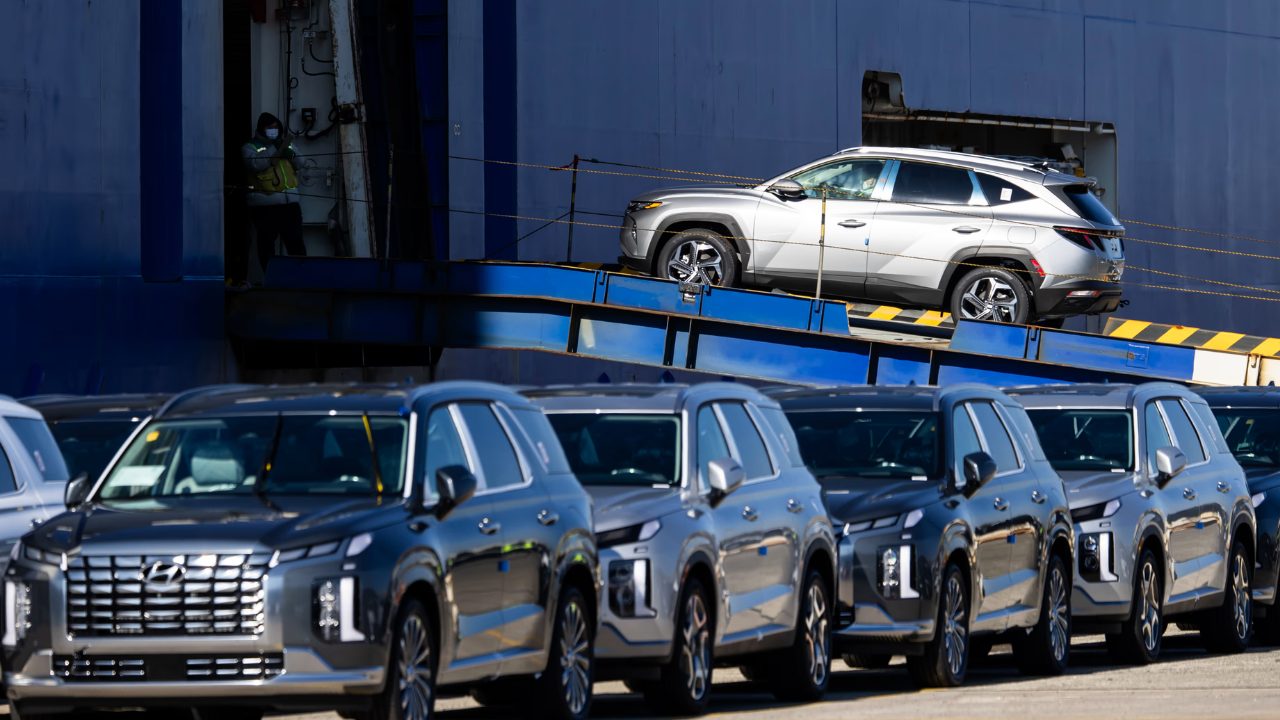
25% Tariff Kills World Car Of The Year As Hyundai Pulls $39K EV From U.S. Market
The 2023 World Car of the Year just got pulled from every American showroom. Hyundai confirmed the standard 2026 Ioniq 6 sedan will not be sold in the United States. Sales collapsed 77% in February, cratering from over 1,000 monthly units to just 229.
The car rated 135 to 140 MPGe, making it one of the most efficient production EVs on Earth. Nothing changed about the product. Everything changed about the policy around it. The $39,095 base price was supposed to make electrification accessible. That math just broke.
The Double Hit
Two policy shocks landed within five months. The federal $7,500 EV tax credit expired September 30, 2025, stripping the biggest consumer incentive overnight.
Then the Trump administration raised tariffs on South Korean auto imports to 25%, the highest protectionist duty on Korean vehicles in modern U.S. trade history. The Ioniq 6 is built in South Korea. That tariff added thousands in cost to every unit before it reached a single dealer lot. One shock weakened the car’s position. The second made it unsellable.
Sticker Shock
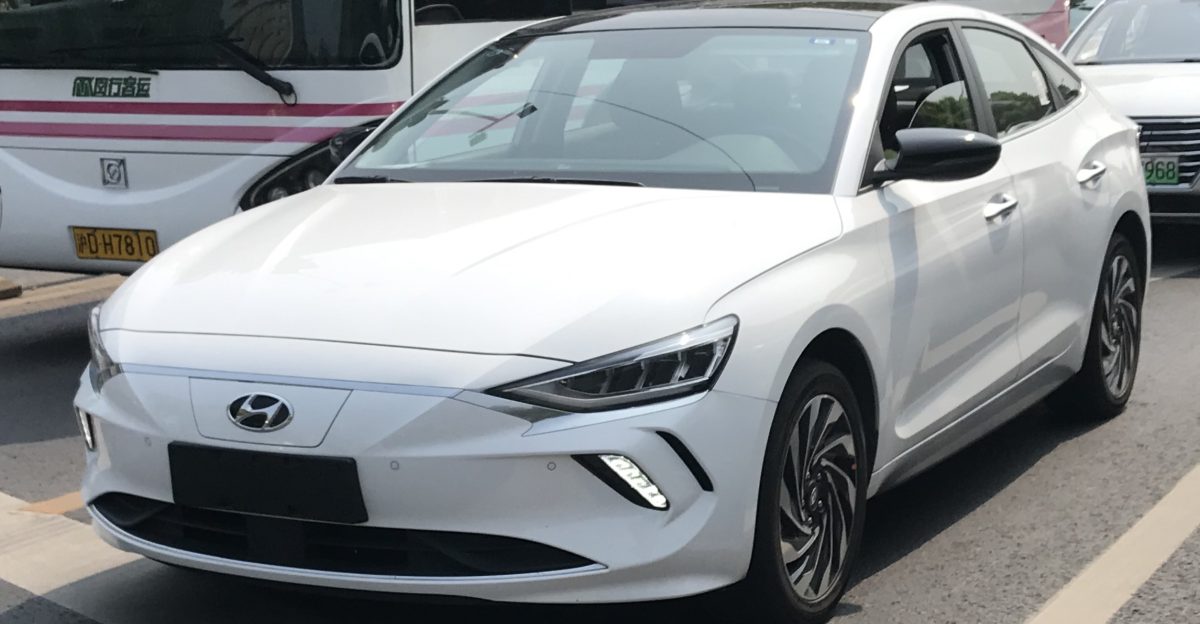
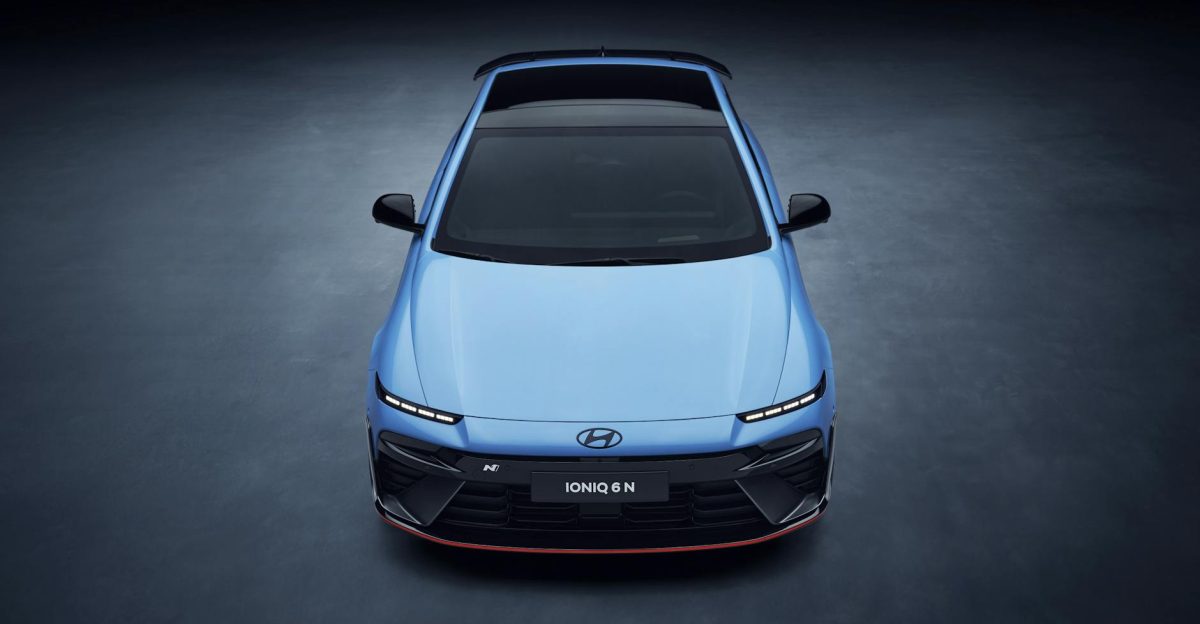
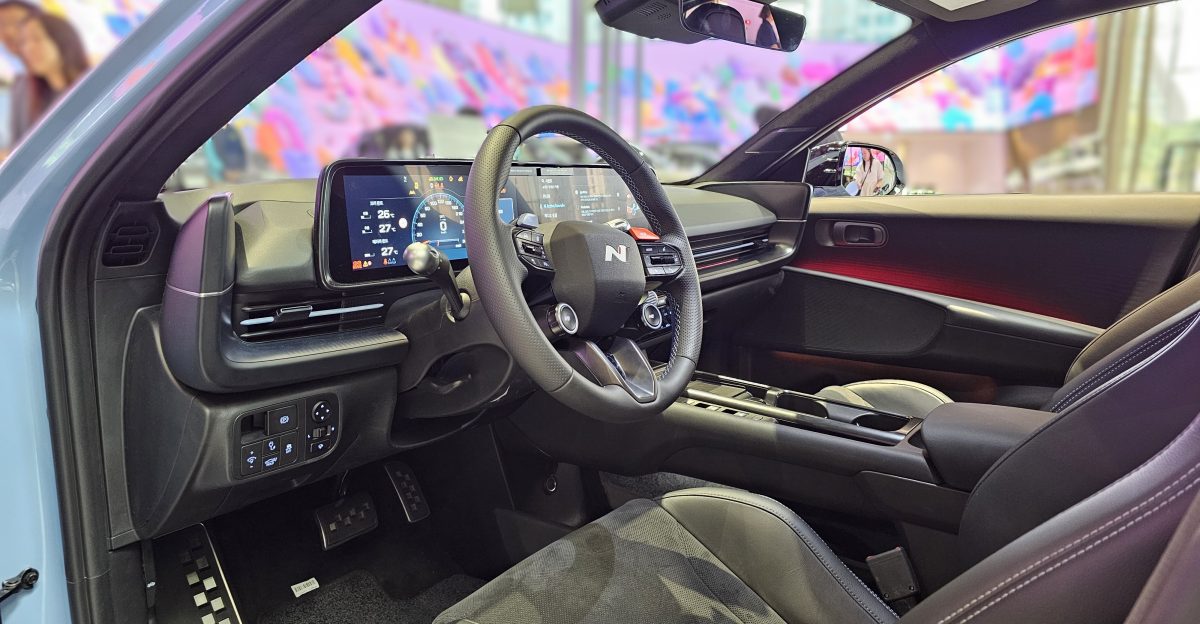
Buyers shopping for the Ioniq 6 in early 2026 faced a brutal new reality. The base model they could have bought for $39,095 no longer exists. The only Ioniq 6 left is the N performance variant, expected to be priced around $70,000. That is roughly a $31,000 gap.
For a family weighing an efficient EV sedan against a gas-powered alternative, that gap erases the entire value proposition. Hyundai effectively replaced a mass-market car with a 641-horsepower track weapon most buyers never asked for.
Split Personality
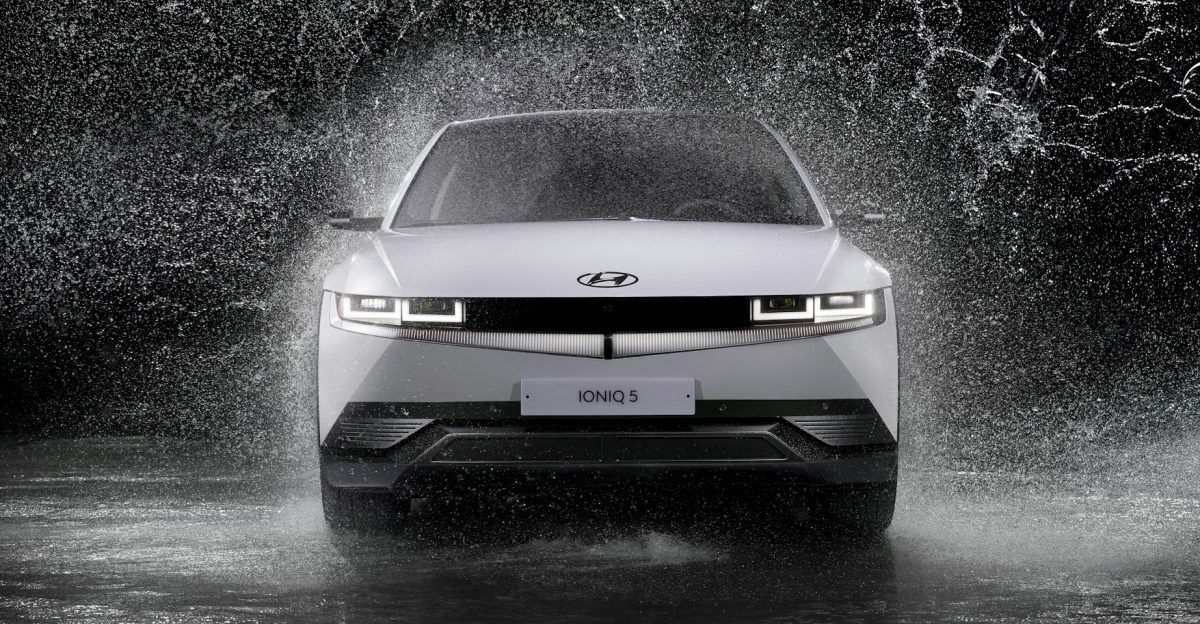
Here is where the story turns strange. In the same month the Ioniq 6 collapsed 77%, Hyundai’s Ioniq 5 surged 33%, hitting 3,239 units in February. Same company. Same brand.
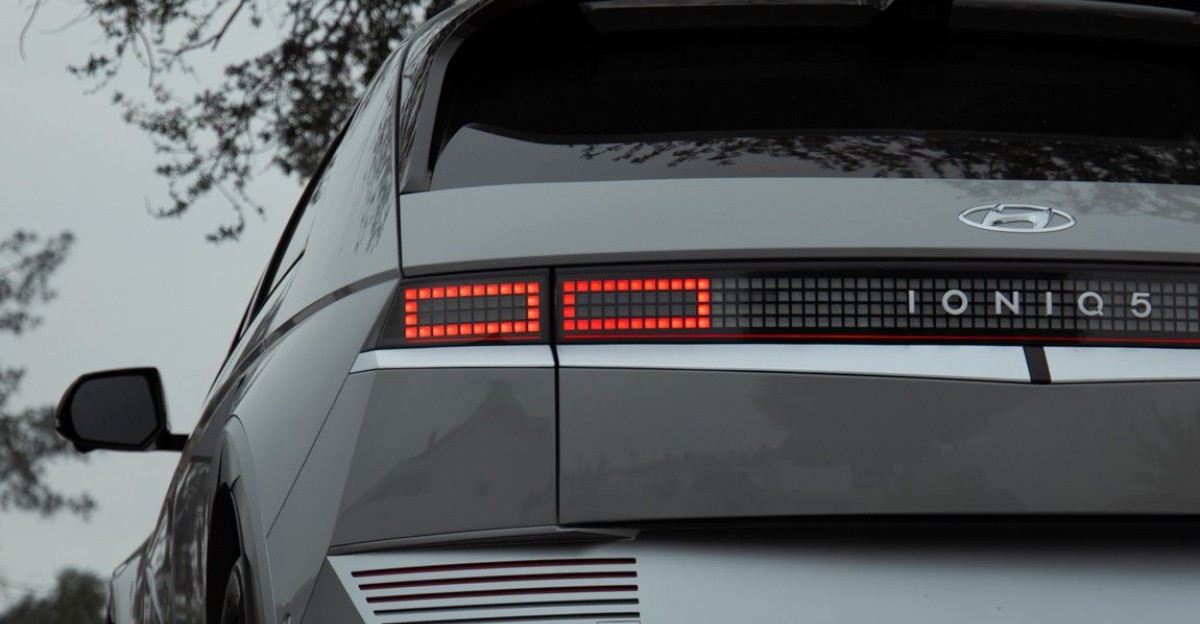
Same month. The difference: the Ioniq 5 rolls off the line at Hyundai’s Metaplant America facility in Georgia. No Korean import tariff touches it. Hyundai froze MSRPs on U.S.-built models through June. The Korea-built sedan got a death sentence while the Georgia-built SUV got a sales bump. Same showroom, opposite fates.
Beyond Hyundai
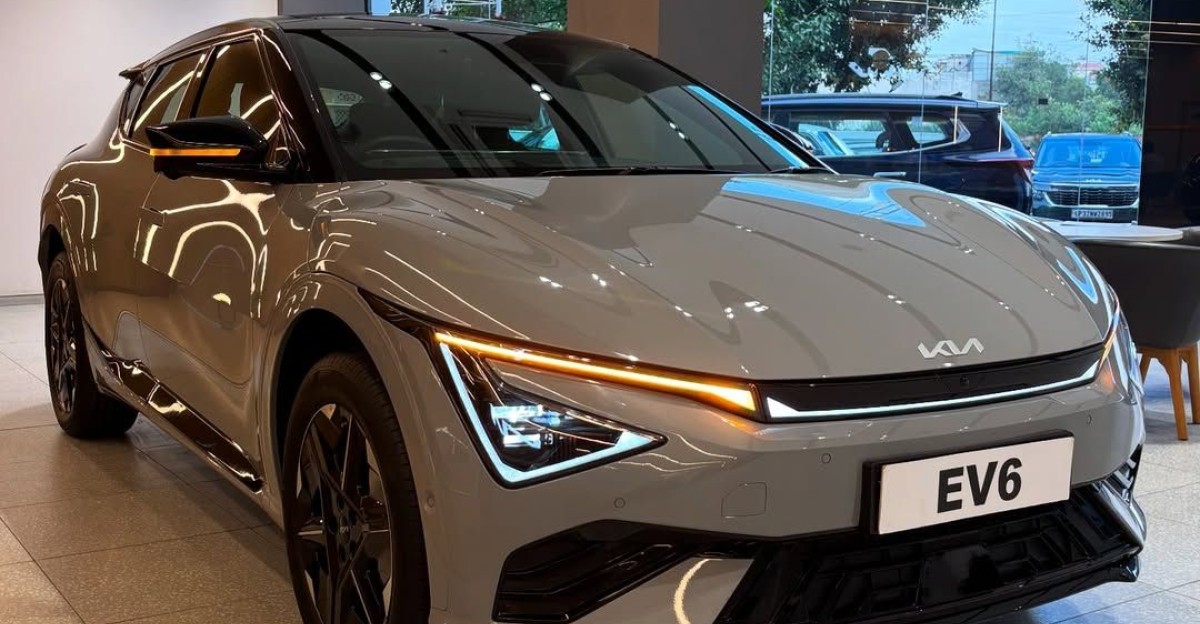
The Ioniq 6 is the canary. South Korea exported roughly $30 billion in vehicles to the United States annually before the tariff hike. The Kia EV6, built in Korea, faces identical pressure.
So does the Genesis GV60. Every Korea-manufactured model now carries a 25% duty that mass-market pricing cannot absorb. Performance and luxury trims can bury the cost in higher margins. Affordable models cannot. One tariff policy just redrew the competitive map for an entire country’s auto exports. And nobody in Seoul voted for it.
The Hidden Machine
Tariff hits Korea-built car. Tax credit vanishes for all EVs. Pricing collapses for the affordable model. Buyer walks into dealership, sees the math, walks out. Sales crater.
Manufacturer pulls the product. Georgia factory keeps humming. That sequence connects every ripple in this story to one mechanism: policy now determines which EVs live and which die based on where they are manufactured, not how good they are. The Ioniq 5 proves it. Same technology, same brand, built in America. It thrives. The award-winning sedan, built overseas, vanishes.
The Expert Verdict
Edmunds Director of Editorial Content Steven Ewing put it plainly: “It’s certainly the most logical explanation. The Ioniq 6 is built in South Korea, and it’s easier to fold the additional cost of import tariffs into the more expensive and lower-volume Ioniq 6 N.”
Hyundai’s own spokesperson called the lineup “award-winning” in the same announcement that eliminated 95% of its buyer base. Think about that. The company praised the car while signing its death certificate. The product earned every accolade. The policy environment made those accolades worthless.
New Rules
This marks the first tariff-driven sedan discontinuation in Hyundai’s entire U.S. market history. Three years from World Car of the Year to gone. The precedent rewrites how every automaker with overseas factories calculates risk. Canada will still sell a refreshed 2027 Ioniq 6 because Canadian trade policy differs.
The car lives everywhere the tariff does not. That single fact proves the discontinuation has nothing to do with the product and everything to do with the rules around it. Other manufacturers are watching, and they are doing math.
Winners and Losers
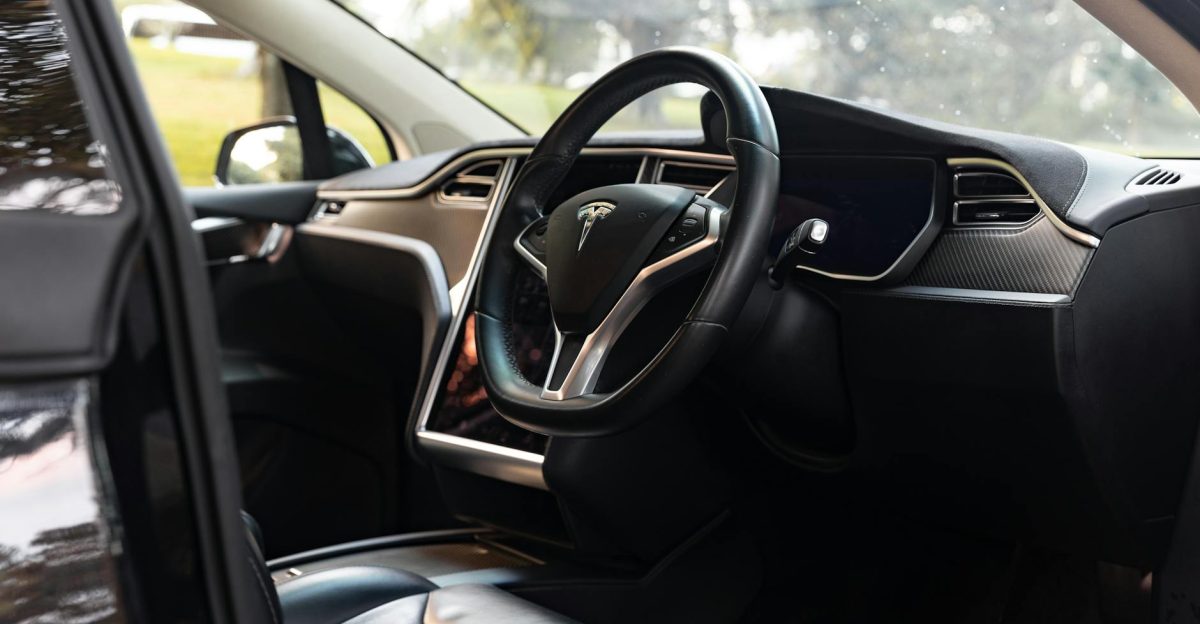
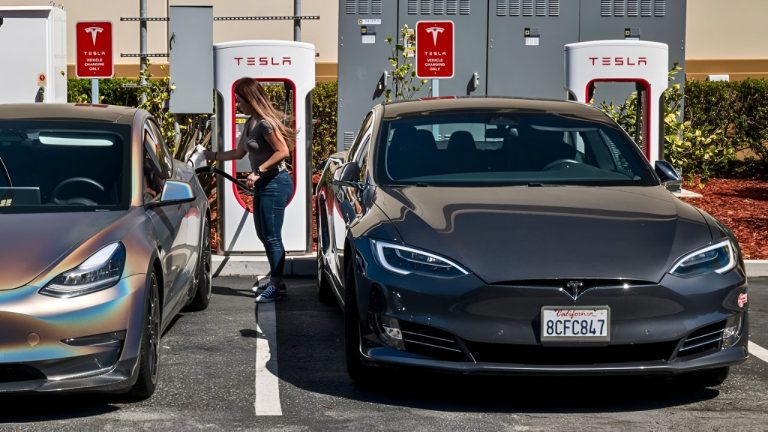
The winners: Tesla and domestic EV builders who face no Korean import duty. Luxury brands whose margins absorb tariff costs. Hyundai’s own Georgia plant, which the company is expanding with billions in investment. The losers: every American who wanted an efficient, affordable EV sedan. Every Korean supply chain vendor losing Ioniq 6 orders. Every current Ioniq 6 owner watching manufacturer support for their model evaporate. Policy marketed as protecting American jobs just eliminated an American consumer’s best option.
Still Breaking
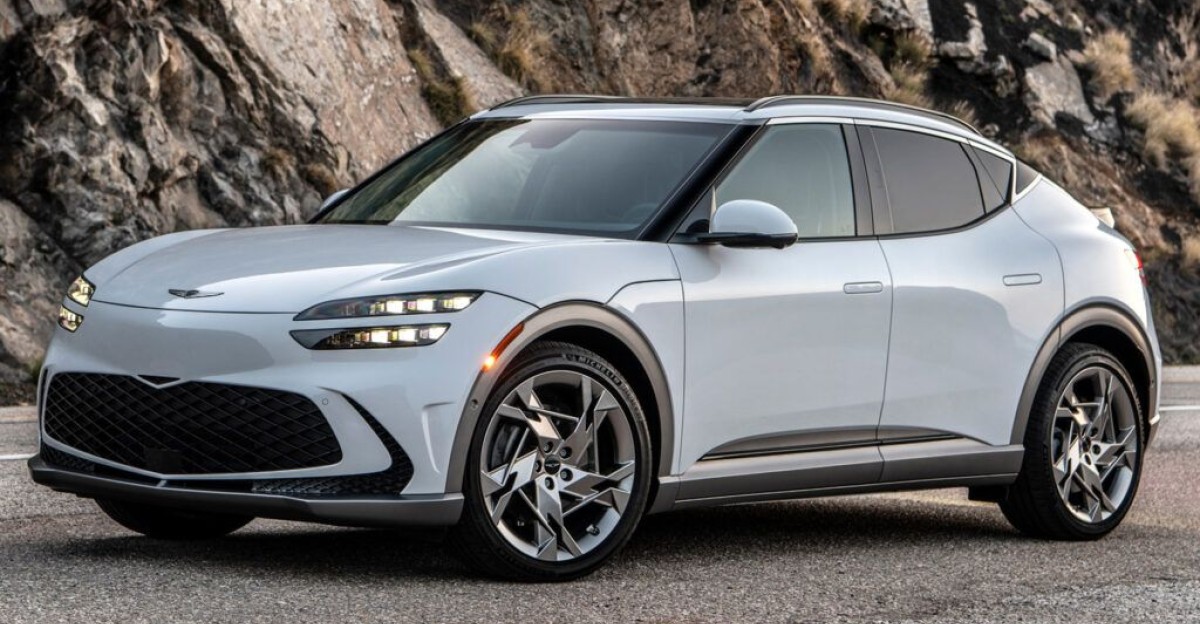
Hyundai is not retreating from America. The company committed $21 billion in U.S. investment, doubling down on Georgia manufacturing. The strategy is clear: build here or die here. If tariffs hold at 25%, expect the Kia EV6 and Genesis GV60 to face the same chopping block.
The cascade from one tariff hike to one discontinued sedan to an industry-wide manufacturing migration is still unfolding. Every EV price tag, every model cancellation, every factory announcement from here forward traces back to one question: where was it built?
Sources:
Edmunds, “Standard Hyundai Ioniq 6 Dropped From U.S. Lineup,” March 3, 2026
Car and Driver, “The Regular Hyundai Ioniq 6 Is Dead, but the Sporty N Model Lives,” March 3, 2026
Electrek, “Hyundai Bucks the Trend as IONIQ 5 EV Sales Surge 33%,” March 3, 2026
CNBC, “Trump: Tariffs on South Korean Autos, Pharma, to Rise to 25%,” Jan. 26, 2026
Cars.com, “Hyundai Discontinues Ioniq 6 for 2026, Will Only Offer High-Performance N Version in U.S.,” March 3, 2026
BBC News, “Hyundai Unveils $21bn US Investment as Trump Tariffs Loom,” March 25, 2025
World Car Awards, “Hyundai Ioniq 6: 2023 World Car of the Year,” April 4, 2023