$240M ‘Autonomous’ Tractor Startup Crashes And Fires 300—Dealer Paid $773K And Got Sued Instead
On April 3, 2026, Monarch Tractor abruptly shut down in Livermore, California, terminating all employees and leaving behind more than 110 unsold electric tractors. The startup had raised $240 million and reached a valuation near $518 million with its promise of fully autonomous farming equipment. Yet a federal lawsuit filed in September 2025 alleged the tractors failed to perform as advertised, including limits on autonomy. Investors took losses, dealers faced financial strain, and customers were left without support. The collapse reveals how quickly confidence can unravel when bold technology claims meet real world performance limits.
A Startup Built To Impress Investors

Monarch launched in 2018 with a high profile founding team led by CEO Praveen Penmetsa, joined by Zoox veteran Mark Schwager and Carlo Mondavi. The company promised to apply Tesla’s electric disruption model to agriculture. Its MK-V tractors offered electric power, autonomy claims, and data driven farming tools. Roughly 500 units shipped globally across four continents. By 2025, Monarch reported 2,700 metric tons of CO2 reduction and gained major recognition, including Forbes naming Penmetsa to its Sustainability Leaders List. Confidence grew quickly, but early adoption told a different story.
The Idaho Dealer Who Took The Risk
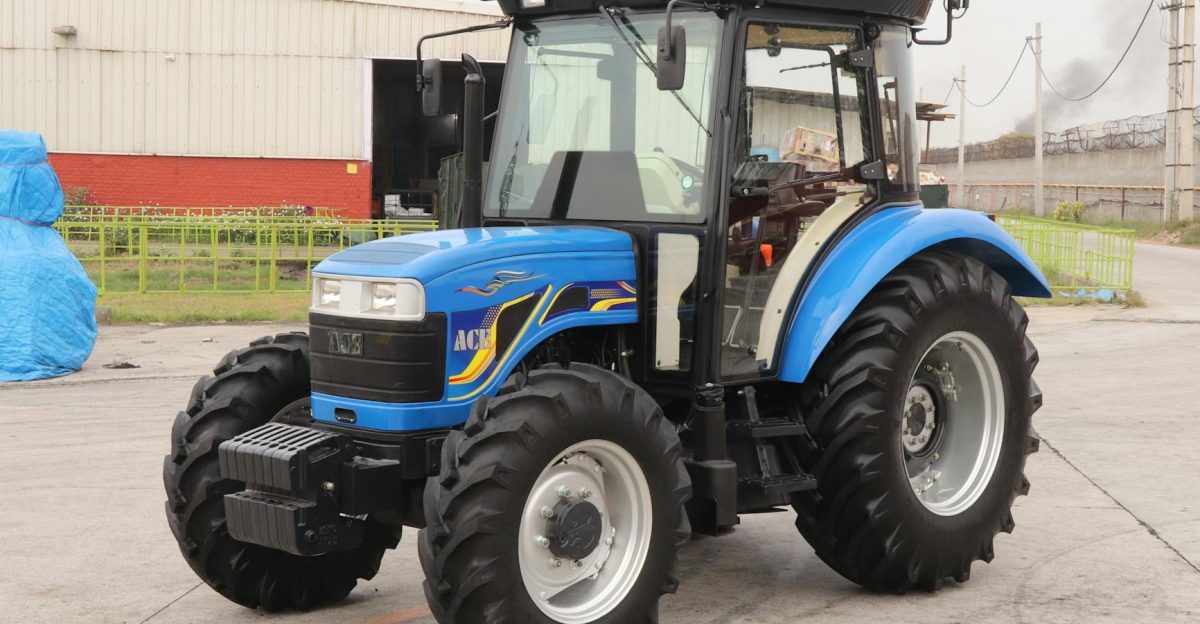
In early 2024, Burks Tractor, a dealership based in Idaho, invested $773,088 to purchase 10 Monarch tractors. The purchase was financed, positioning the dealer as one of Monarch’s earliest distribution partners. Five tractors arrived in April 2024, followed by the remaining units in June 2025. Expectations centered on advanced automation and reliability. Instead, operational issues began surfacing immediately, raising concerns about whether the product could meet real world agricultural demands. That investment soon became the focal point of a much larger legal and financial dispute.
When The Promise Fell Apart
In September 2025, Burks Tractor filed a federal lawsuit against Monarch, claiming the tractors did not perform as represented. According to the complaint, Monarch’s own sales team admitted in writing that autonomy “was limited and the tractors were unable to operate autonomously as represented.” This statement directly contradicted the company’s core marketing claims. The lawsuit did not just target performance issues. It challenged the credibility of the entire product offering. Once that contradiction became public, trust from dealers and buyers began to collapse rapidly.
Awards And Reality Collide
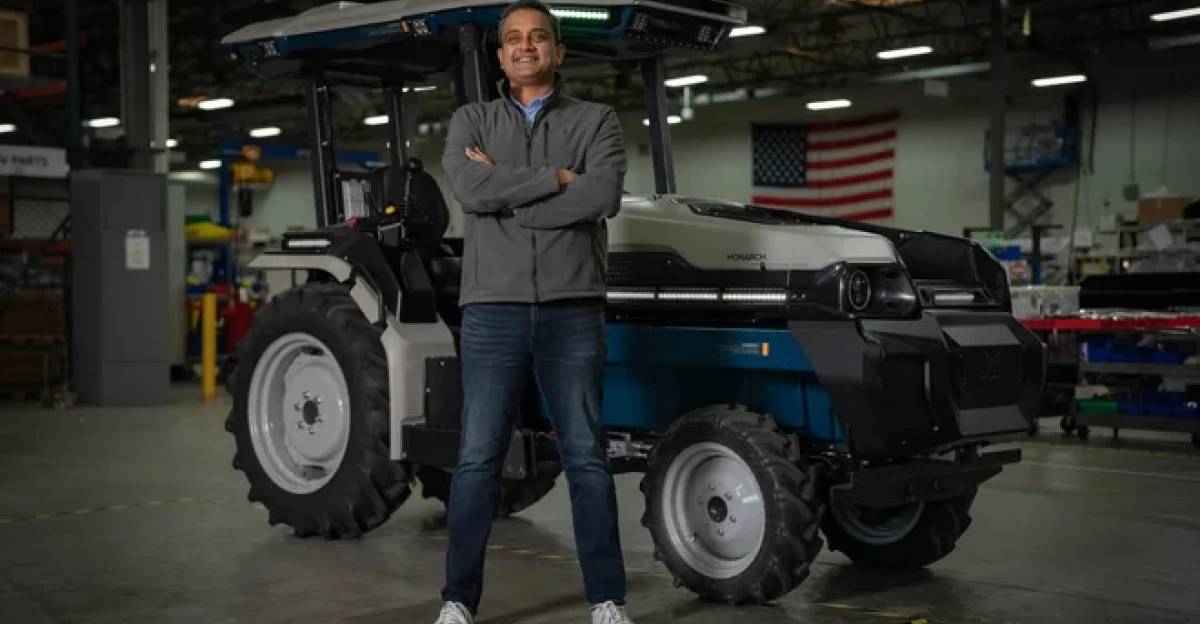
In 2025, CEO Praveen Penmetsa told Forbes he was “driven to fight the fights that need fighting.” That same year, internal communications revealed mounting concern. A company memo stated: “Unfortunately, the timing for completing the transition to the new business plan puts Monarch at risk of shut down.” Public recognition continued even as internal warnings escalated. The contrast between awards and internal instability highlighted a widening gap between perception and reality. By April 3, 2026, the outcome was no longer uncertain.
Why Farmers Would Not Buy In
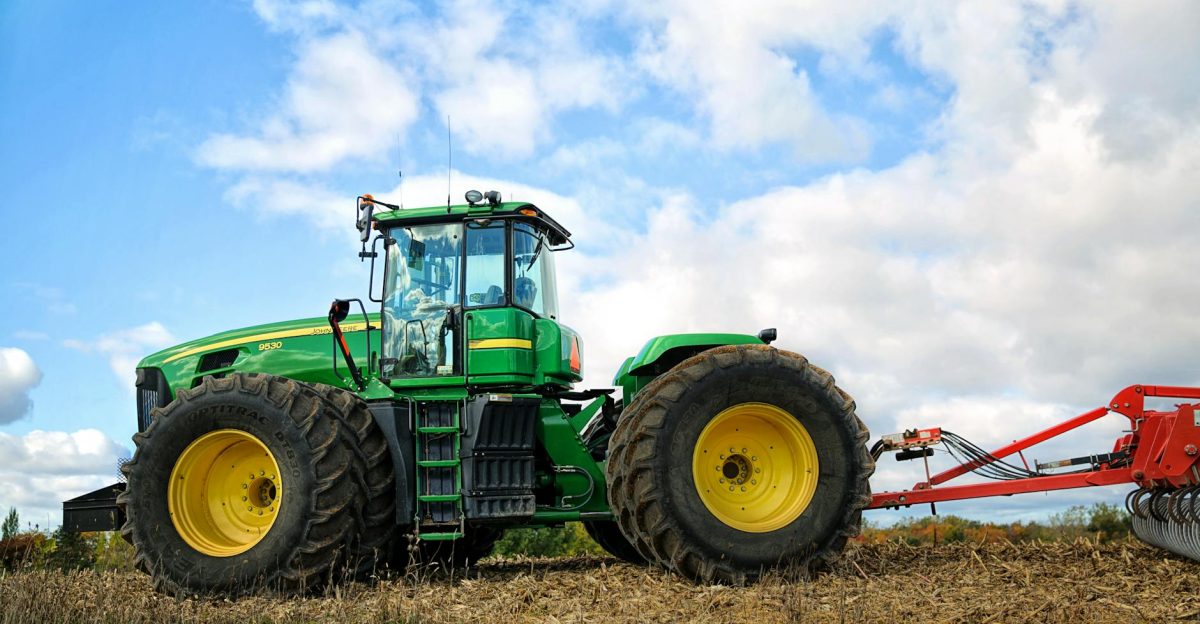
Agriculture operates differently from consumer tech markets. Farmers depend on proven reliability and measurable return on investment before adopting new equipment. A single failure can disrupt harvest cycles and cause direct financial loss. Monarch entered this environment offering unproven autonomy technology to highly risk averse buyers. Unlike early Tesla customers, farmers do not experiment with core machinery. When one dealer confirmed the tractors could not operate autonomously as promised, confidence did not decline gradually. It disappeared quickly, closing the door on broader adoption.
The Cost Per Tractor Tells A Story
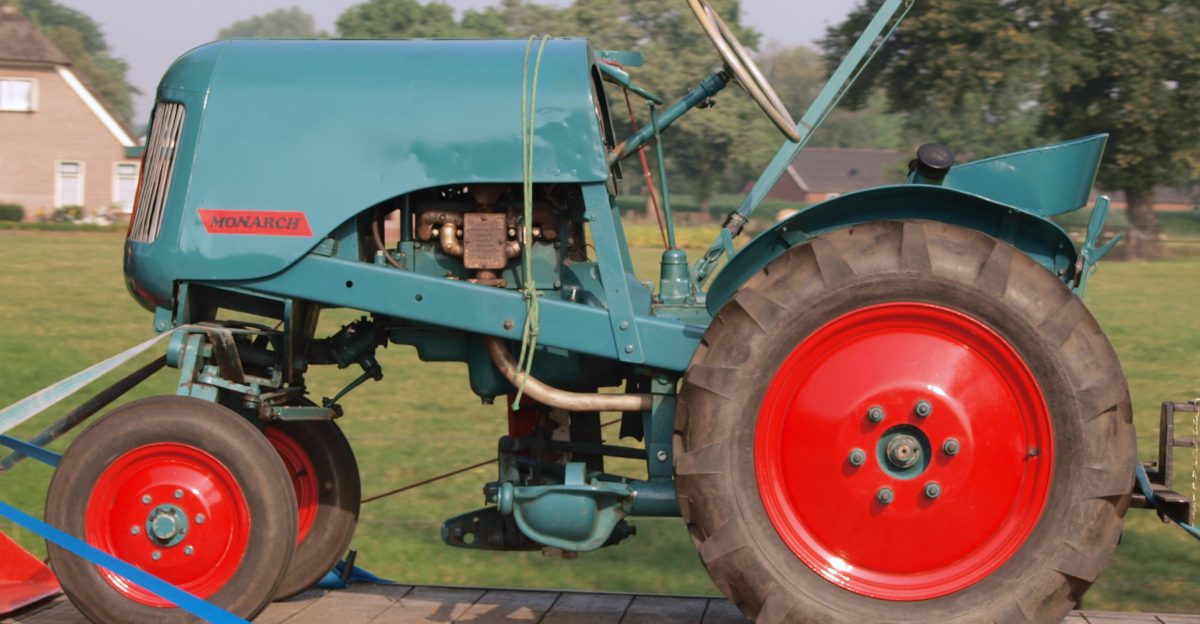
Monarch raised $240 million and delivered approximately 500 tractors. That equates to roughly $480,000 in capital spent per unit produced. At shutdown, more than 110 tractors remained unsold, representing about 22% of total production. CNH Industrial, a major agricultural manufacturer, recorded a $62 million impairment charge tied to its Monarch investment and other holdings in Q4 2025. Meanwhile, Burks Tractor continued paying financing costs on equipment tied up in litigation. The financial structure revealed how quickly losses accumulated once sales stalled.
The Collapse Of Three Critical Pillars
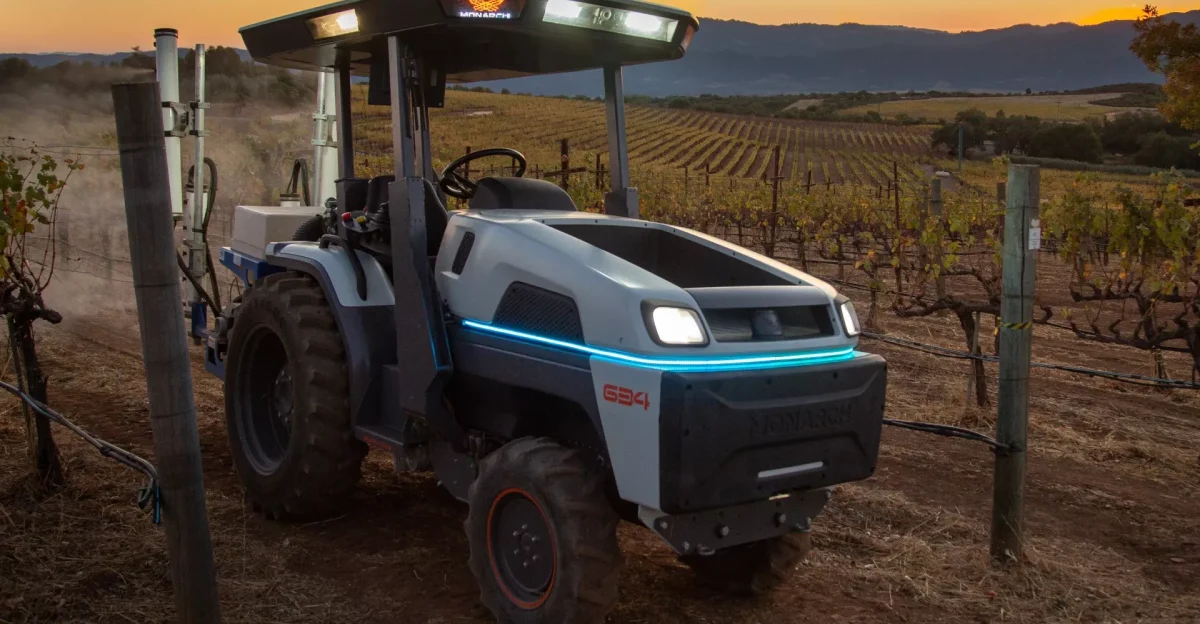
Monarch depended on three essentials: dealer trust, manufacturing capacity, and ongoing capital. Each failed in sequence. The September 2025 lawsuit damaged dealer relationships. In August 2025, Foxconn sold its Ohio factory to SoftBank, removing Monarch’s only manufacturing partner. The company attempted to pivot toward a software licensing model, but internal documents showed timing constraints made success unlikely. With no factory, shrinking trust, and limited funding runway, the business structure could not sustain operations. Each failure compounded the next, accelerating the shutdown.
A Pattern Investors Recognize
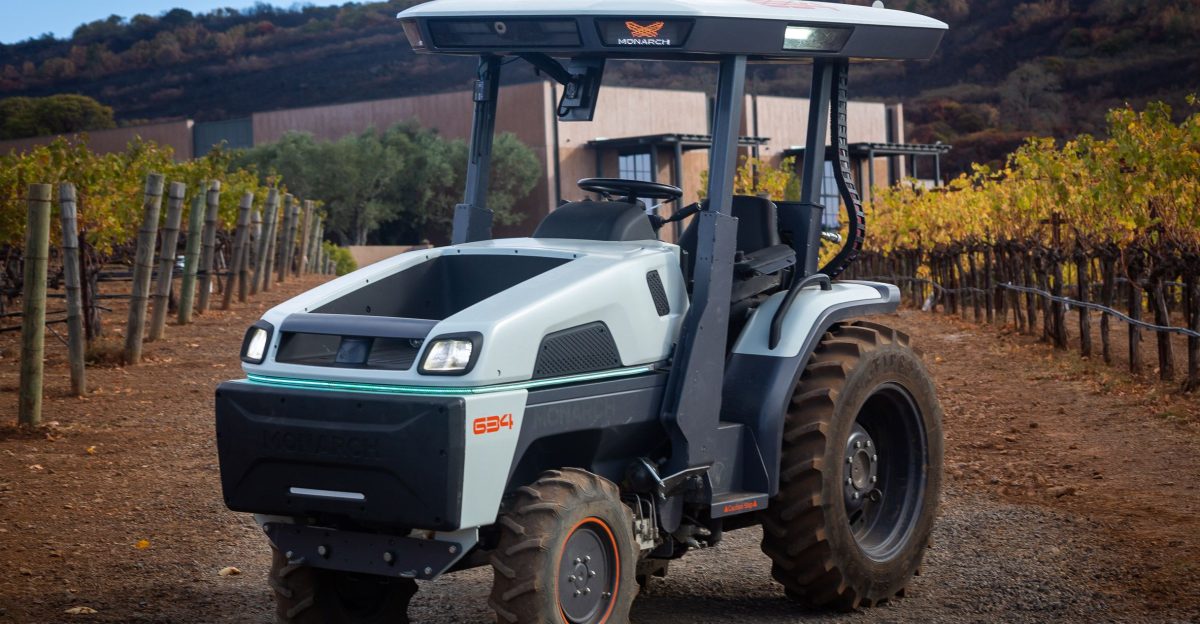
Monarch followed a familiar trajectory seen in venture backed technology companies. It promised breakthrough innovation, secured major funding, gained industry recognition, and then struggled when real world performance was tested. The company marketed fully autonomous tractors, but early customer experience revealed limitations. Co founder Mark Schwager exited in July 2025 as challenges intensified. That departure signaled deeper concerns within leadership. The situation highlighted a mismatch between Silicon Valley expectations and agricultural market realities, raising broader questions about how far that model can extend.
What Remains After The Shutdown
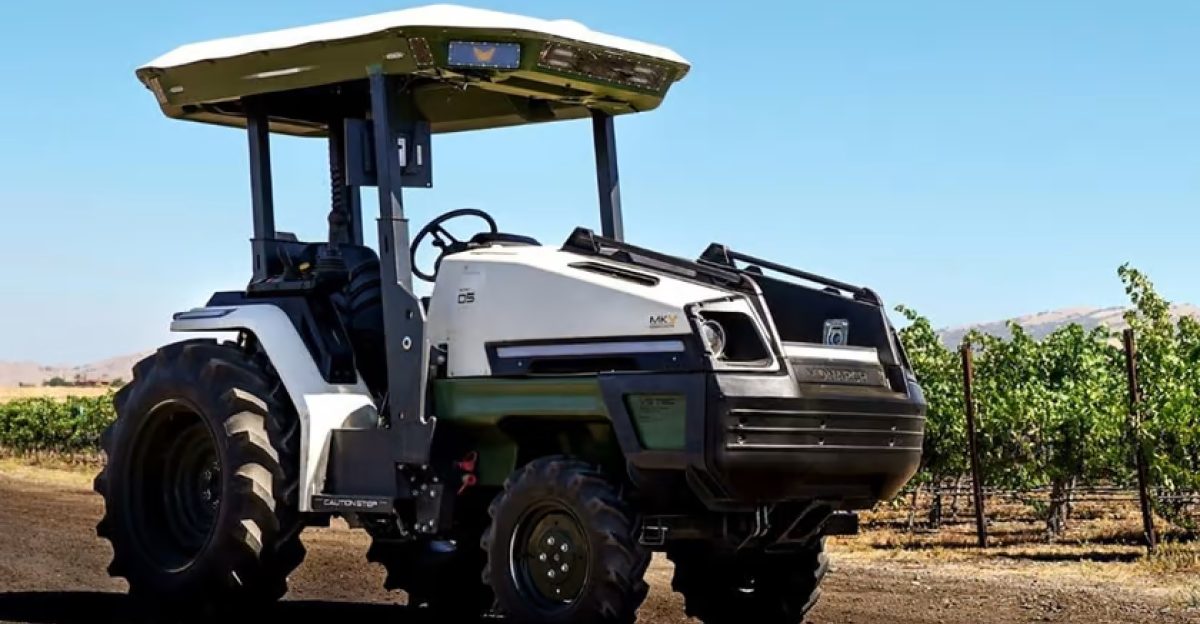
More than 110 unsold tractors now sit in liquidation, while existing customers face uncertain support and limited access to parts or warranty coverage. Burks Tractor continues managing financial obligations tied to equipment under legal dispute. CNH Industrial’s $62 million write down reflects wider investor losses. Market conditions had already weakened, with North American demand for large tractors dropping 31%. Government subsidies of up to $68,750 per unit failed to drive adoption. The lasting impact centers on one requirement future founders cannot ignore: farmers must see proven value before buying.
Sources:
“Failed AI Tractor Company Lays Off All Employees, Abandons Bay Area Headquarters.” SFGate, April 2, 2026
“Monarch Tractor Preps for Layoffs and Warns Employees It May ‘Shut Down.'” TechCrunch, November 18, 2025
“Monarch Tractor Sued Over Tractors That Were ‘Unable to Operate Autonomously.'” TechCrunch, November 18, 2025
“Monarch Tractor Faces Lawsuit Over ‘Non-Autonomous’ Tractors.” TechBuzz.ai, February 26, 2026
“CNH 2025 Results: Machinery Sales Down, Amid Tariffs & Ag Economy Woes.” AgTechNavigator, February 17, 2026
“SoftBank Buys Foxconn’s Ohio Plant to Advance Stargate AI Push.” Reuters, August 8, 2025
“Monarch Tractor Signals Deep Crisis.” Future Farming, November 24, 2025