230,000 Toyota Owners Face 3-Month Waits As $1B Engine Crisis Expands
A knock from under the hood. Then a dashboard lit up like Christmas morning. Then the engine quit entirely, mid-drive, no warning beyond a sound most owners dismissed as road noise.
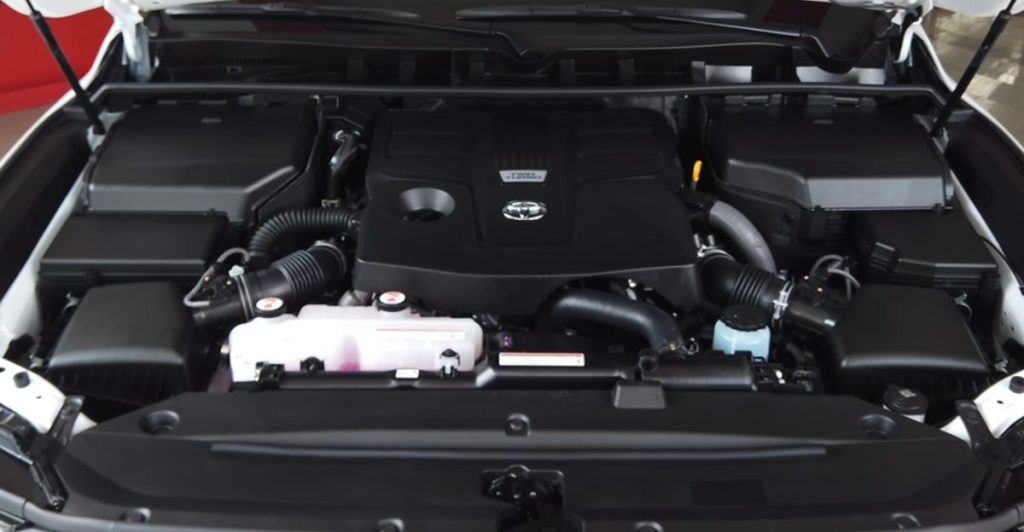
Across the country, Toyota Tundra and Lexus SUV owners started hearing the same thing from their V35A twin-turbo V6 engines: machining debris left during assembly, grinding into main bearings, chewing through the heart of trucks that cost $60,000 or more. Toyota’s legendary reliability had a manufacturing defect baked into more than two years of production.
The Old V8
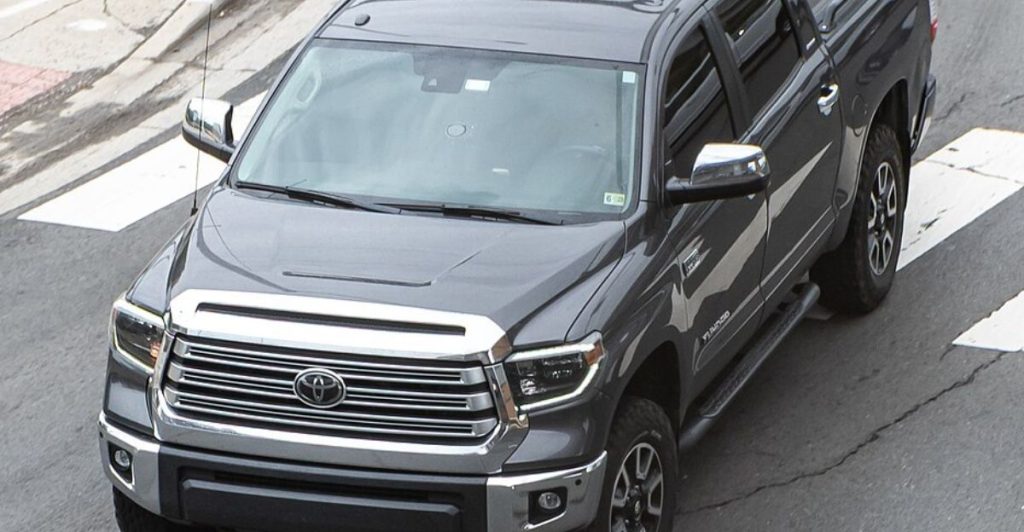
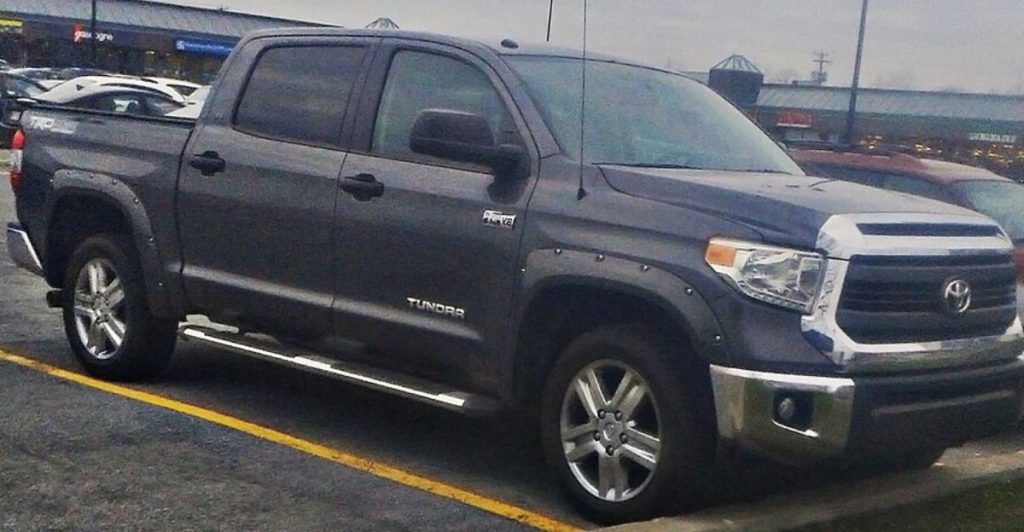
Toyota’s 5.7-liter V8 ran for over fifteen years with virtually no recalls for manufacturing defects; the engine was bulletproof. Owners trusted the Toyota badge because the company had earned it.
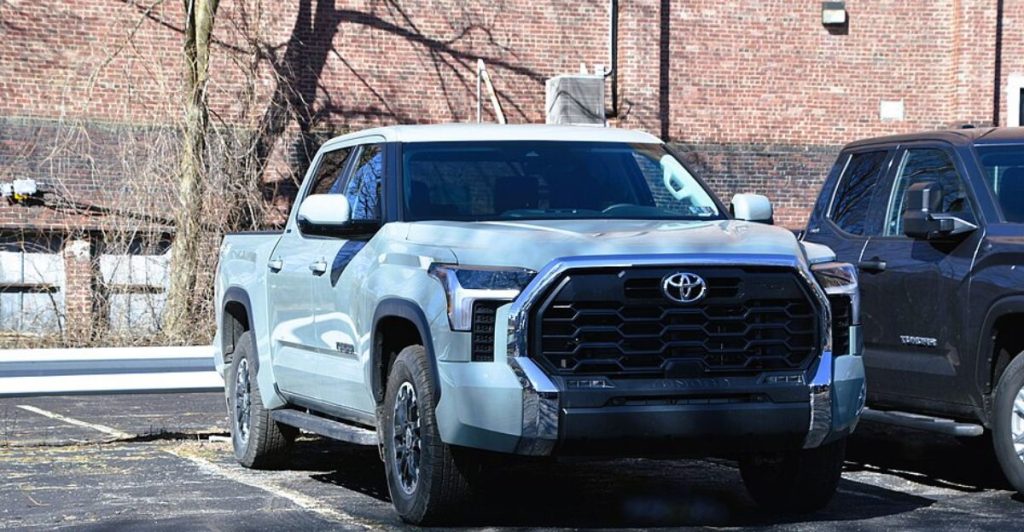
By the same logic, when Toyota swapped in a turbocharged V6 for the 2022 Tundra generation, buyers figured the engineering would hold. However, it didn’t. The initial recall covered 102,000 vehicles from the 2022 and 2023 model years. Debris from the factory floor had contaminated engines across a production window stretching from November 2021 through February 2023.
The Expansion
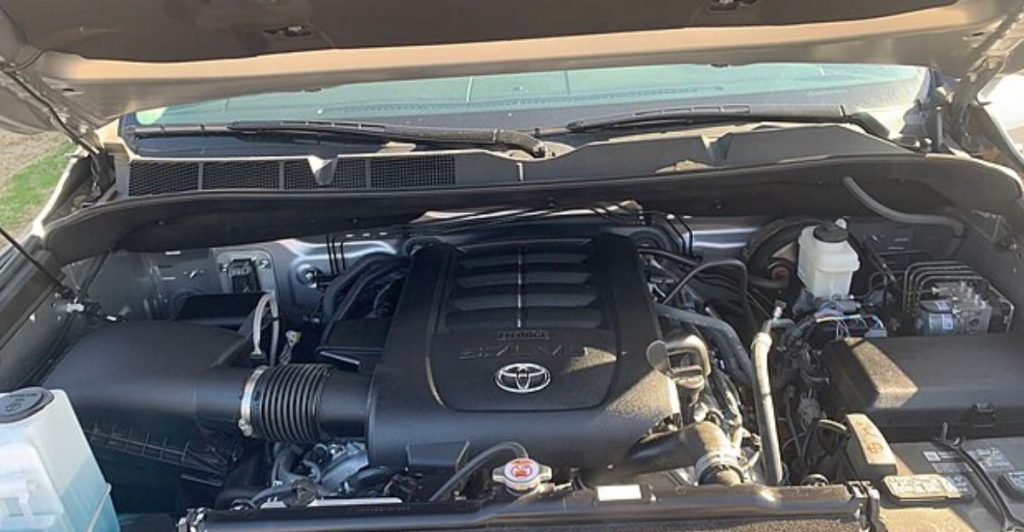
After the 102,000 vehicles were recalled, it should have ended there. Toyota offered free engine replacements, covered loaner vehicles, and helped right their wrongs. Then in November 2025, another 127,000 vehicles were added to the recall list, including the 2024 Tundra, and for the first time, the Lexus GX.
The total recall population doubled in roughly a year. As of the original May 2024 recall, 824 warranty claims had been filed with NHTSA. The initial remedy had not solved the underlying problem. Buried in the updated recall documents was a quiet admission: Toyota had used “improved main bearings” in some later engines. That phrase changes everything.
Design Questions
“Improved main bearings” means the original bearings were part of the problem. Not just debris. Not just a cleaning oversight. A design component. Toyota’s updated recall documents revealed that engines built after new manufacturing cutoff dates were produced with improved processes but remain “under investigation.”
The total was approximately 230,000 vehicles. Toyota estimated the original 102,000-vehicle recall would cost between $300 million and $500 million, according to Automotive News, with per-vehicle costs estimated at $3,000 to $5,000. With the expanded recall now covering approximately 230,000 vehicles, direct replacement costs alone could exceed $1 billion — before factoring in loaner vehicles, extended warranties, and potential litigation. Though Toyota has acknowledged it cannot estimate what percentage of recalled vehicles actually contain the defect.
Failed Fix
Picture getting your engine replaced under recall, driving home relieved, and hearing that knock again within weeks. Owners have reported that replacement engines have failed after only a few thousand miles, replicating the same defect the recall was supposed to eliminate.
The remedy carried a 12-month warranty, meaning owners who waited months for the original repair now faced a ticking clock on a replacement that might not last the coverage period. Toyota’s quality control extended to the announcement. It did not extend to the parts.
Hostage Situation
The V35A engine recall is not the only place where Toyota’s dealership network has failed owners. Aaron Duncan went to pick up his Toyota Sienna after nearly three months at the dealership for a seat rail recall. The general manager refused to release it. The dealership demanded $3,000 in rental fees when Duncan’s rental agreement explicitly stated the cost would be “paid by Toyota Motor Co.”
Federal law is clear: dealers are prohibited from charging customers for recall repairs. Duncan’s response: “The dealership is literally holding my van hostage.” One dealership. One written agreement. One federal law. All ignored. The system built to protect owners had become a lever against them.
Dealer Roulette
Duncan’s experience is an extreme example, but it isn’t isolated. Dealership behavior varied wildly across the country. Some provided loaner vehicles and handled recalls transparently. Others denied warranty coverage, forced customers onto social media to get Toyota’s attention, or refused repairs until engines suffered catastrophic failure.
Families lost their primary transportation for three to four months. In Canada, 13,164 vehicles faced the same defect, confirming this was a factory-wide contamination, not a regional fluke. The recall promised protection. Delivery depended entirely on which dealer answered the phone. One Tundra owner reported being told by a service manager that the engine replacement could take at least three months, while another said he had been without his truck for close to eight months between the engine recall and related repairs. With each replacement requiring 13 to 21 hours of technician labor, according to Automotive News, the backlog across dealerships has left owners waiting without firm timelines.
The Exclusion
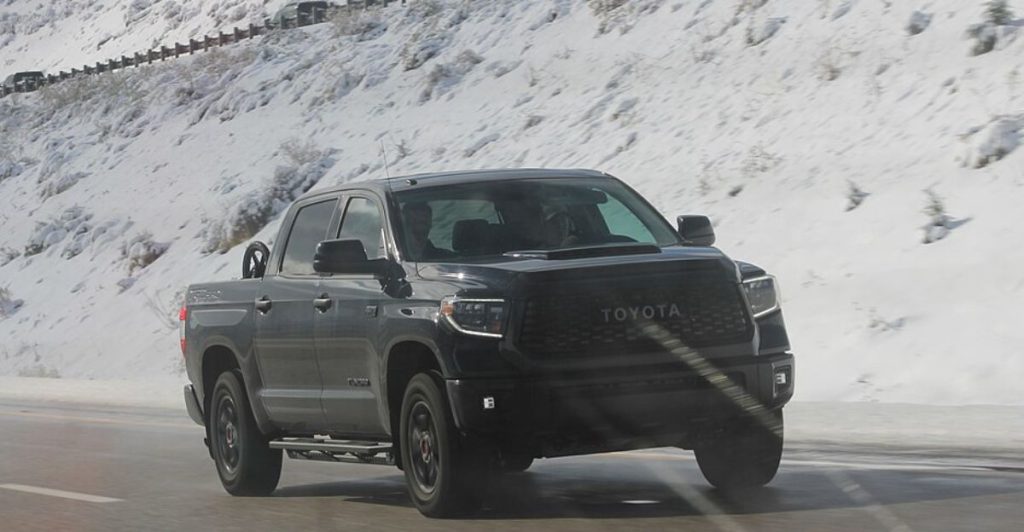
Hybrid V35A versions of the engine weren’t included in the recall, but whether hybrids experience the same failures is unclear. Toyota has not addressed this publicly. As of early 2026, Toyota has not issued any engine-related recall for hybrid V35A models. The only January 2026 recall affecting Tundra Hybrids (NHTSA 26V-038) involved a rearview camera software issue unrelated to the engine defect.
The possible reason is financial: recalling hybrids would trigger stop-sale orders on current inventory, freezing new-vehicle revenue during a model year Toyota cannot afford to lose. The same engine family, potentially the same defects, different treatment. That pattern makes the recall look less like consumer protection and more like liability management timed to preserve cash flow.
What Comes Next

Class action lawsuits are forming. State attorneys general may investigate unauthorized dealership charges. Toyota’s financial exposure could grow if litigation compounds the direct replacement costs. Competitors are already circling, marketing reliability comparisons against a brand that owned that word for decades.
Used Tundra and Lexus resale values face uncertainty across every affected model year. The 12-month warranty on replacement engines means thousands of owners are approaching expiration on parts that have already proven unreliable.
The Real Recall
Toyota will likely expand loaner programs, extend replacement warranties, and launch a customer service task force. Those are corporate reflexes. The deeper problem has no corporate fix: the dealership network operates as independent businesses with minimal accountability to the manufacturer or federal regulators.
No enforcement mechanism prevents the next Aaron Duncan from losing his vehicle for months over a bill someone else owes. The owners who understand that distinction, who document every interaction and escalate before the warranty clock expires, are the ones who survive this. Everyone else is waiting on a system that already failed them once.
Sources:
NHTSA — Part 573 Safety Recall Report 24V-381 (Initial Recall Filing) — May 30, 2024
NHTSA — Part 573 Safety Recall Report 25V-767 (Expanded Recall Filing) — November 6, 2025
Car and Driver — “Toyota Replacing 102K Tundra and Lexus LX Engines after Recall” — July 25, 2024
Torque News — “Toyota Has A $500M Monumental Task Replacing Nearly 100,000 Tundra Engines” — November 10, 2024
Auto123 — “Toyota Recalls 13,000 Vehicles in Canada over Engine Issue” — November 10, 2025
Torque News — “A 2025 Toyota Sienna Owner Says a Dealership Is Refusing to Release His Vehicle Unless He Pays $3,000” — January 30, 2026