200-Truck Wisconsin Carrier Files Bankruptcy as 4-Year “Great Freight Recession” Bites
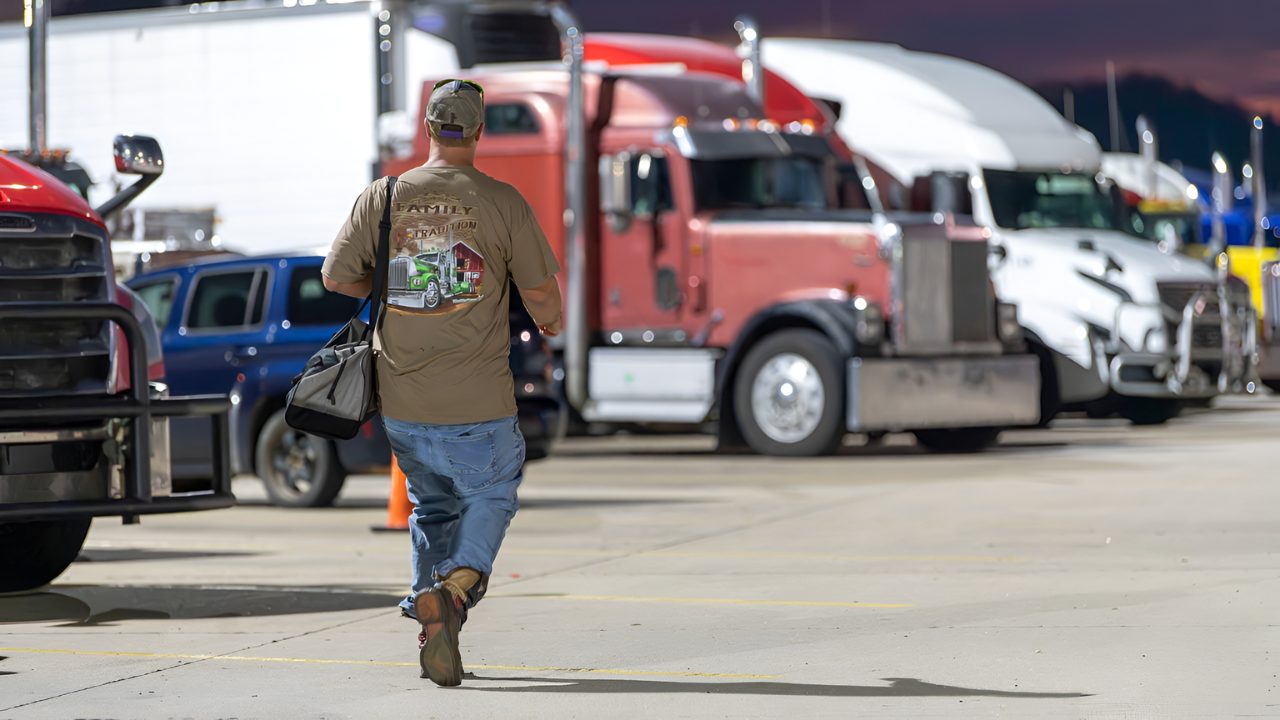
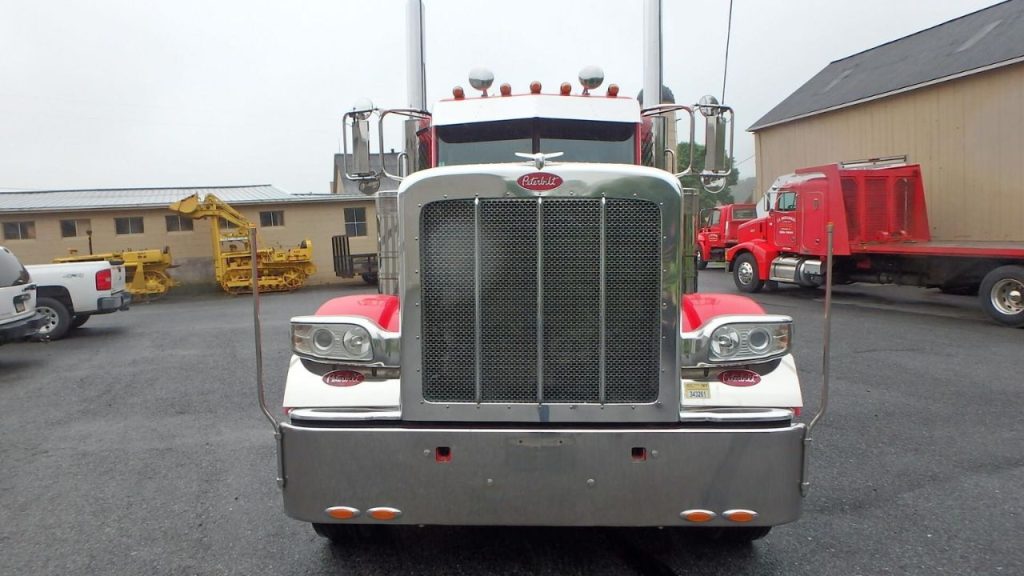
A nearly 200-truck fleet rolling out of Wisconsin Rapids for nearly five decades. Peterbilts hauling refrigerated, flatbed, and specialty freight across the country. A family operation, 142-person workforce, built on a banking relationship stretching back to 1979. By March 2026, that fleet sat atop less than $50,000 in total assets. The company that once generated $49.6 million in annual revenue had been hollowed out from the inside. The bank that financed those trucks played a role nobody expected.
Slow bleed
Revenue peaked at $49.6 million in 2022. By 2025, it had fallen to $35 million, a 29.6% collapse across three years. Long-haul truckload demand plummeted 25% year-over-year in the first half of 2025. Equipment costs had inflated more than 50% since 2019. Insurance premiums climbed for a fifth consecutive year, reaching record highs. Spot trucking rates sat well below inflation-adjusted levels. A $136 million lawsuit arising from a 2021 collision in which a Sparhawk truck struck a train hauling hazardous materials in Louisiana added further pressure; the company’s insurer paid out its full $10 million policy limit in settlement. Every line item on the balance sheet moved in the wrong direction simultaneously, and Sparhawk absorbed all of it.
The forbearance trap
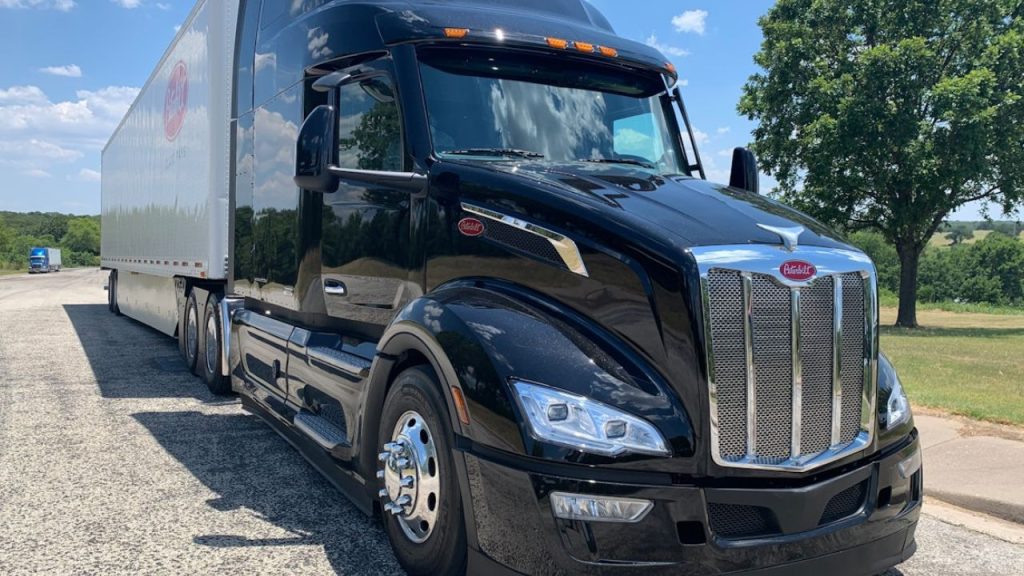
Most people assume a 47-year-old company collapses because the owner made bad decisions. Sparhawk’s story destroys that assumption. Starting in May 2025, WoodTrust Bank entered forbearance agreements with owner Mark Sparhawk. Then the bank swept the company’s accounts three times before payroll could clear, leaving insufficient funds for employees. That pattern repeated through December. Forbearance was pitched as assistance. It operated as a financial tourniquet, cutting off oxygen while the patient was told to keep breathing. The bank held $10.1 million in debt on 23 Peterbilt trucks.
Coerced into surrender
In November 2025, a WoodTrust loan officer and two Silverman Group employees convinced Sparhawk to sign a forbearance agreement that included an assignment for benefit of creditors and a waiver of his right to contest receivership. “The bank required me to sign the assignment and waive my right to contest the receivership, or the bank would not let payroll clear,” Sparhawk stated in his bankruptcy filing. Sign or your people don’t get paid. He signed. Without a lawyer. A receiver took control December 9. Three words from the owner’s own mouth tell the whole story: “I trusted what they told me.”
How the machine works
The mechanism is worth understanding because it will repeat. Bank conditions payroll clearance on legal surrender. Owner, desperate to keep 142 people employed, signs. Bank sweeps accounts, creating the very payroll shortfalls that justify receivership. Receiver takes control. Consultant charges fees on the declining asset base. Silverman Group billed $697,000. WoodTrust held first lien on the fleet. Both entities extracted value from a company they helped push toward insolvency. That is not a partnership. That is a debt-trap structure wearing a business suit.
Trapped in an underwater fleet
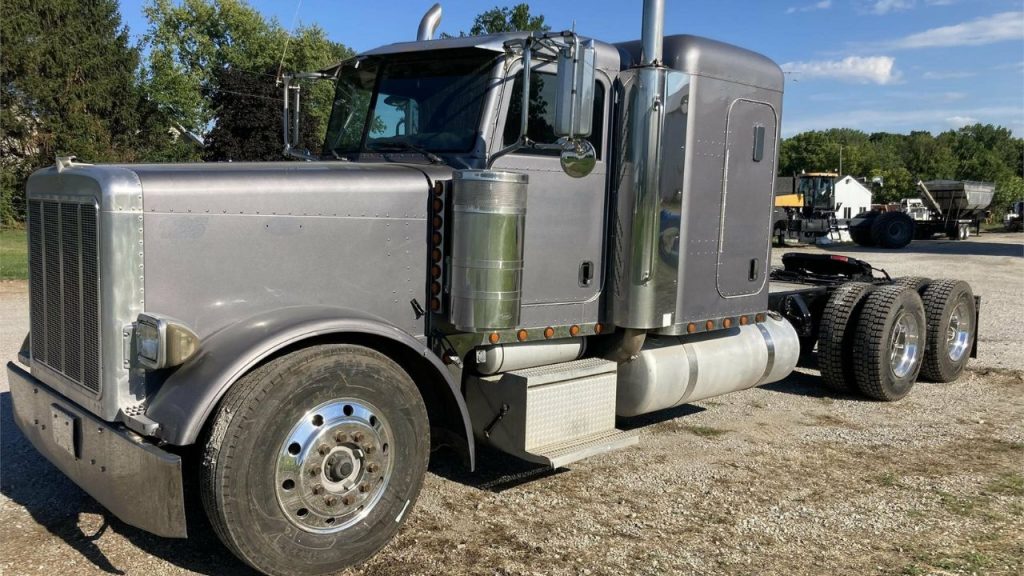
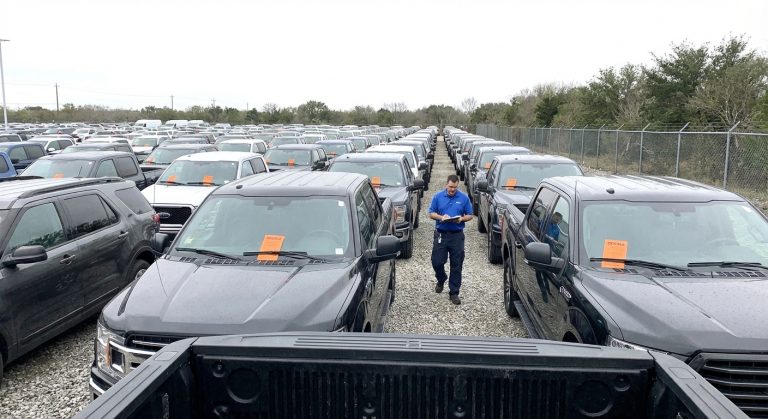
Those 23 Peterbilt trucks financed through WoodTrust were purchased in 2021 or 2022, at peak market prices. New Peterbilt 579s ran roughly $180,000 to $200,000 per unit. In today’s depressed used-truck market, those same units — now carrying several hundred thousand fleet miles — are estimated at $50,000 to $75,000 each — a total fleet value of roughly $1.2 million to $1.7 million against the $10.1 million still owed to WoodTrust. That puts Sparhawk more than $8 million underwater on the fleet loan alone. The company couldn’t sell the trucks without catastrophic loss. Couldn’t refinance. Couldn’t operate profitably. Negative equity locked the door from every direction, and the bank held the only key.
An industry graveyard
Sparhawk is not an outlier. An estimated 5,000 to 8,000 trucking companies exited the market in 2025, the most significant capacity shakeout since 1980 deregulation. Elite Carriers filed in May. Dolche Truckload in June. Xtreme Quality in August. L.S. Trucking, GEC Transport, Montgomery, VP Direct followed through autumn. Industry tracking data showed a sharp drop in trucking bankruptcy filings in December 2025, followed by a significant surge in January 2026 — among the highest single-month totals ever recorded. The recovery everyone hoped for never arrived.
A new rule for mid-sized trucking
The myth that late-2025 spot rate increases signaled recovery died in January. Rates were climbing, and carriers were still filing at record pace. That contradiction reveals the deeper truth: mid-sized trucking, the 50-to-500-truck operators that once formed America’s freight backbone, has become mathematically unviable. Rates compressed well below inflation. Costs inflated 5.8% to more than 50% depending on the line item. No efficiency improvement closes that gap. Once you see the math, every mid-market bankruptcy stops looking like a failure and starts looking like an inevitability.
Dominoes starting to fall
Sparhawk’s 48 owner-operators now face zero income during the bankruptcy hold, with personal equipment collateral at risk. The company’s shippers must find alternative capacity in a market that just lost thousands of carriers. If the January bankruptcy rate continues, capacity will tighten faster than demand absorbs it. Freight costs for shippers rise. Consumer prices follow. The companies most likely to fall next carry the same profile: high debt from 2021-2022 truck purchases, concentrated customer bases, minimal cash reserves. The pattern is already written.
Who survives this cycle
On March 13, Silverman Group told Sparhawk that unless $400,000 materialized by that day, the bank would likely shut the business down. Sparhawk filed Chapter 11 instead, invoking an automatic stay that froze the receiver, the bank, and the consultant in place. That filing was not surrender. It was the first independent decision the owner had made in months. Large carriers like XPO, Schneider, and J.B. Hunt will buy distressed fleets at auction for pennies on the dollar. The freight still moves. The people who built mid-sized trucking just won’t be the ones moving it.
Sources:
“Wisconsin-based carrier files for chapter 11 protection.” FreightWaves, 16 Mar 2026.
“47-year-old troubled trucking company files Chapter 11 bankruptcy.” TheStreet, 19 Mar 2026.
“178-Truck Wisconsin Carrier Seeks Chapter 11 As $136M Crash Claim Looms, Freight Jobs at Risk.” BamaCooley, 18 Mar 2026.
“Carrier Bankruptcies 2025: Freight Capacity Crisis Explained.” Luna Logistics, 18 Nov 2025.