$2.6B ‘Committed to Georgia’ Battery Plant Guts 958 Workers After Ford Discontinues F-150 Lightning Plant Was Built For
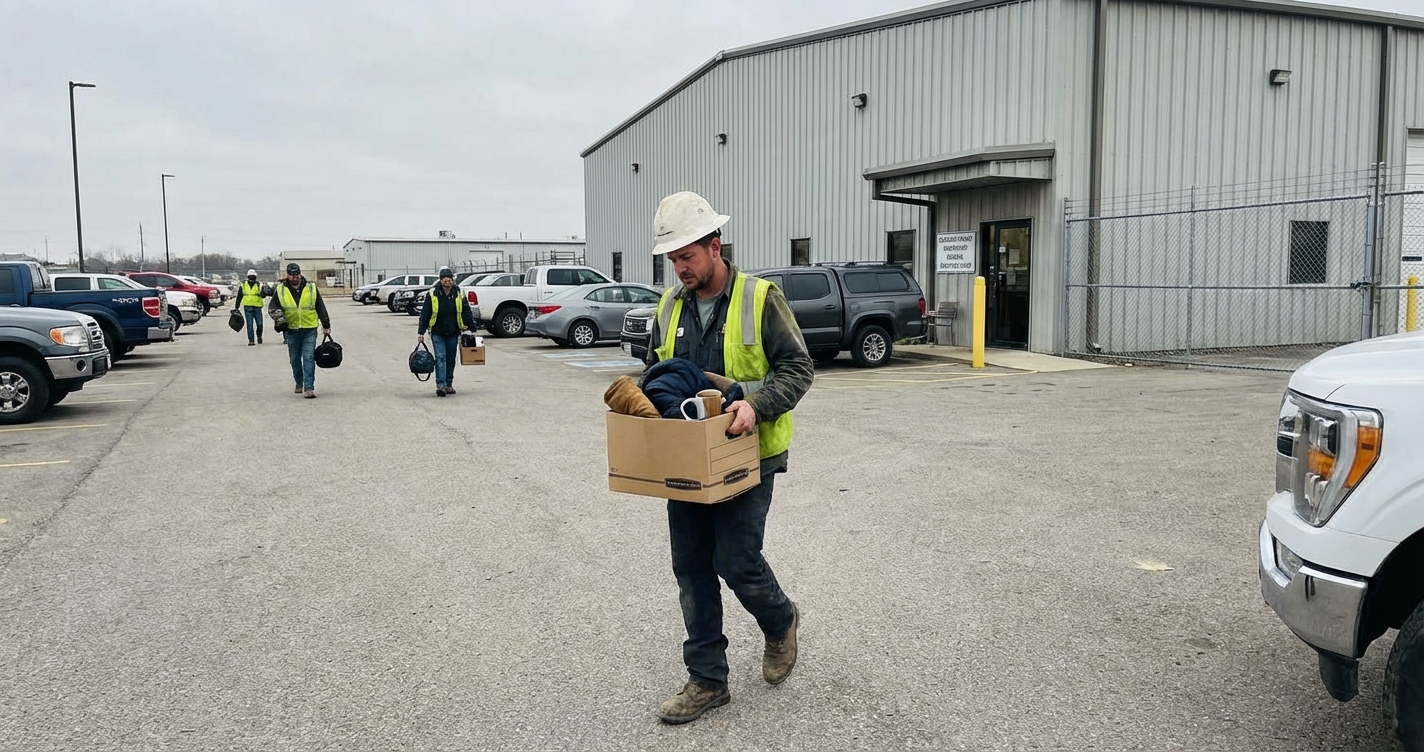
The WARN notice arrived on a Friday. At SK Battery America’s massive plant in Commerce, Georgia, 958 workers found out their jobs were ending. There was no gradual phase-out, no retraining period to ease the blow. All they got was an HR filing from chief Chuck Moore and a final pay date: May 6, 2026. After that, silence.
This $2.6 billion facility, once celebrated by the governor’s office as a beacon for American manufacturing’s electric future, wiped out 37% of its workforce in one day.
A Factory Built on Hopes
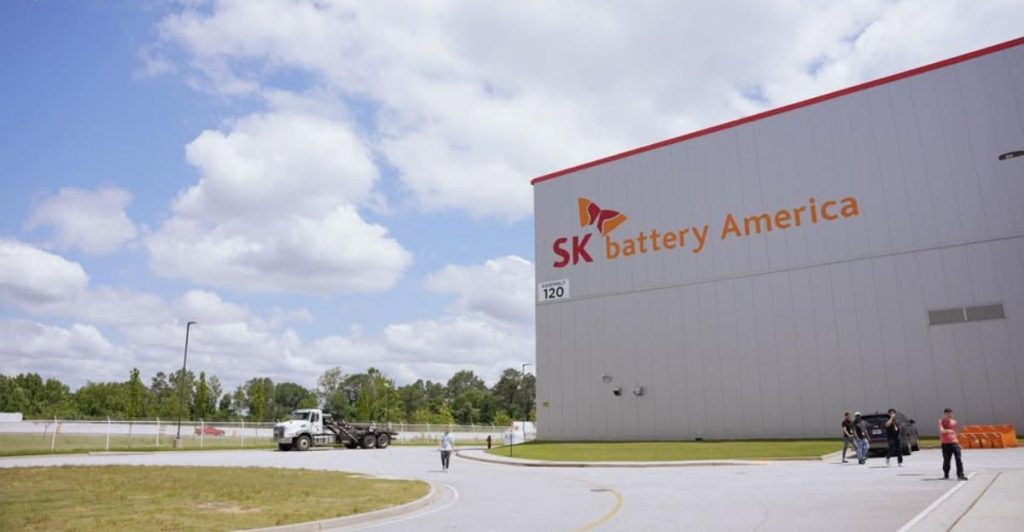
This was not a small, experimental plant. SK Battery America invested $2.6 billion into Jackson County beginning in 2019, put about 2,600 people to work, and set up shop to make batteries for hundreds of thousands of electric vehicles every year.
The Georgia Governor’s Office marked every step with fanfare. Ford and its F-150 Lightning electric pickup took a big share of the batteries. The whole operation hinged on one hope: that Americans would want electric trucks.
Warning Signs Emerge
People thought a $2.6 billion factory with government backing would be here to stay. That belief unraveled slowly. Congress pulled the plug on the $7,500 new EV and $4,000 used EV tax credits after September 30, 2025, with the deciding vote cast by VP JD Vance.
Suddenly, EV sales growth slowed sharply. Industry analysts said 2025 was likely the first year the U.S. market failed to grow much, if at all, after years of steady climbs. The factory kept running, but the foundation was already starting to crack.
Losing the Plant’s Biggest Customer
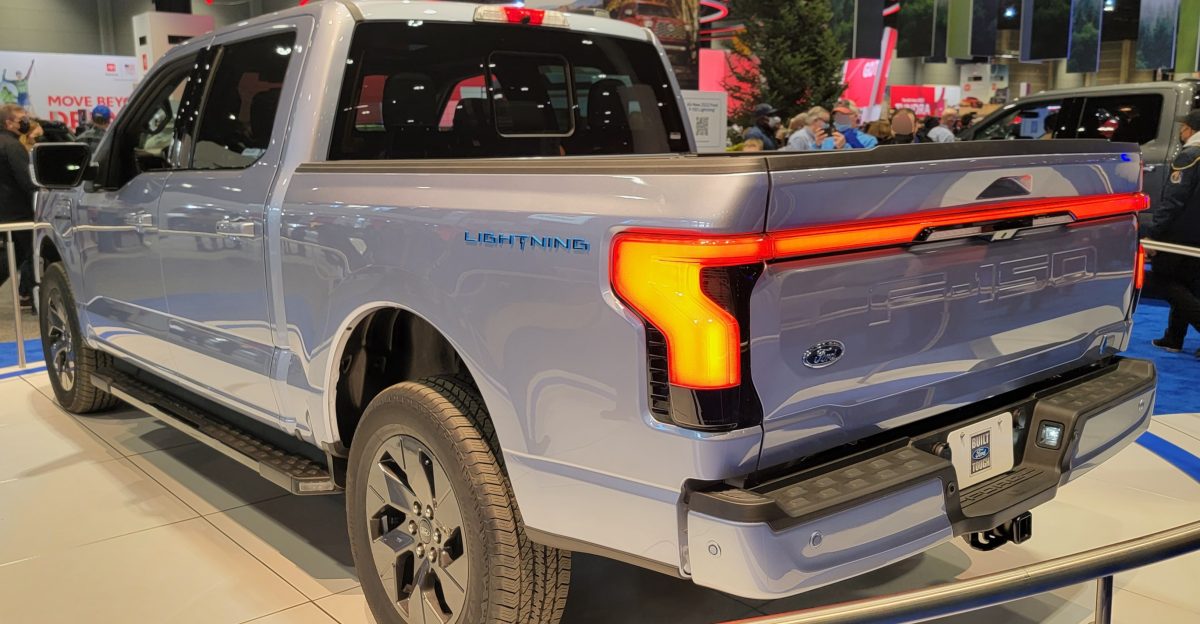
Then Ford made its move. In December 2025, it scrapped the all-electric F-150 Lightning and ended its joint venture with SK. The truck that was supposed to be the plant’s main customer simply disappeared in its original electric form. Ford’s next F-150 would use a gas range extender instead, meaning it didn’t need all those batteries from SK anymore.
The $2.6 billion factory lost its biggest customer and its flagship product in one blow. 958 workers then lost their jobs as SK responded to a weaker EV outlook and Ford’s exit from the Lightning program. The rug was pulled out from under them
The Cost of Shifting Strategies

Ford CEO Jim Farley called it “redeploying capital into higher-return growth opportunities.” The cost: $19.5 billion in charges for shifting away from EVs, retooling factories, and making changes at battery plants. This was one of the largest losses tied to the electric vehicle transition.
Farley warned that U.S. EV sales could get cut in half after the tax credits disappeared, dropping market share from about 10–12% to just 5%. Ford built the future, but buyers did not come. Ford is left holding the bill.
Layoffs and Overcapacity
SK’s Commerce plant still employs about 1,600 people and supplies batteries to Volkswagen and Hyundai, as well as Ford’s older models.
Before the layoffs, there were 2,566 workers. Now, 37% are gone. The plant was built for big EV demand, but with the market stalling, there’s suddenly too much capacity. It is like taking out a third of an engine’s cylinders. The factory still runs, but it is not running like it was meant to. If new orders do not roll in, more cuts could be on the way.
Georgia’s EV Investment at Risk
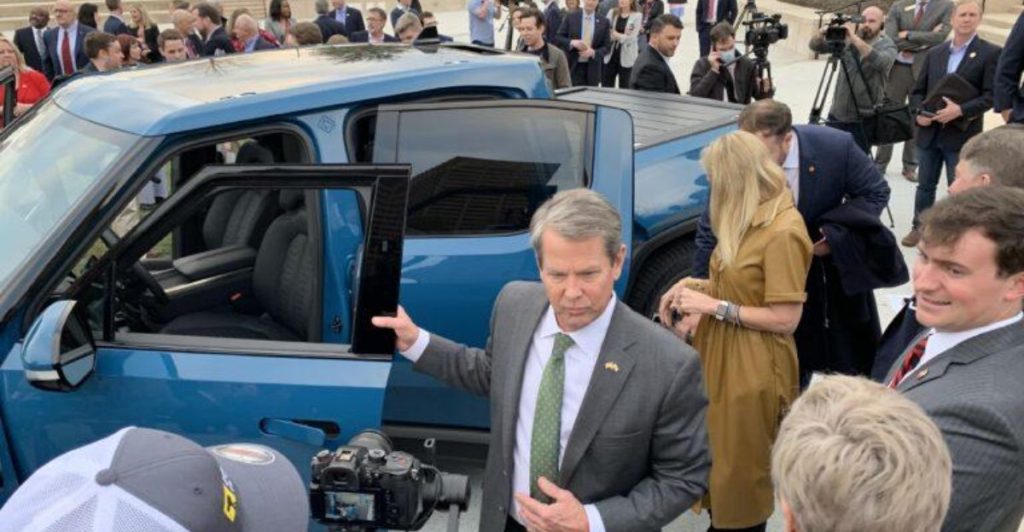
This problem does not stop at one factory. Since 2020, Georgia has drawn in over $21 billion in EV-related investment and created more than 26,700 jobs, according to state and industry figures. There is a $5 billion Rivian plant and a $7.6 billion Hyundai facility.
SK and Hyundai are building another $5 billion battery plant near Cartersville. All of these projects rested on three big bets: federal incentives, automaker follow-through, and strong consumer demand. The Commerce layoffs are the first major domino to fall. Overnight, Jackson County lost hundreds of taxpayers.
A Precedent Is Set
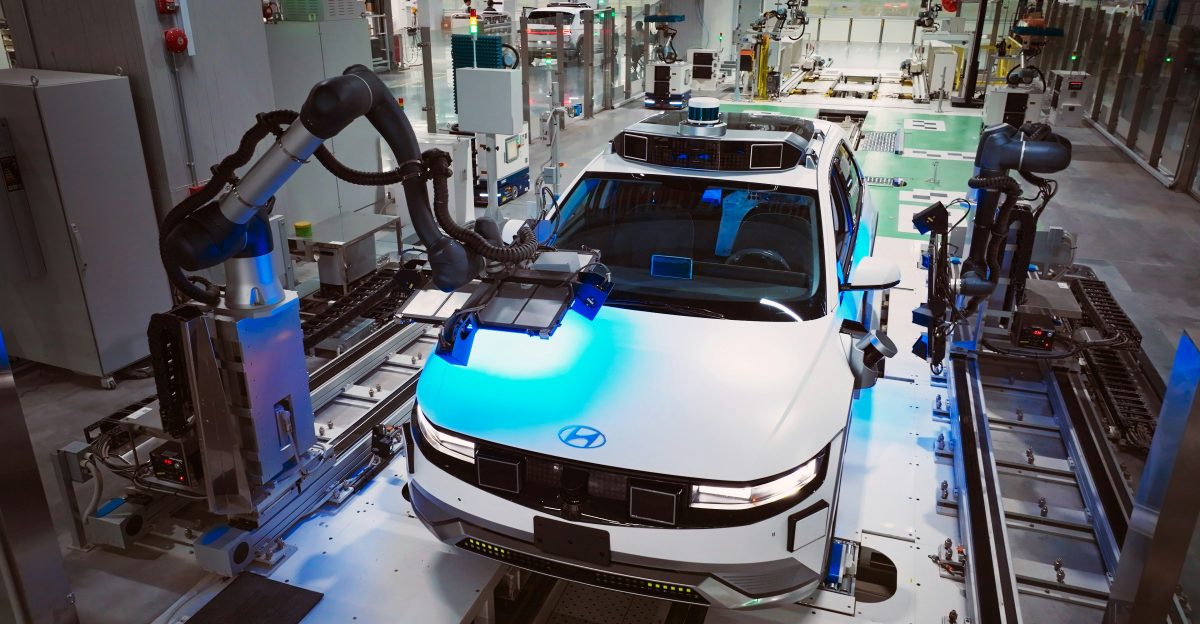
For years, the thinking was straightforward: build a factory, back it with government support, and the jobs would last. Commerce, Georgia, proved that belief wrong in four years. This set a new example.
These layoffs are among the first major cuts in Georgia’s $21 billion EV industry, a sign that factories built amid shifting policies and changing automaker plans can face sudden pressure when demand or key customers fall away. After this, any EV factory looks different.
Searching for New Markets
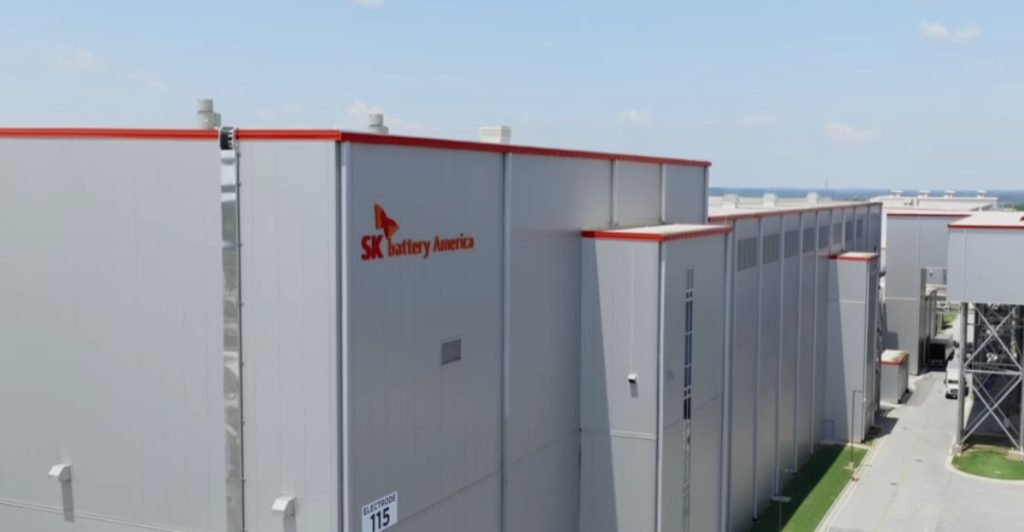
SK says it “remains committed to Georgia and to building a robust US supply chain for advanced battery manufacturing.” Now, this means searching for new customers, like data centers and grid operators, to use up the batteries that were supposed to go into electric trucks. Some of those batteries might end up stored in warehouses.
The new Cartersville plant with Hyundai is still being built, but it faces the same tough market and policy challenges. If Volkswagen or Hyundai cut back their orders, the last 1,600 jobs in Commerce could be at risk.
Factories Facing Uncertain Futures
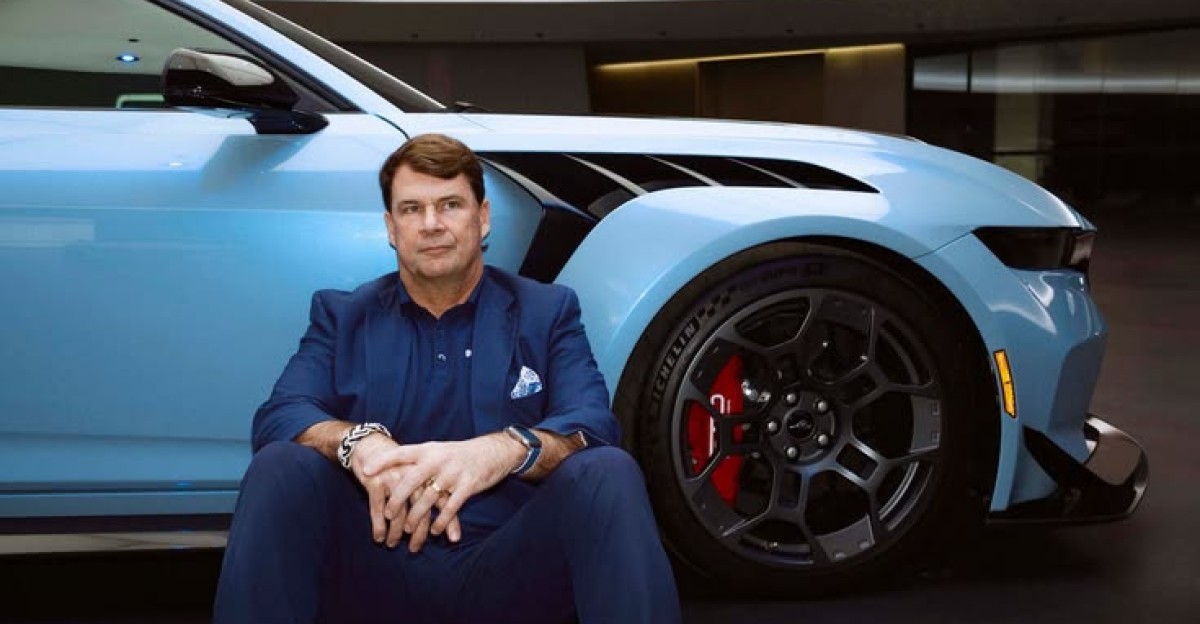
Ford’s CEO, Jim Farley, predicted EV sales might drop by half after the tax credits ended. He saw what was coming and still took the leap, logging $19.5 billion in losses. Washington ended the subsidies. Detroit ended the truck. The expected flood of buyers never materialized. The first to feel the pain: 958 workers in Georgia.
The factories themselves are still standing, but the specific future they were built around now looks much less certain. Whoever figures out what these buildings should make next will have the answer everyone in Georgia is searching for.
Sources:
CBS News Atlanta – “EV battery maker SK lays off nearly 1,000 workers at Georgia plant” – March 6, 2026Bloomberg – “South Korean EV Battery Maker SK Lays Off 958 Workers in Georgia” – March 6, 2026
CNBC – “Trump megabill axes $7500 EV tax credit after September” – July 1, 2025
WardsAuto – “Ford abandons F-150 Lightning, looks to gasoline range extender …” – December 16, 2025
NPR – “Ford pulls the plug on the all-electric F-150 Lightning pickup truck” – December 15, 2025