$195 Million Battery Crisis Forces Volvo To Ground 40,000 Electric SUVs
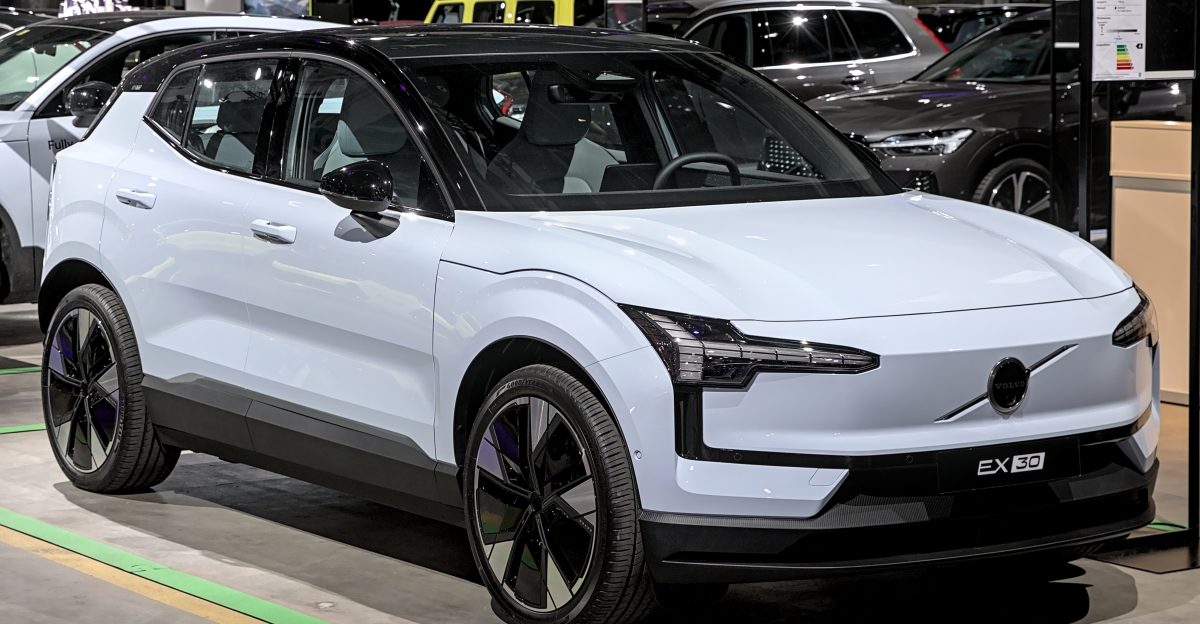
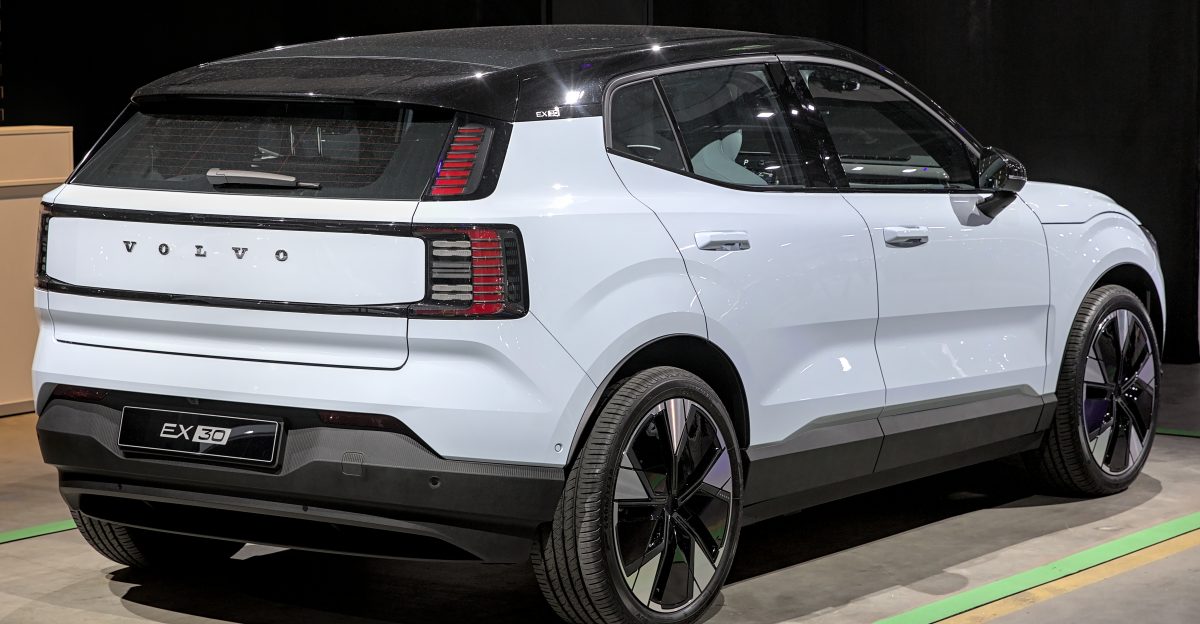
Forty thousand Volvo owners received identical instructions: limit charging to 70 percent and park outside, away from garages and homes. The EX30, Volvo’s best-selling electric model, contained a battery defect with the potential for thermal runaway.
That kind of battery failure brings fire trucks, not tow trucks. At a Brazilian dealership, an EX30 caught fire in the service bay, drawing 11 firefighters and four engines. Volvo’s legacy centers on protecting people inside its cars. Now, entire buildings are evacuated because of one model.
Bought the Badge
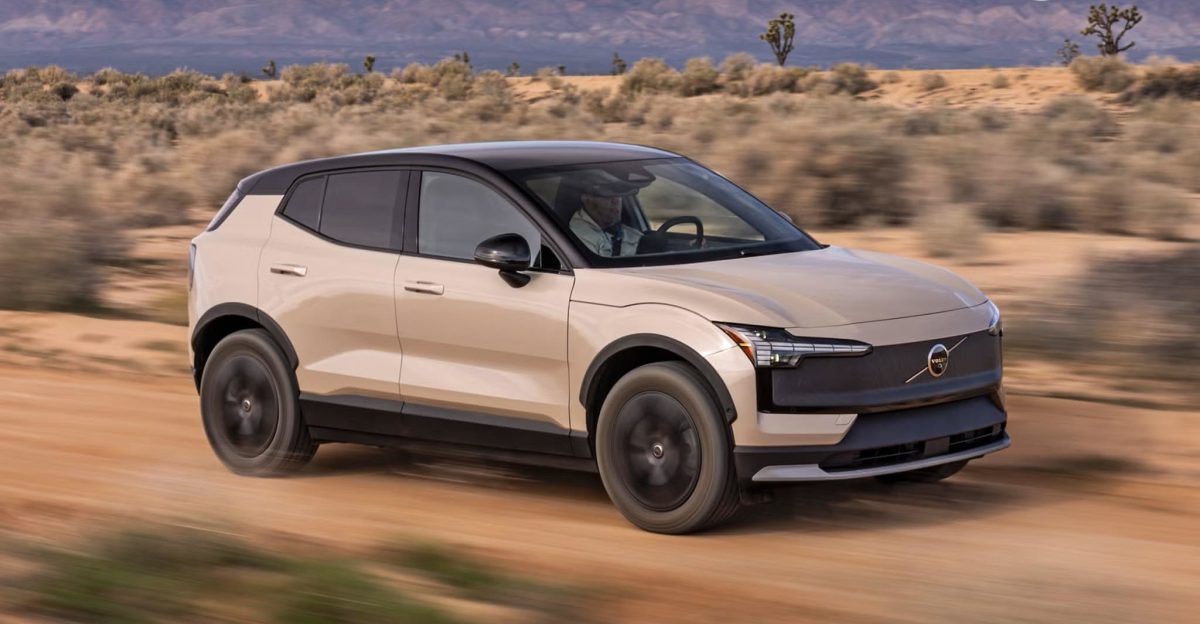
The EX30 sold 98,065 units in 2024. Buyers spent more than $35,000 for what Volvo advertised as affordable Swedish safety engineering. British insurance agent Matthew Owen summed up the purchase logic: he chose the EX30 for its range and Volvo’s safety reputation.
That reputation dates back to Nils Bohlin’s three-point seatbelt, a patent Volvo gave away to save lives rather than collect licensing fees. In 2026, Owen and 40,322 other owners now measure what that safety reputation means.
Cracks Beneath
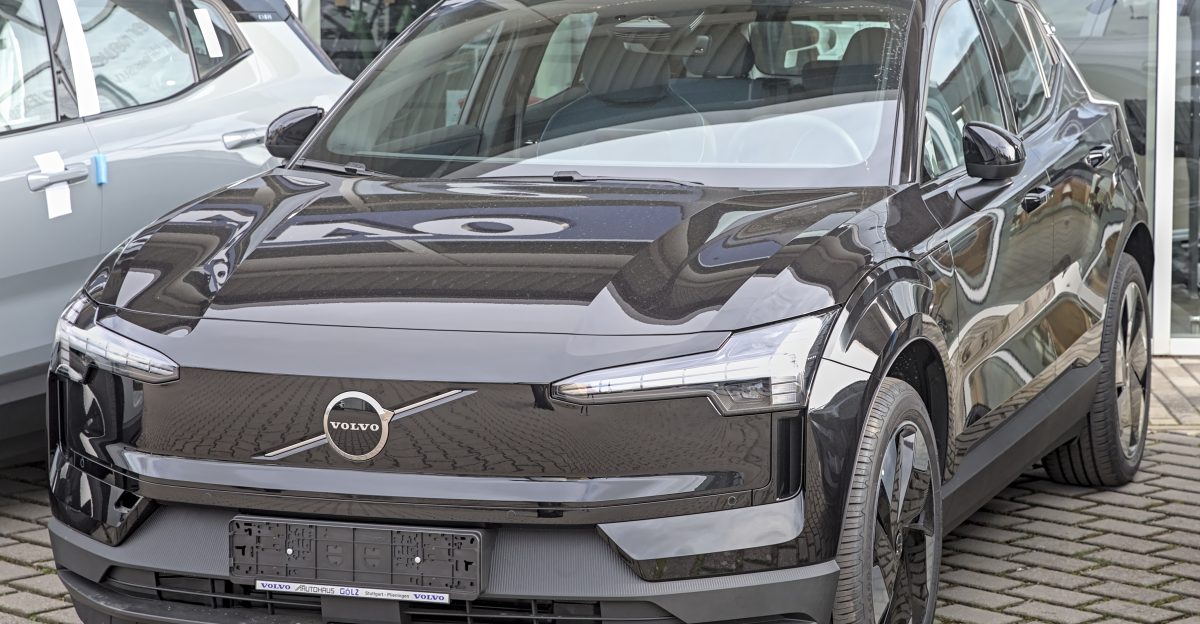
Volvo’s financial reports showed steep losses. Profits dropped 51 percent in Q4 2025. A $1.9 billion cost-cutting program followed, along with 3,000 layoffs announced months before the recall. Shares fell 25 percent year-to-date. Facing financial strain, Volvo sourced battery packs from Viridi E-Mobility, a Geely subsidiary. Viridi used cells supplied by Shandong Geely Sunwoda Power Battery Co. That company is a joint venture between Geely, the parent company, and Shenzhen-based Sunwoda Electronic Co.
Separately, Geely’s battery subsidiary, Viridi E-Mobility, filed a $323 million lawsuit against Sunwoda in December 2025 over defective cells in a separate vehicle program. Sunwoda and Viridi settled the case in February 2026. Volvo put the core of its flagship EV in the hands of a supply chain whose cell partner, Sunwoda, had faced separate battery-quality litigation.
The Betrayal
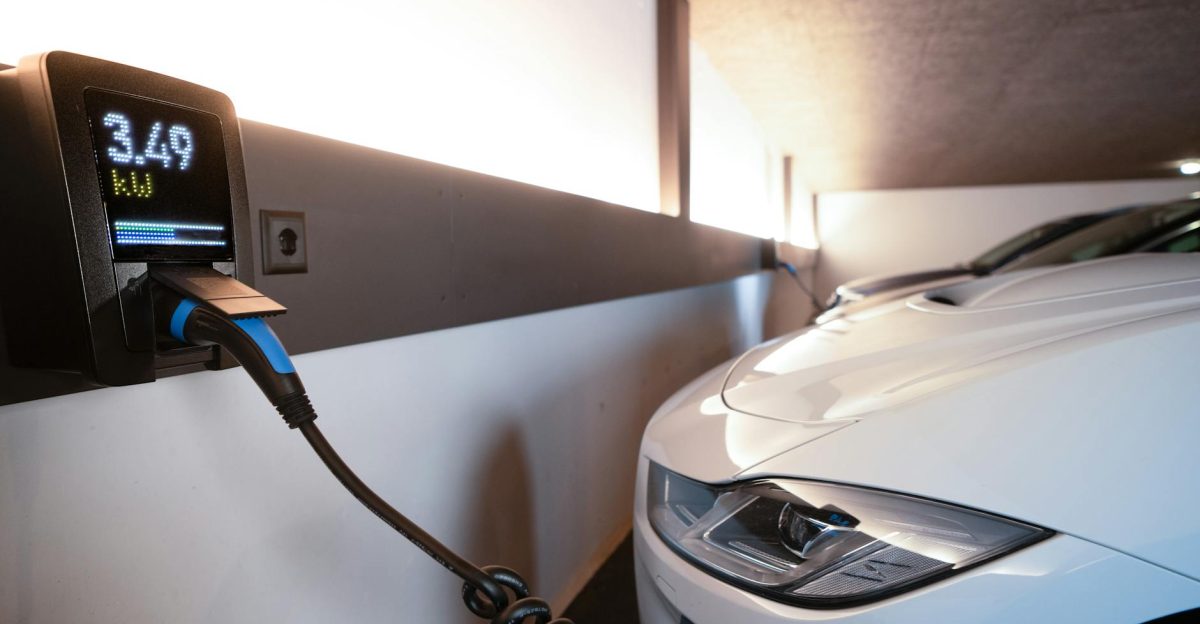
Lithium plating built up inside the cells. Internal short circuits followed, leading to thermal runaway and a fire. Volvo became aware of the risk of overheating in July 2025. Five months went by. A dealership in Brazil burned. On December 26, Volvo made the decision to recall.
Owner notification letters appeared on February 23, two months later. Matthew Owen called on Volvo to take responsibility for producing a dangerous car. The company that invented the seatbelt to save strangers gave its own customers a warning to park outside and wait.
The Hidden Wiring
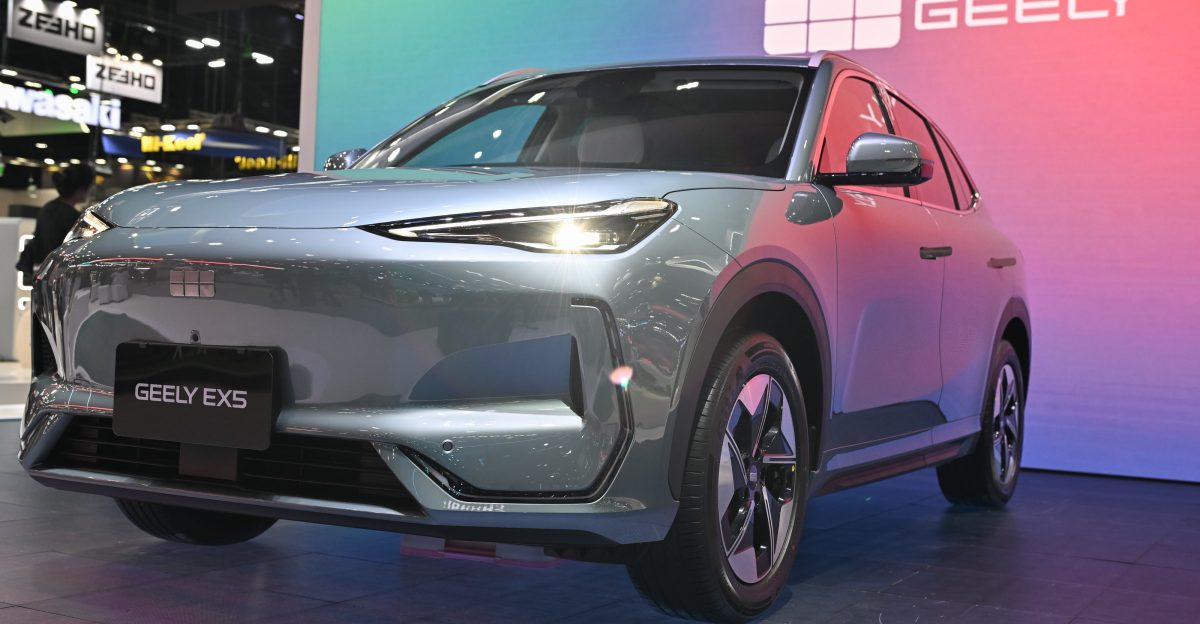
Geely owns Volvo and maintains overlapping relationships with battery suppliers across multiple subsidiaries, adding complexity to accountability and leaving the repair timeline uncertain. Reuters estimated $195 million for battery modules alone, excluding labor and logistics.
Volvo called that number speculative. Replacing each battery pack takes about nine hours, and there are already too few trained technicians. Andy Palmer, the former Nissan Chief Operating Officer who led the development of the Leaf, said a safety issue strikes at the heart of the Volvo brand. That promise is now in question.
Numbers That Sting
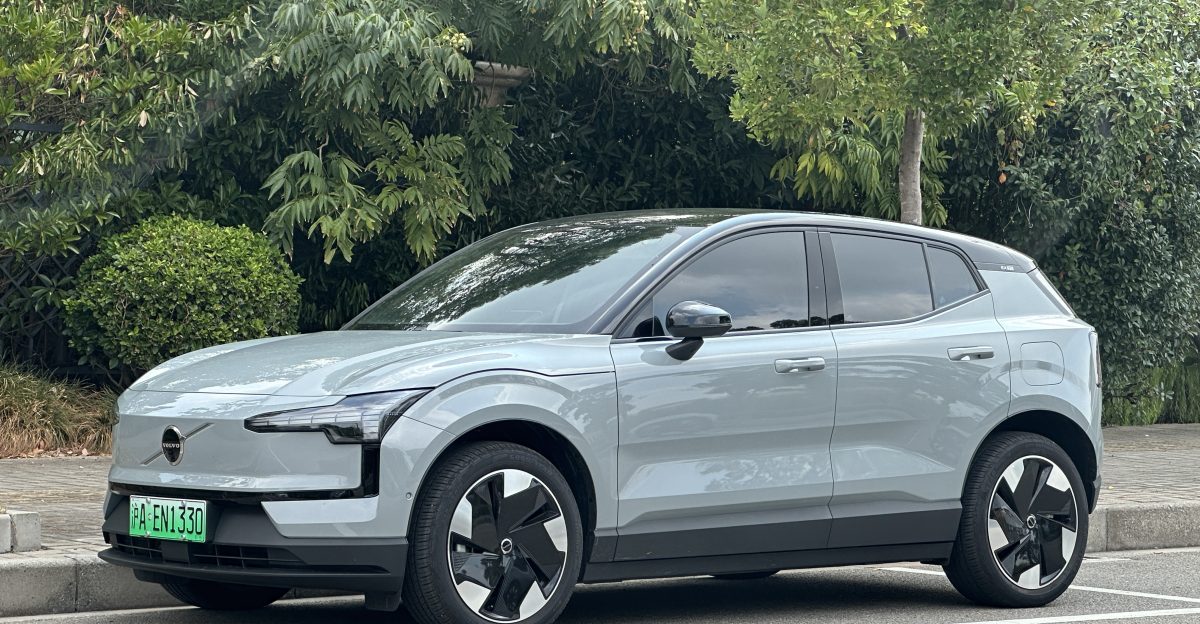
Of the 173,234 EX30s sold in 2024 and 2025, about 23 percent have been recalled. The 70 percent charging cap reduces effective range from 261 miles to around 183 miles, a 30 percent daily cut that owners cannot ignore. New Zealand owner Tony Lu said he would be absolutely delighted if Volvo bought his car back. Only 189 of the 40,323 recalled vehicles are in the United States.
The reputational fallout struck all 121,607 Volvos sold there. A single defect changed the value of the entire brand.
Ripple Damage
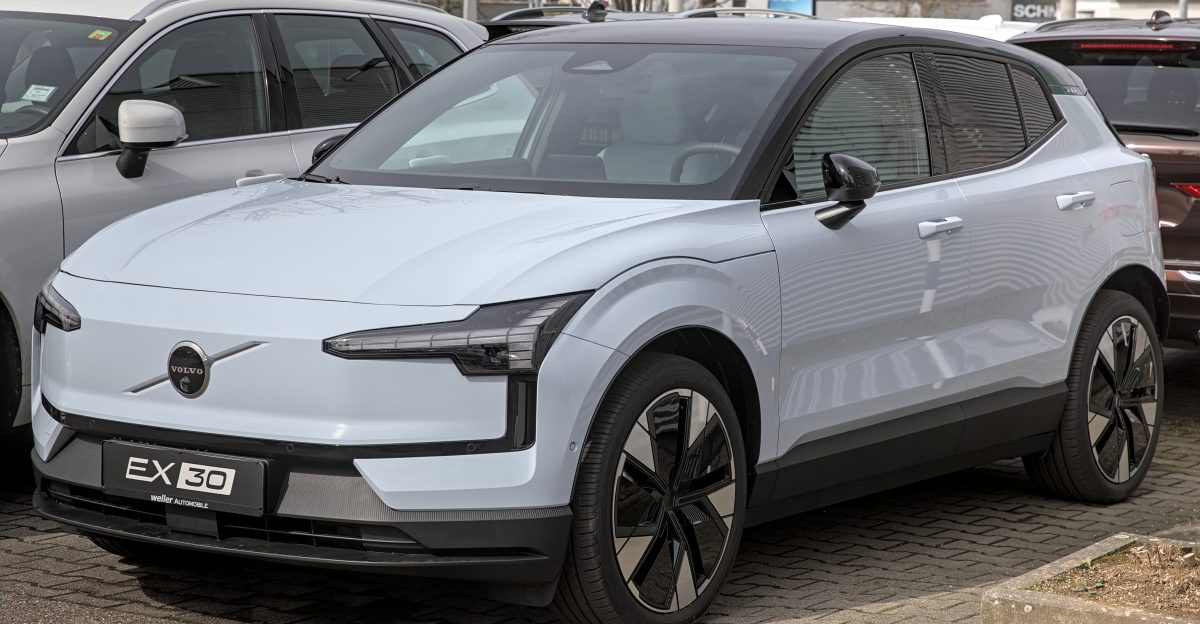
Leasing companies began offering replacement vehicles before Volvo’s official recall process could begin. The market moved first. Volvo’s $1.9 billion cost-cutting program was aimed at restoring margins. Estimated recall costs, including logistics and labor, could consume 15 to 20 percent of those savings.
Dealer networks face months of unpaid warranty work as backlogs grow. Competing luxury brands now highlight domestic battery sourcing in their marketing. A single battery chemistry shifted the entire competitive discussion among premium EV makers.
A Defining Failure
Every established automaker faces a defining failure. Toyota had sudden acceleration. GM faced recalls of its Bolt battery costing $2 billion. Volvo’s crisis cuts deeper because the defect undermines the brand’s core promise.
Sam Fiorani, vice president at AutoForecast Solutions, said the EX30 is especially important to Volvo. The company needed to get it right. The five-month delay between the first reported defect and the recall decision now sets a new industry benchmark for regulatory scrutiny.
No End Date
If repairs last longer than six months, class-action lawsuits could follow in the US, UK, and Australia. Owners who paid for safety and now face fire risk have legal grounds. Volvo’s own statement admitted that the vehicles could, in very rare cases, catch fire.
That phrase tries to minimize the outcome while admitting it at the same time. Residual values on EX30 leases are dropping. Financing defaults may follow. The 70 percent charging limit is not a passing inconvenience. It is a daily reminder to 40,323 owners that their premium purchase cannot deliver its core promise.
What Comes Next
Volvo will likely announce a next-generation thermal management system to restore credibility. Geely may publicly separate Volvo from its relationship with the Sunwoda supplier to show distance. None of these moves helps the owner who plugs in at 70 percent, parks outside, and checks the driveway before bed. The lesson beneath the recall numbers is clear.
A company with a nearly century-old history spent three years cutting costs, partnered with a supplier chain now facing questions about battery quality, and delivered the result to 40,323 families. Premium pricing secured a badge, not engineering rigor.
Sources:
Autoblog — Volvo Recalls EX30 Over Faulty Chinese Batteries That Could Catch Fire — January 12, 2026
CarnewsChina — Sunwoda and Geely subsidiary settle $323 million USD battery lawsuit — February 6, 2026
Hypermiler — Volvo EX30 catches fire in service department of Brazilian Volvo dealership — January 1, 2026
Investing.com ZA — Volvo Cars stock crashes 25% as Q4 profit halves amid tariff and challenging market — February 5, 2026
Electrek — Volvo sold nearly 100,000 EX30 electric SUVs in its first sales year — January 8, 2025