19 Recalls Hit 7.4M Fords So Far As Carmaker Races Toward Another 13M‑Vehicle Record
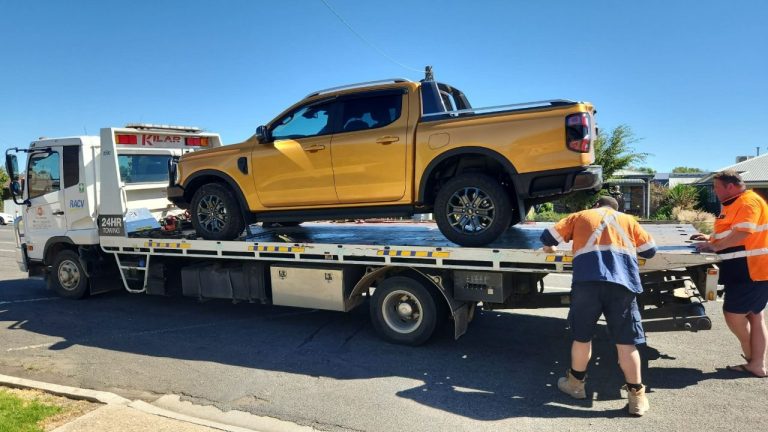
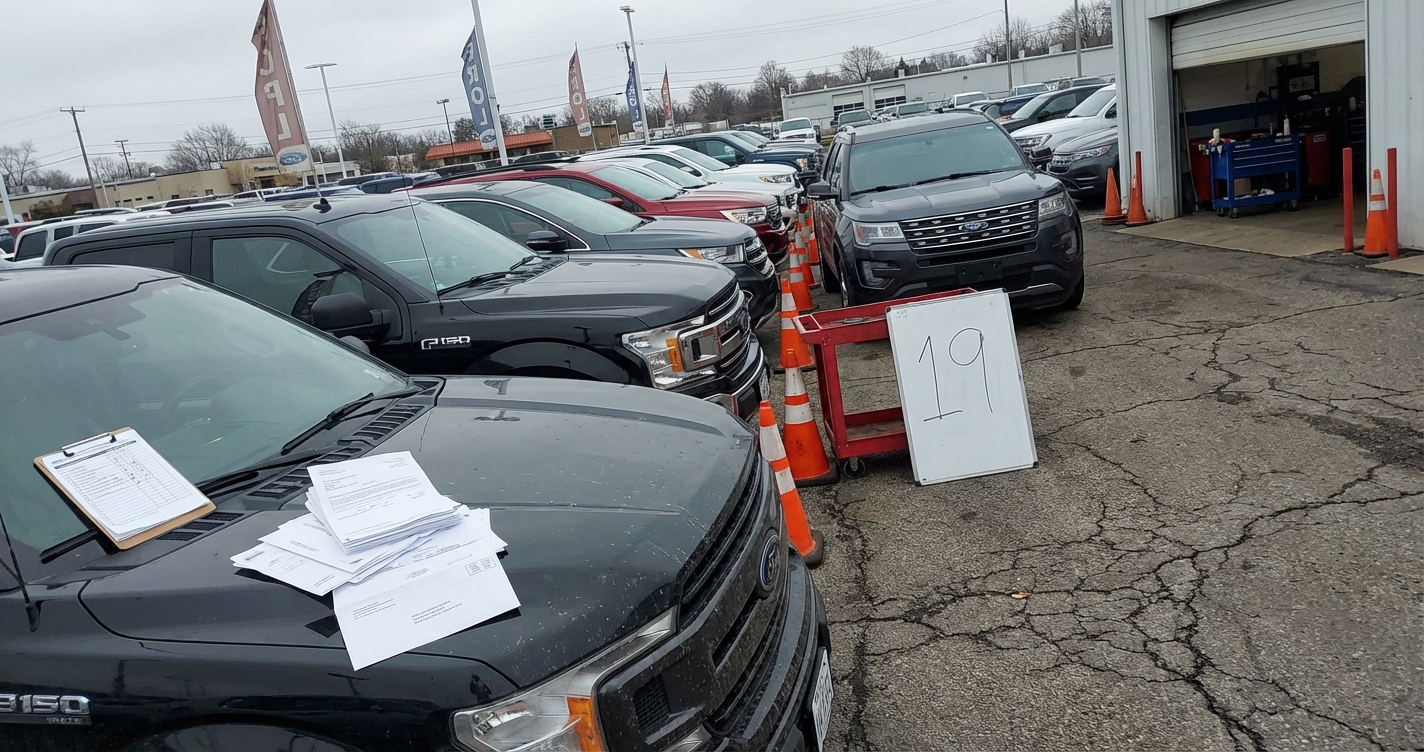
Somewhere in a federal database, a number kept climbing. By the time most Americans had barely settled into 2026, Ford’s recall tally had already reached 19 separate campaigns. Not one dramatic explosion. Not one viral crash video. Just a quiet, relentless drumbeat of safety notices piling up while the calendar still read March. Most Ford owners had no idea. Their trucks sat in driveways, their SUVs idled in school pickup lines, carrying defects that already had federal case numbers attached to them.
One every few days
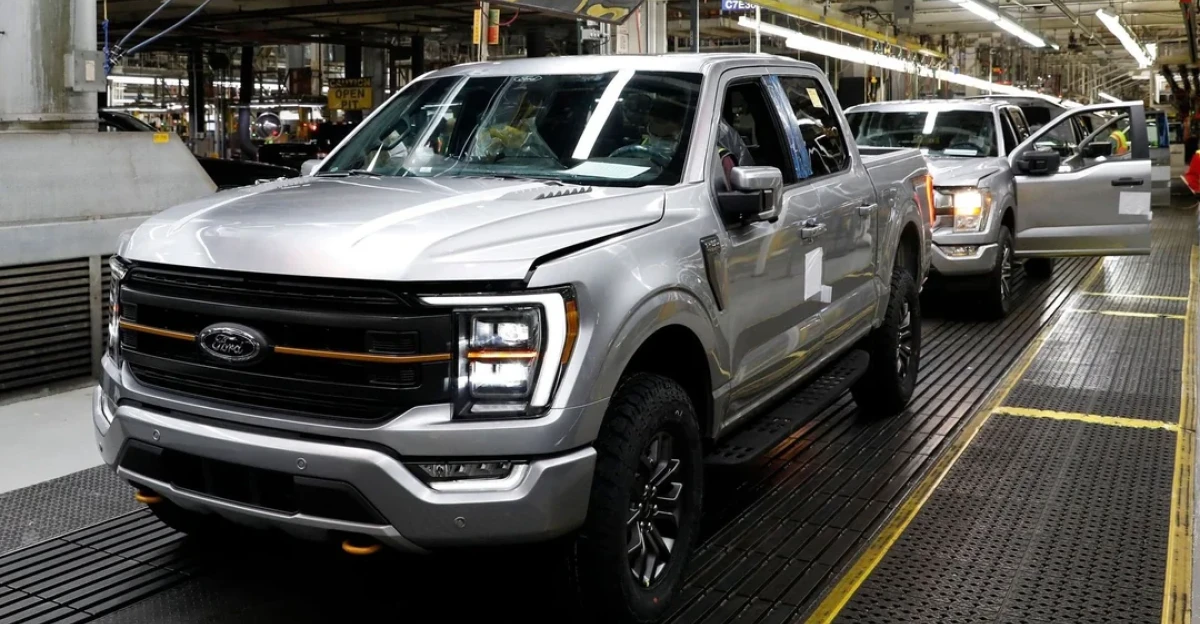
That works out to roughly one new recall every three to five days. Not annually. Not quarterly. Weekly. NHTSA’s own database confirms the filings, each one representing a distinct safety defect serious enough to trigger the federal recall process. Ford didn’t stumble into one bad batch of parts. The carmaker generated a rolling pipeline of identified problems across its lineup, and the pace alone turned a routine compliance story into something that demands attention from anyone with a Ford key fob in their pocket.
Where the danger hides
Here’s what most people believe: a recall means the problem is handled. The manufacturer found the issue, the government signed off, and the fix is on its way. Feels responsible, even reassuring. But that assumption is exactly where the danger hides. The GAO has flagged recall completion as a persistent systemic challenge in the U.S. vehicle safety system. The fix can exist on paper while the defect keeps riding shotgun. Nineteen campaigns filed means nineteen sets of owners who may not yet know they’re affected.
Between the notice and the repair
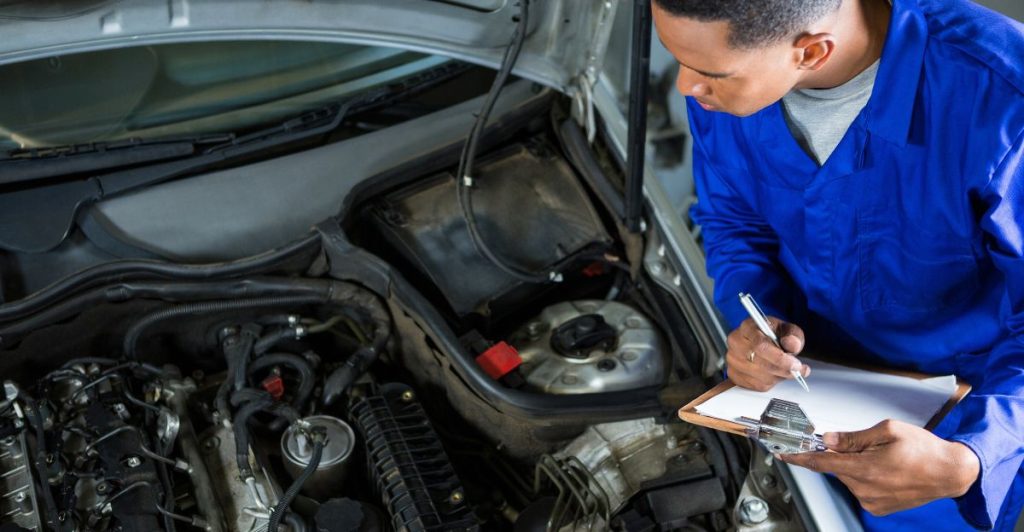
The danger was never the recall. The danger is the gap between the notice and the repair. NHTSA’s process requires owner notification and a free remedy. Free. Zero cost. And still, completion rates lag because the hardest part of the entire system is getting a human being to open an envelope, check a VIN, and schedule a dealer appointment. Nineteen recalls by March. Free fixes waiting. Your family rides in it. The medicine doesn’t work if nobody picks it up from the pharmacy.
A system, not a scandal
This is a system, not a scandal. NHTSA governs how defects become formal campaigns. The manufacturer identifies or is compelled to report. A recall number gets assigned. Notifications go out. Parts get ordered. Dealers schedule bays. Owners respond, or they don’t. That chain has four links, and the weakest one is always the last: human behavior. Ford and NHTSA both built VIN lookup tools specifically because awareness is the bottleneck that no engineering fix can solve.
Nineteen and counting
Roughly six to seven recalls per month. That’s the pace Ford set through the first quarter of 2026, according to the primary reporting and NHTSA’s searchable database. Each campaign represents a distinct defect serious enough to meet the federal threshold for a safety recall. One brand, one quarter, nineteen separate filings. The recall system wasn’t designed for this cadence. It was built for occasional crises, not continuous output. When the pipeline runs this fast, dealer capacity, parts supply, and owner awareness all strain simultaneously.
Bigger than one brand
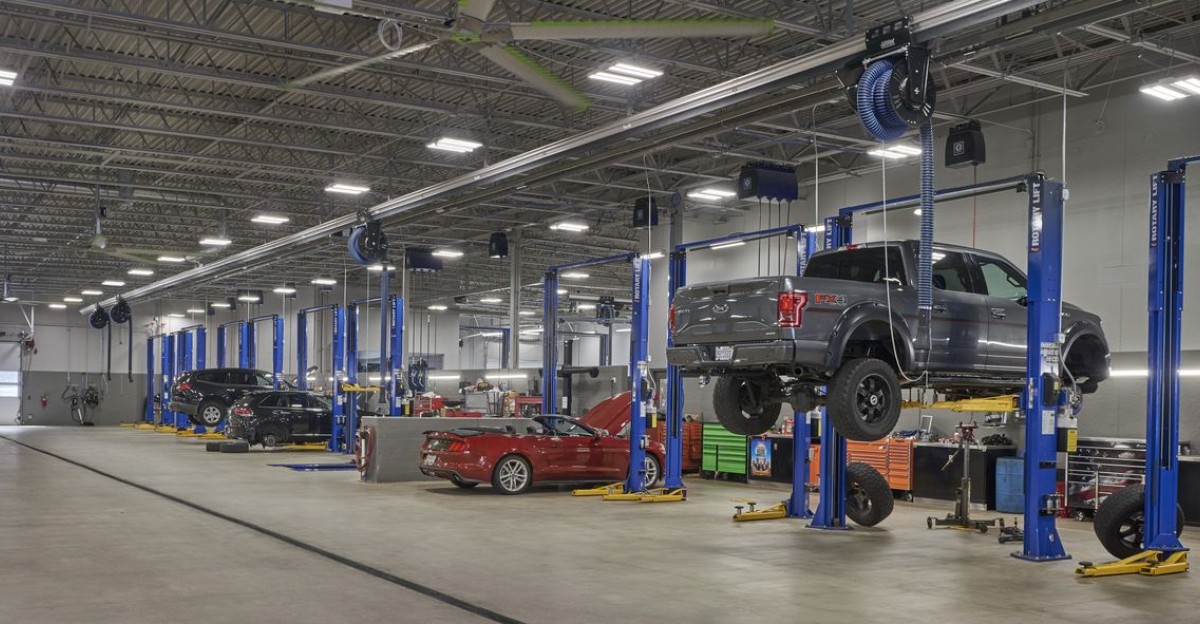
The cost doesn’t stop at Ford’s service bays. Dealers absorb scheduling pressure from recall work that generates no retail profit. Owners lose hours coordinating appointments for problems they didn’t cause. Used-car buyers inherit open recalls they never checked for. And if completion rates lag behind this filing pace, regulators and consumer watchdogs will intensify pressure on the entire industry’s recall execution, not just Ford’s. One automaker’s cadence becomes every automaker’s compliance headache. High recall volume erodes consumer trust even when every fix is technically available.
Not an outlier
This isn’t an outlier quarter. It’s a preview of how modern vehicle safety works now. Continuous detection. Continuous filing. Continuous campaigns. The GAO has studied recall oversight challenges for years, and the pattern points one direction: recall cadence is normalizing as a permanent feature of automotive operations, not an emergency response. Once you see that, the 19 number stops being shocking and starts being structural. The precedent Ford is setting in 2026 may simply become the standard every major automaker operates under going forward.
Every day it sits unrepaired
Every day an open recall sits unrepaired, the exposure window grows. Owners who ignore notices stay at risk. Families who bought used Fords without running a VIN check inherit someone else’s unfixed defect. If completion continues to lag behind filing pace, the gap between “recalled” and “repaired” widens into something regulators cannot ignore. NHTSA and Ford both offer free VIN lookup tools that take minutes. The fix costs nothing. The only price is the time between knowing and acting, and that clock started months ago.
What nobody is asking
Most people will hear “19 recalls” and think Ford has a quality problem. That’s the surface read. The deeper truth is that every automaker runs this pipeline. Ford’s count is visible because the system worked: defects got detected, campaigns got filed, remedies got offered. The real question nobody is asking is how many owners will actually complete the repair before the next recall drops. Check your VIN. Know your status. Because the person at the bar who understands this story knows the risk was never the recall itself.
Sources:
“Ford Has Had 19 Recalls In 2026 (And It’s Only March).” Yahoo Autos, 17 Mar 2026.
“Ford Recalled More Cars Than The Next 9 Brands Combined In 2025.” Carscoops, 3 Jan 2026.
“Ford Issued 153 Recalls in 2025, More Than the Following Nine Brands Combined.” Motor Illustrated, 1 Jan 2026.<
“Report on Vehicle Safety Recall Completion Rates.” National Highway Traffic Safety Administration, 31 Dec 2024.