$19.5B Bet Against Sedans Backfires As Ford Files ‘Mach 4’ Trademark For 4-Door Mustang
Something is happening inside Ford that nobody saw coming. The company that killed the Fiesta, Focus, Fusion, and Taurus between 2018 and 2020—slashing roughly $11.5 billion in costs to redirect capital into trucks, SUVs, and EVs—quietly filed a USPTO trademark on February 25, 2025. The name: Mach 4. The category: motor vehicles. That same truck-and-EV pivot later produced a $19.5 billion writedown in December 2025, when Ford unwound EV programs and a battery joint venture. The sedan exit and the EV reset are chapters of one bet.
The Promise

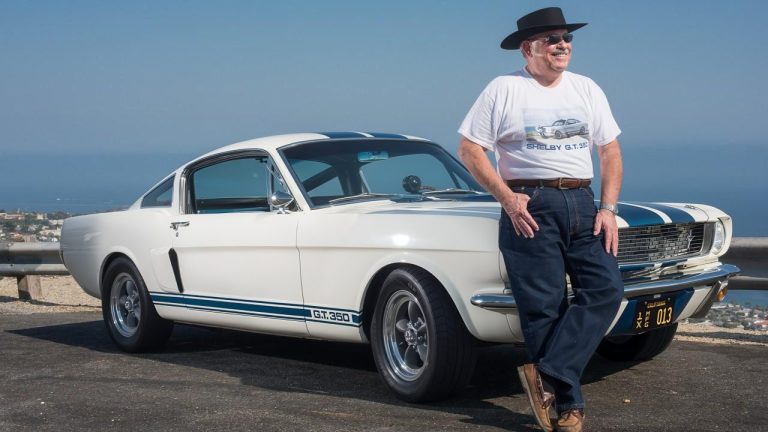
CEO Jim Farley set the terms himself. “We will never build a Mustang that isn’t a Mustang,” he told Autocar in May 2024. “But could we do other Mustang body forms, a four-door or whatever? I believe we could, as long as these models have all the performance and attitude of the original.” That language mattered. It drew a line: expand the body, but protect the soul. Sixty-two years of two-door exclusivity hung on that pledge.
The Crack
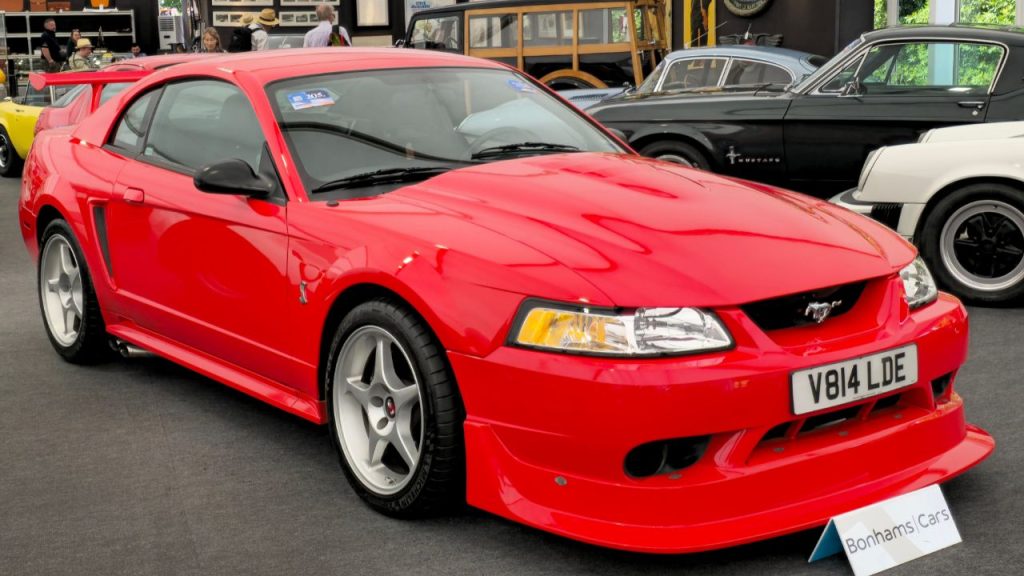
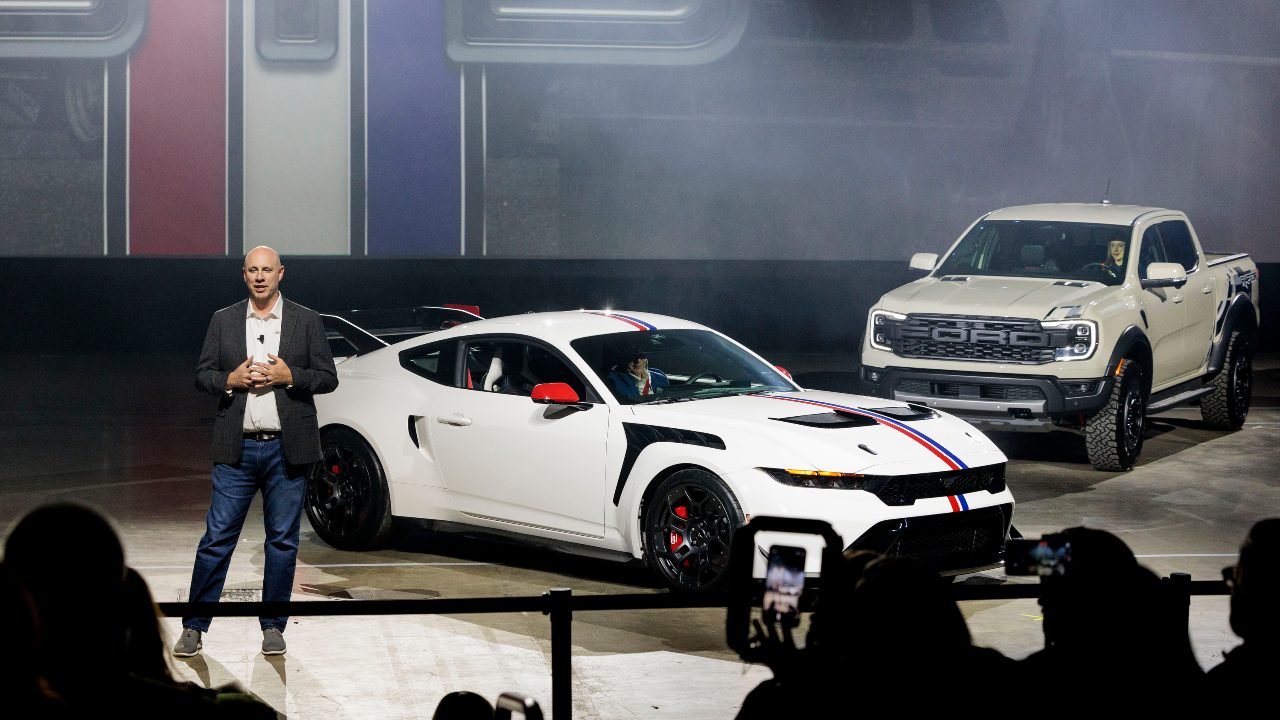
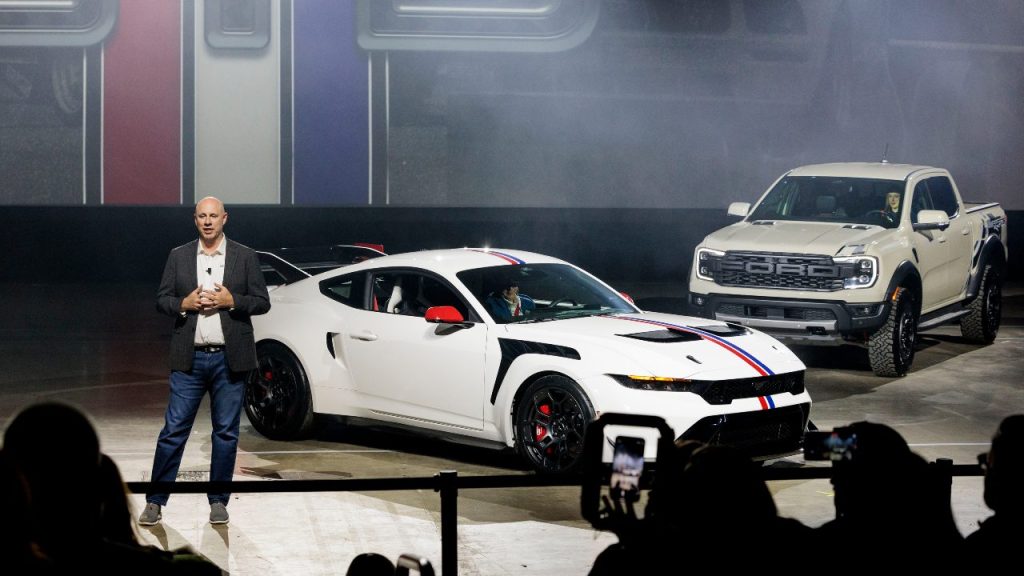
Then January 2026 happened. Farley ruled out the Mustang Cobra and Mustang Boss nameplates, two names carrying more than 50 years of performance credibility. Off the table. In their place, Ford unveiled the Mustang Dark Horse SC—a supercharged 5.2-liter V8 model that MotorTrend called “a Shelby GT500 in all but name.” Ford delivered the performance but rejected the heritage branding. Meanwhile, the four-door sedan that contradicts 62 years of design DNA kept advancing toward production. Preservation rhetoric met a budget spreadsheet, and the spreadsheet won.
The Real Math
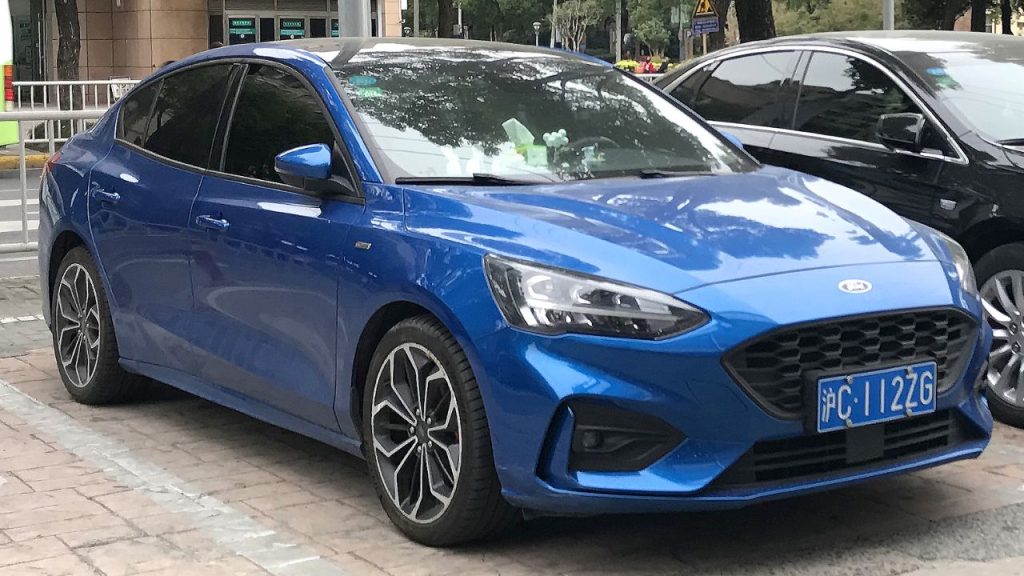
Ford didn’t fail at sedans because Americans stopped buying them. “The sedan market is very vibrant,” Farley admitted in January 2026. “It’s not that there isn’t a market there. It’s just we couldn’t find a way to compete and be profitable.” Ford torched four nameplates over a cost-structure problem, not a demand problem. The $11.5 billion saved by cutting those sedans funded the EV and truck strategy that ultimately required a $19.5 billion clean-up. Now Ford bets Mustang branding can solve what Fusion pricing never could.
Factory Floor
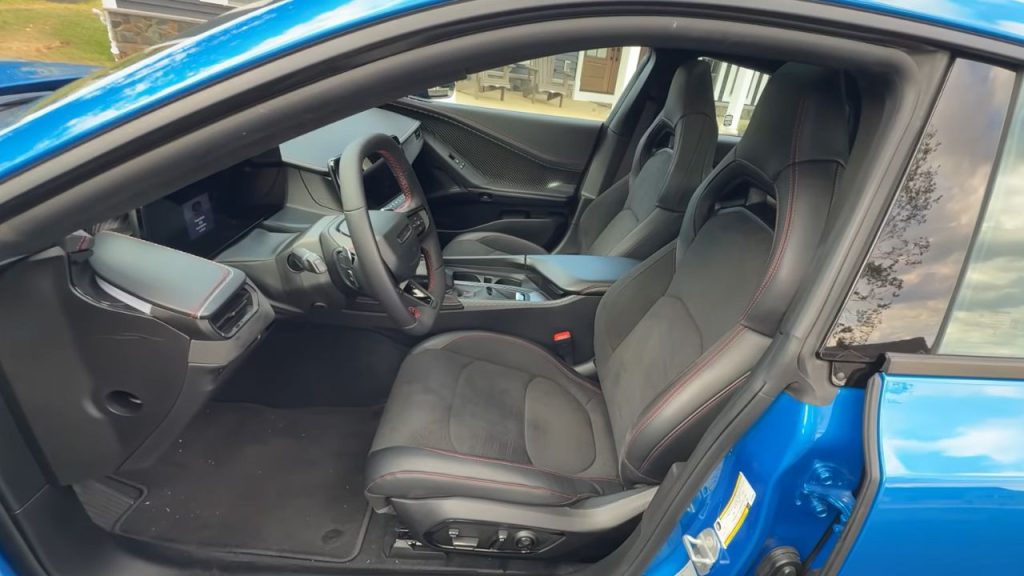
The four-door Mustang exists for a reason most buyers will never hear. Flat Rock Assembly, Ford’s Michigan plant, is configured for cars and sedans—not SUVs, not crossovers. Traditional passenger vehicles only. A two-door-only Mustang may not generate enough volume to keep that plant above breakeven. The Mach 4 sedan could fill a production gap that no coupe variant could close. Brand strategy may have followed manufacturing necessity, not the other way around.
The Numbers Game
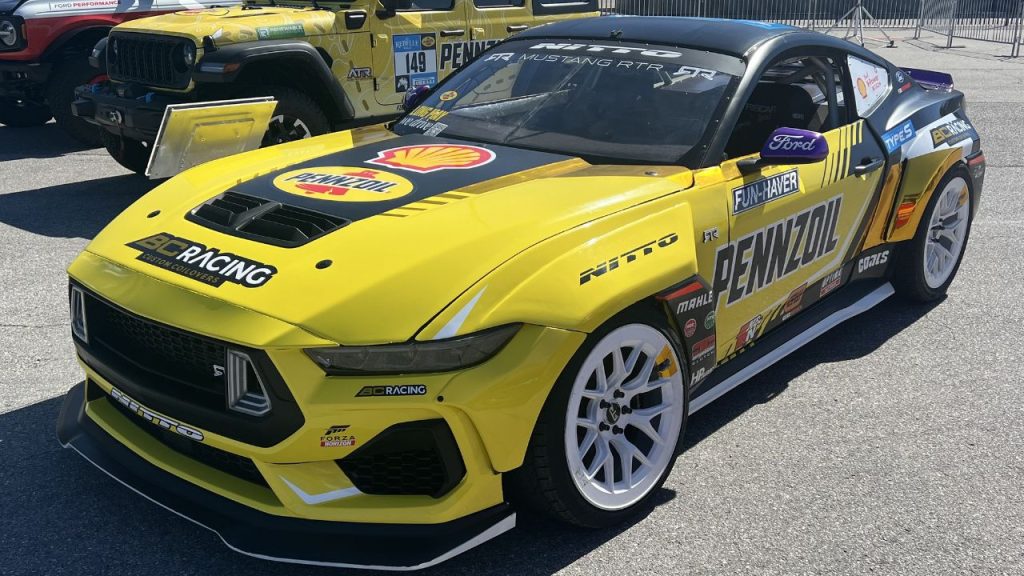
The RTR Spec 5, built by RTR Vehicles on a Ford Mustang donor car, produces 870 horsepower from a Whipple-supercharged 5.0-liter V8, exceeding the flagship GTD’s 815 horsepower. Price: $159,999. The GTD itself hit a 6:52.072 Nürburgring lap, first car from an American automaker under seven minutes. Ford and its partners engineered the most powerful Mustangs in history, then the company refused to badge any of them as Cobras or Bosses. The power exists. The heritage names that earned it don’t.
Dodge Forced It
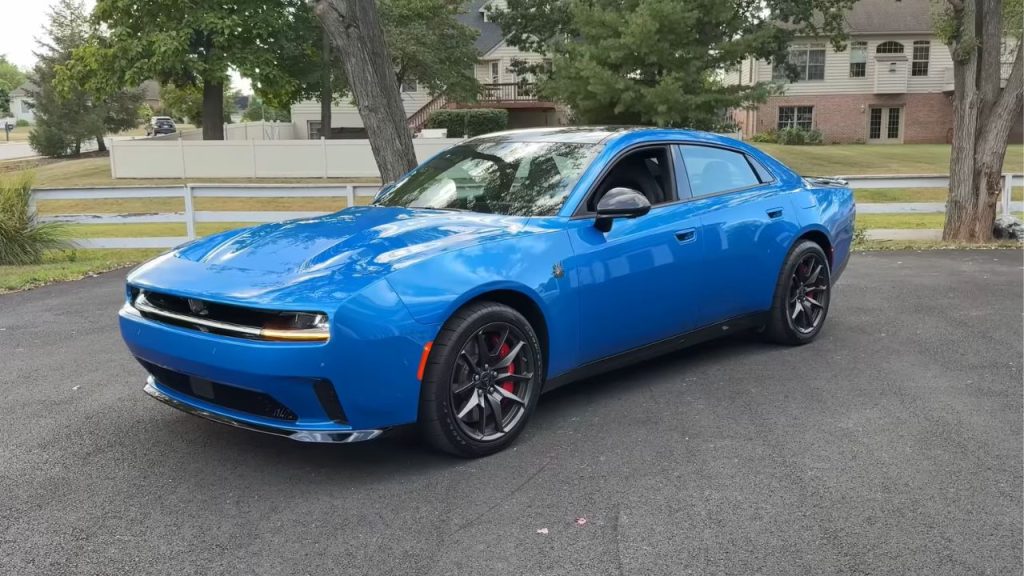
The new Dodge Charger already sells as a four-door sedan with muscle-car credentials. Chevrolet killed the Camaro entirely. Ford watched a competitor prove four-door performance works while its own sedan graveyard grew weeds. The Mach 4’s projected 2028 production window puts Ford years behind Dodge’s 2025 four-door launch. That gap matters. Every month without a sedan competitor hands Dodge buyers Ford cannot recapture with coupes alone.
The Pattern
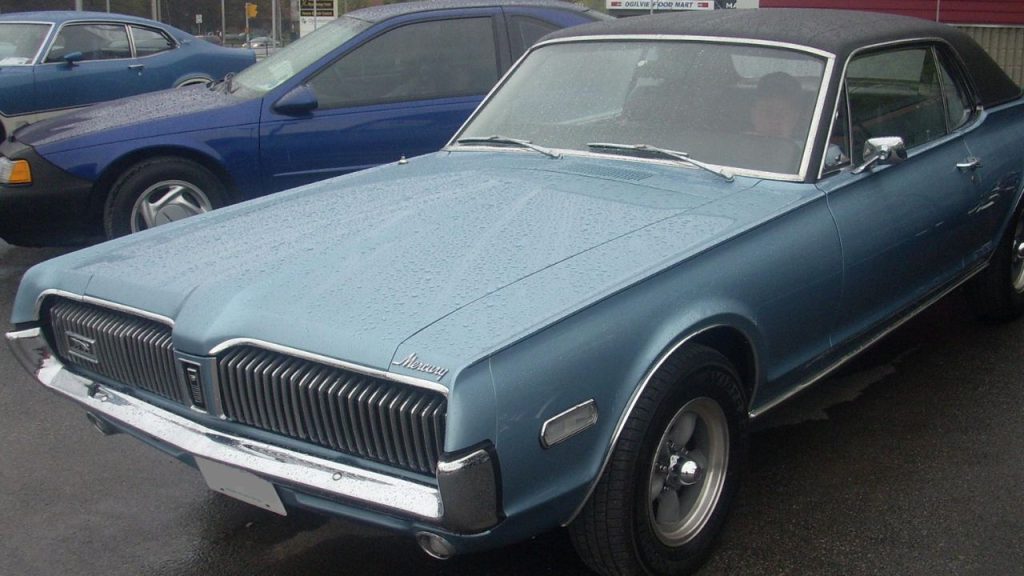
This mirrors what Ford did to Mercury. The Cougar started as a two-door performance icon, expanded into sedans and wagons through the 1970s, diluted until the nameplate died in 2002. Mustang’s Mach-E SUV already tested brand elasticity. The Mach 4 sedan stretches it further. Each expansion makes “Mustang” mean more things and, potentially, less of the original thing.
The Price Bet
Average new-vehicle transaction prices briefly touched $50,000 last year. Monthly payments top $700. Sedans with comparable content cost roughly 75% of equivalent crossovers. Analysts project a $38,000–$55,000 Mach 4 window that would target buyers priced out of SUVs but unwilling to surrender performance identity. Ford’s UEV platform, an electric-vehicle architecture that could be adapted for the Mach 4, promises 20% fewer parts and 25% fewer fasteners than standard Ford vehicles. Efficiency engineering disguised as a pony car.
Open Road
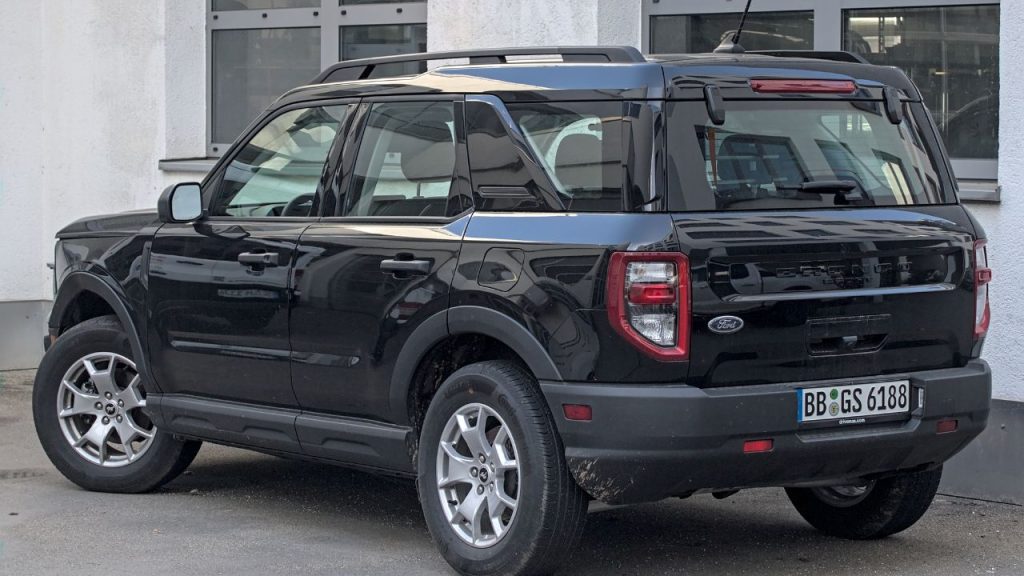
Ford’s own EV roadmap now lists two sedans alongside its SUV lineup. The Mach 4 trademark covers gasoline, electric, trucks, SUVs, and structural parts. That scope suggests Ford reserved the name for more than one body style. A company that abandoned sedans to save $11.5 billion, then absorbed a $19.5 billion EV writedown, is now building its most iconic nameplate’s future around one. Whether that’s a correction or a second mistake depends on a factory in Flat Rock that can’t build anything else.
If you enjoyed this article, please like and follow us here on MSN! Thank you for reading, and have a great day!
Sources:
“Mach 4 Trademark Filing Suggests Four Door Ford Mustang Incoming.” Ford Authority, 26 Feb 2025.
“Four-door Ford Mustang super saloon in the pipeline.” Autocar, 16 May 2024.
“Ford retreats from EVs, takes $19.5 billion charge as Trump policies take hold.” Reuters, 15 Dec 2025.
“Ford introduces new Dark Horse Mustang it calls ‘most exhilarating’ ever.” Detroit Free Press, 15 Jan 2026.