$14K Retro Honda Bike Finally Cleared For US After EPA Filing Contradicts ‘Europe-Only’ Claim
Honda spent six years developing the CB1000F, a motorcycle announced exclusively for the European market in fall 2025. Press releases and dealer briefings emphasized the bike was unavailable in the U.S. Styled after the 1979 CB750F, it carries technology usually reserved for Honda’s sportbikes. American enthusiasts assumed the market was closed to them. However a few days ago, motorcycle.com discovered the CB1000F listed in the EPA certification database. Honda had quietly filed for U.S. approval while publicly maintaining a Europe-only story. Enthusiasts now had a clear contradiction to official messaging.
Six Years Built Strategic Silence
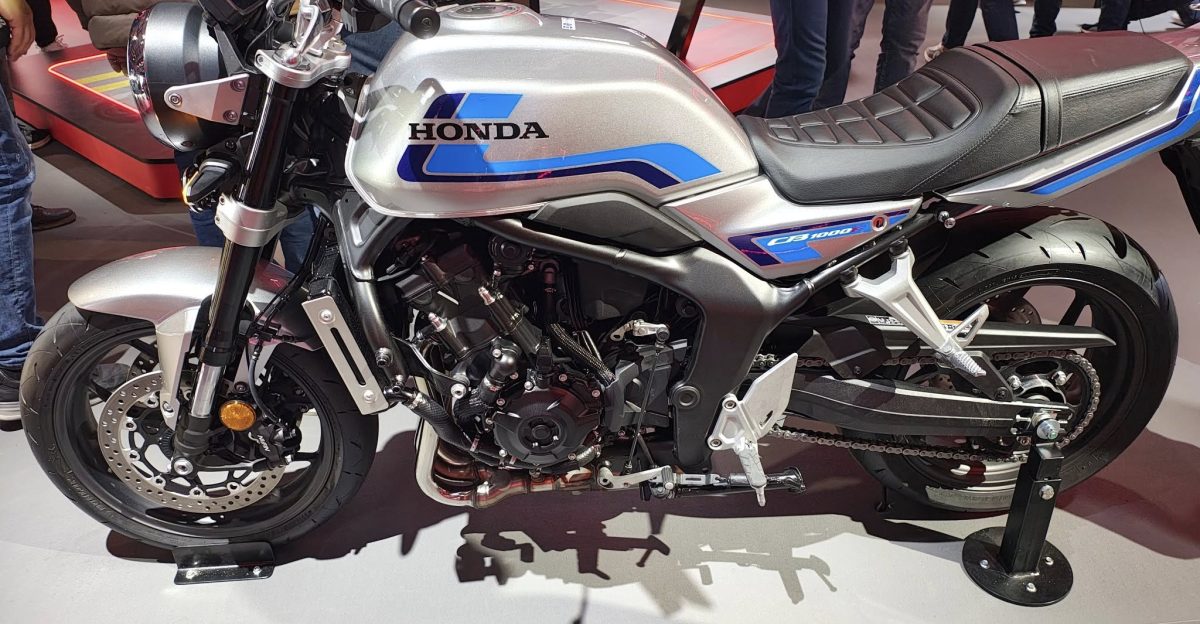
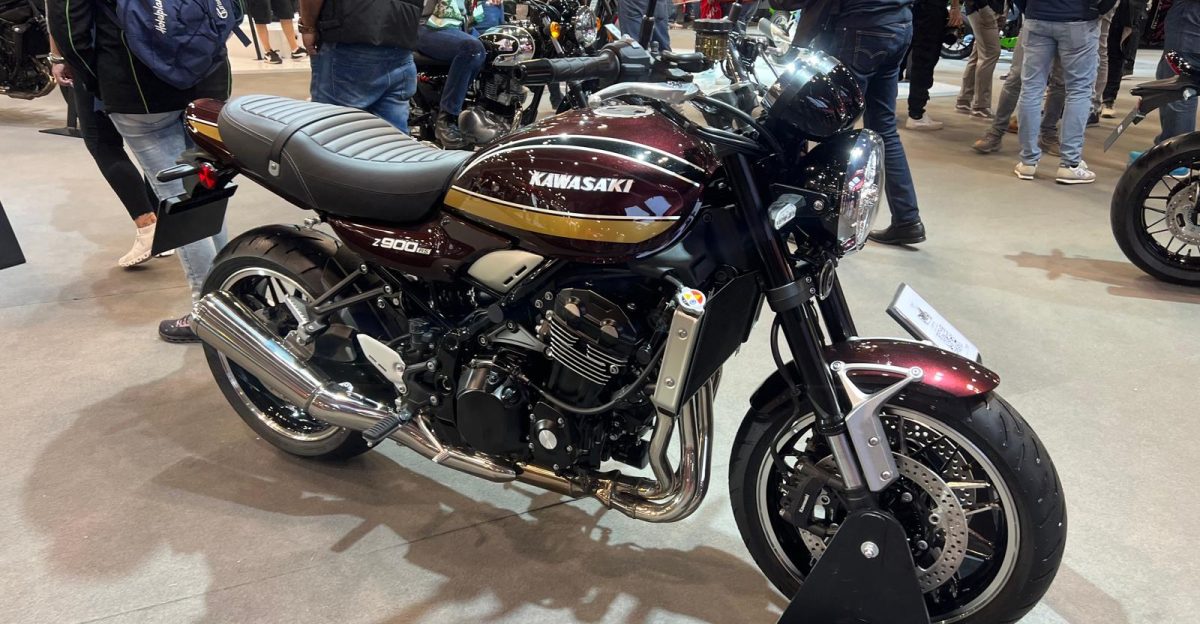
Development of the CB1000F began on the Hornet platform and culminated with the European announcement in October last year. Deliveries across the UK and continent began last month. U.S. buyers received no pricing or timeline and no acknowledgment of availability. Kawasaki’s Z900RS and Yamaha’s XSR900 dominated the American retro segment during this period. Honda appeared to cede its market. The EPA filing revealed the quiet preparation for U.S. certification. The secrecy created anticipation while competitors remained unaware that a disruptive entry was ready to challenge the segment.
EPA Database Confirms U.S. Certification
On March 3, Motorcycle.com highlighted the CB1000F in the EPA certification database, confirming full U.S. emissions compliance despite Honda’s European-only marketing. Other outlets, including Gear Patrol, credited Motorcycle.com for surfacing the regulatory paperwork. The filing showed Honda had prepared the bike for U.S. sales while publicly emphasizing the European market. Enthusiasts had assumed the machine was unavailable, creating months of anticipation. The contrast between the company’s messaging and the regulatory record became clear. The CB1000F now had documented approval, signaling American riders would soon gain access to a liter-class retro with modern sportbike electronics.
Advanced Technology Targets Competitors
The CB1000F features a six-axis IMU, cornering ABS, five riding modes, and smartphone connectivity. The UK price is £10,599. Using Honda’s 1.3x conversion, the U.S. cost would be $14,180. Kawasaki’s Z900RS sells $1,500–$2,000 higher, and Yamaha’s XSR900 compromises displacement. Honda targets market dominance through superior electronics and price. Delivering a liter-class machine with technology usually reserved for sportbikes positions the CB1000F as a disruptive entry. American riders gain access to a retro bike with modern capabilities, while competitors face pressure to justify pricing. The regulatory filings make the upcoming launch unavoidable in perception.
Engine Designed for Everyday Roads
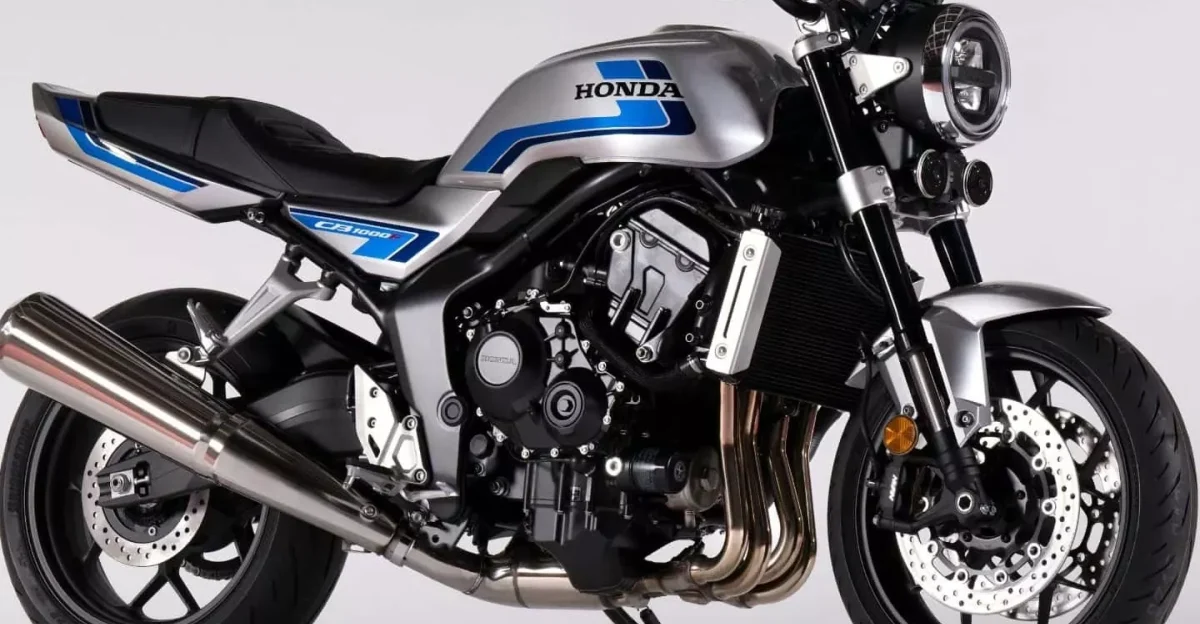
The CB1000F produces 122 hp (91 kW) at 9,000 rpm. Peak torque is 103 Nm at 8,000 rpm. First and second gear ratios were shortened to improve throttle response below 6,000 rpm. Daily riders rarely reach peak power, making low- and mid-range delivery more usable. Engineers tuned the bike to optimize real-world performance rather than maximum horsepower. Honda created a liter-class motorcycle that is approachable and responsive on everyday roads. The engine design supports consistent performance for commuters and casual riders while preserving the retro aesthetic. Competitors are left to reconsider how displacement and power translate to actual riding.
Ergonomics Enhance Accessibility
The CB1000F weighs 214 kilograms with a 16-liter fuel tank. The seat height is 795 millimeters, among the lowest in its class. Fuel consumption is 5.6 L/100 km (42 mpg US, 50 mpg UK), giving a range of approximately 174 miles per tank. Riders gain a full liter-class motorcycle with sportbike electronics, ergonomic comfort, and vintage styling. The combination of usability and technology had not existed in this segment before February 2026. Low weight, comfortable seat, and modern electronics make this a retro bike ready for real roads. Buyers receive practical performance without compromises.
Pricing Forces Competitor Reassessment
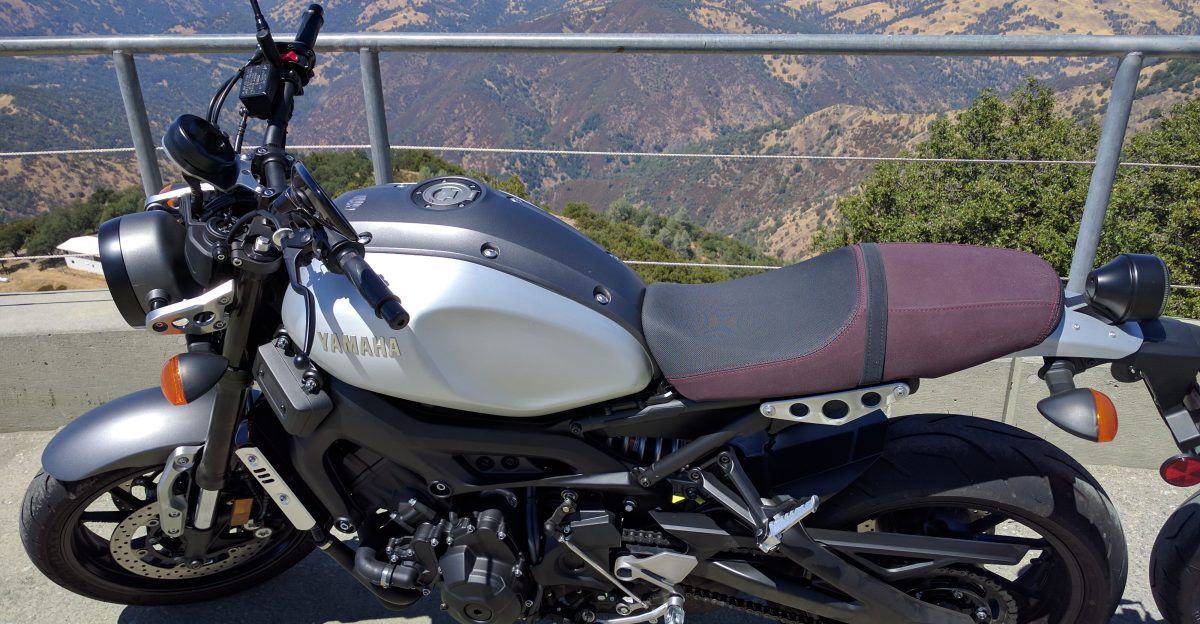
A U.S. price of $14,180 undercuts Kawasaki’s Z900RS by up to $2,000 while offering advanced electronics. Yamaha’s XSR900 is closer in price but gives up displacement. Triumph and BMW heritage models carry European brand premiums that now seem harder to justify. Early adopters of competing retro bikes could see resale values adjust as dealers respond. Honda’s EPA filing reshapes the market. Competitors face immediate pricing pressure. Honda’s entry challenges assumptions about value, displacement, and technology. The upcoming launch could reset expectations for the U.S. retro segment and influence the used market first.
Retro Models Drive Portfolio Strategy
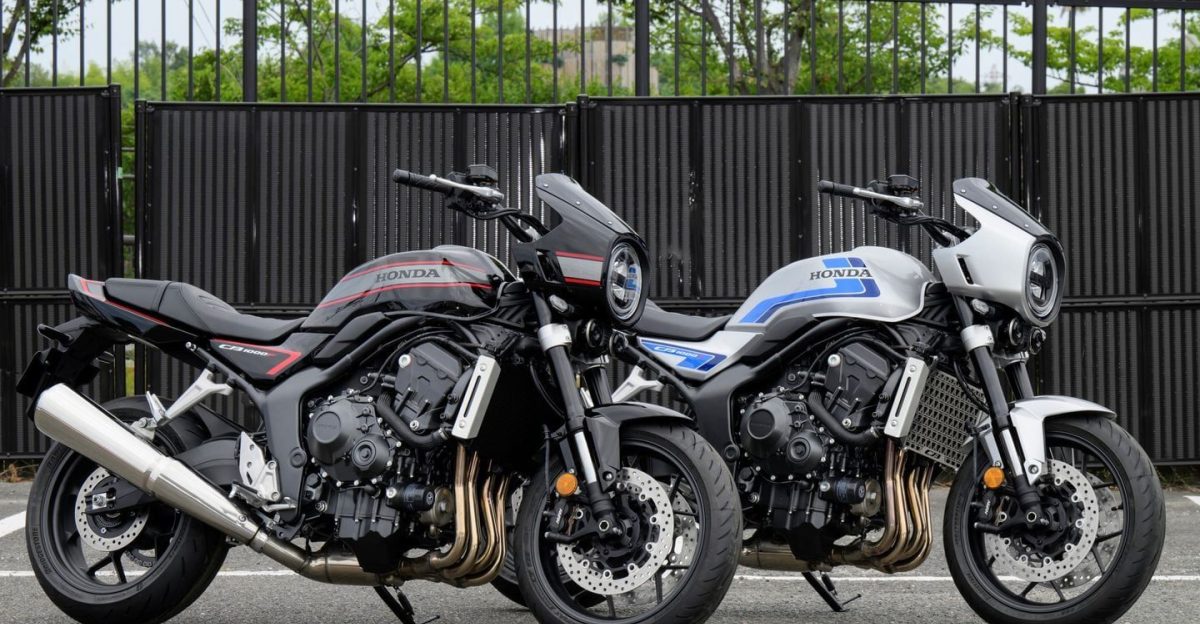
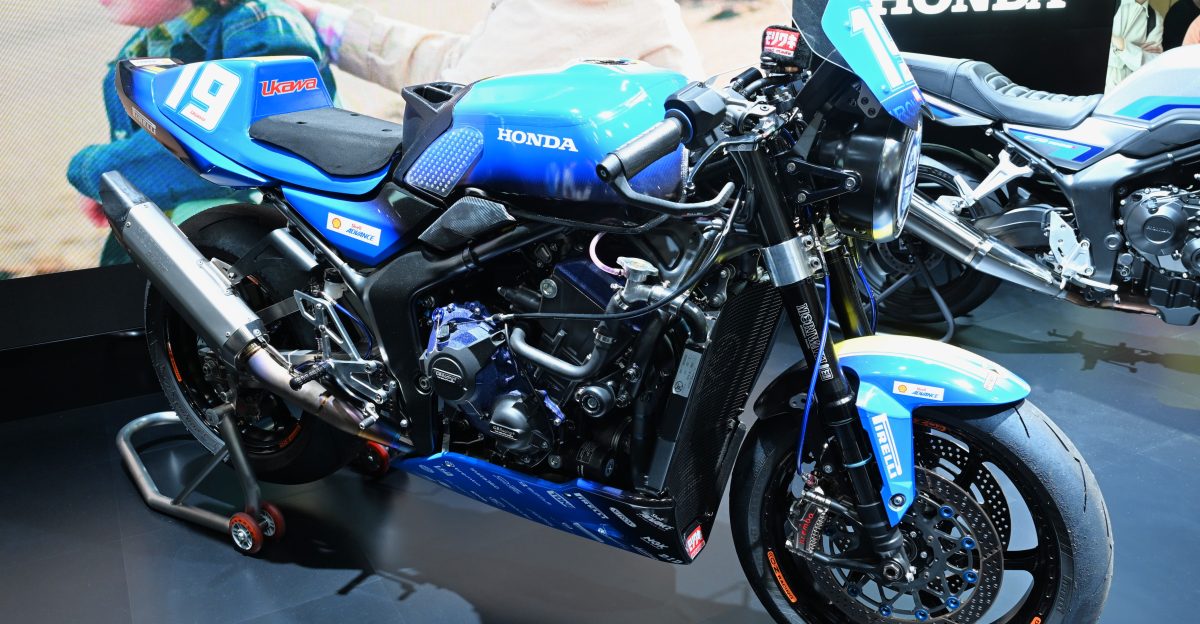
Honda proved that multi-year development cycles on platform variants repurposing Hornet engineering in 1980s styling can yield market growth. The CB1000F combines emissions compliance on March 2026 with a Freddie Spencer heritage tribute. Retro motorcycles can expand product portfolios without new platforms. Competitors can now follow similar timelines for aesthetic repositioning. Honda validated the strategy and set a reference point for the segment. Cultural resonance, technology, and established engineering deliver a complete package. This precedent shows that retro bikes are effective tools for market expansion when combined with strategic pricing and compliance.
U.S. Segment Expansion Possible
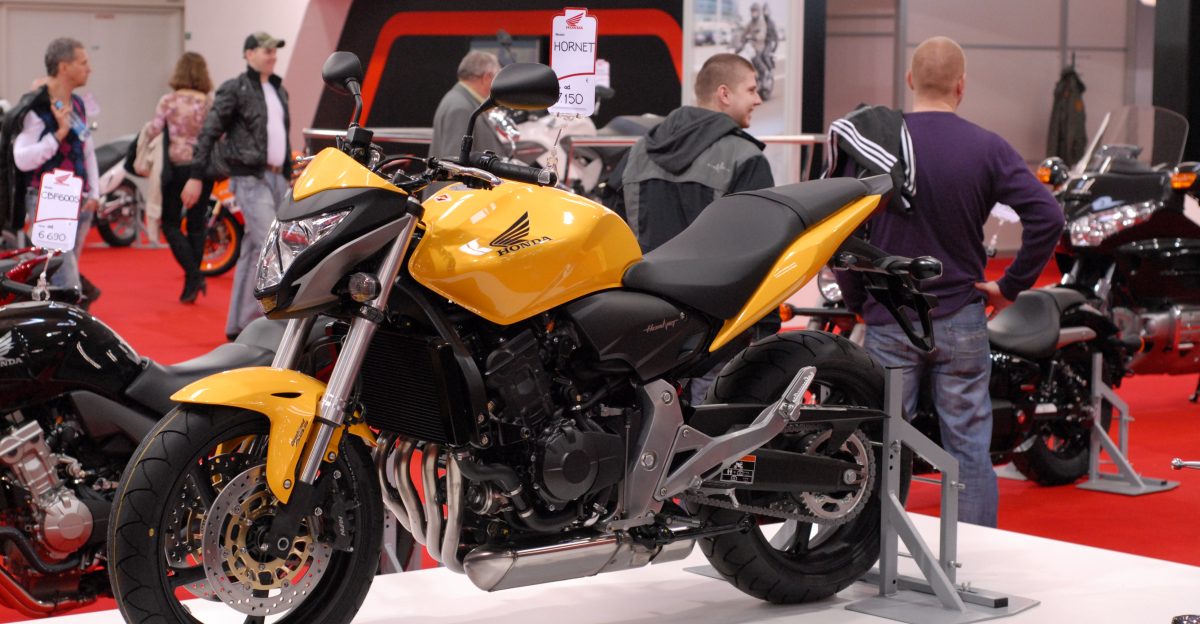
Strong U.S. sales could justify mid-displacement CB1000F variants such as a CB750F or CB600F. Global retro segment growth attracts competitors including Royal Enfield and Chinese manufacturers like Zongshen. EPA approval opens the market for Honda to expand quickly. Successful adoption in America could shape the direction of neo-retro motorcycles or trigger commoditization as other brands chase similar designs. Early sales performance will indicate whether American riders embrace the CB1000F like European fans or whether competition dilutes market value. The next year will determine retro motorcycling trends in the United States.
Manufacturers Adjust to New Norms
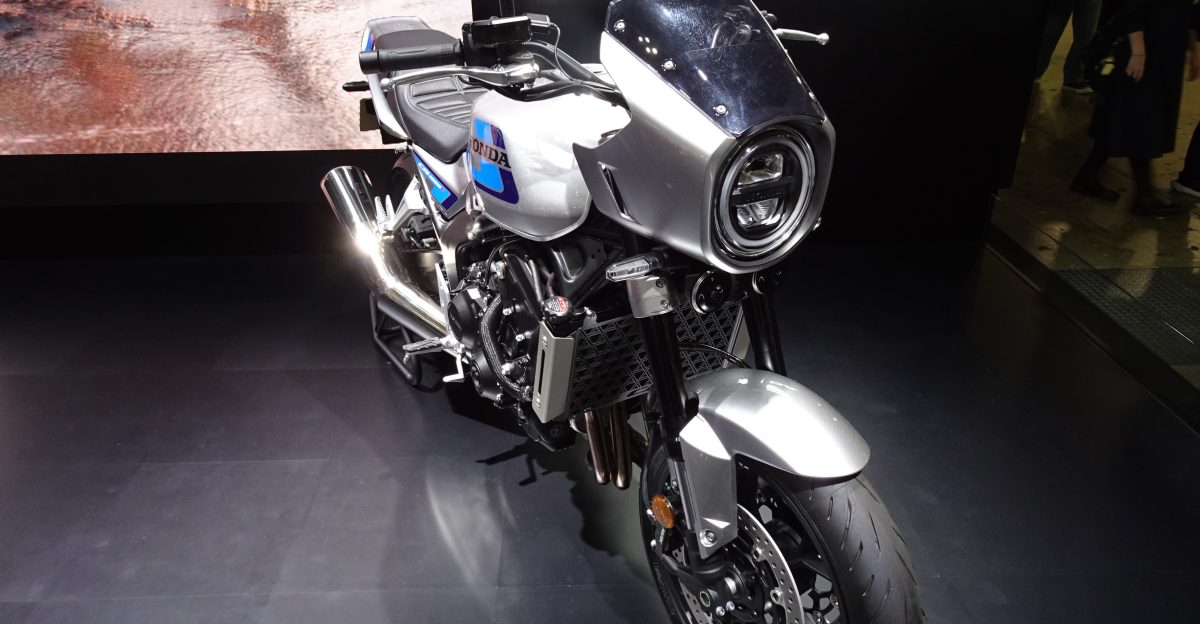
Sportbike brands are repositioning as track-focused machines while retro variants capture daily riders. Despite public silence, Honda’s EPA approval in early March 2026 shows readiness for the U.S. market. The CB1000F combines 122 horsepower, comfort, and modern electronics in a retro package. Enthusiasts who prioritize usability over maximum power are positioned to respond first. Official pricing and availability remain unannounced. Honda’s regulatory preparation signals the market impact without confirming details. Competitors must now account for retro bikes in pricing and positioning strategies. The CB1000F arrival shifts American market expectations toward approachable performance.
Launch Timing Still Unclear
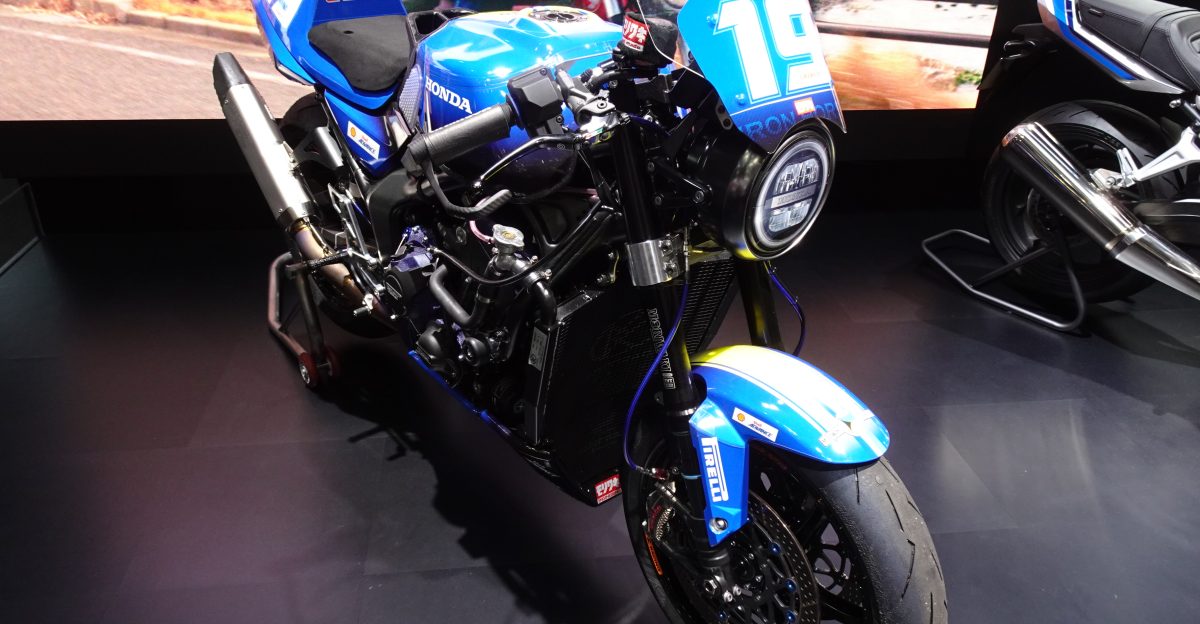
Honda has not disclosed U.S. pricing or release dates despite EPA approval. The company invested six years in a bike optimized for 122 horsepower, comfort, and retro styling. Riders can anticipate a liter-class machine with modern electronics and low seat height. The regulatory approval is public, making the launch imminent in perception. Dealers and competitors are adjusting strategies in advance. American buyers now expect availability. Timing will reveal whether Honda executes a broad U.S. entry or a limited rollout. The market waits for confirmation of the long-anticipated arrival.
Sources:
Honda’s Most Hotly Anticipated Retro Bike Is Finally Coming to the US. Gear Patrol, March 3, 2026
2026 Honda CB1000F Review. Total Motorcycle, October 13, 2025
2026 Honda CB1000F First Look: 11 Fast Facts. Ultimate Motorcycling, October 13, 2025
2026 Honda CB1000F Gets Certified for US Market. Motorcycle.com (via EPA filing coverage), March 3, 2026