12 Trucks Nobody Wants To Sell And Nobody Can Afford—$64B Stranded On Dealer Lots
America’s truck market is stuck in a strange place, and the contradiction is hard to ignore. Owners keep holding on to what they have, while new models continue piling up across dealer lots nationwide. Full-size pickups averaged $66,157 in February, according to Kelley Blue Book, pushing many buyers out of reach. At the same time, long-trusted nameplates still inspire loyalty, making owners hesitate to sell. That tension sits at the heart of today’s market, where desire remains strong but affordability continues to tighten across the segment.
The $64B Inventory Problem Explained
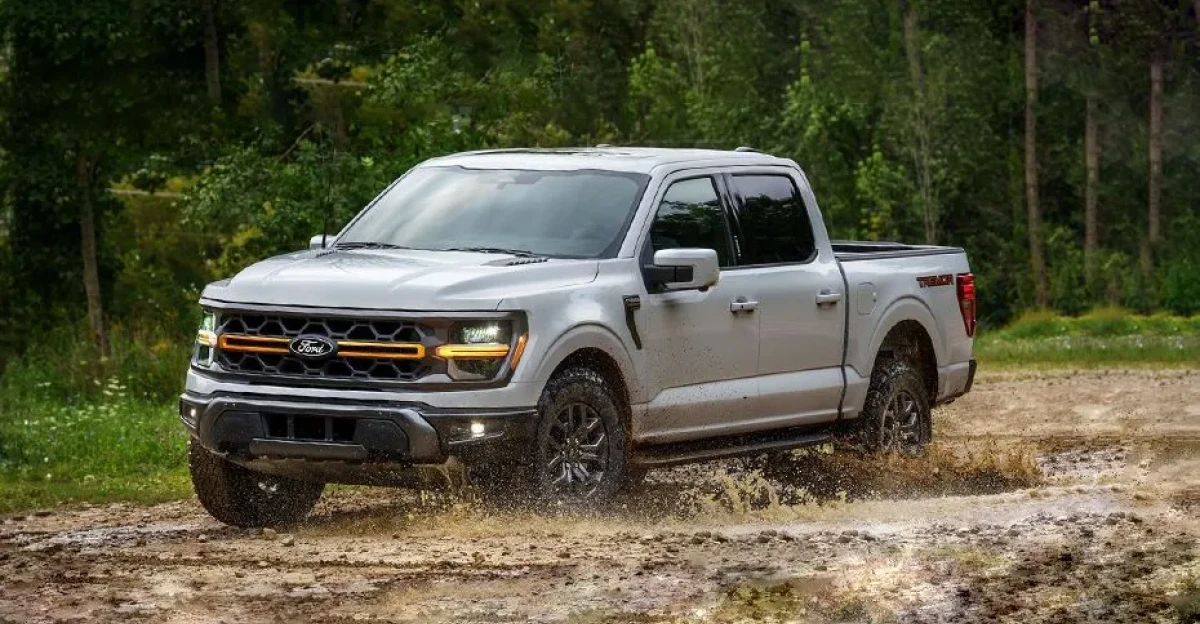
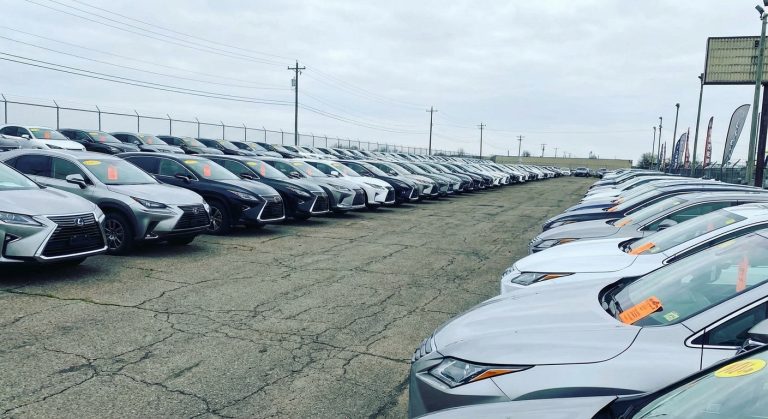
The $64B estimate captures the scale of what is happening, even if it is not an official industry total. Kelley Blue Book reported average full-size pickup prices of $66,157 in February, and market analysis in 2026 points to roughly 1 million unsold trucks sitting on dealer lots at an average price of around $64,000. Multiply those figures, and the value lands in that same broad range. It reflects expensive vehicles meeting slower demand, not a formal balance sheet figure. That context sets up a closer look at the 12 trucks caught in this growing imbalance.
1 — Ford F-150
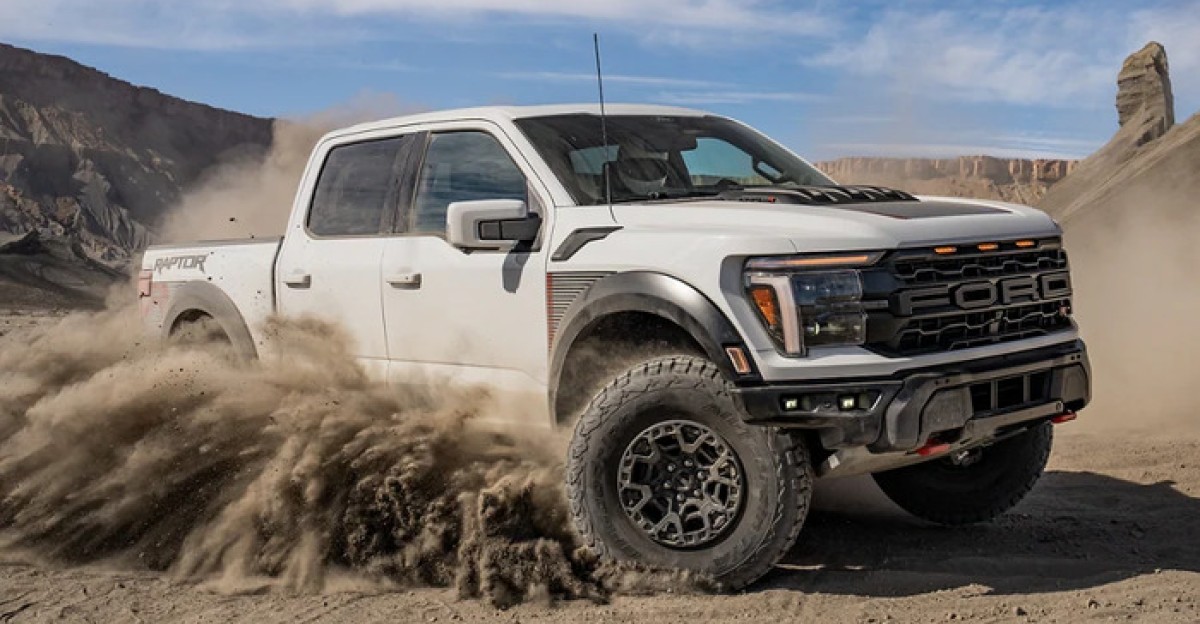
The Ford F-150 sits right at the center of today’s affordability squeeze. Full-size pickups averaged $66,157 in February, and many upper-trim F-150 models exceed that benchmark by a wide margin. Despite that, owners often hold onto them because the truck remains essential for work, towing, and daily use. This creates a clear contradiction where demand still exists, but replacement buyers struggle with financing. The result is a model that remains deeply wanted, yet increasingly difficult to upgrade into as monthly payments continue rising across the market.
2 — Chevrolet Silverado 1500
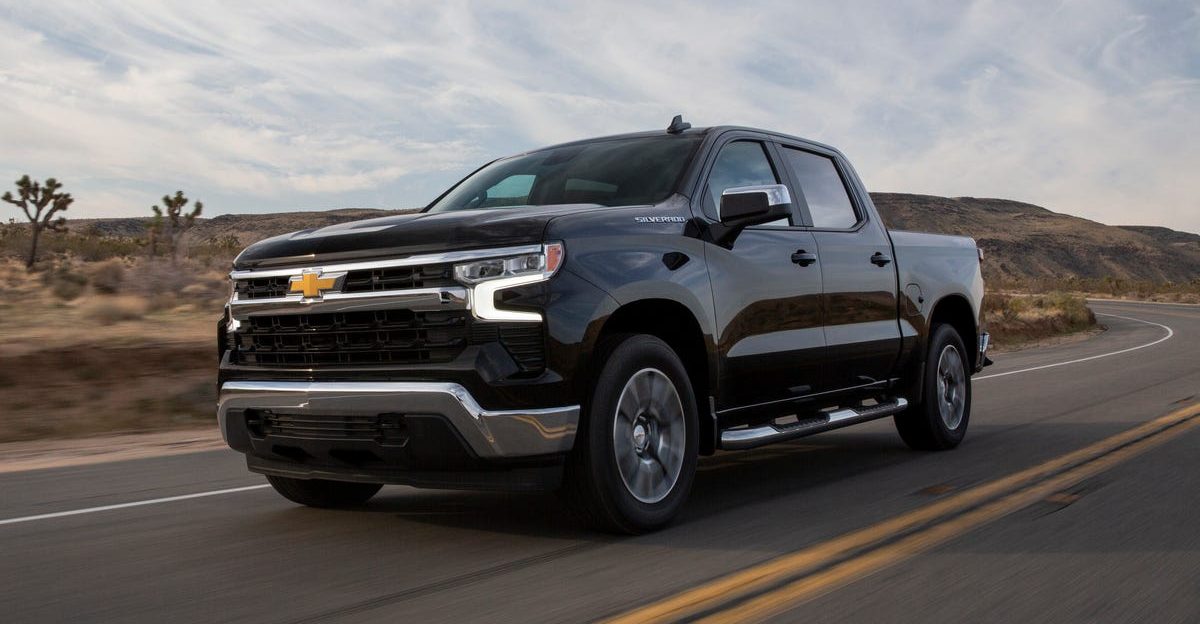
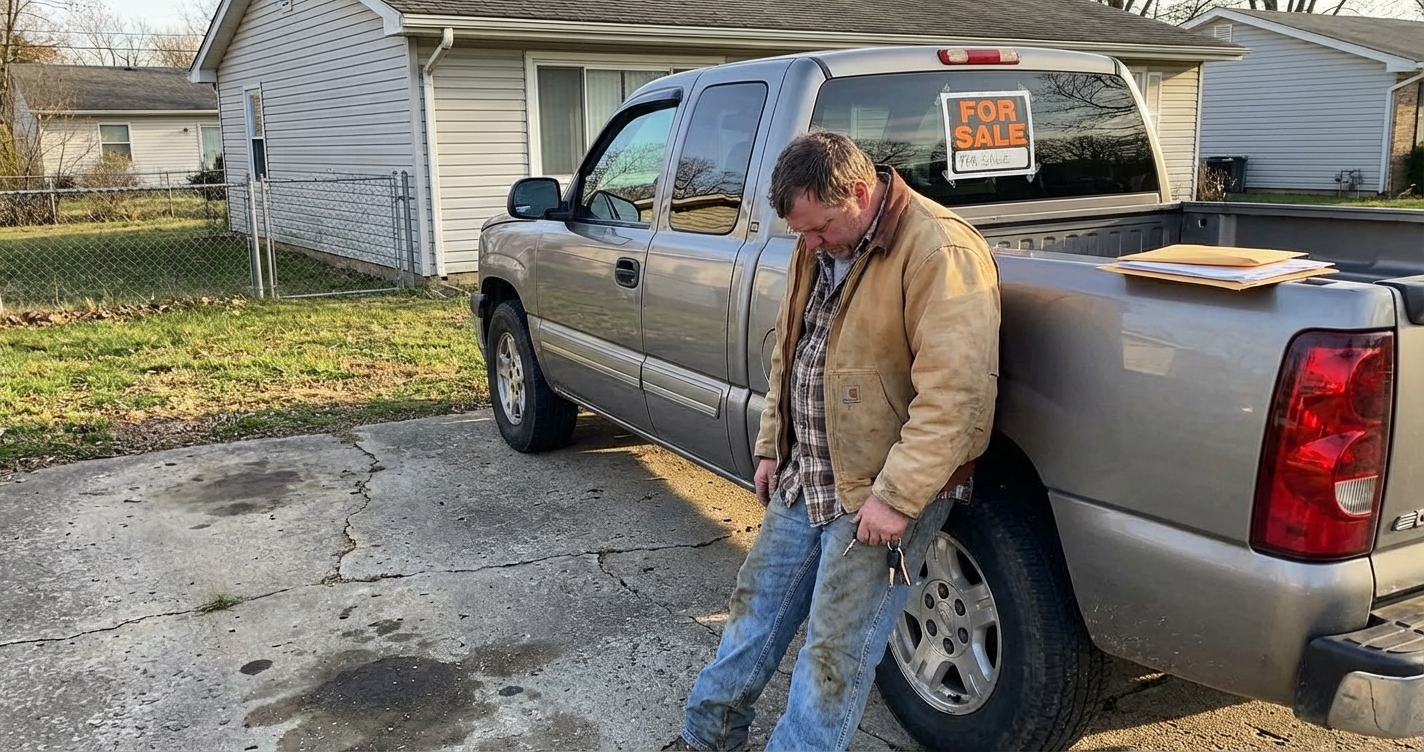
The Chevrolet Silverado 1500 continues to attract attention, yet selling one has become less straightforward. An owner cited by Torque News said he had been trying to sell a 2019 Silverado 2500 HD for 2 months with no success. That detail highlights how demand is no longer automatic, even for familiar trucks. Pricing, interest rates, and growing inventory have changed buyer behavior. The Silverado still holds strong appeal, but transactions now take longer and require more flexibility, revealing a shift that many sellers did not anticipate.
3 — GMC Sierra 1500
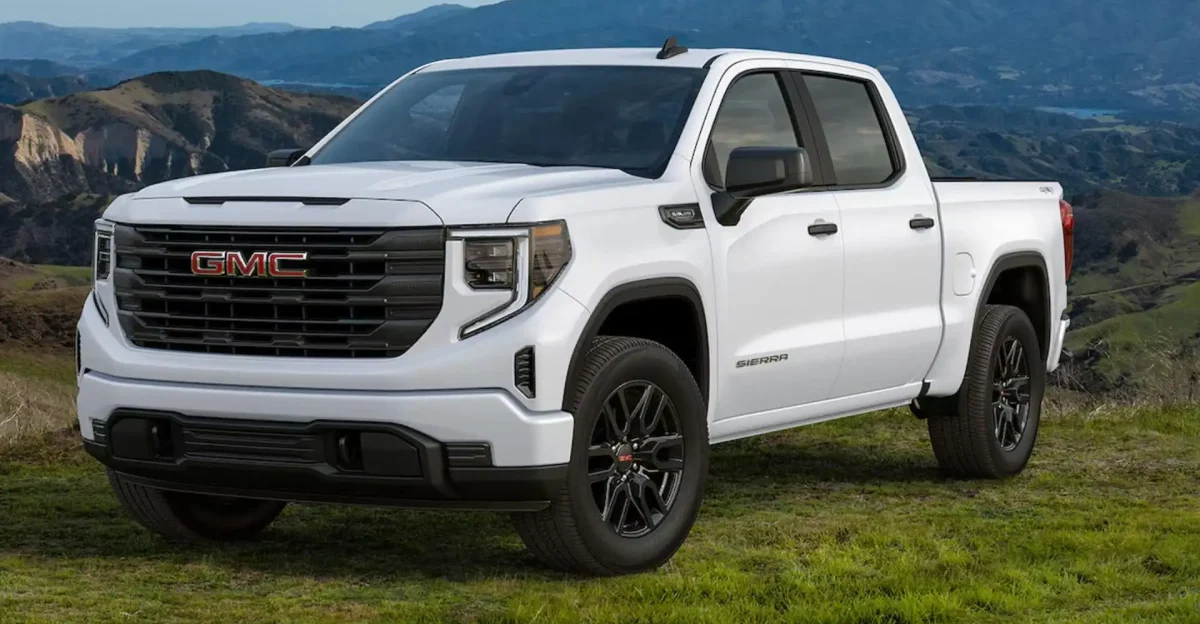
The GMC Sierra 1500 has steadily moved into premium territory, and that shift comes with consequences. High-end trims push pricing closer to luxury levels, while the broader segment average reached $66,157 in February, according to Kelley Blue Book. Buyers still appreciate the design, features, and refinement, but monthly costs now carry more weight in decision-making. Owners may choose to hold onto what they have rather than upgrade, and new shoppers often pause before committing, as the financial gap between desire and affordability continues to widen.
4 — Ram 1500
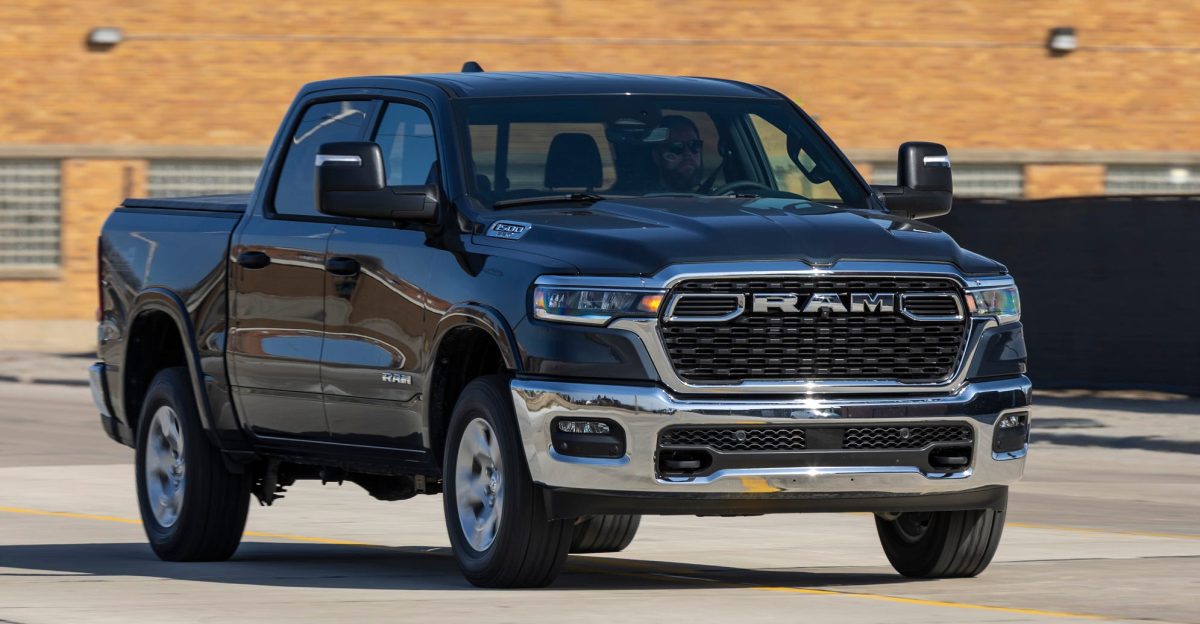
The Ram 1500 shows how quickly a mainstream truck can run into affordability limits. Inventory reports throughout 2026 have pointed to Ram models moving more slowly on dealer lots, especially at higher trim levels. Rising transaction prices and financing costs have made it harder for buyers to justify an upgrade. The truck itself remains competitive and well-regarded, but the environment around it has shifted. What used to be an easy sell now depends heavily on pricing strategy and buyer confidence, which has softened compared to recent years.
5 — Ram 2500
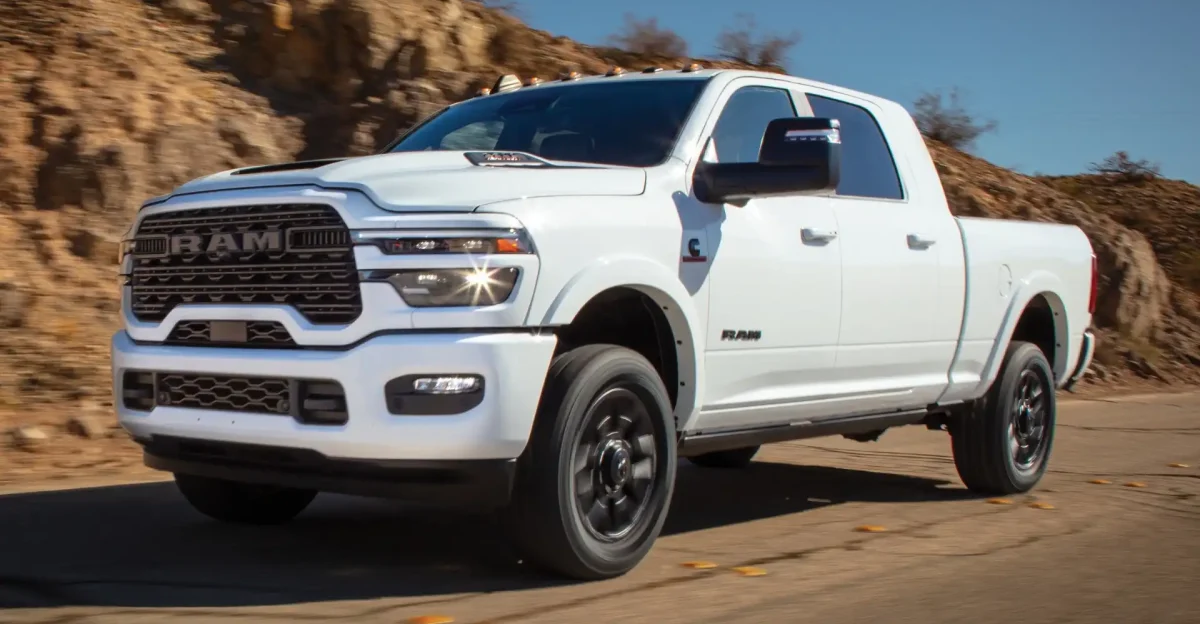
The Ram 2500 highlights the pressure facing heavy-duty trucks in today’s market. These models deliver serious towing and jobsite capability, yet diesel engines and higher specifications push prices sharply upward. Reports from 2026 have shown Ram HD inventory lingering longer than expected on dealer lots. Buyers who need capability still value the truck, but affordability has become a major barrier. That creates a situation where admiration remains high, yet actual purchases slow down, especially as total ownership costs rise beyond what many buyers are prepared to manage.
6 — Ford F-150 Lightning
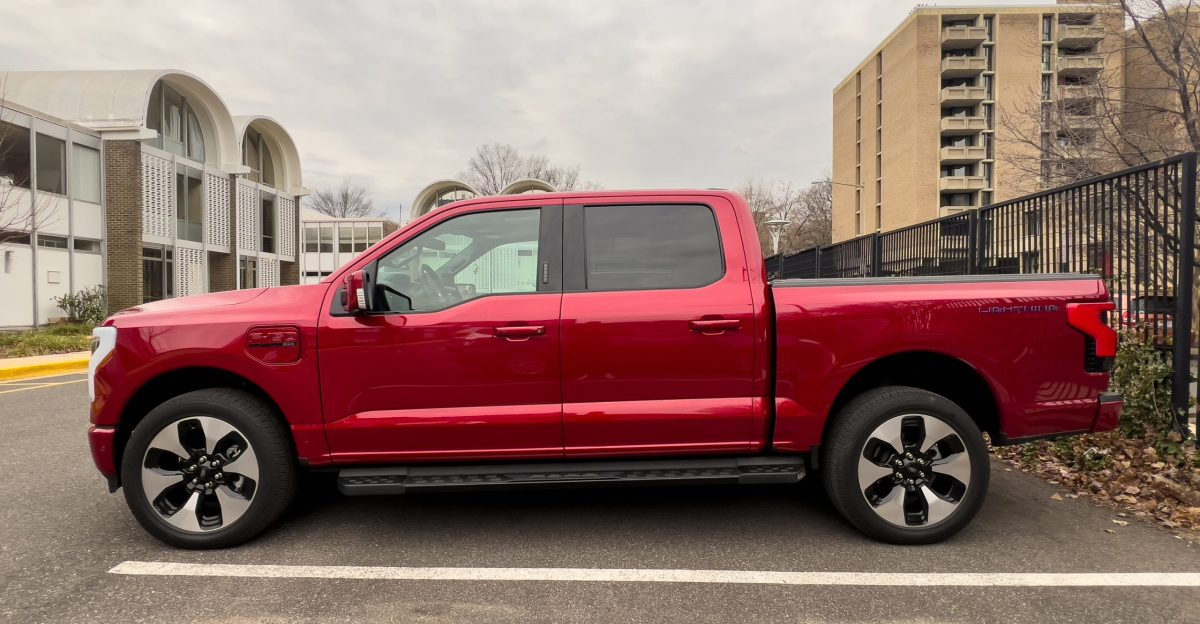
The Ford F-150 Lightning blends a trusted name with a more complex buying decision. Electric truck pricing remains high, and dealer reports in 2026 have repeatedly described slower-moving Lightning inventory as demand cools. Owners who appreciate its instant torque and familiar design often hold onto it, but new buyers hesitate over charging routines, long-term value, and monthly payments. The truck still represents a major shift in technology, yet the broader market has become more cautious, especially when cost and practicality must align in everyday ownership decisions.
7 — Chevrolet Silverado EV
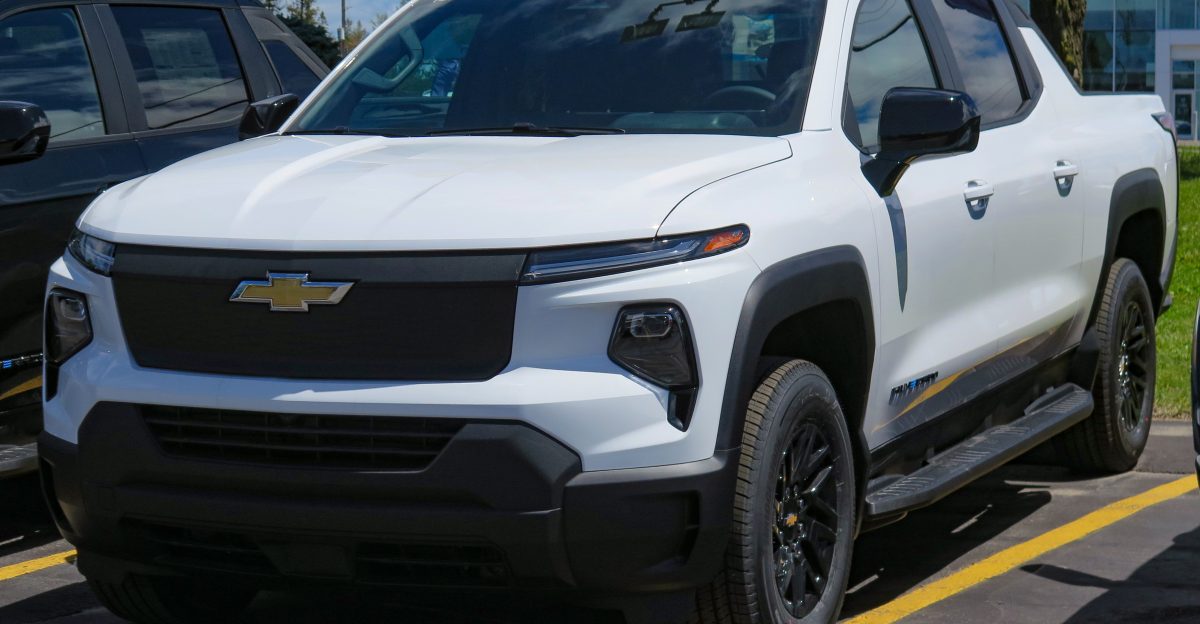
The Chevrolet Silverado EV brings impressive capability, but the market has not fully aligned with its pricing. The Autopian described the Silverado EV as a truck that tows impressively but faces a market that is not fully ready for it yet. That gap matters in a segment already dealing with high monthly payments. Buyers recognize the technology and performance, yet hesitation remains when costs rise beyond expectations. It leaves the Silverado EV positioned as forward-looking, but still working to find its place among more price-sensitive truck shoppers.
8 — GMC Hummer EV Pickup
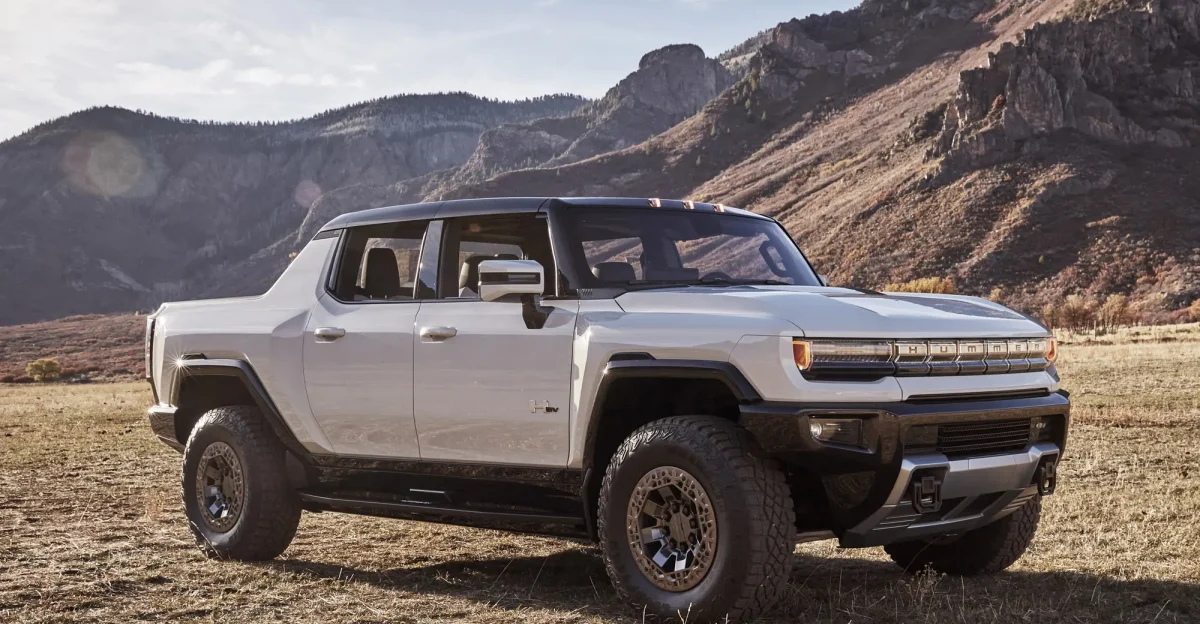
The GMC Hummer EV Pickup stands out for its presence and price. Forbes reported that the most expensive pickups now reach 6-figure territory, and the Hummer EV sits firmly in that range. That level of pricing narrows the buyer pool quickly, even as interest remains strong. Owners may enjoy the design, power, and image, but transactions move slower when affordability becomes a limiting factor. The truck captures attention easily, yet converting that attention into consistent sales has proven far more challenging in today’s market conditions.
9 — Nissan Titan
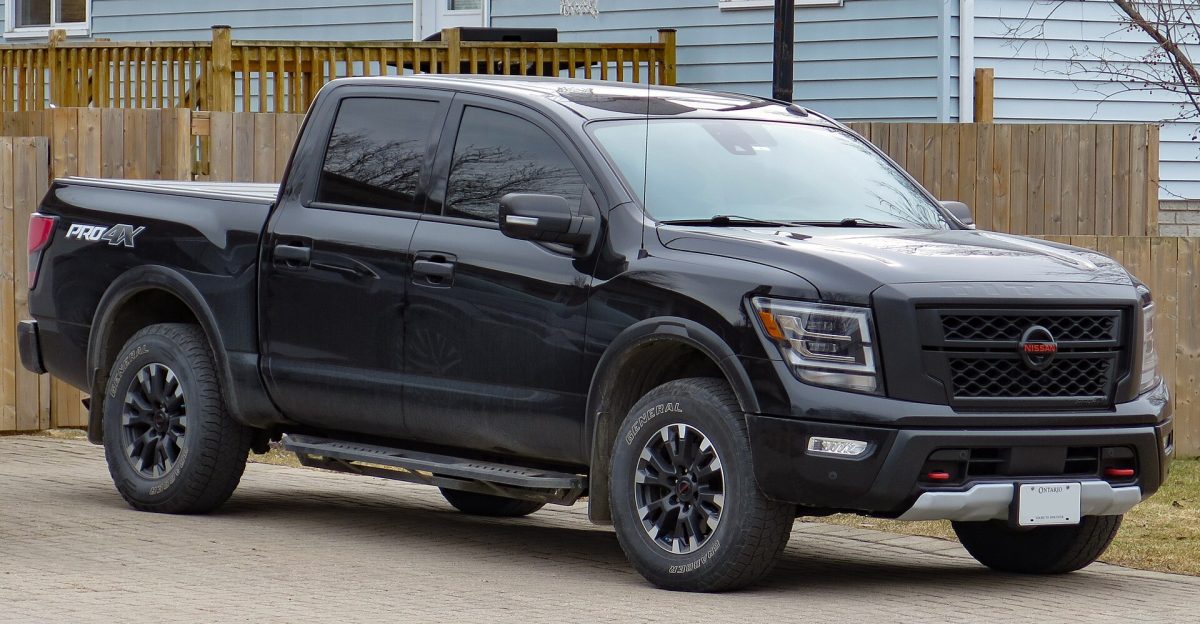
The Nissan Titan faces a different challenge shaped by its discontinuation. Dealer reports in 2026 have shown Titan inventory lingering, and that status can make buyers hesitant about long-term support and resale value. At the same time, current owners may choose to keep their trucks rather than move into a more expensive replacement. That creates a unique tension where supply remains available, yet demand slows. The Titan still functions well as a truck, but uncertainty around its future keeps many buyers on the sidelines.
10 — Jeep Gladiator
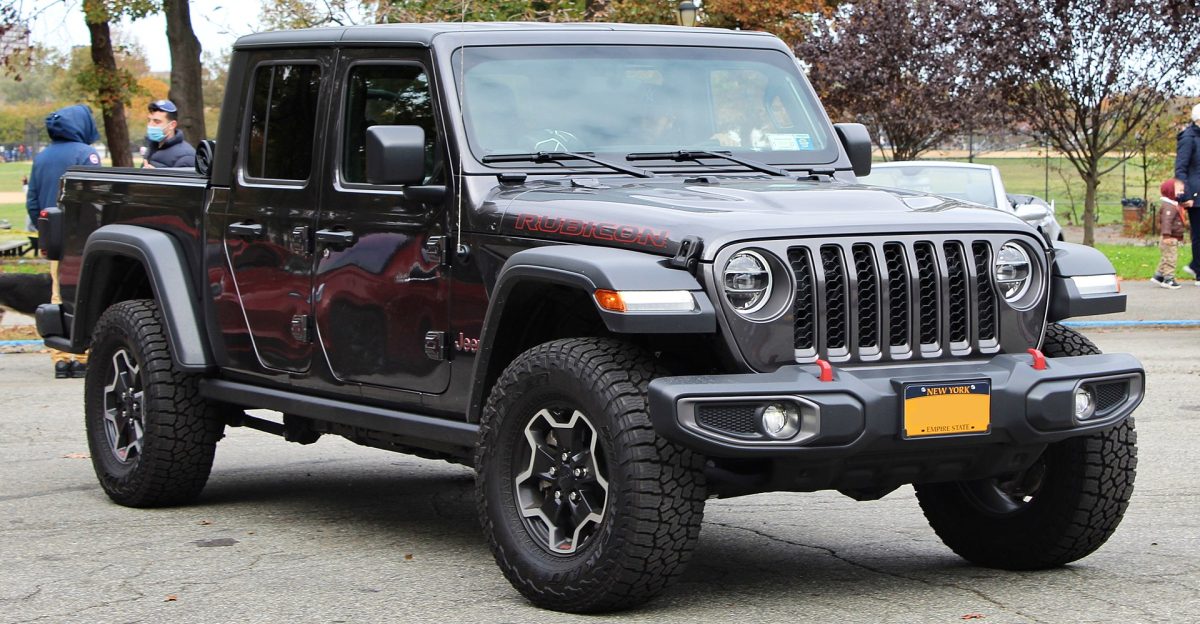
The Jeep Gladiator blends truck capability with lifestyle appeal, and that combination does not always translate into steady sales. Inventory reports in 2026 have placed the Gladiator among slower-moving models, even with discounts in play. Buyers appreciate its off-road identity and design, yet rising borrowing costs make it harder to justify a purchase based on lifestyle alone. The truck still attracts attention, but closing deals has become more difficult as shoppers weigh practicality against price in a more cautious spending environment.
11 — Hyundai Santa Cruz
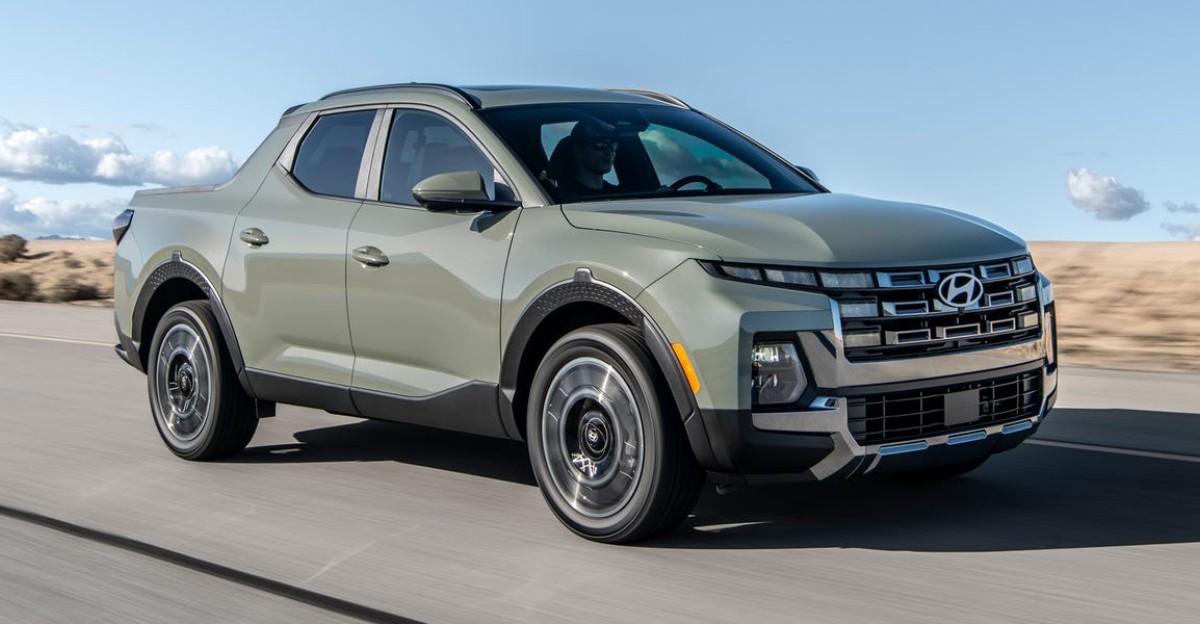
The Hyundai Santa Cruz shows that smaller trucks are not automatically easier to sell. Inventory-focused reports in 2026 have described supply lingering as dealers work through stock. Its blend of crossover comfort and pickup utility appeals to a niche audience, yet buyers often compare it with larger trucks that offer more capability for similar payments. That comparison creates hesitation. Even with its unique design, the Santa Cruz sits in a narrow position where interest exists, but affordability and competition continue to shape final decisions.
12 — Ford Maverick
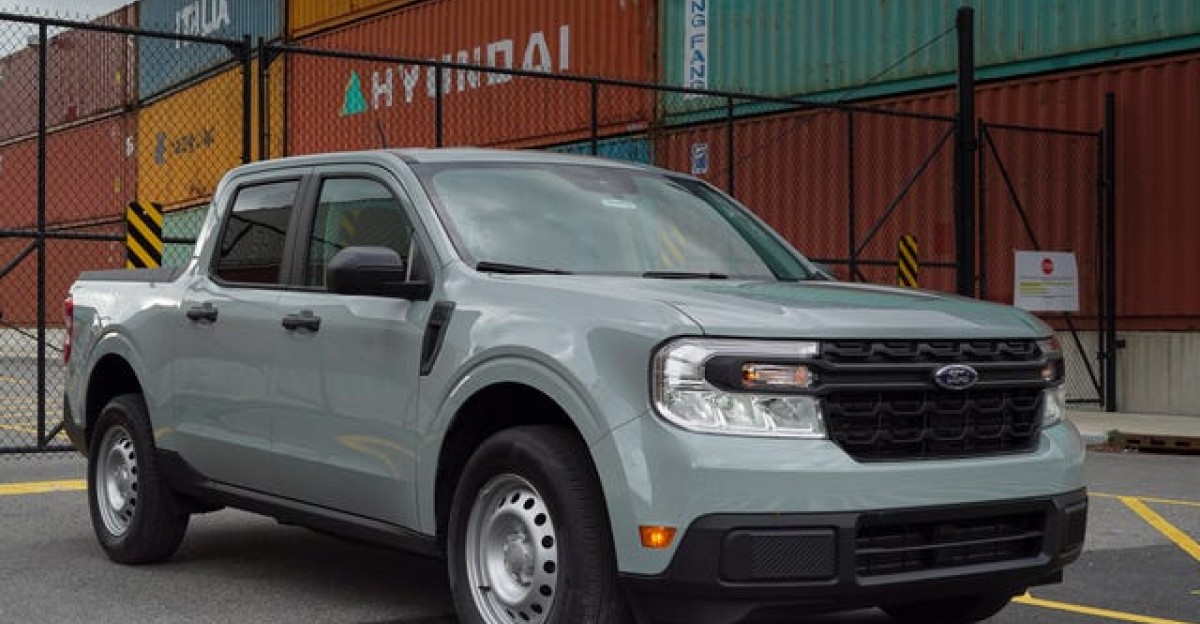
The Ford Maverick began as an affordable entry point into truck ownership, but its story has shifted. Higher prices, added features, and strong demand have pushed newer models beyond the original budget-friendly promise. Ford also issued recalls affecting 2025 and 2026 Maverick models as part of its 152 recall notices in 2025, according to NHTSA-based coverage. That adds another layer of consideration for buyers. What started as a simple value option now carries more complexity, especially for those comparing long-term ownership costs.
Why These Trucks Feel Hard To Move
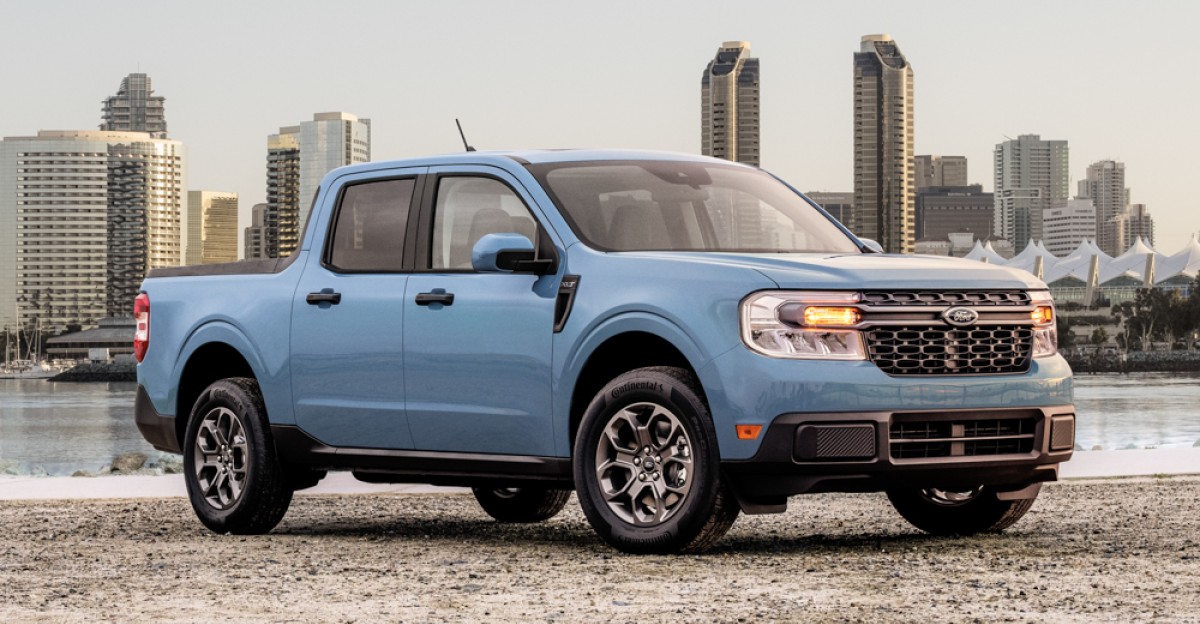
The story behind these trucks reflects a broader market imbalance rather than a lack of interest. Prices remain elevated, with full-size pickups averaging $66,157 in February, while supply continues to build across dealer lots. Financing costs, negative equity, and recall activity, including Ford’s 152 notices in 2025, all add friction to buying decisions. Trucks remain desirable, yet affordability has reshaped how buyers approach them. That combination explains why inventory lingers and why even popular models now take longer to sell.
Sources:
Kelley Blue Book Report: New-Vehicle Price Gains Accelerate in February as Transaction Prices Rise Faster Than Recent Trends. Kelley Blue Book, March 10, 2026.
Ford Recalls More Vehicles Than Any Other Automaker in 2025. Dealership Guy, January 4, 2026.
Ford Shatters Decade-Old Recall Record With 152 Safety Alerts Issued This Year Alone Across Multiple Models. Fox 32 Chicago, December 25, 2025.
15 Models Dealers Can’t Sell | It’s Getting Worse in 2026. YouTube, January 19, 2026.
These 10 Trucks Are SITTING UNSOLD in 2026 — Here’s Why! YouTube, March 26, 2026.