
12 Car Problems That Cost More To Fix Than The Car Is Worth
The average car on American roads is 12.8 years old, an all-time high, according to S&P Global Mobility’s May 2025 report. That didn’t happen because people love old cars. It happened because “just keep fixing it” became the only option available to millions of families.
There are 12 specific failures where that strategy stops being smart and starts being catastrophic. Some arrive with warning… most don’t. Here’s what they cost, and why the estimate sometimes ends the vehicle’s life entirely.
1. Engine Replacement: The Number That Makes Grown Adults Go Quiet
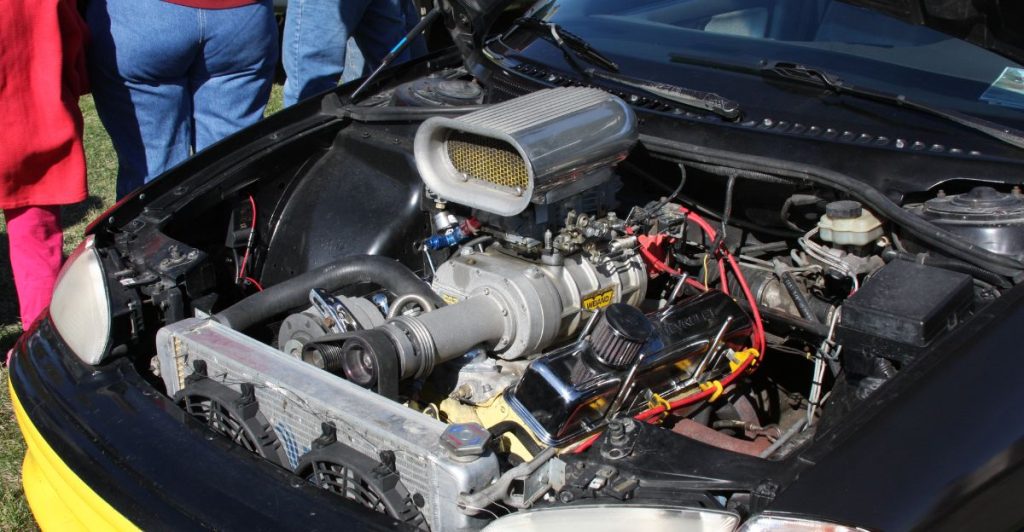
Nobody walks in prepared for this. A replacement long block runs $4,000 to $7,000 for the part alone. Labor adds another $700 to $3,000. Total installed: $5,000 to $10,000 on a car that might clear $6,500 on a strong day.
GM’s Active Fuel Management system, found across millions of Silverados, Tahoes, and Suburbans, has a well-documented pattern of collapsed lifters sending metal debris through the entire oiling system, turning an engine not just inoperative but unsalvageable. This is not a DIY job. That estimate doesn’t sting. It ends the conversation.
2. Transmission Failure: The Repair That Strands You Before It Bills You
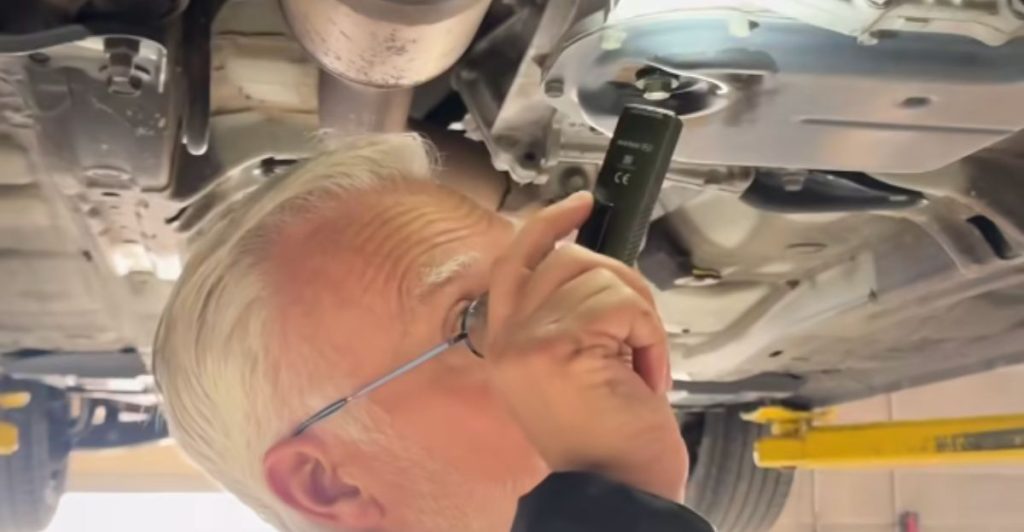
The transmission rarely fails all at once. It slips, hesitates, shudders, until one day it doesn’t engage. Nissan’s CVT failures across millions of Altimas, Sentras, and Rogues are a documented case study: shuddering, overheating, then nothing. Replacement runs $3,500 to $5,000. On a 2014 Altima worth $7,000, that’s half the car’s value in a single estimate.
Extended warranties and third-party vehicle service contracts sometimes cover transmission failure if you bought coverage before the symptoms started. Without it, it’s the whole unit or a different car.
3. Timing Belt Failure: Zero Warning. Total Destruction
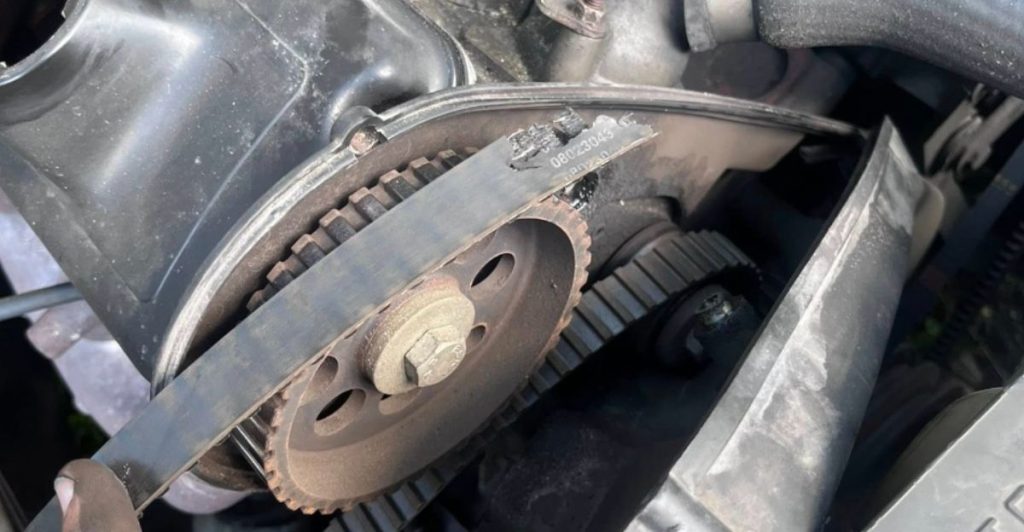
The timing belt doesn’t squeak before it fails. It simply snaps — mid-drive, mid-highway. In the vast majority of modern vehicles with interference engines, what follows is mechanical execution: the crankshaft keeps spinning, the camshaft stops, the pistons slam into open valves.
Preventive replacement runs $800 to $1,200, a straightforward shop job, not a wallet-breaker. Skip it, and engine damage runs $4,000 to $14,000. No extended warranty covers damage caused by deferred maintenance. The belt has no interest in which column you’ve been putting your money in.
4. Head Gasket Failure: The Repair That Gets More Expensive Every Day You Wait
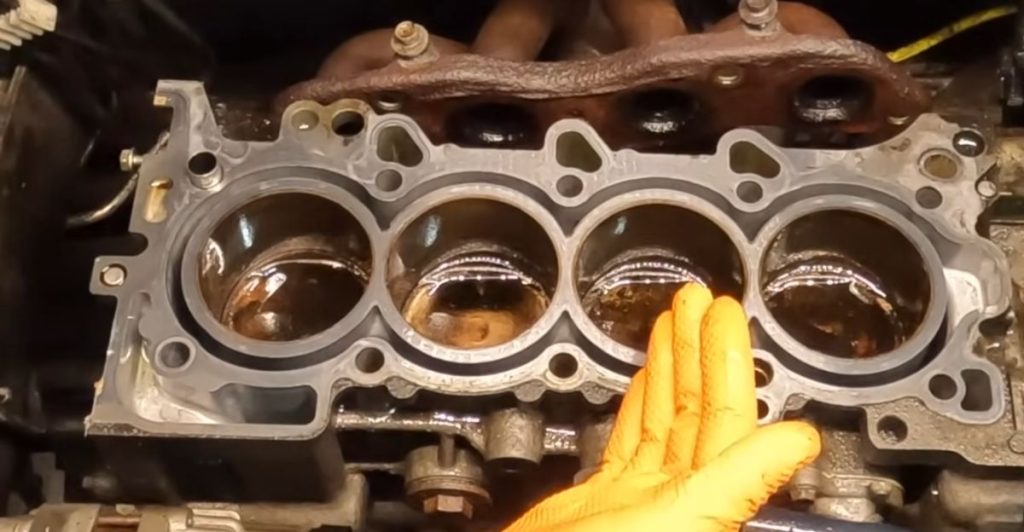
The head gasket keeps combustion gases, coolant, and oil in their separate lanes. When it fails, repair estimates run from $2,886 to over $9,000. That’s if you move fast. The white exhaust smoke you’ve been calling “just condensation” is coolant burning in the combustion chamber. Every day it continues, coolant seeps deeper into adjacent cylinders, warps the head, and corrodes the block.
A $3,500 head gasket repair becomes a $10,000 engine replacement once it crosses into total engine failure. The only variable is how long you waited.
5. Catalytic Converter Failure: Two Problems, One Massive Bill
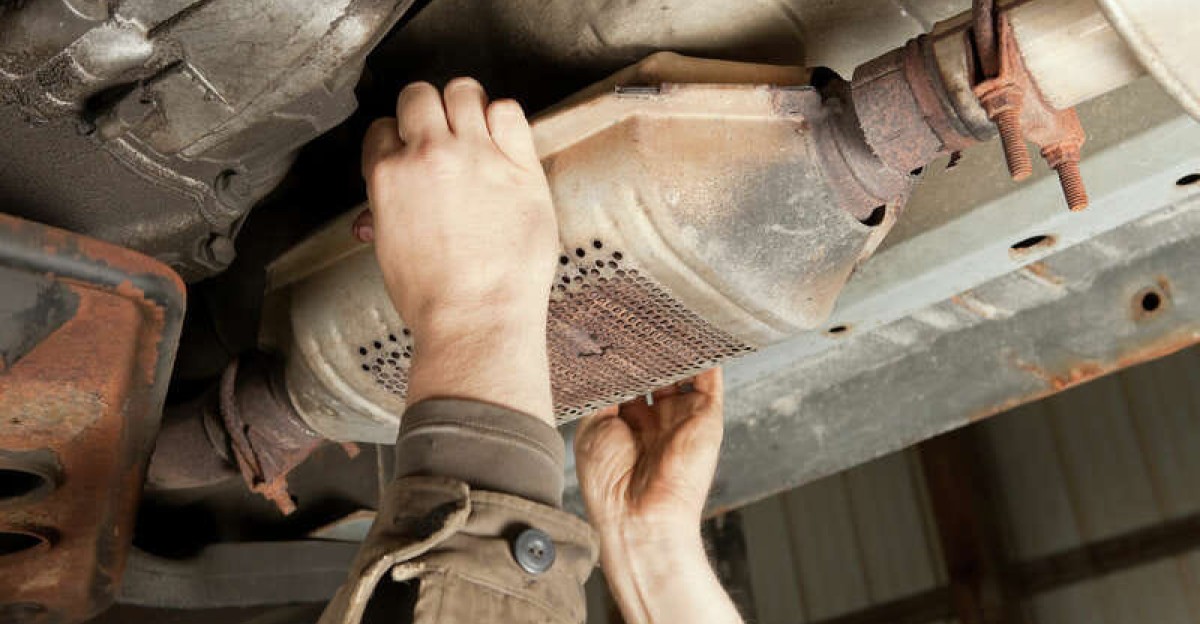
The catalytic converter uses platinum, palladium, and rhodium to neutralize toxic exhaust, which is why thieves hit parked cars with angle grinders, and why replacement costs far more than most expect. On high-mileage vehicles, converters typically fail because something upstream, such as misfires, burning oil, or a slow coolant leak, has been destroying the substrate for months.
Replace it without fixing the root cause, and you’re buying the same failure again within two years. Full replacement with diagnosis runs $1,500 to $2,500. Comprehensive auto insurance doesn’t cover mechanical failure; it only covers theft. On a $5,000 car, that math lands hard.
6. Suspension System Collapse: The Problem That Borrows From Your Future
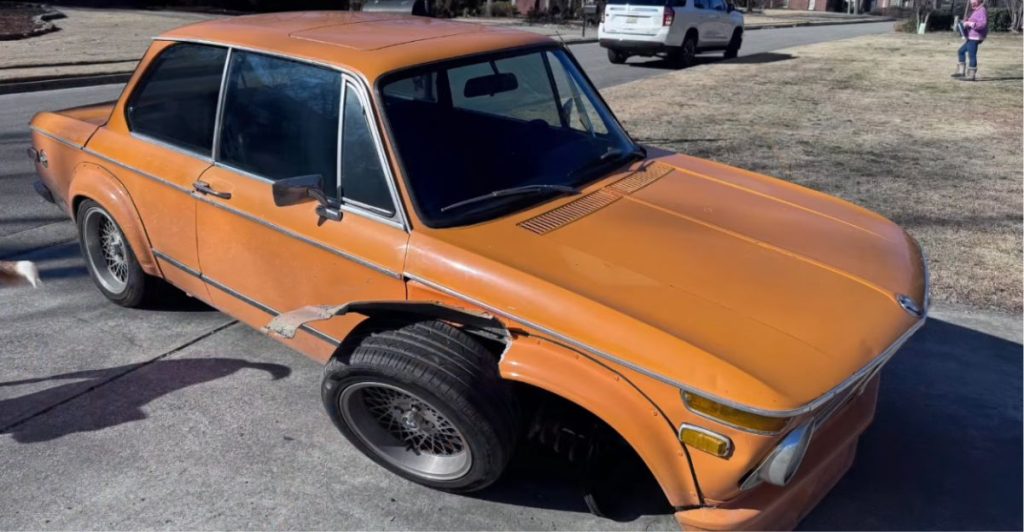
Suspension failure arrives as an inconvenience that becomes an emergency slowly, a shimmy at speed, uneven tire wear, or a clunk over rough pavement. You can drive on it for a while. Major suspension work across all four corners runs $1,500 to $3,000 or beyond.
Experienced DIYers can handle struts and control arms with the right tools, but alignment requires a shop, and skipping the alignment after suspension work defeats the purpose entirely. By the time most people act, the bill has grown from the original problem to the original problem plus everything it damaged along the way.
7. Structural Rust and Frame Damage: The One Most Shops Won’t Even Quote
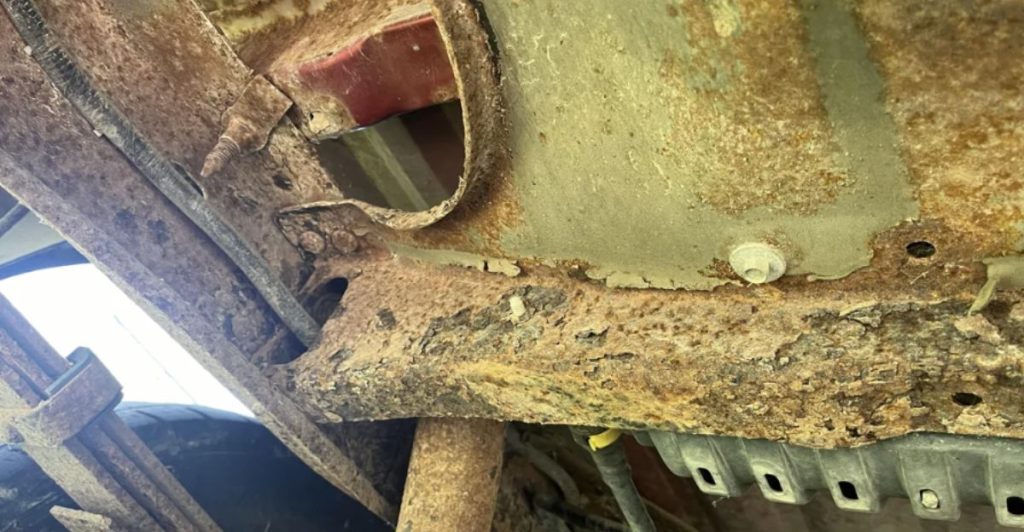
Pull the floor mats on a rust-belt vehicle, and you sometimes find daylight. That is not a figure of speech. When corrosion reaches structural rails, subframe mounts, or the unibody sections that everything else depends on, most shops decline the job. The ones that take it require a frame specialist and labor running $2,000 to $5,000 before a single part is ordered.
No warranty covers rust damage, and comprehensive insurance only applies if corrosion caused a covered loss event. This isn’t a repair. It’s a negotiation with physics, and physics does not offer payment plans.
8. Electrical System Failure: The Shop Charges Whether They Find It or Not
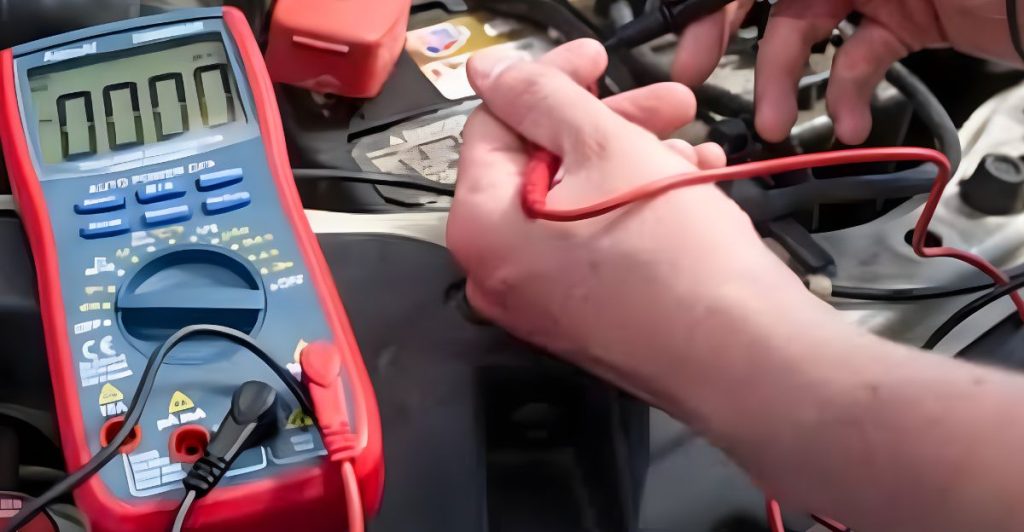
Aging wiring fails in ways that resist diagnosis, unexplained dead batteries, fault codes that clear themselves, and dash lights that behave differently on the highway than in the shop. Electrical diagnosis is billed by the hour regardless of outcome. A technician can spend five hours tracing a short in a 13-year-old harness, find nothing conclusive, and hand you a $600 bill before a part is touched.
Confirm the fault, add a corroded body control module, and you’re at $1,500 to $3,000. Extended vehicle service contracts can cover electrical component failures. Read the exclusions list carefully before assuming yours does.
9. AC Compressor Failure: Not a Luxury Problem in July
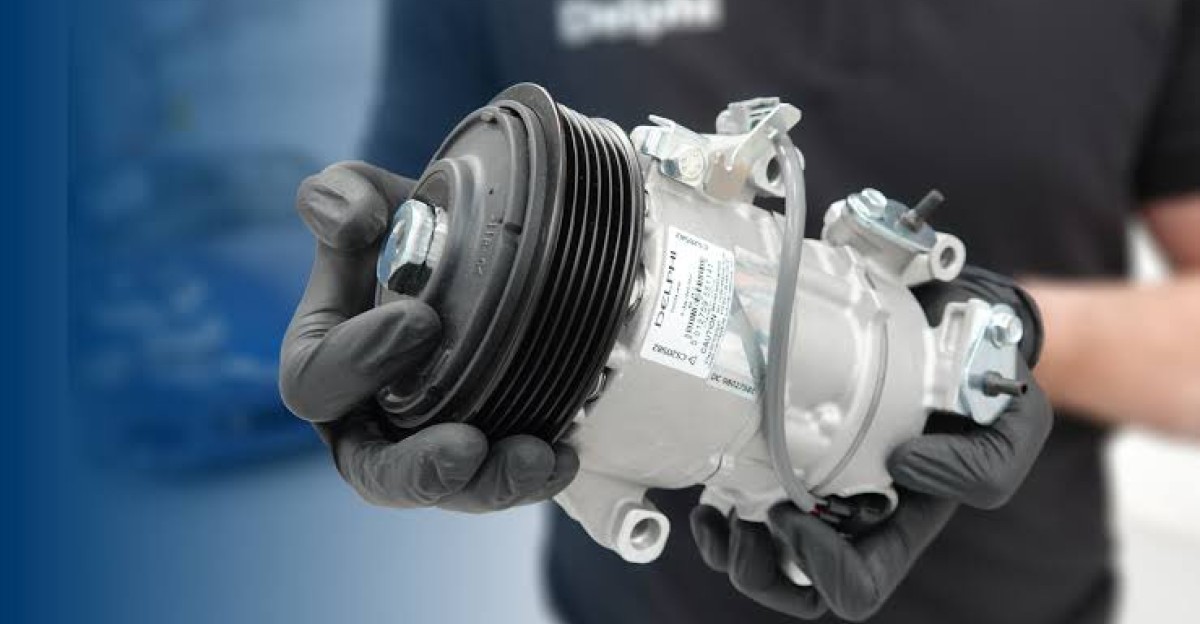
When an AC compressor seizes, metal debris travels through the entire refrigerant circuit, contaminating the condenser, receiver-drier, and expansion valve simultaneously. Full system replacement runs $1,200 to $2,000 on mainstream vehicles. In Phoenix in August or Dallas in June, this is not a comfort conversation. Recharging a system yourself is a common DIY move, but a seized compressor with debris contamination is a full shop job with no shortcuts.
When the estimate represents 30 percent of the car’s market value stacked behind other deferred items, the broken AC doesn’t just break the AC. It breaks the argument for keeping the car.
10. Brake System Failure: The Only Item Here You Cannot Defer
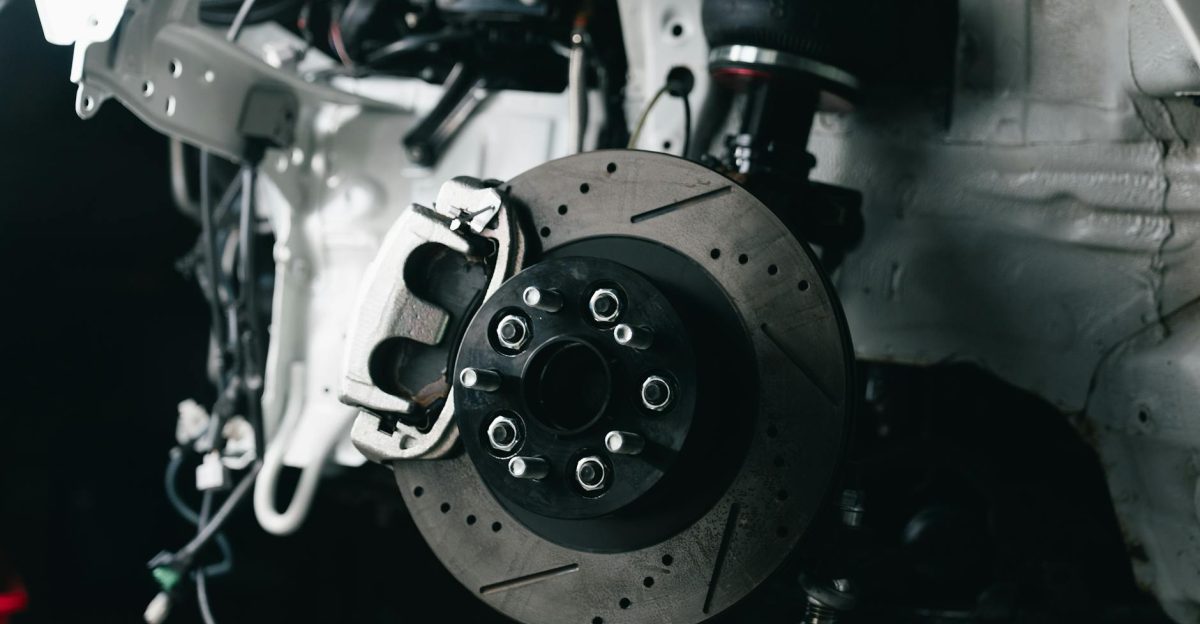
Routine pads and rotors are manageable and a legitimate DIY job for anyone with jack stands and an afternoon to spare. The expensive version is different: master cylinder failure, ABS module failure, and corroded brake lines failing together on a high-mileage vehicle, pushing the cost of a full overhaul to $1,500 to $3,000. ABS module failures are shop-only territory, and most extended warranties cover them, but corroded lines on a 12-year-old northern vehicle usually aren’t.
When a shop confirms safety-critical brake failure, there is one direction: fix it now. The estimate reflects that reality with zero apology.
11. Power Steering Failure: One Repair That Arrives With Three More
Hydraulic rack-and-pinion replacement runs $1,200 to $2,200 installed. A full electric power steering rack reaches $2,000 to $3,000. Steering failure rarely arrives alone; progressive misalignment destroys tire tread, column binding stresses wheel bearings, and handling unpredictability compounds at speed. By the time the rack is confirmed failed, the list has grown: alignment, two tires, bearing inspection.
Four bills, one root cause. Some extended service contracts cover rack replacement but exclude the downstream damage it caused. On a vehicle already at the value threshold, that isn’t one decision — it’s the decision.
12. Fuel System Failure: When the Car Decides It’s Done
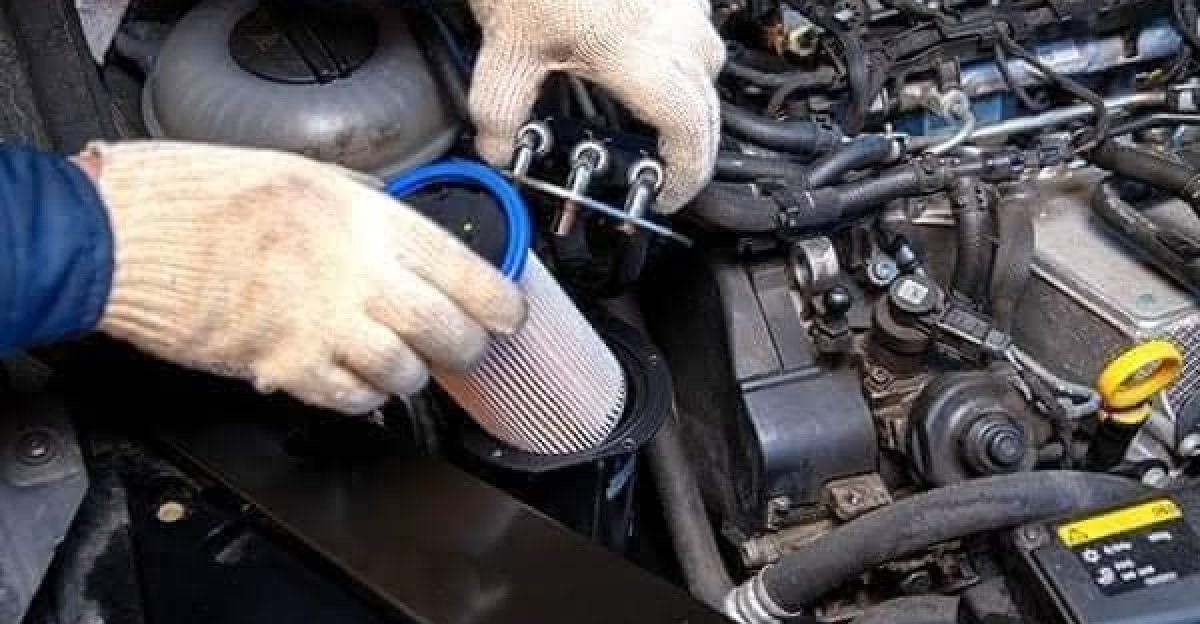
A dead fuel pump is blunt: engine cranks, nothing fires. Pump replacement runs $400 to $900, and an in-tank pump is manageable DIY territory for a mechanically confident owner. The expensive version arrives when the pump failure is a symptom: varnished injectors, clogged fuel rail, degraded pressure regulator, compromised lines throughout.
Full fuel system restoration reaches $2,000 to $3,500. On a $4,000 car carrying two other deferred items. At some point, keeping an old car running isn’t frugal; it’s paying the same bill in smaller installments while the car quietly generates new ones.
The 50% Rule: The Only Math That Cuts Through the Noise
One decision benchmark cuts through all of it: if a single repair costs more than 50 percent of your vehicle’s current market value, the math justifies replacement. On a $6,000 car, that’s $3,000. A 2013 Nissan Altima with a dead CVT crosses that line and the annual-cost-threshold simultaneously, and no extended warranty will touch a transmission that was already slipping when you bought the coverage.
Secondary check: annual repairs exceeding 10 percent of a comparable new car’s price means the trajectory points one direction. The 50% Rule doesn’t negotiate with sentiment. It’s arithmetic.
The Real Story Has Nothing to Do With the Car
S&P Global Mobility’s 2025 data shows 65 percent of the U.S. fleet is now six years old or older. Experian’s Q4 2025 report puts the average new-car payment at $767 per month. Bankrate’s 2026 Emergency Savings Survey found that just 47 percent of Americans have sufficient liquidity to cover a $1,000 emergency… meaning more than half do not.
The average annual repair bill runs roughly $800. For more than half of American drivers, one problem from this list doesn’t threaten the car. It threatens the month. That’s the real story.
Sources
U.S. Vehicle Age Rises Again to 12.8 Years in 2025 — S&P Global Mobility
State of the Automotive Finance Market Q4 2025 — Experian Automotive
Bankrate’s 2026 Annual Emergency Savings Report — Bankrate
Adapting to Change: Subprime Borrowers Re-entered the Market in Q4 2025 — Experian Insights
Timing Belt Replacement Cost: Complete 2025 Guide — Rohnert Park Transmission
Head Gasket Replacement Cost (2026) — ConsumerAffairs