11 Modern Car Features That Look Cool But Aren’t Worth Your Money
Today’s cars are packed with flashy tech, fancy buttons, and futuristic tricks but not everything actually makes your drive better. In fact, many features that sound premium on paper end up being more annoying, unnecessary, or overpriced in real life. From overhyped touch controls to pointless driving aids, here are the 11 modern car features that look impressive but deliver very little value where it counts.
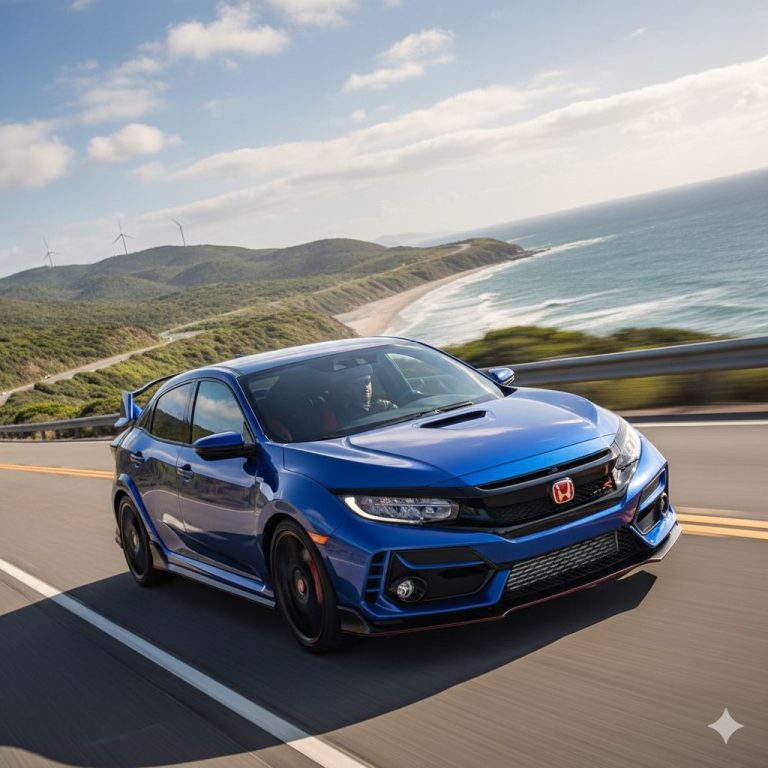
Honda Civic
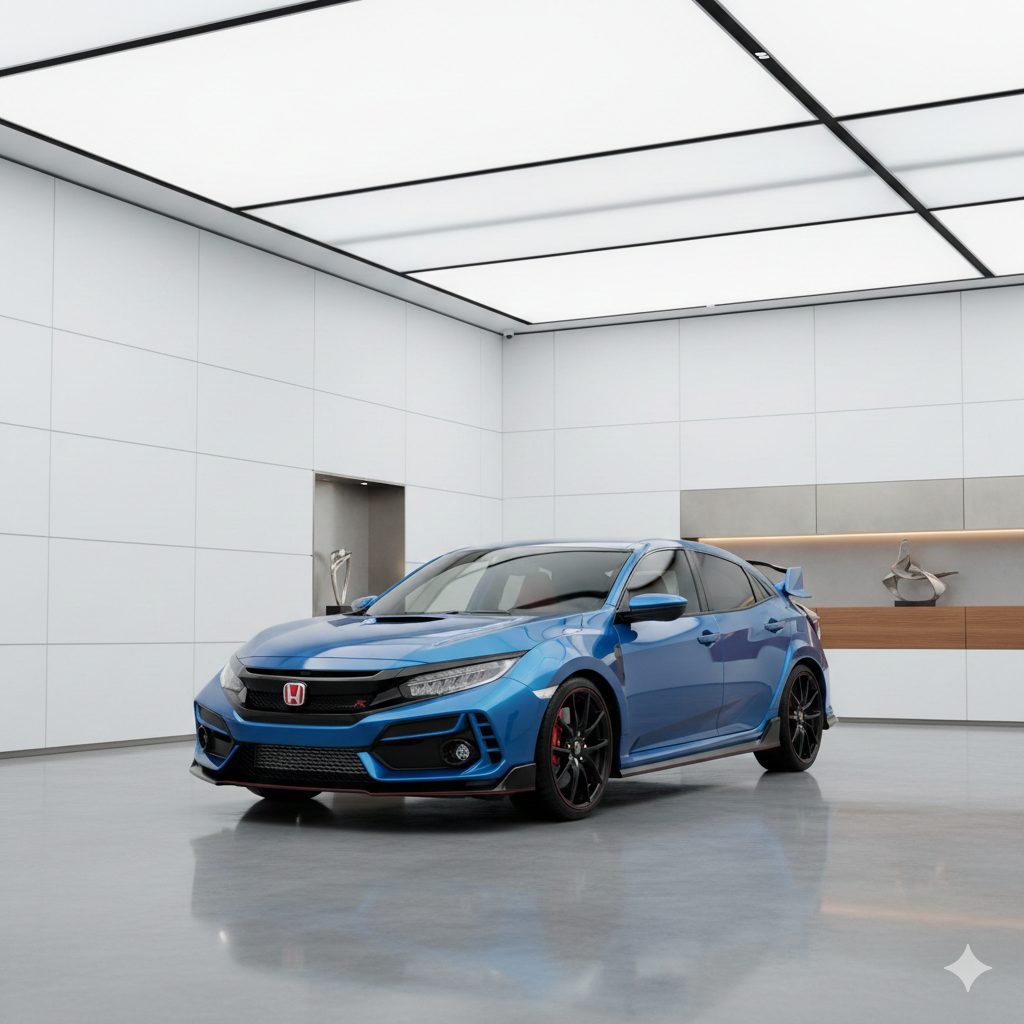
So the Civic, right? It’s a solid car, dependable, good fuel economy, all that jazz, like the kid in class who always does their homework and never causes drama. And the price? Around $25,000, which is pretty much where the newer Civics sit these days, give or take a bit depending on trim. But then they add stuff like that fancy touchpad-style infotainment and all-touch controls and suddenly simple things feel harder than they need to be, you know? You’re there poking at the screen just to change a radio station, and it kinda feels like using a tablet from 2013 while bouncing over potholes. Honestly, big fan of physical knobs and buttons; the car itself is great, but some of the “modern” tech just feels like extra homework.
Tesla Model 3
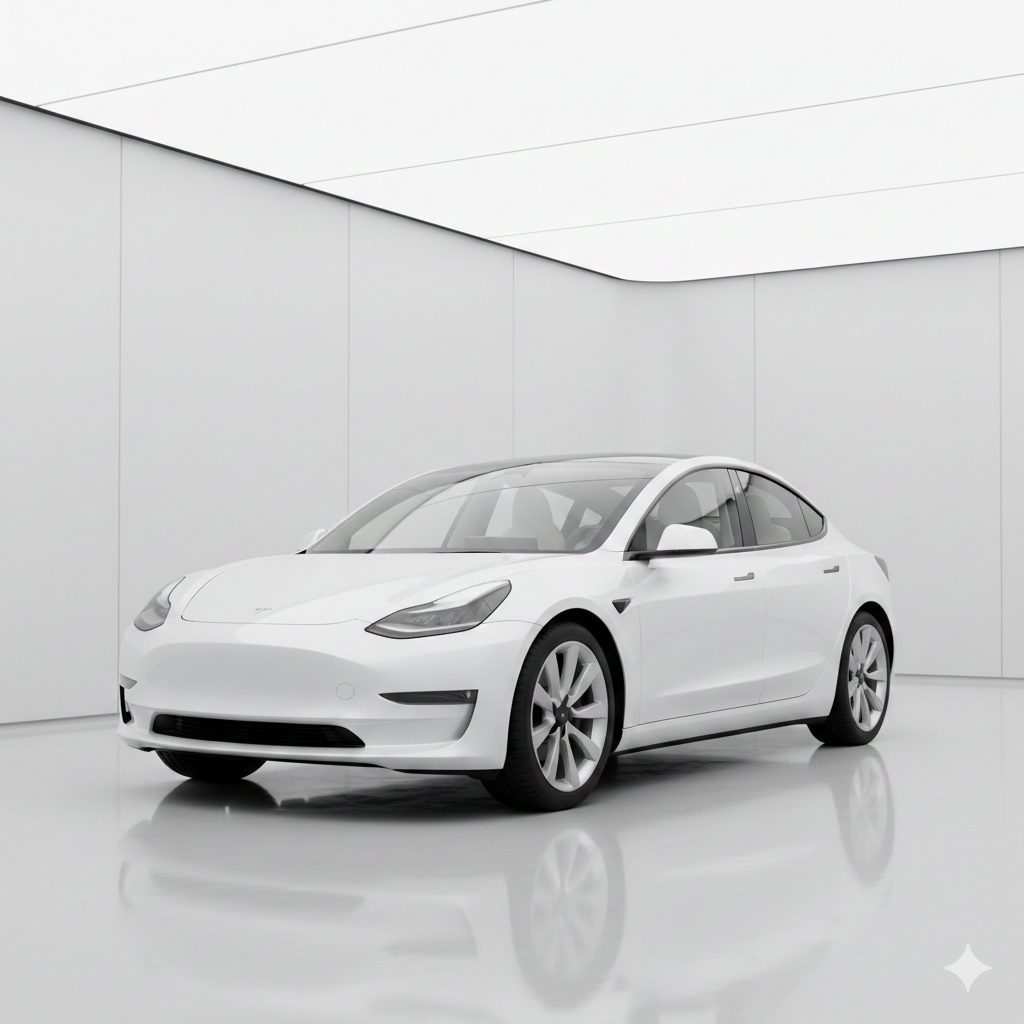
Okay, Tesla people are gonna hate this, but the Model 3 is like that friend who’s super talented but also kinda extra. The giant center screen is cool and all, and yeah, over-the-air updates are fun, but when literally everything is buried in menus, from opening the glovebox to adjusting mirrors, it starts to feel… tiring. The base car hovers around the low-$40,000s these days depending on spec, so it’s not exactly cheap either. And then you get those minimal stalkless controls and weird little touch buttons and you’re like, “uhm, can there just be a normal stalk like every other car?” It’s fast, it’s clean, it’s smart, but some of the “wow” tech honestly feels like it’s trying a bit too hard to be different just for the sake of it.
BMW 3 Series
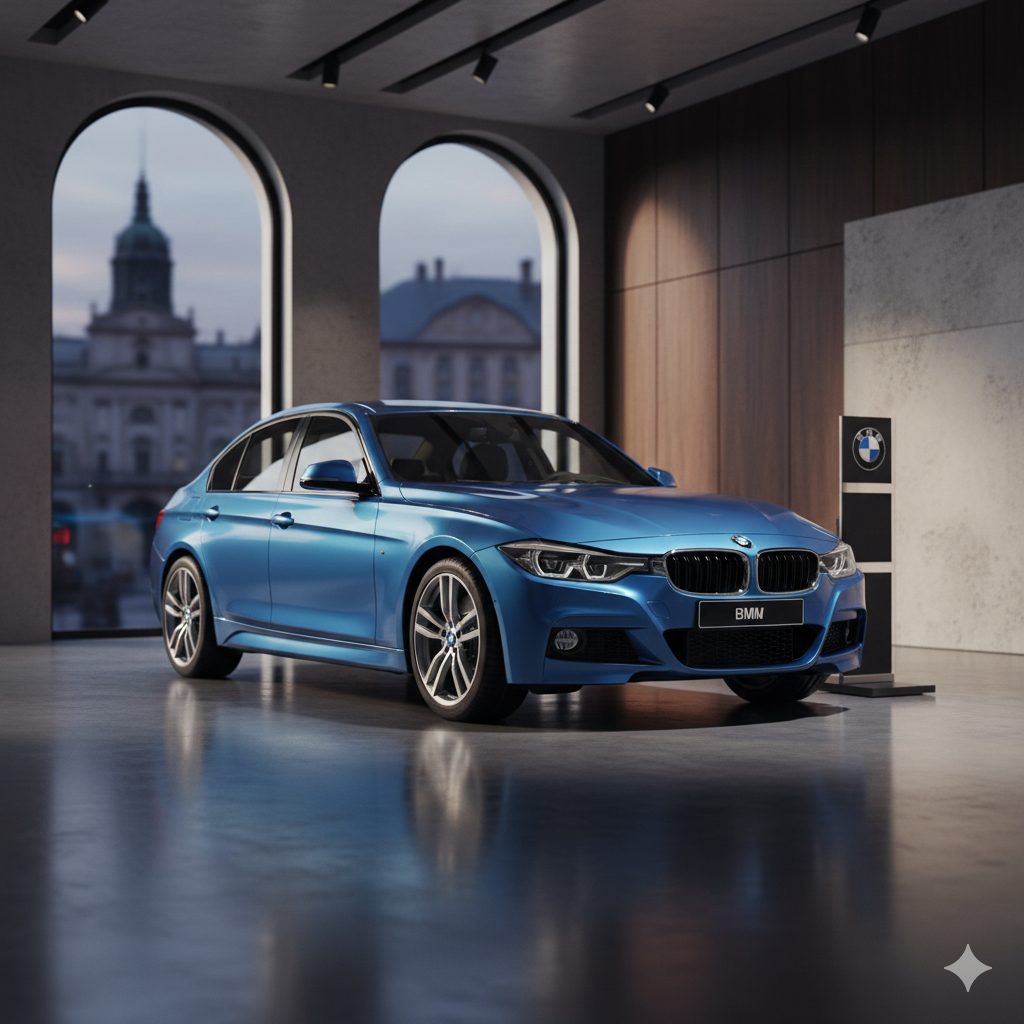
The 3 Series is like the classic “I’ve made it (kinda)” car, super fun to drive, tight steering, feels sharp, all that. But then there’s gesture control, and that’s where things go off the rails a bit. Waving a hand around in front of the screen to turn the volume up sounds futuristic, but in real life it’s more like doing bad karaoke with your dashboard. Sometimes a little accidental hand movement and boom, volume jumps or something random happens, and it’s just… why? The car doesn’t need that to be good; it already is good. It’s like adding sprinkles on an already decent coffee nice for a second, then kinda pointless.
Hyundai Elantra
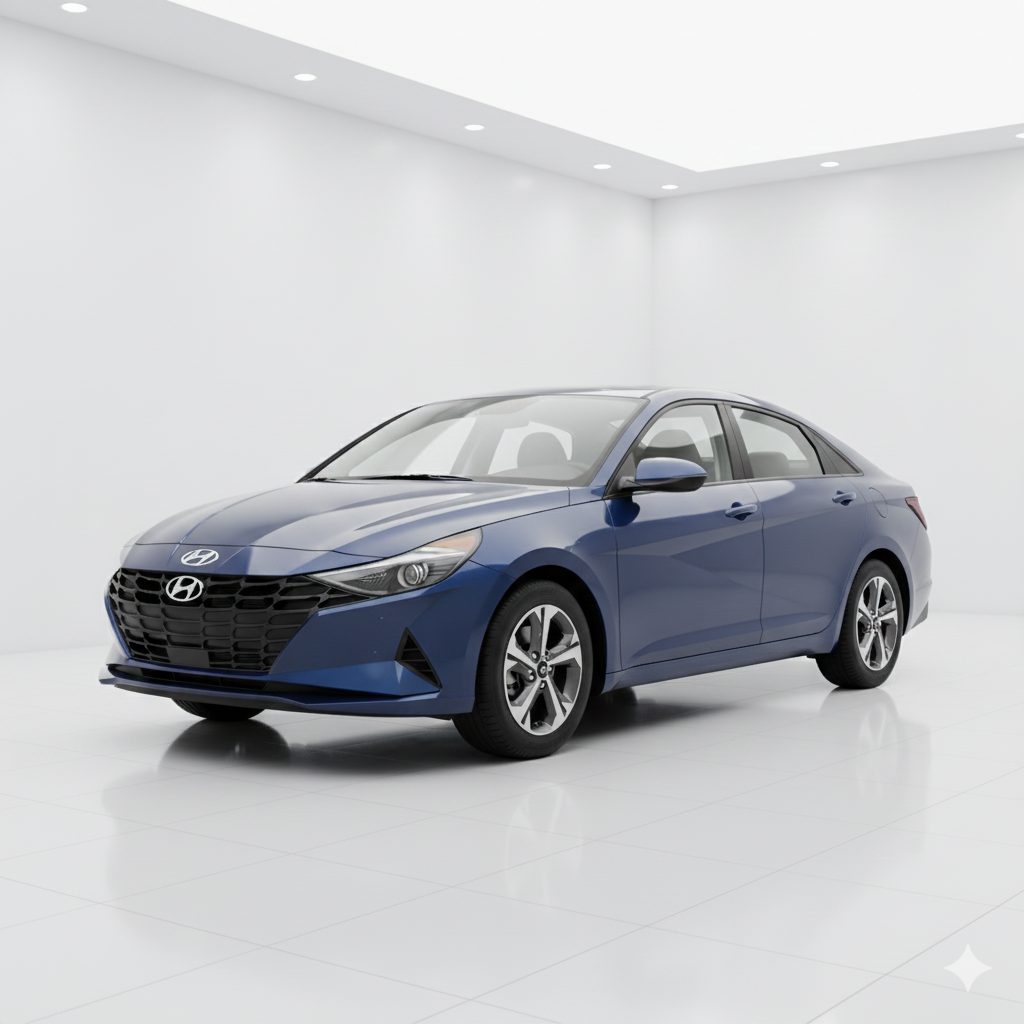
Hyundai’s been on a roll lately, honestly, the Elantra gives a lot for the money, comfy, efficient, pretty sharp-looking too for a compact. But that built-in voice assistant thing? Yeah, that’s where it gets a little gimmicky. You press the button, say something like “hey, take me to the nearest coffee shop,” and it either doesn’t get it or sends you somewhere weird and random. Half the time it feels easier to just use Google Maps or Apple CarPlay and be done with it. The car is good value, like low-20k-ish, and totally fine as a daily, but that voice control stuff kinda feels like a feature they added just so they could say “we have voice AI too.”
Audi A4
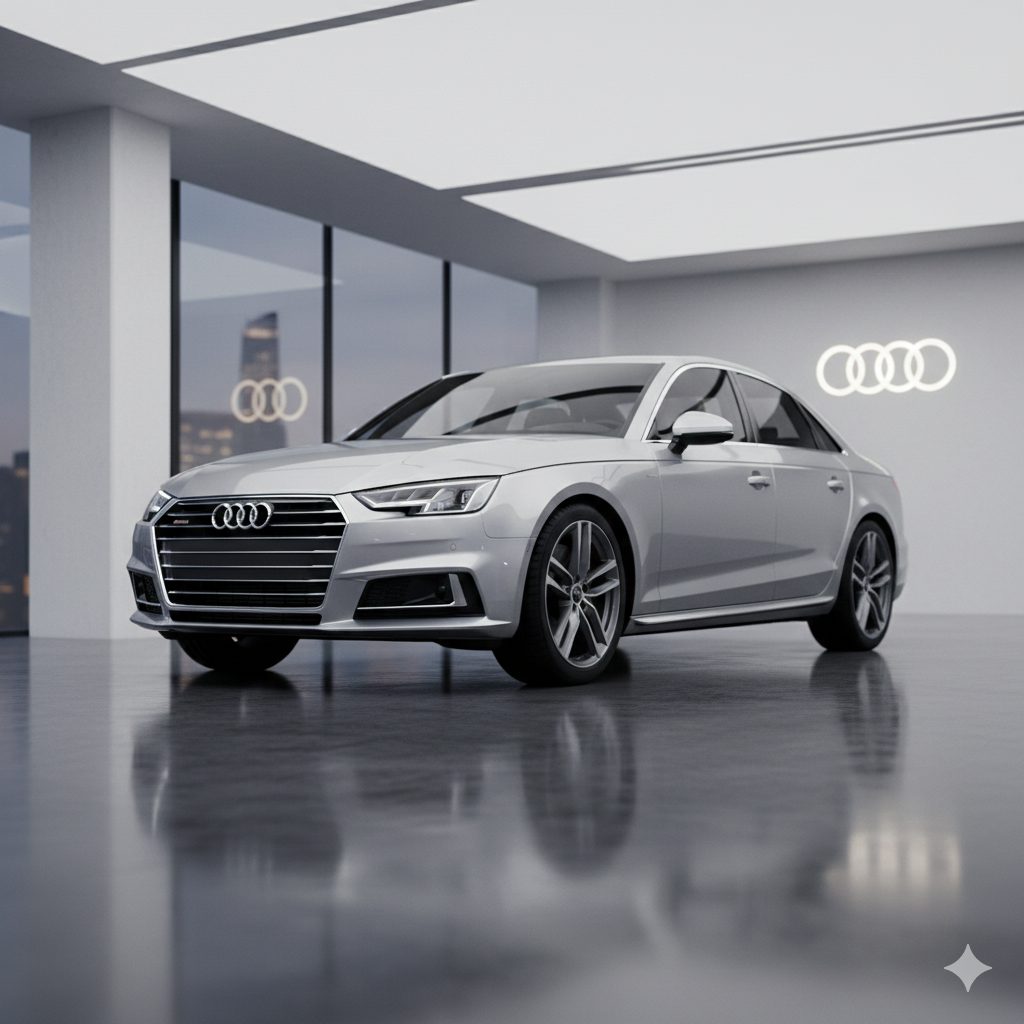
The A4 is like that quiet rich kid subtle but very put together, smooth ride, nice cabin, everything soft-touch and clean. But the whole fully digital “virtual cockpit” sometimes feels like information overload, especially when you’ve got maps, media, car data, everything layered in front of you at once. It’s cool to look at for the first week, you spin through the menus like “whoa, look at this,” and then eventually you just use it as a slightly fancy speedometer. All that tech is neat, but for normal boring stuff like commuting to work or grabbing groceries, it’s kinda overkill, like wearing a tux to buy milk.
Toyota Camry
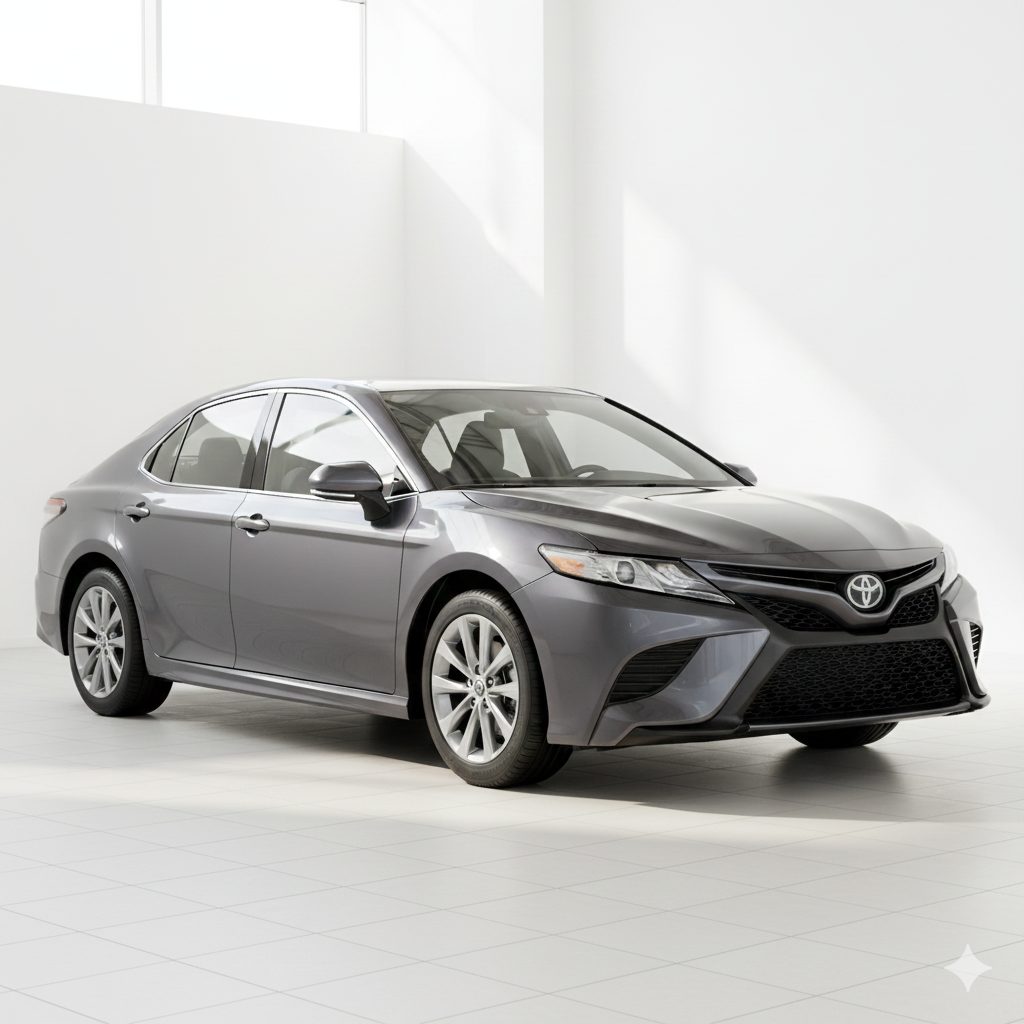
The Camry is just… solid. It’s like the reliable friend who always shows up on time and never forgets your birthday. Good ride, comfy interior, nice safety rating, price floating in that mid-$20,000s-ish range for a lot of trims, which is fair for how long these things usually last. But some of the safety nannies, especially lane departure alerts and steering assist, can get a bit naggy. You drift a hair inside your lane and it’s already beeping or gently tugging at the wheel like it’s offended. It’s all well-intentioned, obviously, but sometimes it feels like the car doesn’t trust the human at all, which gets old on longer drives.
Ford Mustang
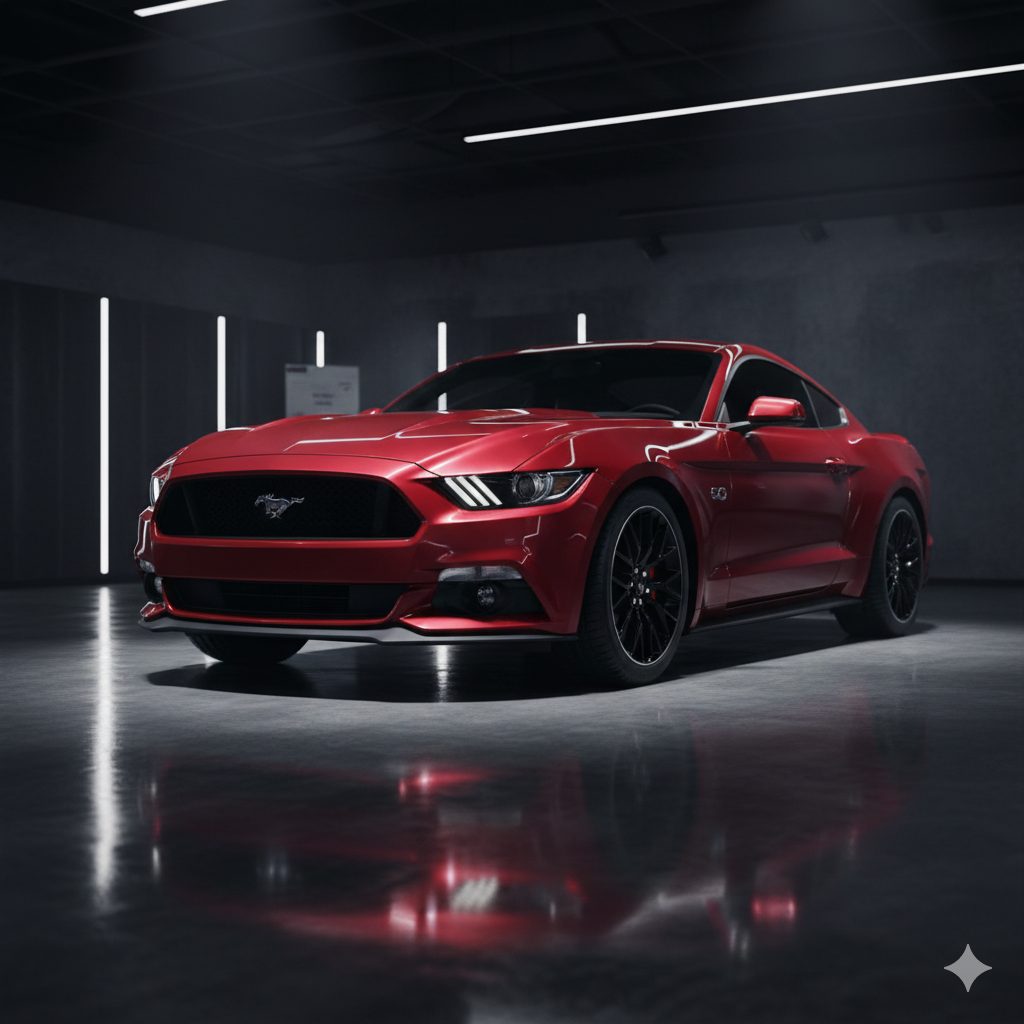
The Mustang is pure attitude, you look at it and it just kinda growls at you even when it’s off. The drive modes though Normal, Sport, Track, Drag, Wet, Snow, whatever—they start to feel like a video game menu more than something most people actually need. Most owners are probably just gonna leave it in one or two modes and forget the rest exist. The base car these days sits in the low-$30,000s for an EcoBoost, with V8 stuff going higher, so it’s not exactly a toy. And yeah, messing with exhaust sound settings and steering feel is fun the first few times, but after that, it’s like, “just start, sound good, go fast, we’re done here.”
Kia Seltos
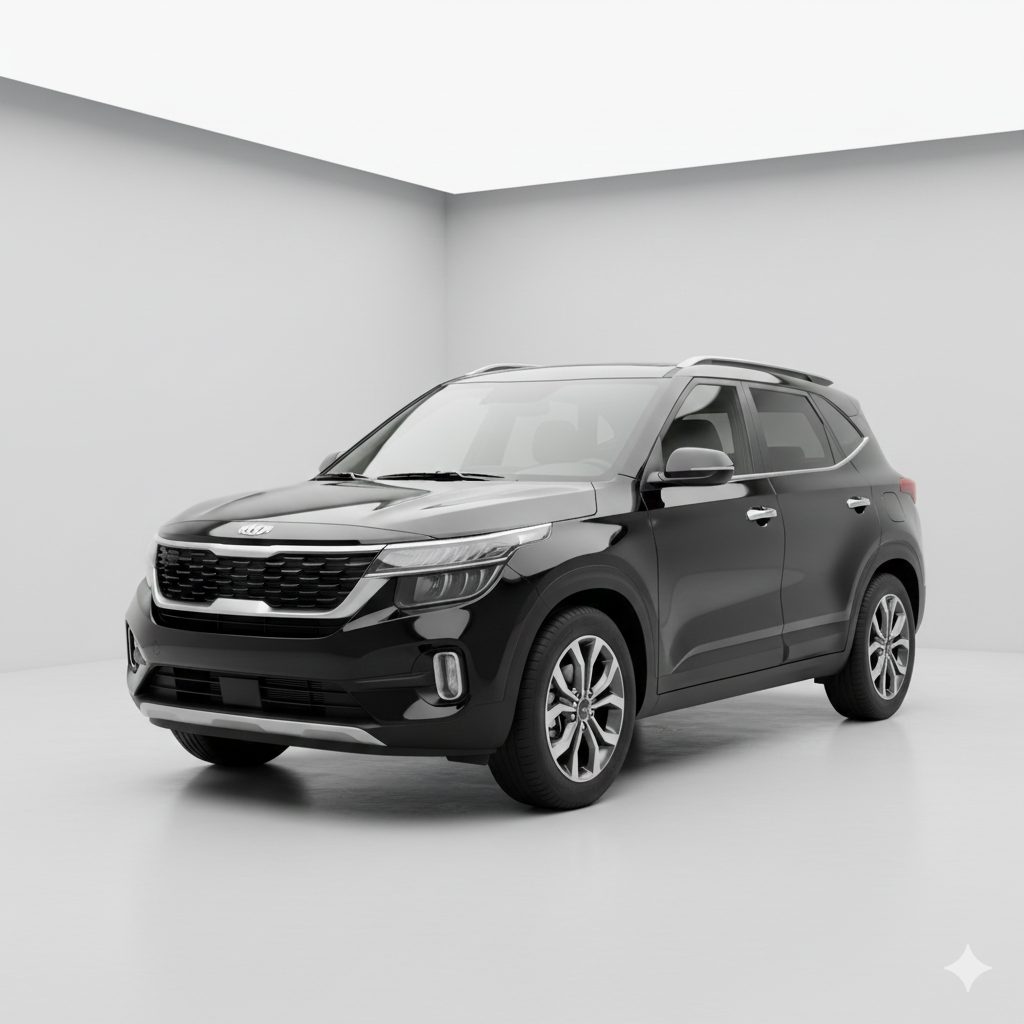
The Seltos is kinda that overachiever in the small SUV class punchy styling, lots of features, nice cabin for the price. But one thing that’s low-key annoying is the wireless phone charging pad that doesn’t always, you know, charge. You drop your phone on it, think it’s juicing up, then three hours later you’re at 12% like, “oh cool, fake charging, thanks for nothing.” Plus, if the phone shifts even a bit around a corner, sometimes it stops charging and the car doesn’t really tell you clearly. The SUV itself is great for the money, but that wireless charger sometimes feels more like a prop than a genuinely useful upgrade over a simple cable.
Mercedes-Benz C-Class
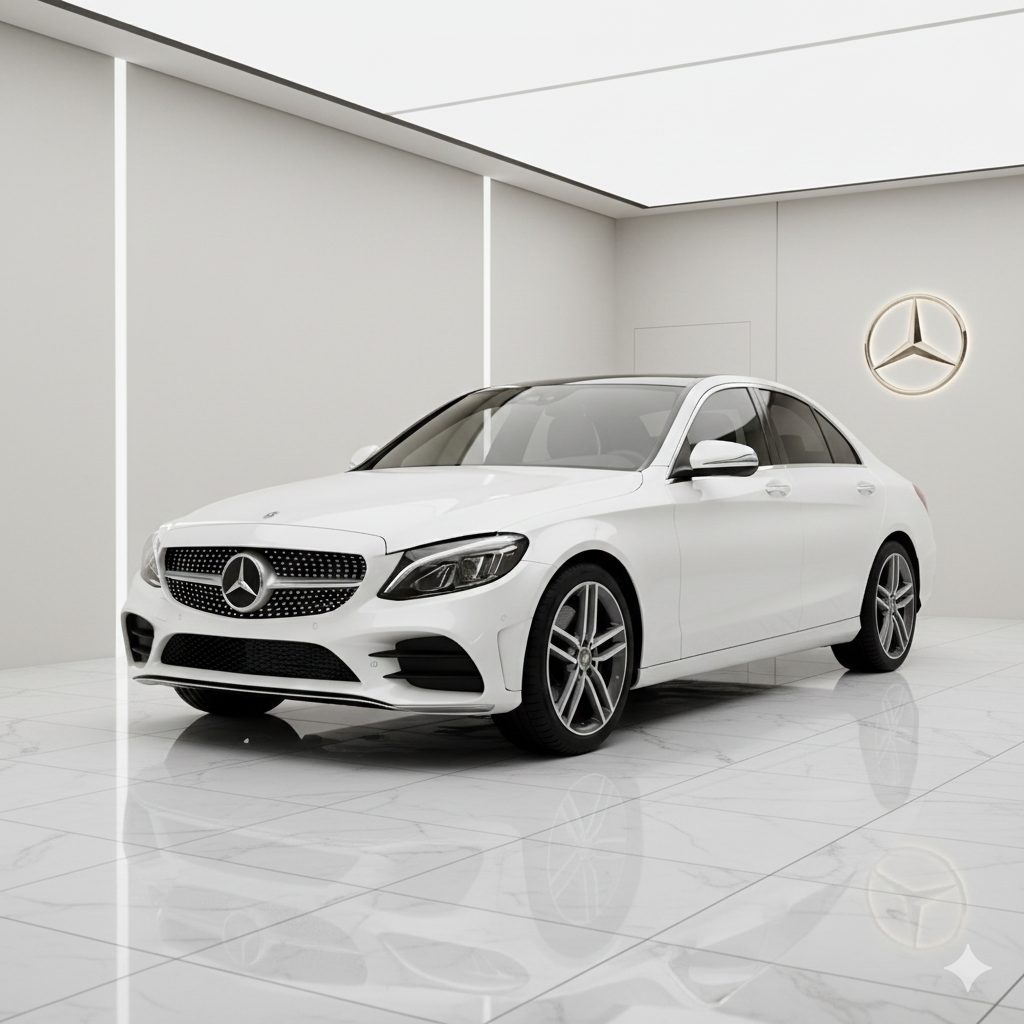
The C-Class is peak “I like nice things,” super plush interior, smooth ride, fancy badge, the whole vibe is luxury. But the insane amount of ambient lighting options is kinda hilarious. You can have purples, blues, pinks, multicolor flows, “ocean” themes, all that, and yeah, it’s fun on day one, maybe cool on a late-night drive. But after a week or two most people just pick one color and never touch it again, or forget it’s even a thing. It’s not hurting anything, it just screams “gimmick” more than “game-changer,” like RGB lighting in a gaming PC but… in your doors.
Nissan Rogue
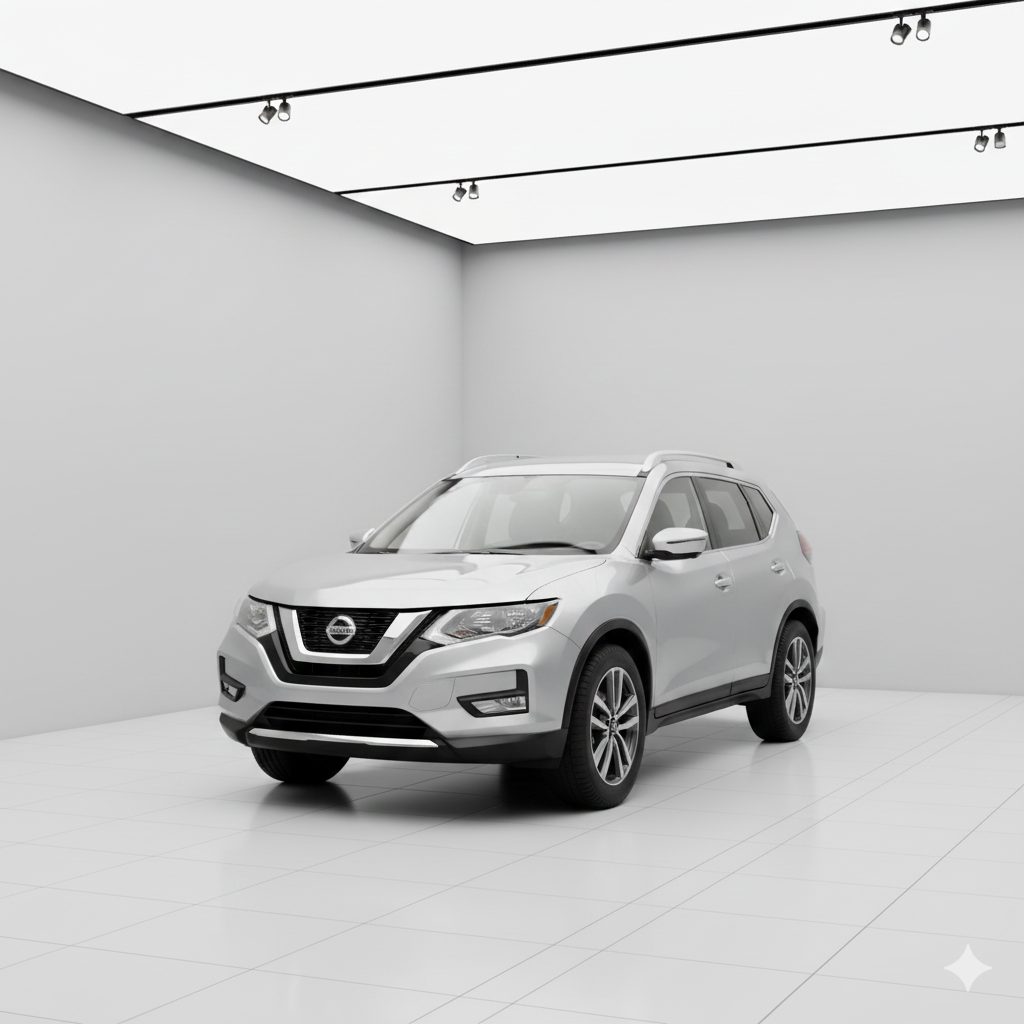
The Rogue is like the default family crossover: comfortable, decent space, easy to drive, doesn’t try too hard to be wild. Then Nissan throws in stuff like ProPILOT Assist and semi-autonomous this and that, which sounds super impressive until you actually try it and feel the car gently fighting your inputs. You go to change lanes and it’s like, “are you sure though?” and sometimes that little tug or correction is more unnerving than helpful. It’s supposed to make driving easier, but sometimes it just makes you more aware of how many systems are constantly watching and judging your driving.
Chevrolet Malibu
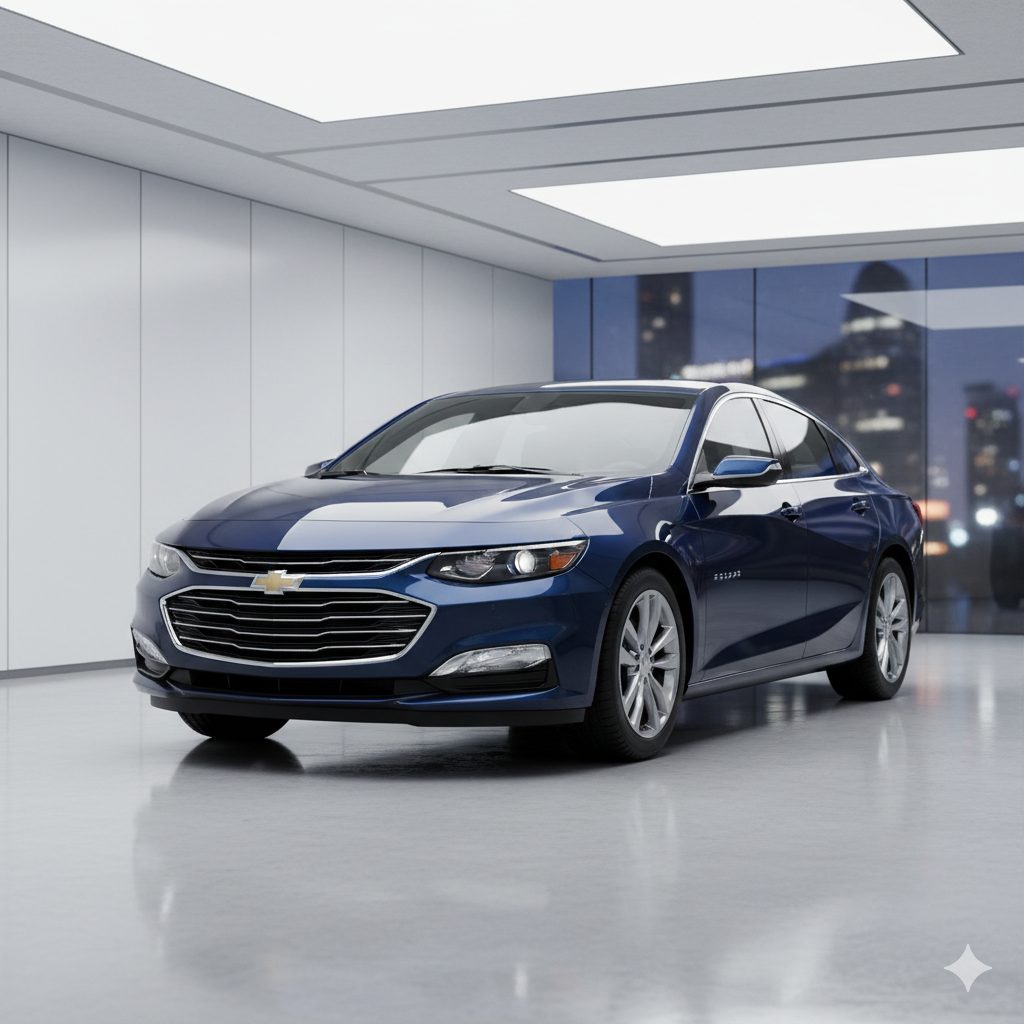
The Malibu is one of those cars that kind of blends into traffic midsize, decent comfort, does its job. Then you get in and there’s a heads-up display floating speed and other stuff on the windshield and, at first, yeah, it feels pretty cool, fighter-jet vibes and all. But after a while, some people find it more distracting than helpful, especially if it’s bright or if there’s too much info up there. You end up half looking at the projection and half at the actual road, and the novelty kinda wears off. Nice idea, not always a must-have.