11 Everyday Family Cars With Supercar Speed—Why 0–60 In 2.9 Seconds Is Now ‘Normal’
In 1962, a Pontiac Grand Prix Super Duty rolled off the line with a 421-cubic-inch V8, 405 gross horsepower, and a 0–60 time of 6.0 seconds flat. Car Life magazine called it the fastest accelerating stock production car they’d ever tested. That car weighed two tons, ate tires for breakfast, and scared the living daylights out of anyone brave enough to floor it in the rain. Sixty-four years later, you can strap three kids into a Rivian R1S, hit launch control, and blow past 60 mph in 2.6 seconds with all-wheel drive managing the chaos for you.
The Grand Prix came with dual four-barrel carbs and a prayer. These things come with seven seats and over-the-air software updates. Welcome to the era where your family hauler embarrasses supercars, and the automakers aren’t even apologizing for it.
The Numbers Don’t Lie, They Just Sound Ridiculous
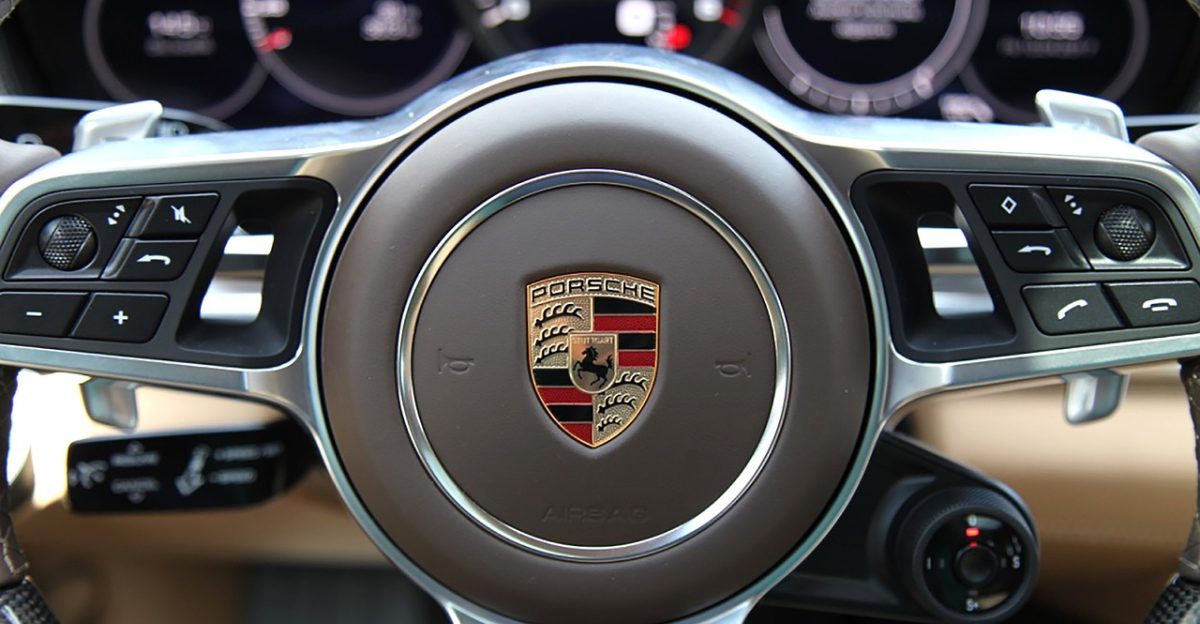
Eleven vehicles on this list produce between 493 and 1,070 horsepower. Several hit 60 mph faster than the current Corvette Z06. A few run quarter-miles in the 10-second range, territory that used to require a roll cage and a fire suit. The Porsche Panamera Turbo S E-Hybrid, a four-door hatchback with heated rear seats, hit 60 mph in 2.5 seconds during Car and Driver testing.
The Lucid Gravity Dream Edition, a three-row electric SUV, ran a 10.6-second quarter-mile and kept pulling to 160 mph. These aren’t concept cars or limited-run track specials. They’re vehicles engineered for school drop-offs, grocery runs, and family road trips that just happen to deliver performance numbers the supercar world would have killed for a decade ago.
1. Tesla Model S Plaid — 1,020 HP, 0–60 in 2.1 Seconds
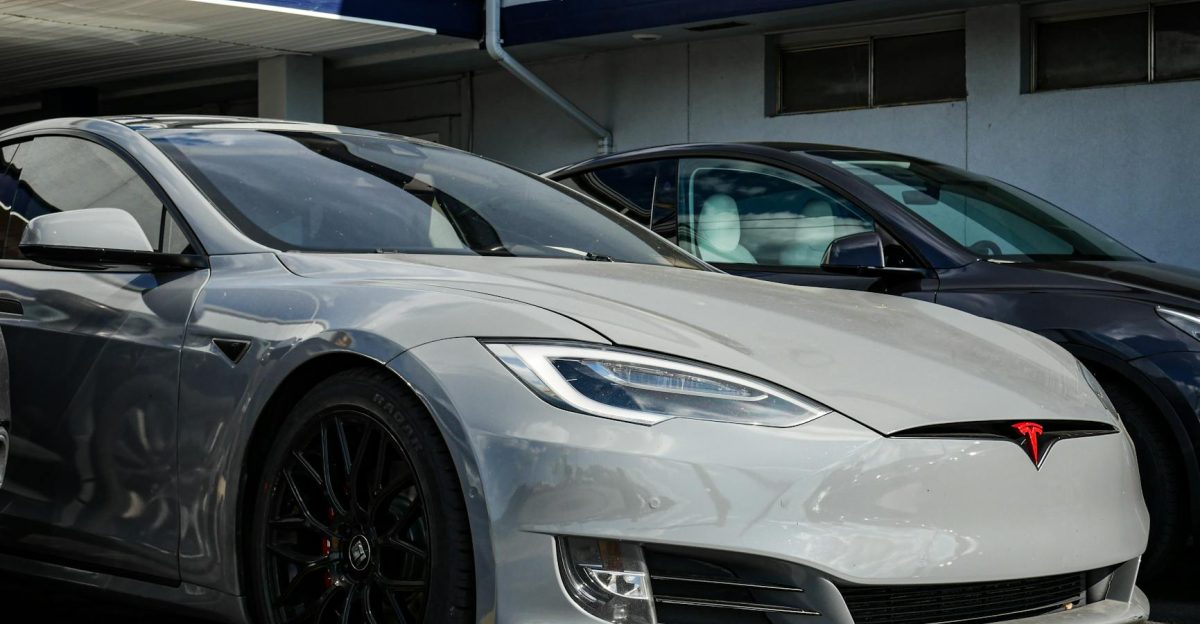
The quickest car on this list seats five, looks like a sedan your accountant might drive, and reaches 60 mph in 2.1 seconds according to Car and Driver’s instrumented testing. Three permanent-magnet synchronous motors produce 1,020 horsepower and 1,050 lb-ft of torque, and the Plaid rips through a quarter-mile in 9.4 seconds at 151 mph. Top speed is 200 mph with the optional Track Package unlocked. It manages 368 miles of EPA-rated range on a single charge.
No gas, no turbo lag, no drama, just a silent, violent shove into the seatback that never gets old and never varies by more than a fraction of a second, run after run.
2. Lucid Gravity Dream Edition — 1,070 HP, 0–60 in 3.1 Seconds
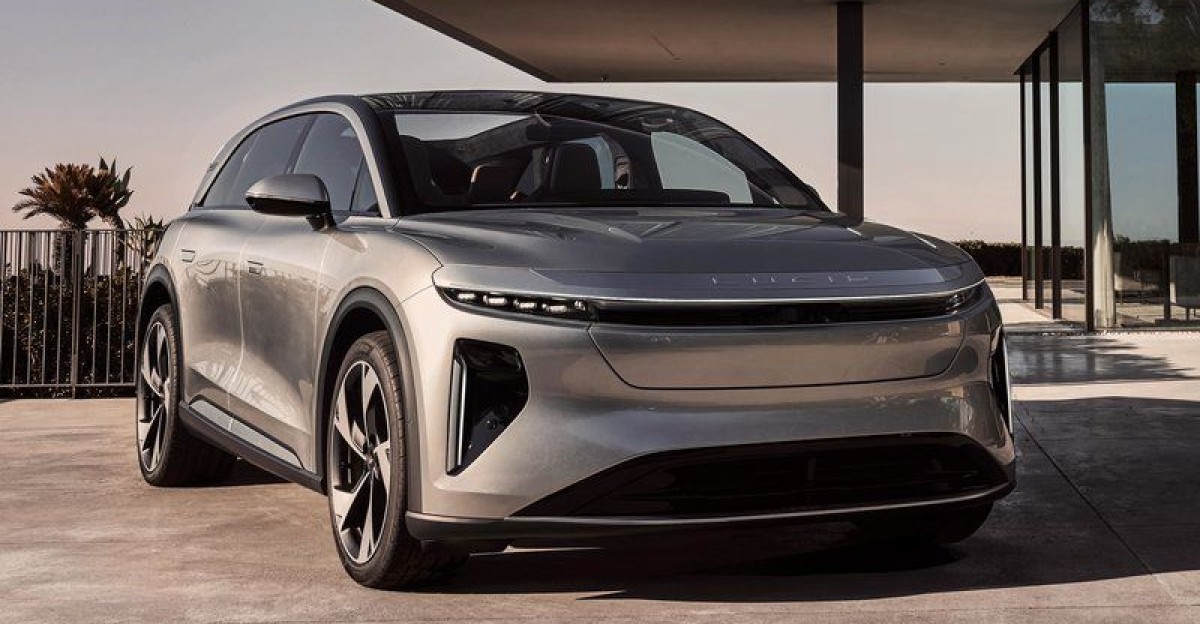
Car and Driver called it “the quickest SUV we’ve ever tested,” and the numbers back that up. The Gravity Dream Edition packs 1,070 horsepower and 909 lb-ft from its dual motors, launching to 60 in 3.1 seconds and running the quarter in 10.6 seconds at 140 mph. That quarter-mile time matches a Corvette Z06, except the Gravity seats seven across three rows and weighs 6,100 pounds.
Lucid’s 123-kWh battery delivers 378 miles of real-world range in Dream trim, and the Grand Touring version stretches to an EPA-rated 450 miles. On the skidpad, it pulled 0.90 g and actually required countersteer—behavior Car and Driver compared to a Toyota GR86. A three-row family SUV that handles like a lightweight sports coupe. That’s not hyperbole. That’s the test data.
3. Rivian R1S Quad-Motor — 1,025 HP, 0–60 in 2.6 Seconds
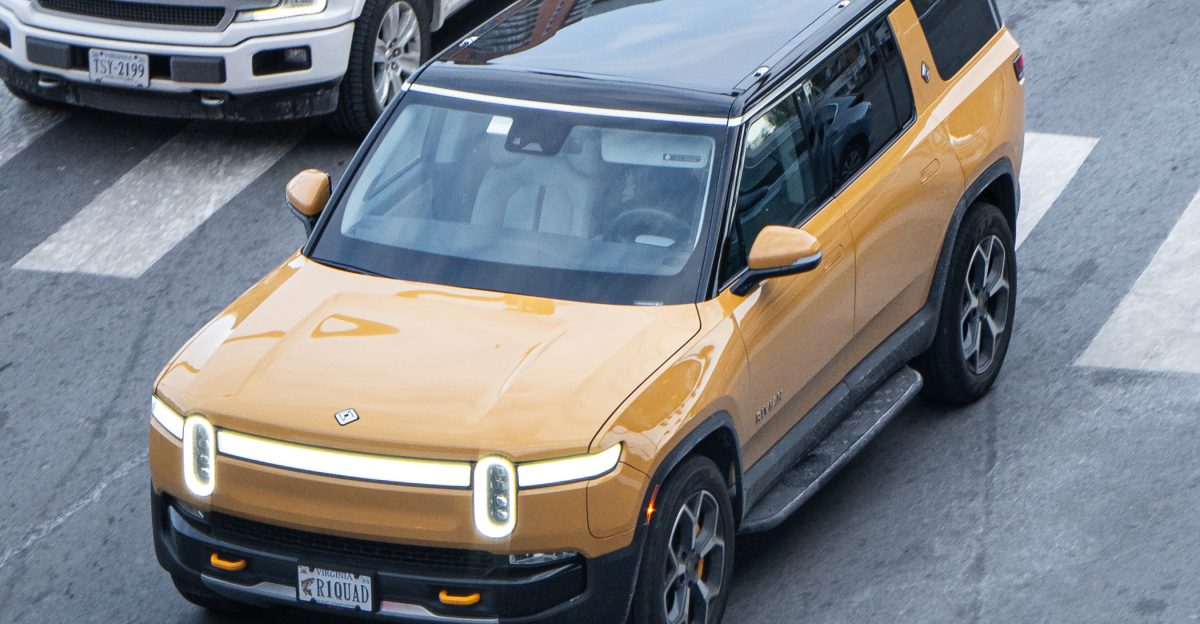
Four in-house electric motors. 1,025 horsepower. 1,198 lb-ft of torque. Seven seats. Real off-road capability. The Rivian R1S Quad-Motor hit 60 mph in 2.6 seconds during Car and Driver testing of the R1T sibling on the same platform. Each wheel gets its own motor, enabling independent torque vectoring and a “kick turn” feature that can literally rotate the vehicle in tight off-road situations. This isn’t a pavement princess.
Rivian proved the platform at the Rebelle Rally and Pikes Peak Hill Climb, winning both. Starting at $123,885 for the Quad-Motor Max Pack, you get up to 374 miles of range and a vehicle that can tow, crawl trails, and outrun nearly everything on the highway.
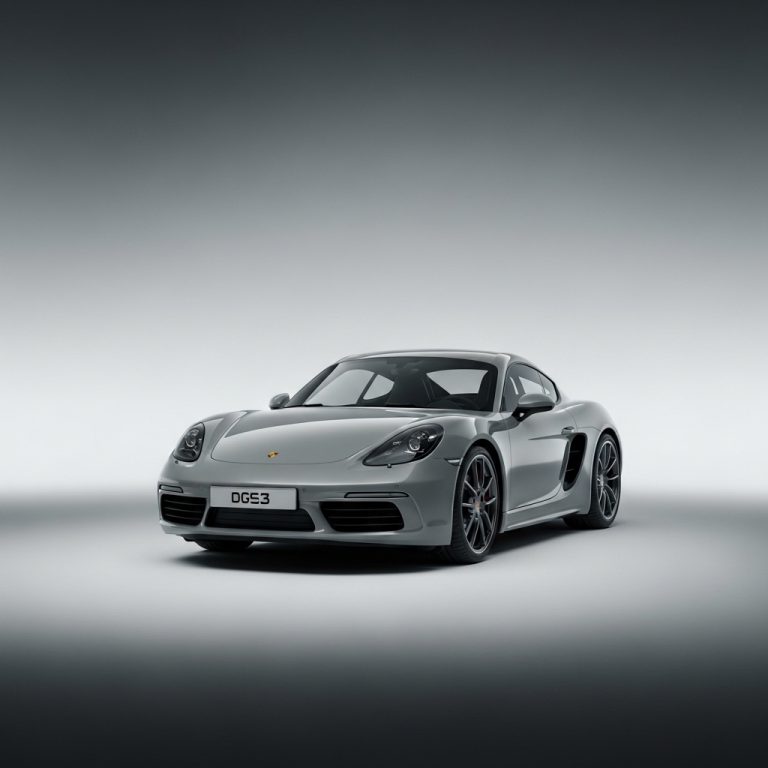
4. Porsche Panamera Turbo S E-Hybrid — 771 HP, 0–60 in 2.5 Seconds
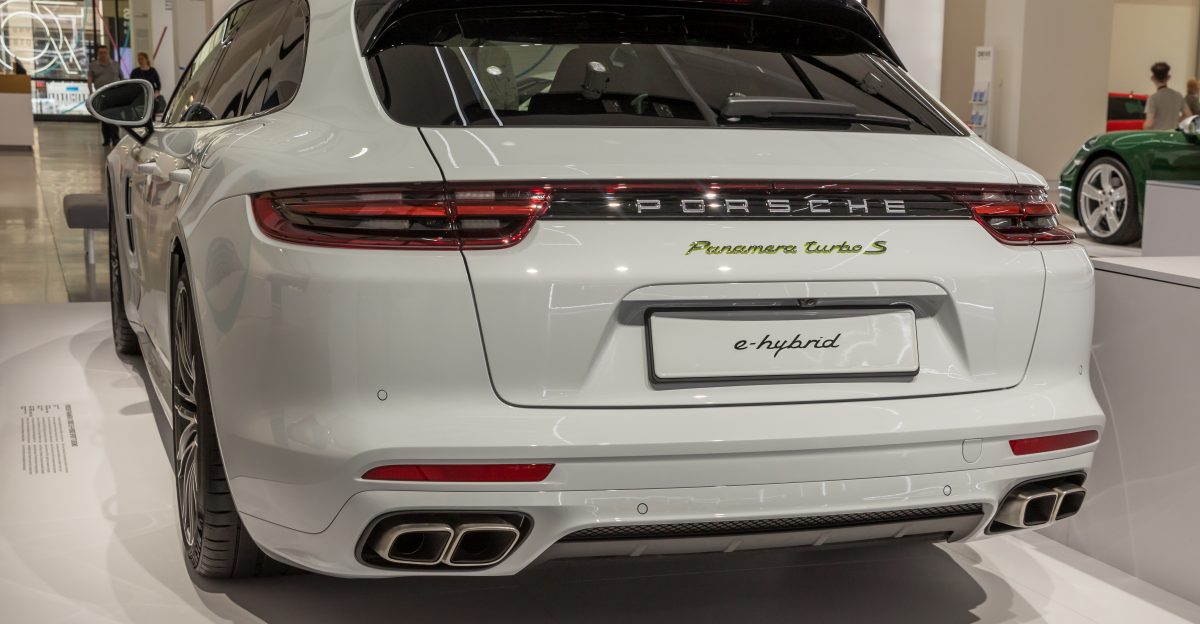
Porsche didn’t just build a fast sedan. They built a 771-horsepower, 5,350-pound plug-in hybrid that hit 60 in 2.5 seconds and ran the quarter in 10.5 seconds at 132 mph during Car and Driver testing. The twin-turbo 4.0-liter V8 makes 591 horsepower on its own; a 187-hp electric motor fills in the gaps. Top speed is 202 mph. It also holds the Nürburgring record for fastest executive sedan, lapping the Nordschleife in 7:24.17.
When you’re done terrifying your passengers, switch to E-Power mode and cruise on up to 27 miles of EPA-rated electric range. Starting at $239,000 MSRP, it’s not cheap, but it pulled 1.05 g on the skidpad while carrying four adults in leather comfort. That’s supercar territory in a hatchback.
5. Dodge Durango SRT Hellcat — 710 HP, 0–60 in 3.6 Seconds
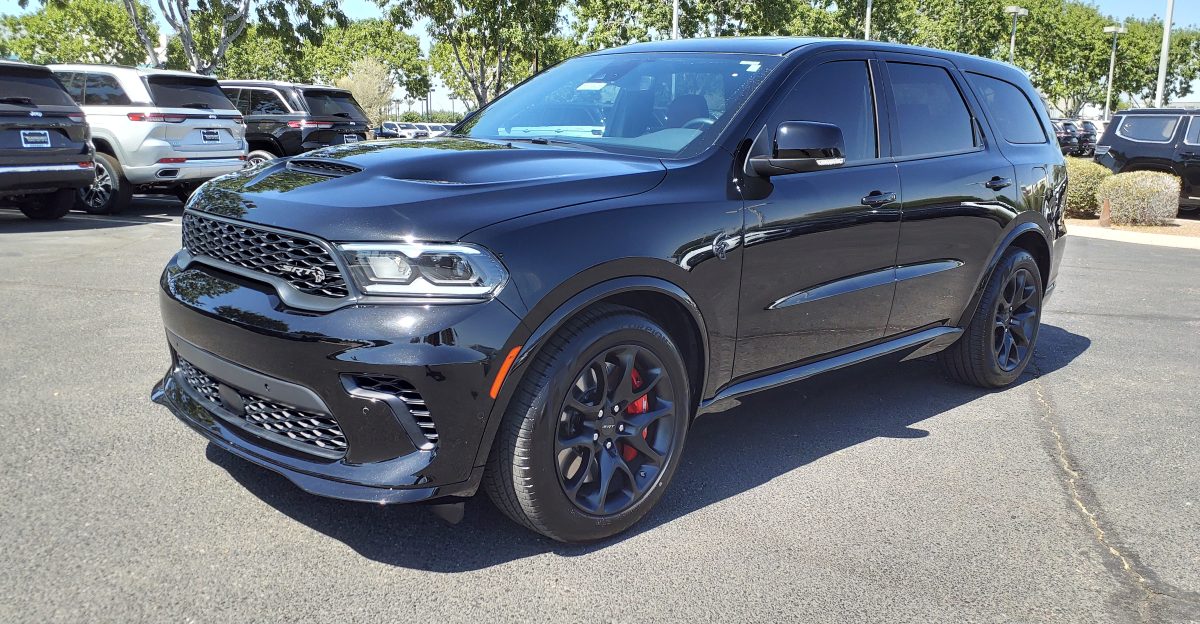
The 6.2-liter supercharged HEMI V8 screams out 710 horsepower and 645 lb-ft through an eight-speed automatic to all four wheels. The Durango SRT Hellcat hits 60 in an estimated 3.6 seconds, seats up to seven, and tows 8,700 pounds. For 2026, Dodge added a Jailbreak model with expanded customization options and new colors, including B5 Blue and Green Machine.
This platform dates back to 2011, which makes its continued existence something between a miracle and an act of defiance. When they finally kill it, there won’t be another supercharged V8 three-row SUV to replace it. Starting at $82,985, the Hellcat Jailbreak is a rolling middle finger to the electrification timeline—and Dodge fans wouldn’t have it any other way.
6. BMW M5 — 717 HP, 0–60 in 3.0 Seconds
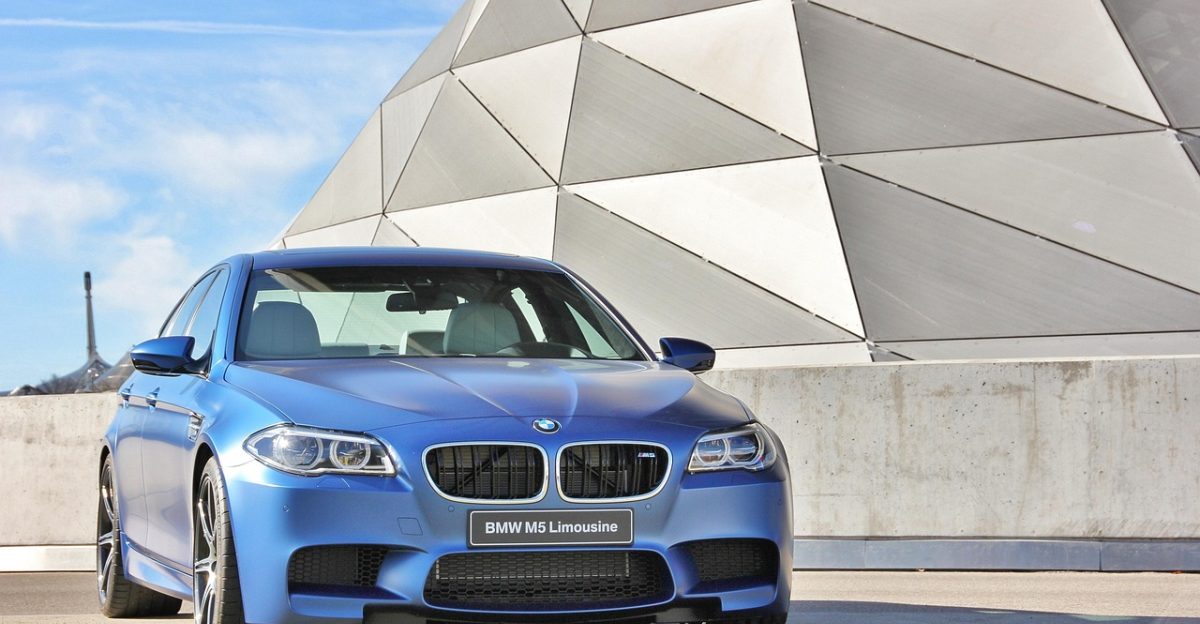
BMW’s founding father of the super sedan class now packs a plug-in hybrid punch: a twin-turbo 4.4-liter V8 paired with an electric motor for a combined 717 horsepower and 738 lb-ft of torque, routed through an eight-speed auto and standard all-wheel drive. At the Car and Driver test track, the M5 hit 60 mph in 3.0 seconds and ran the quarter-mile in 10.9 seconds at 130 mph. It pulled 0.98 g on the skidpad and still offers 25 miles of EPA-rated electric range for guilt-free commuting.
The catch? It weighs 5,251 pounds, a thousand-pound gain over the previous generation. Starting at $126,850, the M5 seats five, has a rear-biased drift mode, and runs with cars costing twice as much. Forty years in, this nameplate still hits different.
7. Hyundai Ioniq 5 N — 641 HP, 0–60 in 3.0 Seconds
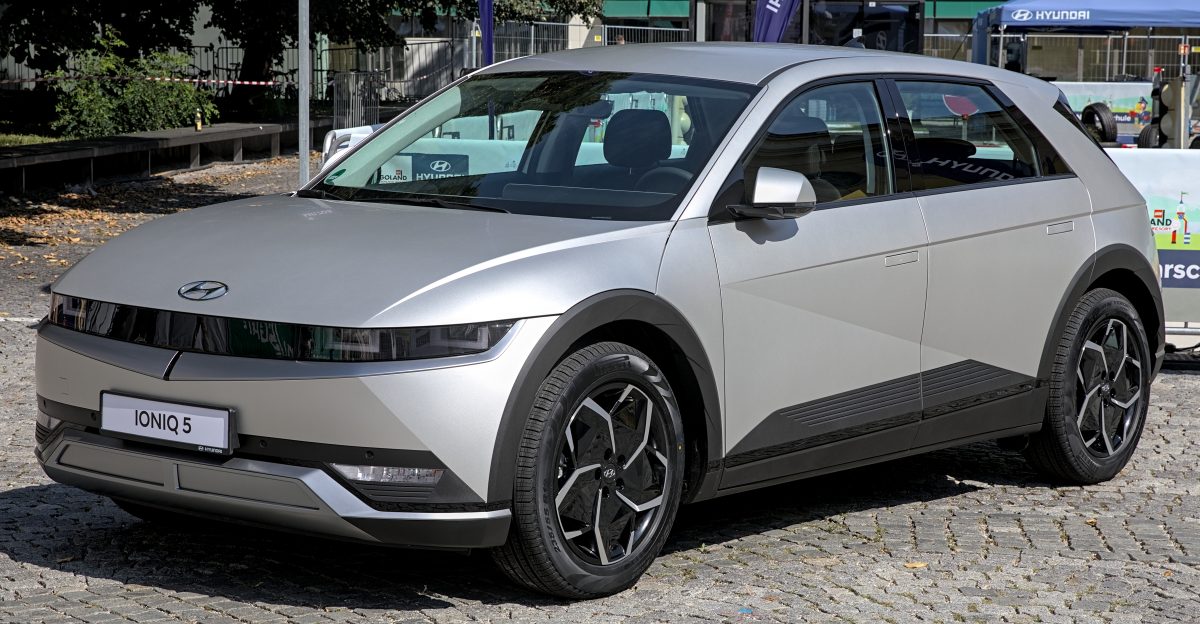
Same 641-horsepower dual-motor architecture as the Kia EV6 GT, but the Ioniq 5 N edges ahead with a 3.0-second 0–60 run in Car and Driver’s testing. Hyundai’s N division took the practical Ioniq 5 platform and weaponized it: adjustable torque split front-to-rear, a dedicated drift mode, and that simulated eight-speed gearshift system that replicates shift feel through the steering-wheel paddles.
Four drive modes—Eco, Normal, Sport, and N- adjust everything from damping to throttle response, plus Sprint and Endurance modes for track days. It pulled 0.96 g on the skidpad, ran the quarter in 11.1 seconds at 123 mph, and still delivered 190 miles of real-world highway range. The retro-futuristic design is polarizing. The performance is not.
8. Audi RS6 Avant Performance — 621 HP, 0–60 in 3.3 Seconds
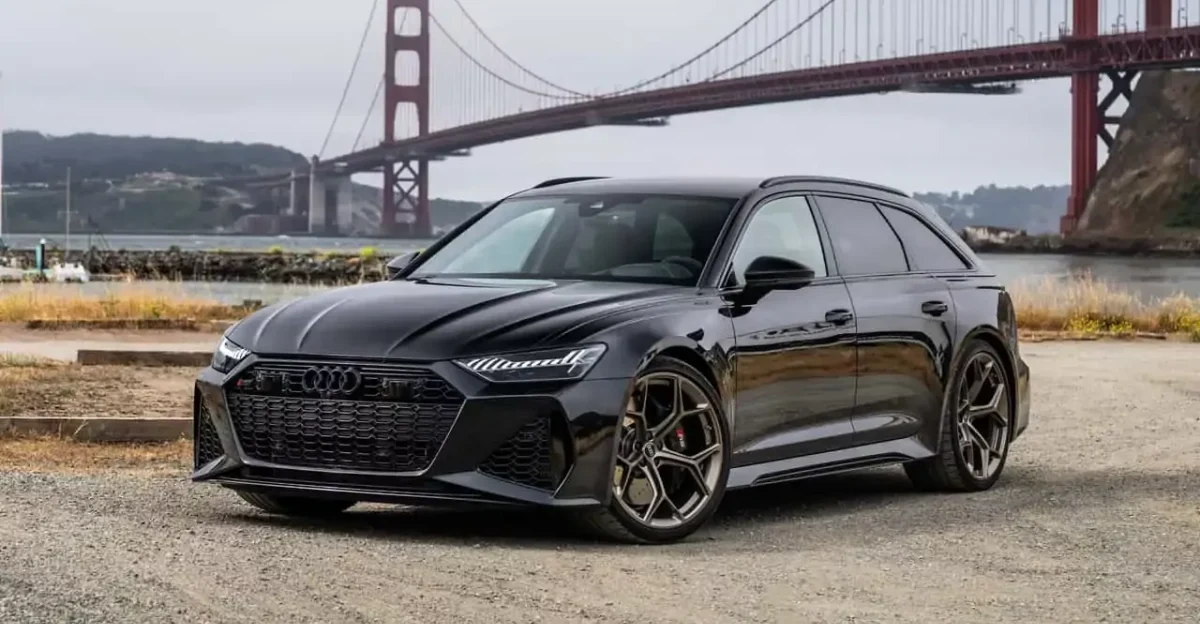
A station wagon with 621 horsepower. That sentence alone should tell you everything about where the automotive industry stands in 2026. The RS6 Avant Performance packs a 4.0-liter twin-turbo V8 making 627 lb-ft of torque, routing it through an eight-speed auto and quattro all-wheel drive. Audi claims a 0–60 time of 3.3 seconds; DuPont Registry’s Kirk Bell put down back-to-back 3.4-second runs on winter tires in Wisconsin, noting the factory time “would certainly be easy to achieve in slightly warmer weather on summer tires.”
Top speed is 190 mph with the optional carbon-ceramic brakes that raise the limiter from 155. Larger turbos spinning 23.2 psi of boost—up from 21.8 previously—shaved two tenths off the 0–60 time over the standard RS6. It’s a wagon. It holds your kids, your dog, and your luggage. And it runs with Porsches.
9. BMW Alpina XB7 — 631 HP, 0–60 in 3.9 Seconds
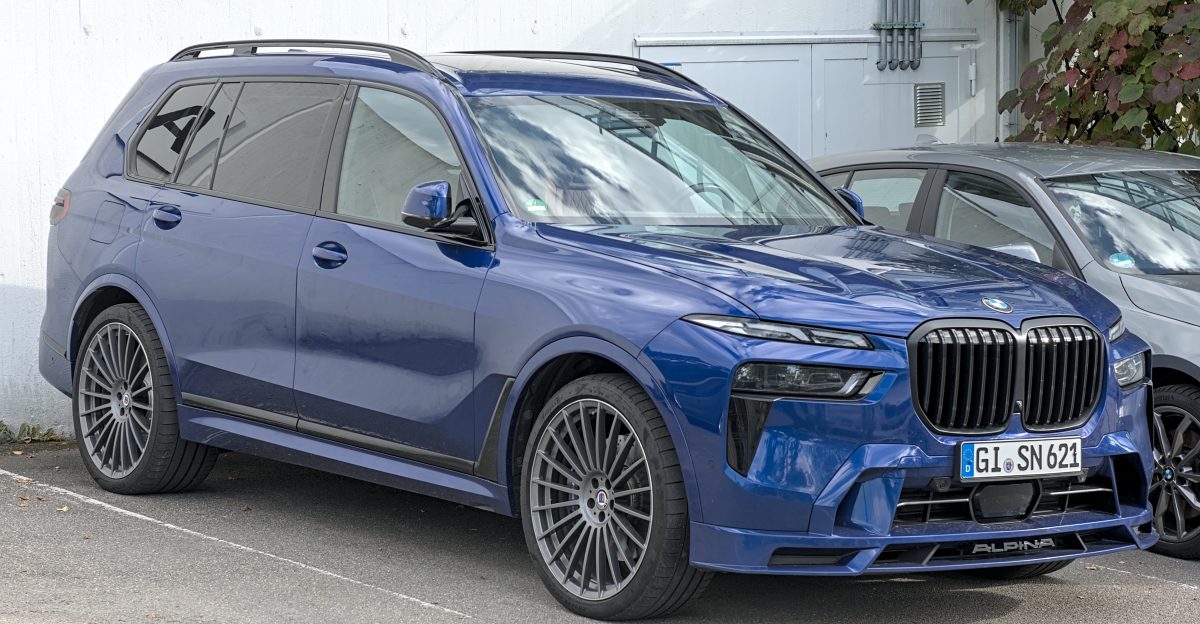
Alpina hand-tunes every XB7 in Buchloe, Germany, and the result is a 631-horsepower, 590 lb-ft luxury SUV that hits 60 in 3.9 seconds while seating seven. The 4.4-liter twin-turbo V8 exhales through Alpina’s signature quad-exhaust system, and the whole package rides on an Alpina-calibrated air suspension with active roll stabilization. At $156,000 MSRP, you’re paying for refinement as much as speed; the XB7 is less about brutal launches and more about covering ground at an absurd pace without disturbing anyone in the second or third row.
It weighs 5,986 pounds, runs 23-inch wheels, and still manages the kind of composed highway cruising that makes cross-country trips feel effortless. This is what happens when German hand-finishing meets American-sized ambitions.
10. Porsche Panamera GTS — 493 HP, 0–60 in 3.1 Seconds
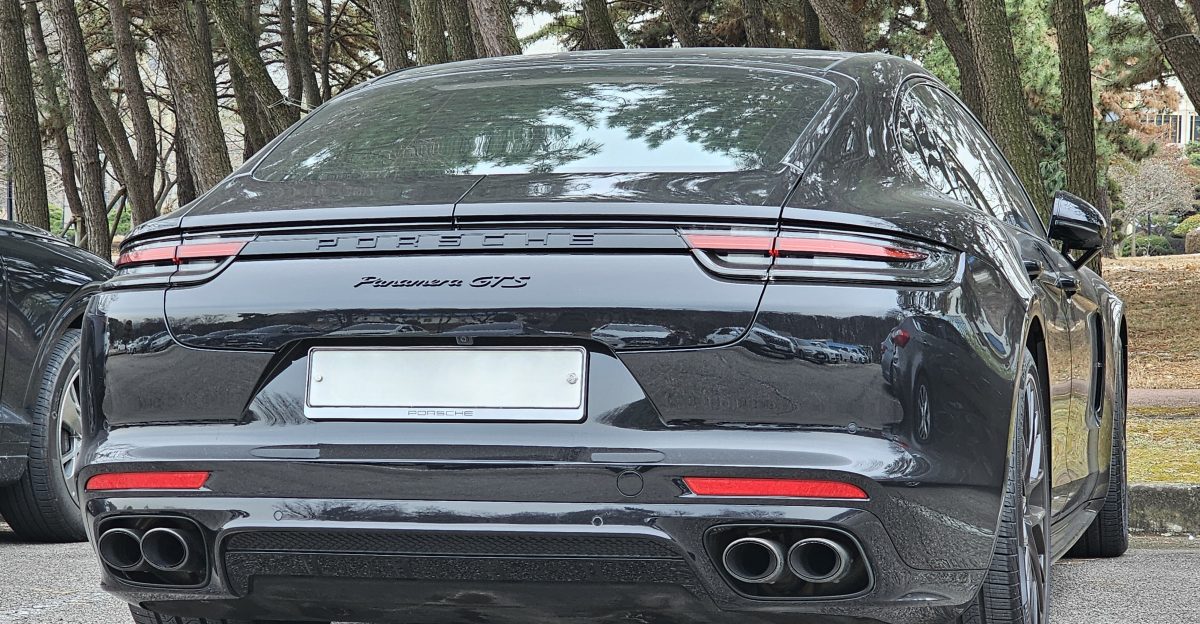
Not everyone needs 771 hybrid horsepower. The Panamera GTS runs a pure twin-turbo 4.0-liter V8, no electric motor, no plug, making 493 horsepower and 486 lb-ft. Car and Driver tested the GTS to 60 in 3.1 seconds, crushing the manufacturer’s claimed 3.6. It ran the quarter in 11.7 seconds at 116 mph and pulled 0.96 g on the skidpad. Top speed is 188 mph.
Starting at $169,250 for 2026, it’s the purist’s pick in the Panamera range: lighter than the hybrid models at 4,676 pounds, more analog in feel, and still fast enough to embarrass most sports cars on a back road. For buyers who want the driving experience without the added weight of a battery, this is the one.
11. Porsche Panamera Turbo E-Hybrid — 670 HP, 0–60 in 3.0 Seconds (est.)
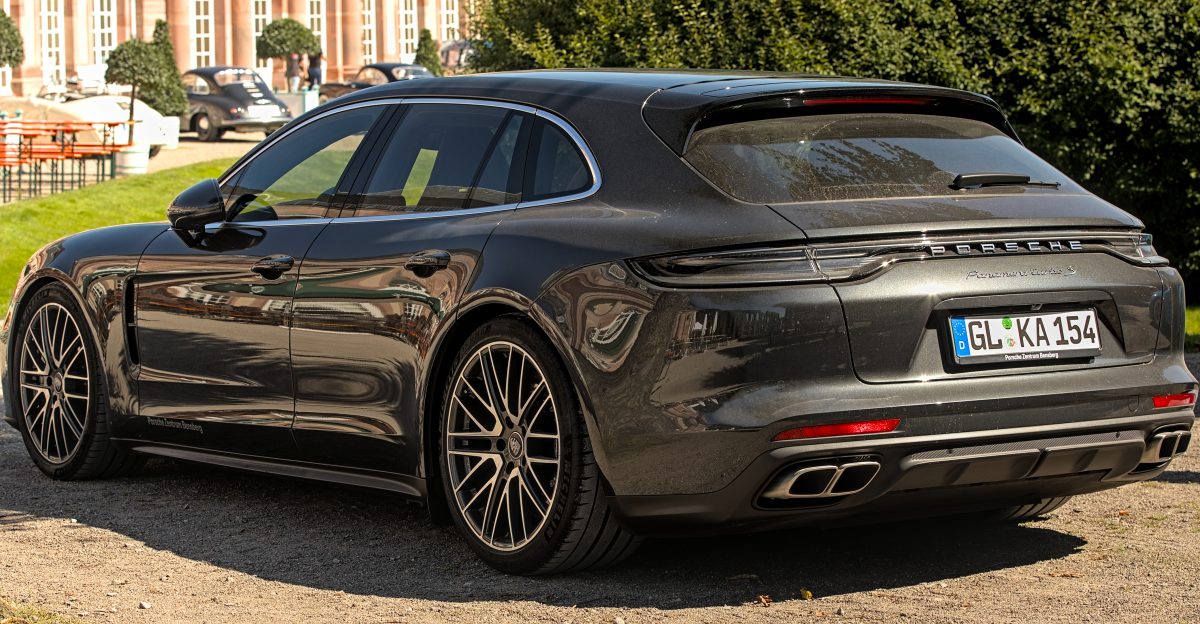
Sitting between the GTS and the Turbo S in the Panamera hierarchy, the Turbo E-Hybrid makes 670 horsepower and 685 lb-ft from the same twin-turbo 4.0-liter V8 paired with a smaller electric motor. Car and Driver hasn’t published instrumented test results for the standard Turbo E-Hybrid yet, but estimates a 0–60 time of 3.0 seconds. Top speed is 196 mph, and it starts at $210,150 for 2026.
Where the Turbo S goes nuclear with 771 horsepower and a $239,000 price tag, the standard Turbo E-Hybrid delivers 90% of the savagery for roughly $29,000 less. It still seats four adults in deep-quilted luxury and provides up to 28 miles of electric-only range. For the buyer who considers the Turbo S overkill but the GTS too modest, this is Porsche’s sweet spot.
The Horsepower Arms Race Won’t Slow Down
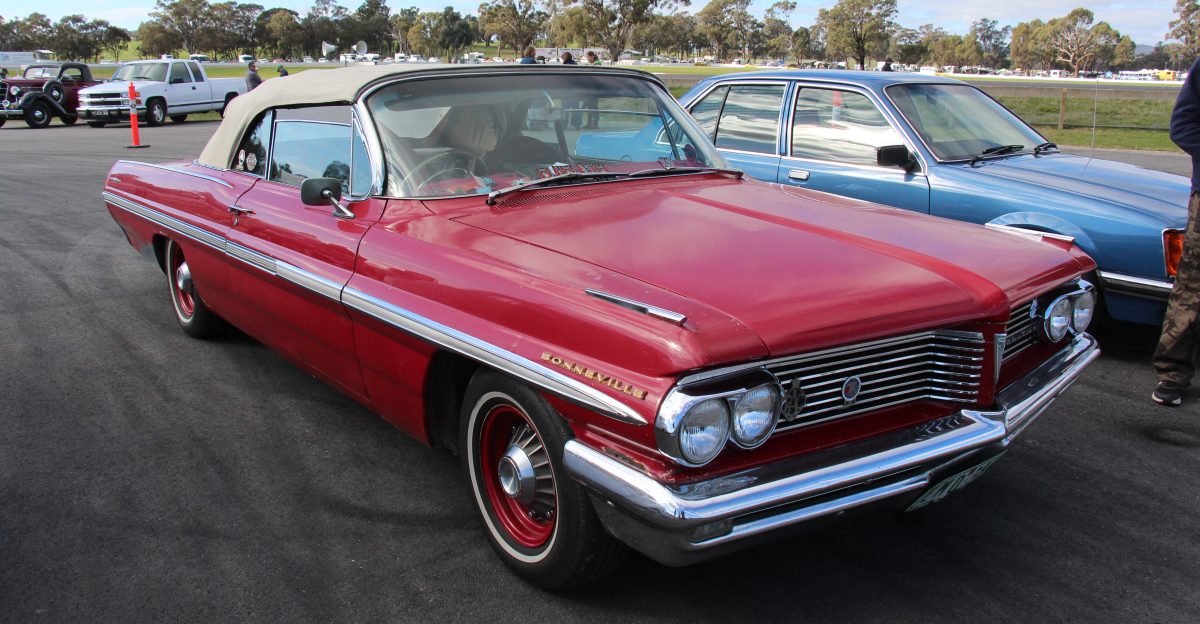
Sixty-four years separate the 1962 Pontiac Grand Prix Super Duty from a 2026 Lucid Gravity. In that span, the family car went from 405 gross horsepower (roughly 285 by modern net measurement) to 1,070. The 0–60 benchmark collapsed from 6.0 seconds to under 3. And the vehicles doing it now aren’t stripped-down drag machines; they’re loaded with three-zone climate control, adaptive cruise, and enough airbags to fill a bounce house.
The performance hierarchy that separated family transportation from sports cars hasn’t just blurred; it’s been obliterated. A Hyundai crossover matches the horsepower of cars that cost three times as much. A Rivian SUV outruns purpose-built exotics while carrying the entire family and their camping gear.
What Happens When Everyone Has Supercar Speed
The real question isn’t whether family cars should have 1,000 horsepower. They already do. The question is what it means when acceleration this violent becomes routine, when a three-row SUV’s launch mode is faster than a Ferrari was 15 years ago, and nobody blinks. The 2026 model year proves that the old gatekeeping, where high speed required serious sacrifice, is finished.
Your next minivan-shaped hauler might out-drag a Lamborghini. Your neighbor’s station wagon might hold a Nürburgring record. And the Dodge Durango Hellcat, that glorious, supercharged, fuel-guzzling relic, is taking its final bow while the electric world races past it. Pour one out. Then buckle up.
Sources:
Car and Driver, “Tested: 2026 Lucid Gravity Dream Edition Is a Magic Bus,” Car and Driver
Car and Driver, “2026 Porsche Panamera Turbo E-Hybrid / Turbo S E-Hybrid Review, Pricing, and Specs,” Car and Driver
Car and Driver, “Tested: Working the Quads in the 2026 Rivian R1T and R1S,” Car and Driver
Car and Driver, “2026 Hyundai Ioniq 5 N Review, Pricing, and Specs,” Car and Driver
Car and Driver, “2025 Porsche Panamera Turbo S E-Hybrid Tested: Tech and Trickery,” Car and Driver
Kirk Bell, “Review: 2026 Audi RS 6 Avant Performance,” DuPont Registry