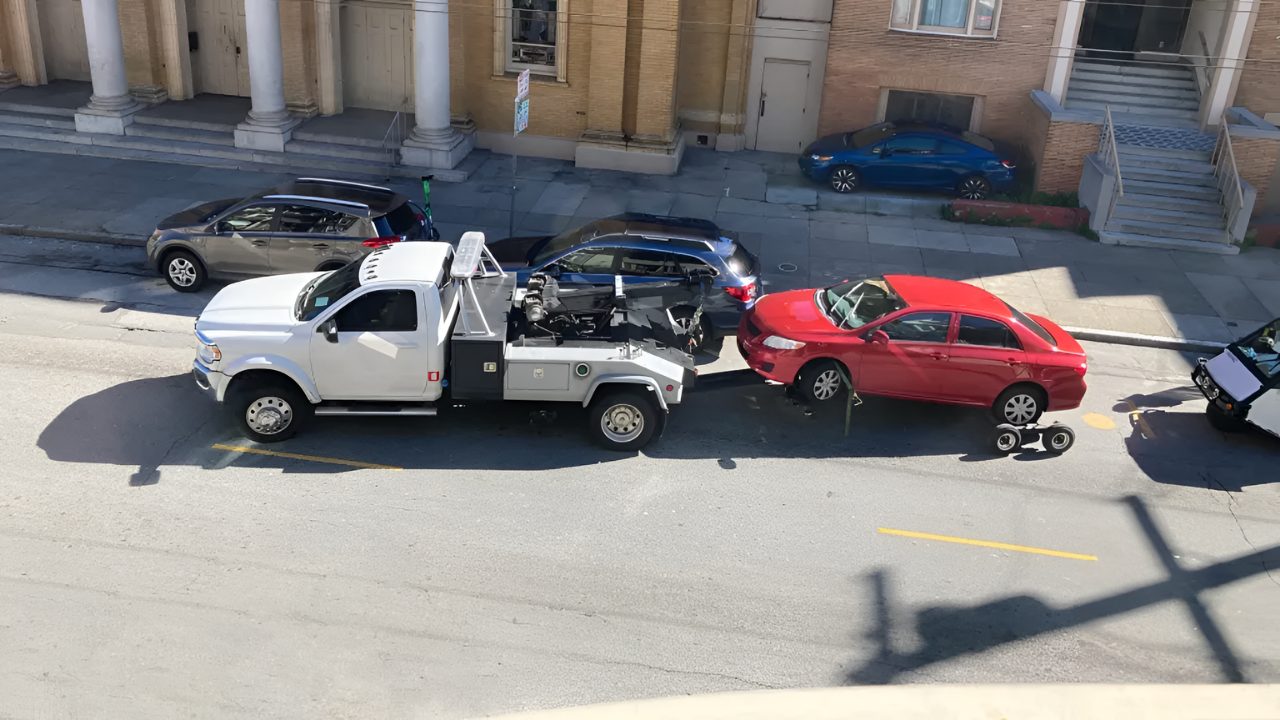
$11.8B Hidden Fee Scam Hits 71% Of Used Car Buyers—FTC Busts Dealers Nationwide
You negotiated hard. Compared prices online. Drove to three lots. Walked away from two. The salesperson finally said the words you wanted to hear, “You got a great deal.” You shook hands, sat down in the finance office, and signed. The monthly payment looked close enough. The relief hit your chest like cold water. You drove home believing you won. Roughly 45 to 50 million American buyers do the same thing every year. For 71% of them, the real cost was still hiding in the paperwork.
The Bait

That advertised price pulled you through the door. Dealerships spend thousands listing vehicles online at prices they never intend to honor. Bait-and-switch pricing costs U.S. used car buyers $11.8 billion a year, according to Boston 25 News reporting. A dealer posts a $6,000 discount online, you arrive, and then the eligibility questions start as fine print appears. The discount evaporates under conditions nobody mentioned in the listing. The sticker price was never the price; in fact, it was a casting call, and the real audition starts the moment you sit down across from the finance manager.
The Myth

Common wisdom says comparison shopping protects you. Research the price, negotiate hard, and pick the cheapest lot. That logic assumes dealerships compete on price, but they don’t. Finance and insurance departments generate up to 40% of dealership gross profit, averaging $2,401 per vehicle. That number holds regardless of the advertised discount. A 26-year dealership owner put it plainly: “Most bad dealerships don’t beat you with price. They beat you with psychology and structure.” The advertised price is a loss leader, and the finance office is the profit center. Every buyer who compared sticker prices was playing the wrong game entirely.
Four Numbers
The system works because four independent numbers move at once: car price, trade-in value, monthly payment, and interest rate. You negotiate the car price down $1,00, and the dealer cuts your trade-in by $1,500, marking your rate up by 1.5% above what you actually qualified for, and then adds $500 in bundled products. Net extraction: the same $2,401 the dealer was targeting before you opened your mouth. Your negotiation changed nothing, and the structure absorbed it. The buyer who thinks they won is the buyer who paid the full margin without even knowing it existed.
The Exhaustion Trap
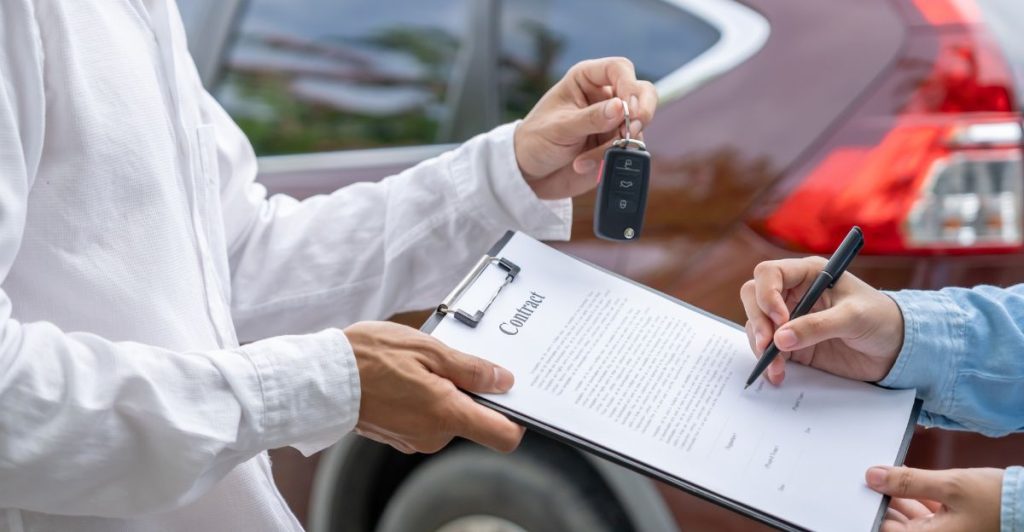
Payment packing hits at the exact moment your guard drops. You’ve spent hours at the dealership, and the negotiation feels finished. Relief floods in, then the finance manager appears with paperwork showing your payment went up $51 a month. Bundled inside: paint protection, wheel coverage, LoJack, and a service contract. None itemized. The finance manager approved the deal at $450, then added $45 in products without re-approval. Buyer fatigue and signing inertia do the rest. That service contract cost the dealer $900. You just paid $3,200 for it.
The Markup

Door edge guards cost dealers roughly $10 on Amazon. They sell them for $171. That is a 1,610% markup, and it is one of the smaller ones. Service contracts carry 70% profit margins. Dealers mark up interest rates 1% to 2.5% above the lender’s buy rate and pocket the spread as “dealer reserve.” You never learn the rate you actually qualified for. On a typical $30,000 loan, that markup adds an estimated $2,000 to $3,000 in lifetime interest. The buyer pays for financing the dealer invented.
No Way Out

Federal law offers zero recourse. Cars are explicitly excluded from the three-day cooling-off period. Service contracts are classified as “contracts,” not warranties, dodging FTC warranty protections entirely. Spot delivery lets dealers hand you the keys, then they call two weeks later to say that financing fell through. Return the car or sign worse terms. Your down payment becomes leverage against you. Negative equity rolls into the next loan. The FTC took enforcement action against Asbury Automotive for payment packing and discriminatory targeting of Black and Latino consumers. Settlements remain rare relative to millions of victims.
Since 1914

Bait-and-switch advertising has been prohibited under Section 5 of the FTC Act since 1914. More than a century later, it remains the dominant dealership tactic. Federal regulators only began systematically accelerating enforcement actions against auto dealers in 2019. The precedent set by the Asbury case means payment packing is now legally actionable. One enforcement action in a century of documented fraud. The system did not survive by accident.
Who’s Next
Subprime and first-time buyers absorb the worst damage. Lower credit scores mean less negotiating leverage and more vulnerability to “special financing” bundled with add-ons. Younger buyers are most susceptible to urgency tactics and false scarcity. Domestic brand dealerships carry a 71% hidden fee rate. Foreign brands sit at 64%. Luxury drops to 39%. As enforcement actions mount, dealerships are already adapting, shifting add-ons from finance paperwork to pre-installed window sticker packages that are even harder to itemize. The regulatory cat-and-mouse is accelerating, and dealers are moving faster.
The Real Game

Ontario already requires all-in pricing. Only tax, licensing, and buyer-agreed options can appear as additions. Consumer advocates and state attorneys general are pushing for similar rules here: mandatory itemized F&I disclosure, contract review periods, and public rate cards showing every lender’s buy rate alongside the dealer’s markup. The dealership lobby is fighting everyone. Meanwhile, roughly 45 to 50 million Americans will walk into a dealership this year believing the sticker price is the price. Most will never see the four numbers move. Now you will.
Sources:
“How Car Dealerships Have Capitalized on Crisis Through Bait-and-Switch Pricing.” CoPilot, 2024.
Buyer’s Remorse: The FTC’s Cooling-Off Rule May Help.” Federal Trade Commission (consumer.ftc.gov), 2021.