10 SUVs Exposed As $40,000 Money Pits For American Retirees
A $40,000 SUV sounds like security for retirement but for some buyers in 2026, it has become a costly mistake. Consumer Reports data, NHTSA recall filings, and industry depreciation analyses point to 10 popular SUVs linked to fire risks, chronic mechanical failures, and steep value losses. One model scored just 14 out of 100 for predicted reliability. Another lost more than $73,000 in 3 years. For retirees on fixed incomes, these vehicles threaten long-term savings. The first example begins with GMC’s latest midsize SUV.
#1 — GMC Acadia
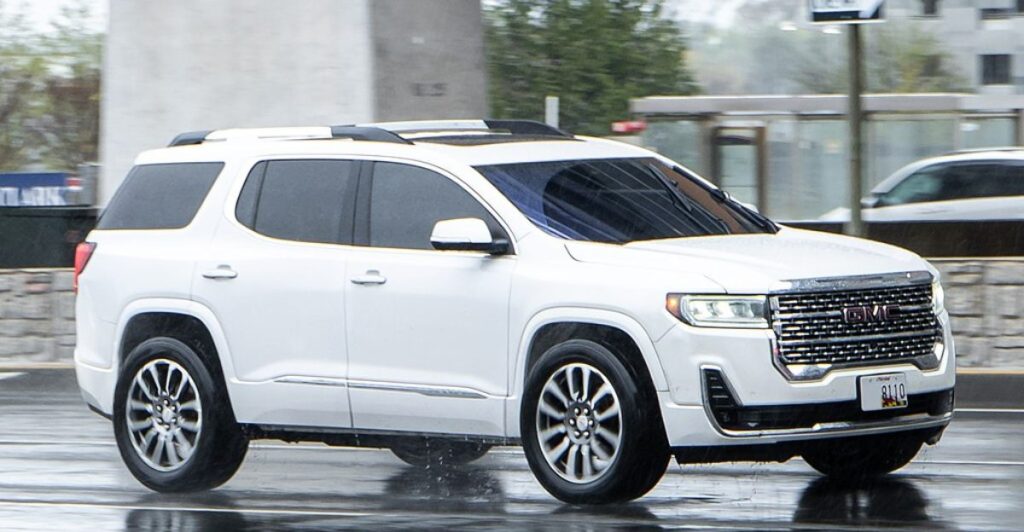
The 2026 GMC Acadia earned a predicted reliability score of 14 out of 100 from Consumer Reports, based on survey data from more than 380,000 vehicles. Reported failures include transmission leaks requiring replacement, brake system malfunctions, infotainment breakdowns, and persistent electrical faults. Annual repair costs average $2,000 to $3,000, even in early ownership. Consumer Reports advises shoppers to avoid the model. Depreciation accelerates as reliability ratings circulate across the used market. Retirees expecting dependable transportation often face repeat service visits within the first year.
#2 — Jeep Grand Cherokee 4xe
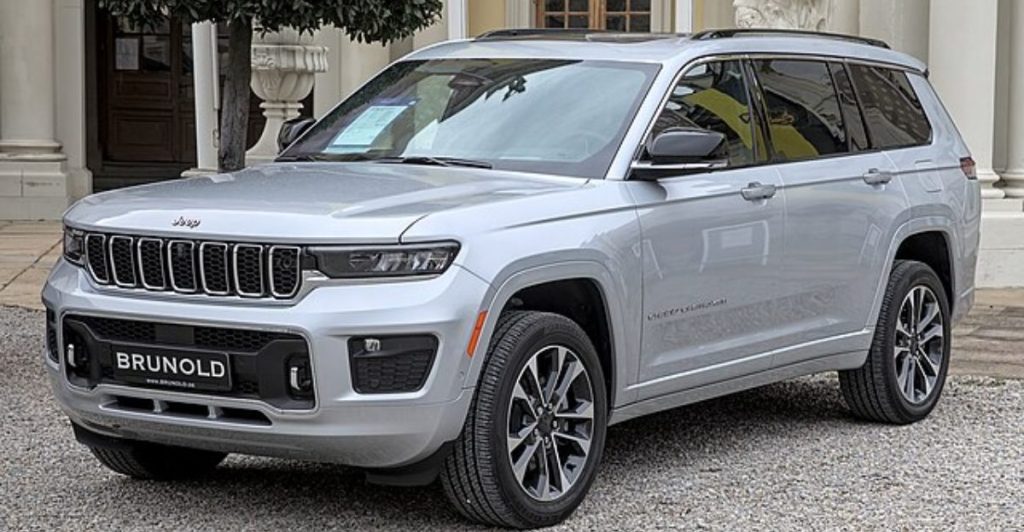
Stellantis recalled 320,065 Jeep plug-in hybrids, including the Grand Cherokee 4xe, for battery fire risk, according to NHTSA’s November 2025 notice. The company stated the initial recall remedy was “ineffective in detecting certain abnormalities in the battery that can lead to a fire.” Nine fires occurred after vehicles received the software update. NHTSA instructed owners to park outside and away from structures indefinitely. Since its 2021 generation launch, the model has been subject to multiple recalls spanning battery, software, and engine defects. Depreciation exceeds 50% in many cases. Another Jeep hybrid carries the same fire restriction.
#3 — Jeep Wrangler 4xe
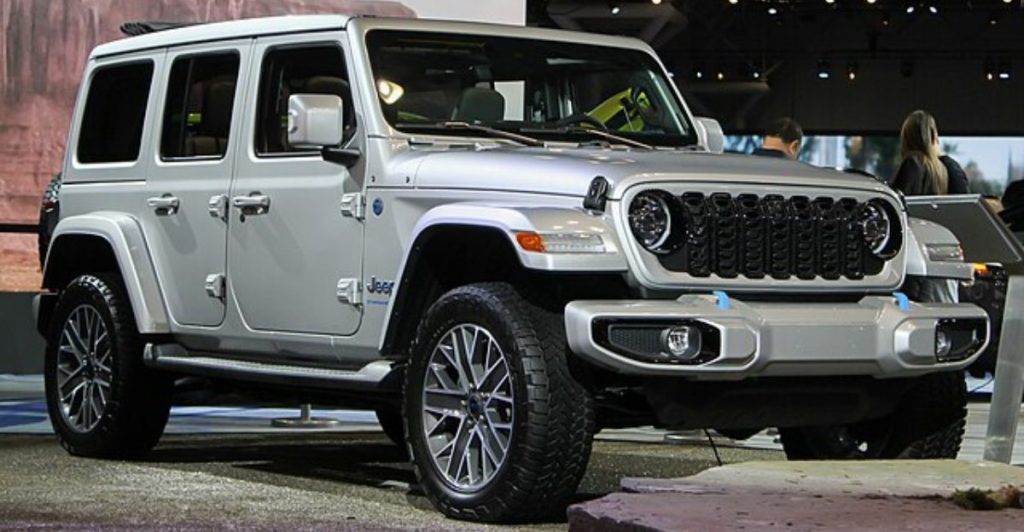
The Wrangler 4xe falls under the same 320,065-vehicle NHTSA fire recall, carrying identical parking restrictions and the same failed remedy. Consumer Reports assigns the Wrangler a predicted reliability score between 25 and 27 out of 100. Jeep ranks among the five lowest-scoring brands in Consumer Reports’ 2026 reliability standings. Owners report electrical system failures, hybrid powertrain malfunctions, and recurring battery concerns beyond the recall. Insurance premiums have increased for some drivers due to fire risk. Resale demand has softened as recall publicity spreads. Electric SUVs from Kia introduce a different reliability concern.
#4 — Kia EV6
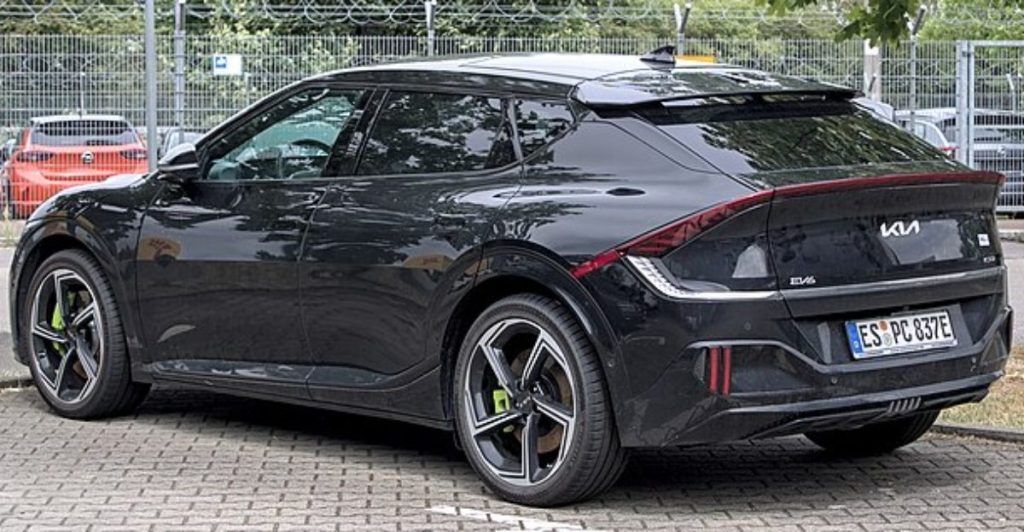
The Kia EV6 holds a predicted reliability score of 25 out of 100 from Consumer Reports for 2026. Integrated Charging Control Unit failures can cause sudden loss of motive power while driving. NHTSA opened an investigation after a prior recall repair did not resolve all cases. Additional issues include battery cell replacements, infotainment blackouts, and climate control malfunctions. Purchase prices exceed $48,000, and depreciation can surpass 45% within 3 years. Used buyers often discount early-generation EVs with recall histories. Its larger sibling posts an even lower reliability score.
#5 — Kia EV9
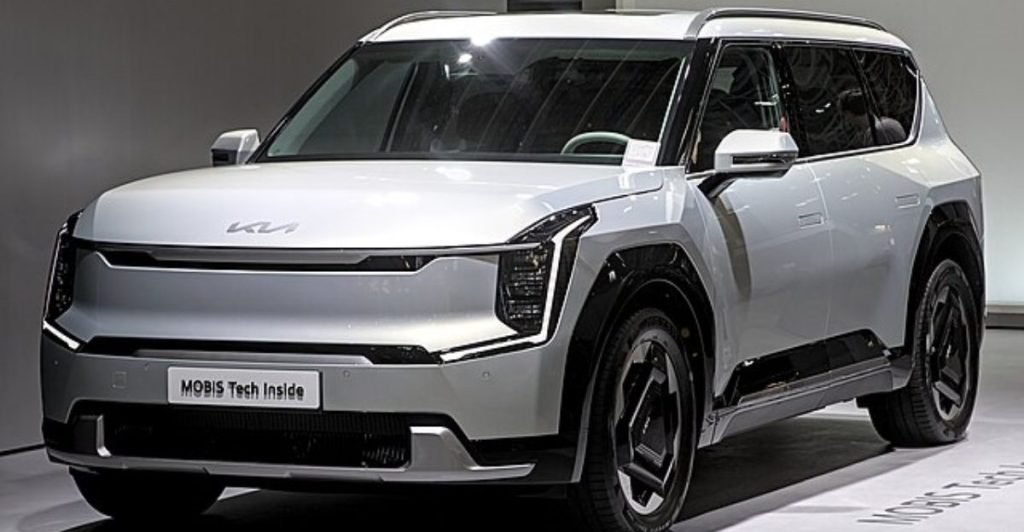
Consumer Reports assigned the Kia EV9 a predicted reliability score of 24 out of 100 for 2026. Documented defects include battery pack cell replacements, ICCU failures, infotainment shutdowns, climate system malfunctions, and instrument cluster outages during operation. The EV9 starts near $55,000. Early owners report being stranded by electrical faults and encountering repair costs that test warranty coverage limits. Depreciation further reduces resale value in a competitive EV market. Retirees considering long-term ownership must weigh these costs carefully. Gas-powered SUVs from previous years present their own mechanical risks.
#6 — Ford Explorer 2017 To 2019
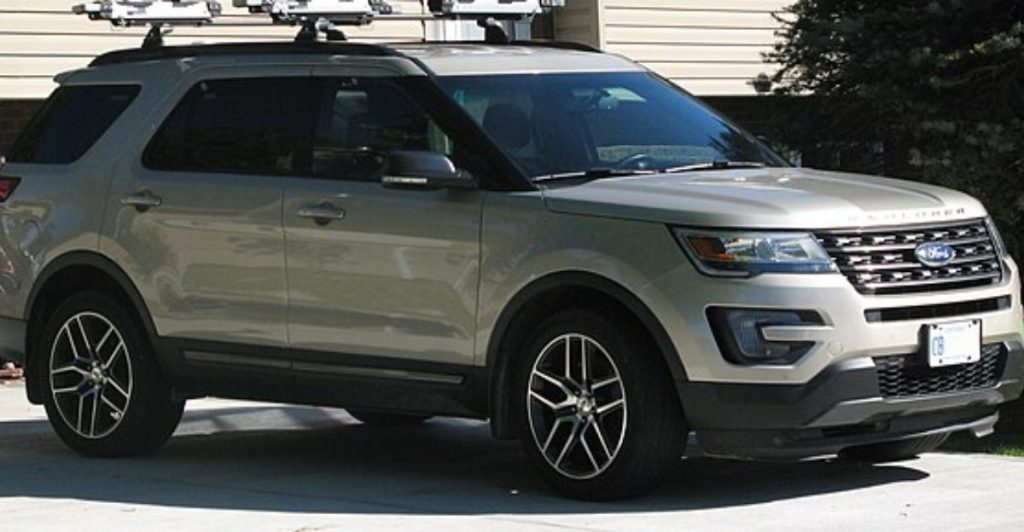
Ford recalled 412,774 model year 2017 to 2019 Explorer SUVs in February 2026 for rear suspension toe link fractures that reduce steering control. Consumer Reports rates recent Explorer generations 1 out of 5 for reliability and advises shoppers to avoid them due to transmission, electrical, and suspension problems. Owners report uneven tire wear and sudden steering instability. Suspension repairs can exceed $3,500. Active recall status further weakens resale values. Retirees who purchased these vehicles used often face unexpected repair bills. Volkswagen’s midsize SUVs face a fire-related recall of their own.
#7 — Volkswagen Atlas And Atlas Cross Sport
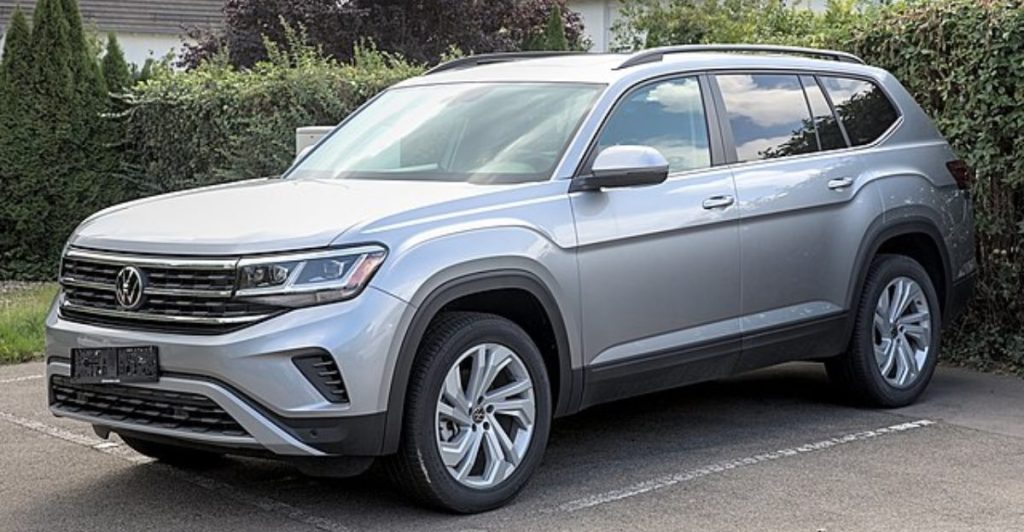
Volkswagen recalled 177,493 model year 2024 to 2025 Atlas and Atlas Cross Sport SUVs for a loose engine cover that can contact hot components and cause a fire. The approved remedy removes the cover instead of repairing it. Buyers paid $35,000 to $50,000 for these models. Depreciation can exceed 50% within 3 years. Fire-related recall records remain visible in vehicle history reports and can discourage resale buyers. Repair confidence declines when fixes involve part removal rather than replacement. Luxury brands carry even greater financial exposure.
#8 — Maserati Levante
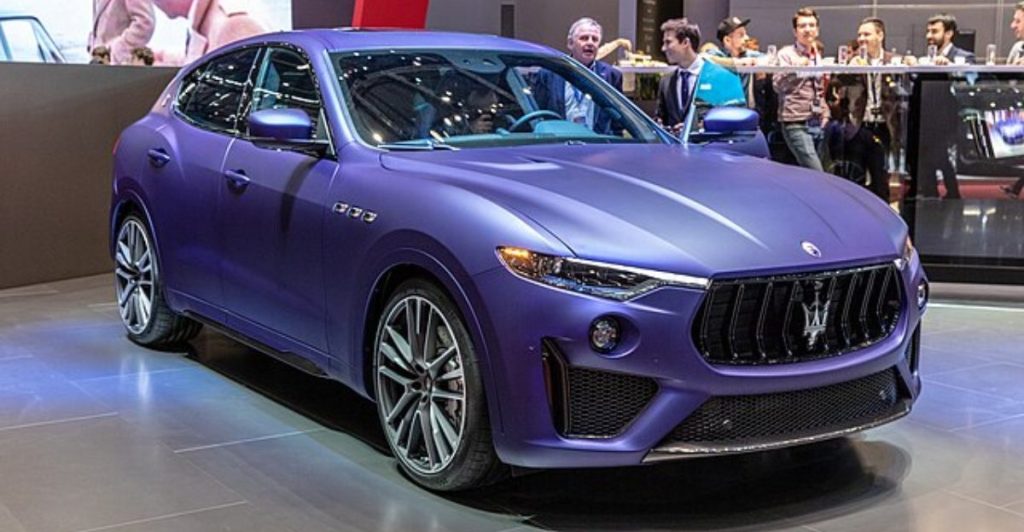
The Maserati Levante depreciates approximately 70% within 3 years, according to Kelley Blue Book data, with owners losing roughly $73,000 over that period. Maintenance averages about $3,000 annually. A limited US dealer network restricts resale demand, and reliability concerns weigh on used pricing. Retirees who finance or purchase outright often see equity erode rapidly. High-end branding does not shield against steep value loss. British luxury SUVs show similar depreciation patterns over longer ownership timelines.
#9 — Land Rover Range Rover And Range Rover Sport
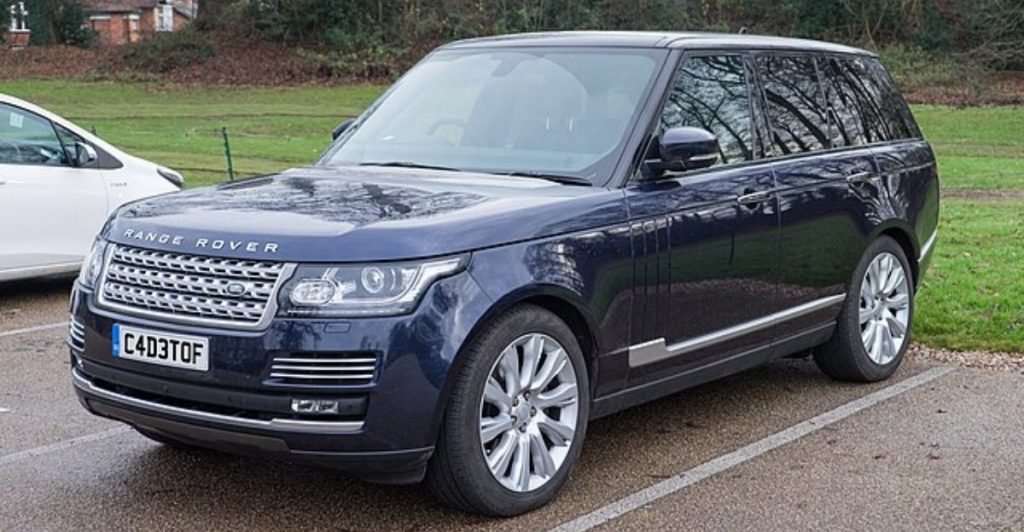
Range Rover Sport models lose about 64% of value over 5 years, and standard Range Rover variants can lose up to 74%, based on February 2026 depreciation analyses. Maintenance averages nearly $20,000 over 10 years, or about $2,000 to $3,000 annually. Common failures include air suspension defects, electrical malfunctions, infotainment breakdowns, and engine problems. For retirees earning $48,000 to $60,000 per year, maintenance alone can consume 4% to 5% of annual income. Rapid equity loss compounds ownership costs. One final full-size SUV completes this list.
#10 — Nissan Armada
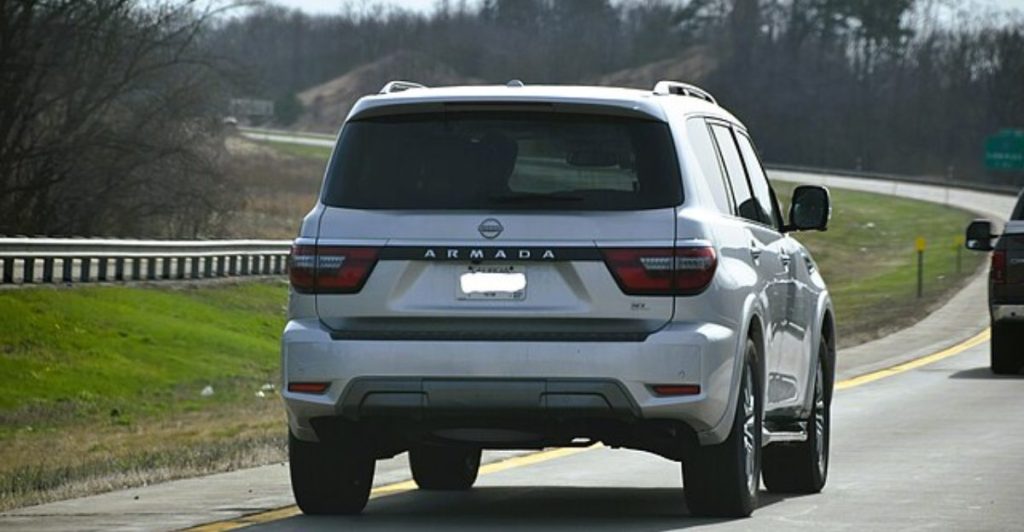
The 2024 Nissan Armada depreciates roughly $25,000 to $30,000 in its first year, according to CarEdge data. The Armada’s V8 engine drives annual fuel costs above $4,000. Insurance and maintenance can push total yearly expenses to $6,000 to $8,000. For retirees on fixed incomes, rapid depreciation and operating costs create lasting financial strain. Nissan issued separate recalls in February 2026 affecting more than 640,000 Rogue SUVs for engine and throttle body gear failures, highlighting broader reliability concerns across the brand’s lineup.
Sources:
Top 10 Least Reliable 2026 Models According to Consumer Reports. Guide Auto Web, December 4, 2025.
Chrysler Recalls 320,000 Jeep PHEVs Over Fire Risk, Previous Software Fix Ineffective. Collision Week, November 9, 2025.
2026 GMC Acadia Reliability. Consumer Reports, October 31, 2023.
Ford Recalls 412,774 Older Explorers for Faulty Rear Suspension. Car and Driver, February 24, 2026.
Volkswagen Atlas, Atlas Cross Sport SUVs Recalled for Fire Risk. Consumer Reports, March 9, 2025.
Nissan Armada Depreciation. CarEdge, February 18, 2026.