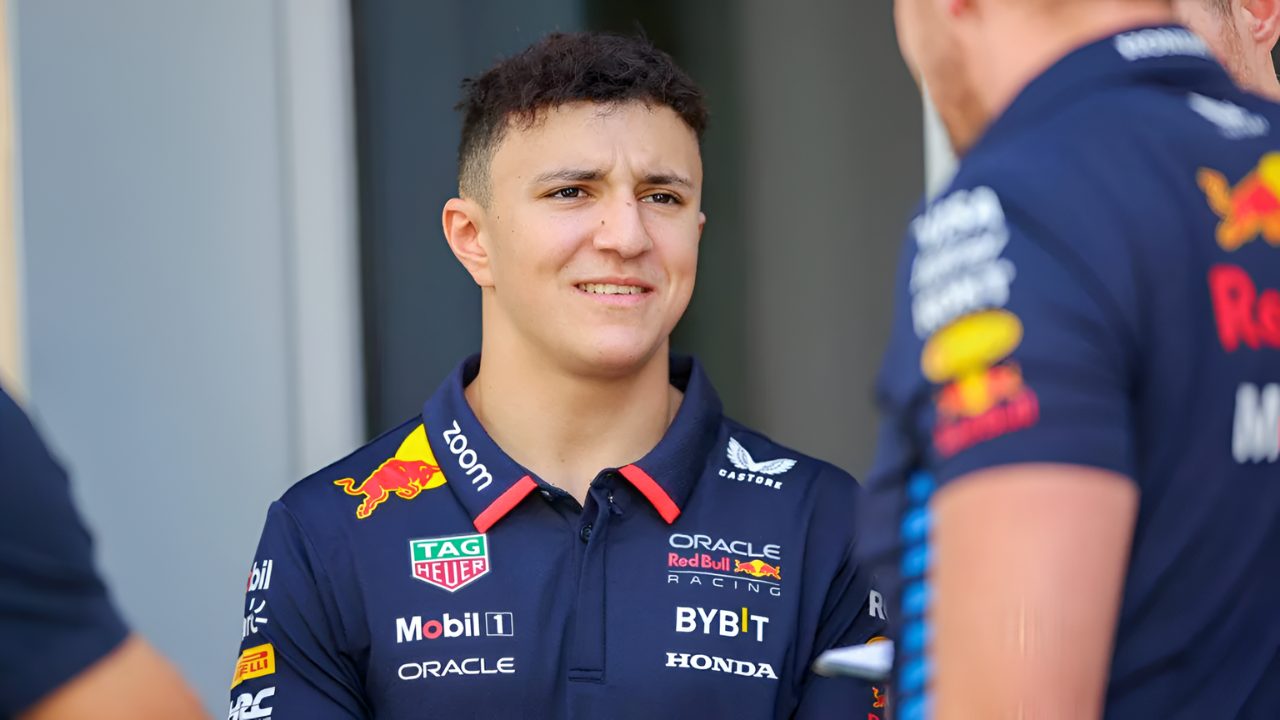
10 Drivers Cracked The Points On Day One—The Pattern Behind F1’s Rarest Debut Club
Arvid Lindblad lined up ninth at Albert Park, effectively eighth after Oscar Piastri destroyed his McLaren on the reconnaissance lap and never took the start. By the end of Lap 1, the 18-year-old Racing Bulls driver was running third, going wheel-to-wheel with seven-time World Champion Lewis Hamilton. He finished eighth, banked four points, and, at 18 years and 212 days, became the third-youngest points scorer in F1 history, behind Max Verstappen and Kimi Antonelli. “I’m pretty speechless, to be honest—it was a pretty nuts race,” Lindblad told Sky Sports after the 2026 Australian Grand Prix.
Under current FIA regulations, only the top 10 score points. For a rookie to crack that barrier in his very first race, against a full grid of veterans, takes speed, composure, and usually a dose of fortune. Formula1.com ranked the 10 greatest debut-day point scorers in championship history after Lindblad’s finish, weighing the debut result alongside career trajectory.
1. Jacques Villeneuve, 1996 Australian Grand Prix, P2
Jacques Villeneuve arrived as the reigning CART champion and Indianapolis 500 winner. He took pole on debut, beating teammate Damon Hill by just over a tenth, led the race through two standing starts, lost the lead during pit stops, then overtook Hill around the outside of Turn 4 to reclaim it.
A slow oil leak forced him to surrender the win five laps from home. He won three races later at the Nürburgring, challenged Hill for the 1996 title, then claimed the championship the following year after that infamous collision with Michael Schumacher at Jerez.
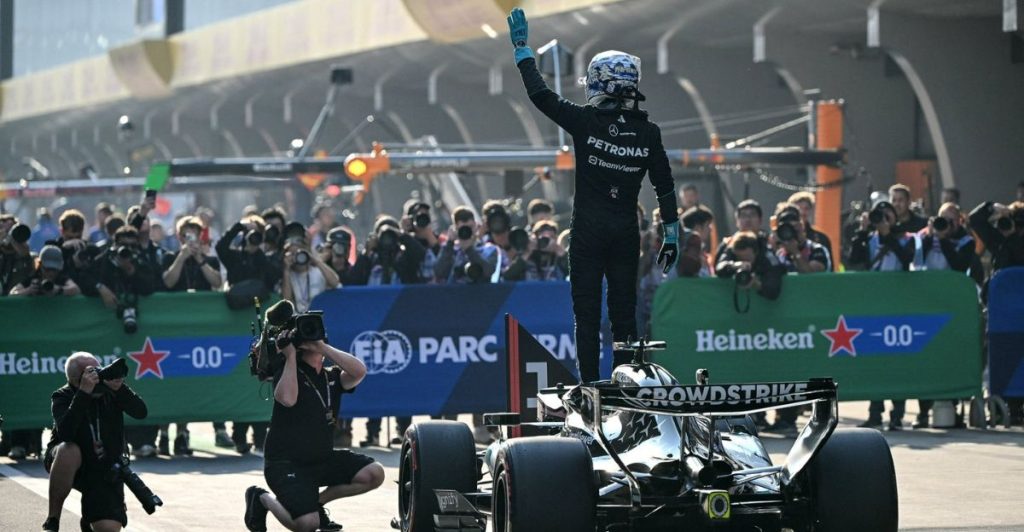
2. Lewis Hamilton, 2007 Australian Grand Prix, P3
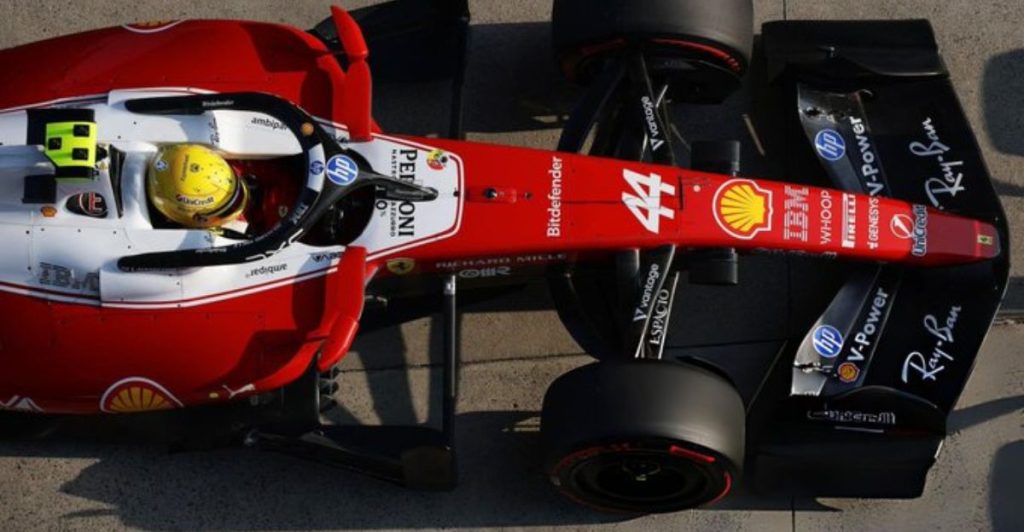
Hamilton qualified fourth alongside two-time reigning champion Fernando Alonso and swept around the outside of him into Turn 1. He finished third behind Alonso and winner Kimi Räikkönen, then stood on the podium at each of his next eight races, including back-to-back wins in Canada and the USA. He came within a gearbox sensor failure and a botched pit strategy of winning the entire championship as a rookie.
3. Giancarlo Baghetti, 1961 French Grand Prix, P1
Baghetti qualified 12th at Reims in a privateer Ferrari 156 and won the race, beating Dan Gurney’s Porsche by one-tenth of a second. He is the only driver outside the inaugural 1950 championship round to win his first World Championship race.
The factory Ferraris of Phil Hill, Wolfgang von Trips, and Richie Ginther all retired with mechanical failures, and Baghetti slipstreamed through the field. He never won again in 20 further starts.
4. Ollie Bearman, 2024 Saudi Arabian Grand Prix, P7
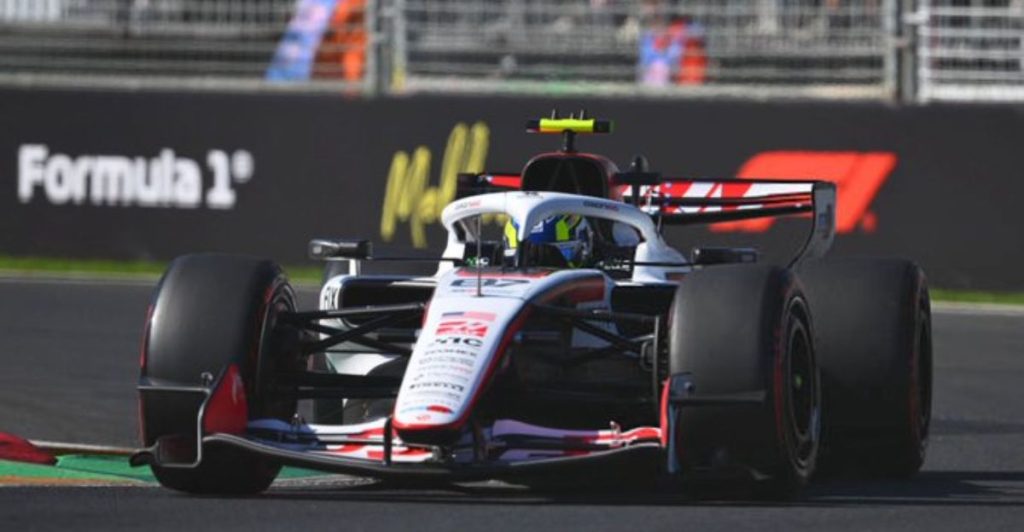
Carlos Sainz needed emergency appendicitis surgery, and Ollie Bearman was already at Jeddah for F2 duties when Ferrari called. He had only the final one-hour practice session to learn the SF-24, qualified 11th, then held off Lando Norris and Lewis Hamilton in the closing stages to finish seventh.
He became Ferrari’s youngest-ever race driver, not because the team planned it, but because somebody else’s body failed at exactly the right circuit.
5. Kimi Antonelli, 2025 Australian Grand Prix, P4
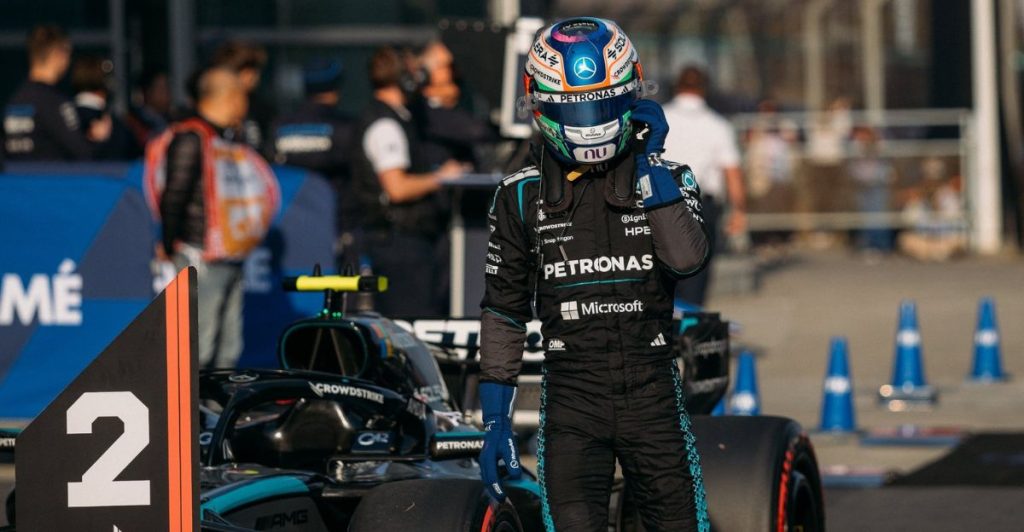
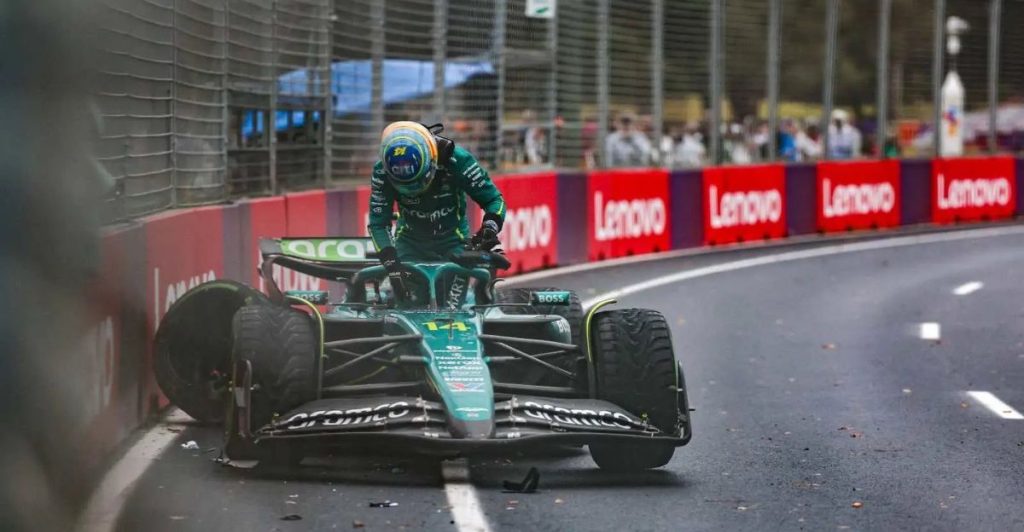
Mercedes fast-tracked Andrea Kimi Antonelli into Hamilton’s vacated seat after a single F2 season. The 2025 Australian Grand Prix turned chaotic in the wet. Isack Hadjar crashed on the formation lap, Fernando Alonso found the barriers, and Antonelli navigated the carnage from 16th on the grid after failing Q1.
Antonelli crossed the line fourth, less than two seconds behind teammate George Russell, at 18 years and 199 days old. By 2026, he finished second at the same race.
6. Kevin Magnussen, 2014 Australian Grand Prix, P2
Magnussen qualified fourth in the first race of the turbo-hybrid era and finished third on the road behind Nico Rosberg and Daniel Ricciardo. Ricciardo was disqualified for a fuel irregularity, and the Dane inherited second, the first and only Danish podium in F1 history.
Magnussen raced 184 more Grands Prix. He never stood on the podium again.
7. Sebastian Vettel, 2007 United States Grand Prix, P8
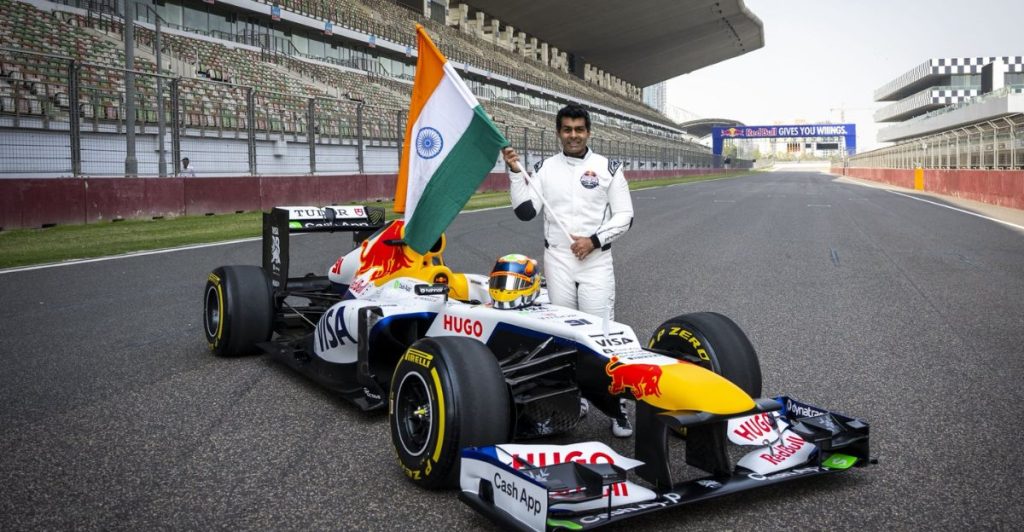
Robert Kubica’s violent crash at the previous round in Canada forced BMW Sauber to call up their 19-year-old reserve driver. Vettel’s debut began with a pit lane speeding penalty within seconds of hitting the track. He still qualified seventh and finished eighth for the final point under the pre-2010 scoring system, becoming the then-youngest driver to score a championship point.
Four races later, he was at Toro Rosso. Two years after that, he began a run of four consecutive World Championships.
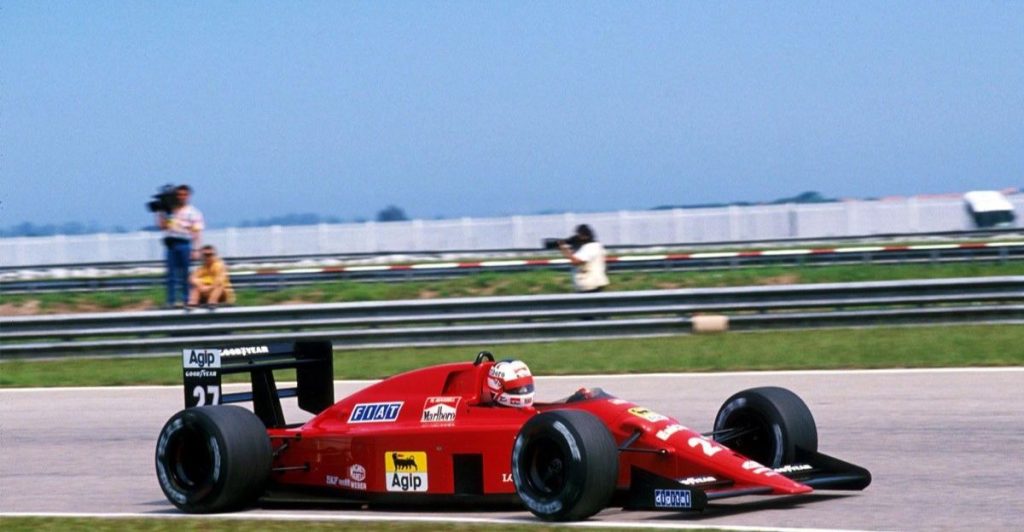
8. Johnny Herbert, 1989 Brazilian Grand Prix, P4
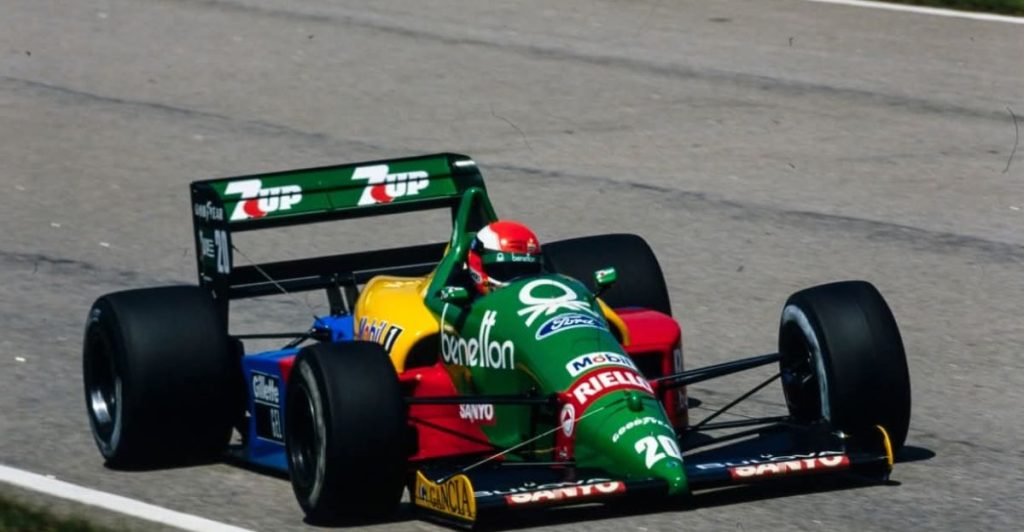
Six months before his debut, Herbert nearly lost both legs in a horrific F3000 crash at Brands Hatch. Benetton recruited him for the season opener in Rio, where he qualified 10th, ahead of more experienced teammate Alessandro Nannini, and gutted out fourth in extreme heat. He finished just over 10 seconds behind the winner, Nigel Mansell, and less than a second off the podium.
Benetton dropped him later that season. Herbert eventually won three Grands Prix, the last with Stewart at the 1999 European Grand Prix.
9. Mark Webber, 2002 Australian Grand Prix, P5
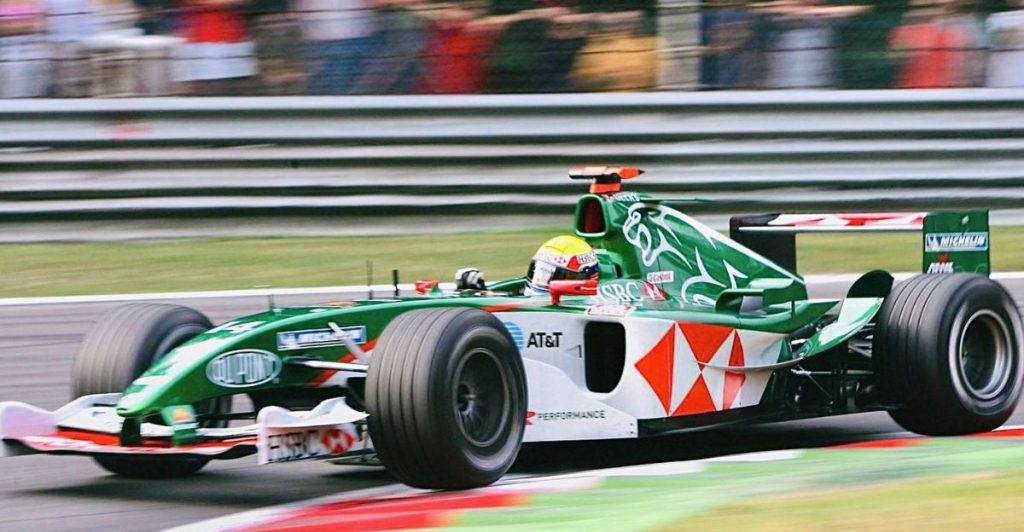
Webber was driving a Minardi, a team without a point in over two seasons. Then Ralf Schumacher launched over Rubens Barrichello at Turn 1, triggering a chain reaction that eliminated eight cars.
Webber held off Mika Salo’s Toyota under heavy pressure and crossed the line fifth. Luck put him in position. Composure kept him there.
10. Eddie Irvine, 1993 Japanese Grand Prix, P6

Irvine was drafted in for Jordan’s penultimate race of the season, qualified eighth ahead of teammate Rubens Barrichello, and finished sixth for the final point. The real headline came when he unlapped himself against race winner Ayrton Senna, a move that left the three-time champion angry enough to confront him physically after the race.
That fearlessness carried Irvine through a decade in F1, four victories, and a near-miss at the 1999 title with Ferrari.
The Pattern Behind The Points
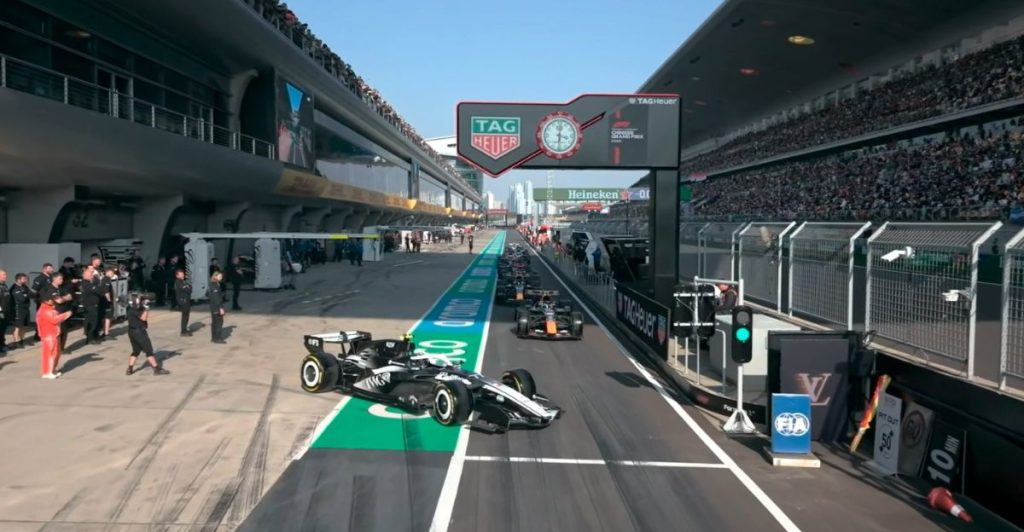
Ten drivers. Ten debut-day points finishes. Talent is the baseline; nobody coasts into the top 10 of an F1 race without it. But every name on this list also needed the right machinery, the right moment, or the right chaos. Bearman needed Sainz’s appendix to fail. Webber needed eight cars to crash on Lap 1. Magnussen needed Ricciardo’s fuel sensor to betray him. Lindblad needed Piastri’s recon-lap wreck to thin the field before lights out.
Under the pre-2010 system, eighth place earned exactly one point. In 2026, it earned Lindblad four. “Scoring points on my debut was very special,” he said days later. The rules define the club. The car opens the door. The driver still has to walk through it.
Sources:
Formula1.com: “Top 10 rookie drivers to score points on F1 debut as Lindblad celebrates P8 in Australia”
Formula1.com: “Lindblad shakes off ‘young kid’ stereotype with ‘pretty nuts’ P8 finish on debut in Australia”
Formula1.com: “‘I don’t know if that’s fully sunk in yet’ – Lindblad reflects on very special F1 debut”
Formula1.com: “Russell wins action-packed Australian GP from Antonelli as Mercedes secure 1-2″
Motorsport.com: “Oscar Piastri out of Australian GP after dramatic crash on way to grid”
ESPN: “Youngest point scorers in F1 history”