$1.3B EV Loss Highlights Why Major Automakers Retreat From EV Timelines Even as Sales Climb
A shift is underway in the world’s auto capitals. In Detroit, Stuttgart, and Tokyo, executives are quietly making similar moves: pushing back launch dates, trimming production targets, and shifting engineering focus from all-electric models to hybrids.
Dramatic press conferences are unnecessary. The latest earnings reports make the situation clear. The average car on a European road is about 12 years old. The vehicles selling today will shape emissions and engine choices well into the 2030s.
Growth on Paper, Pressure in Practice
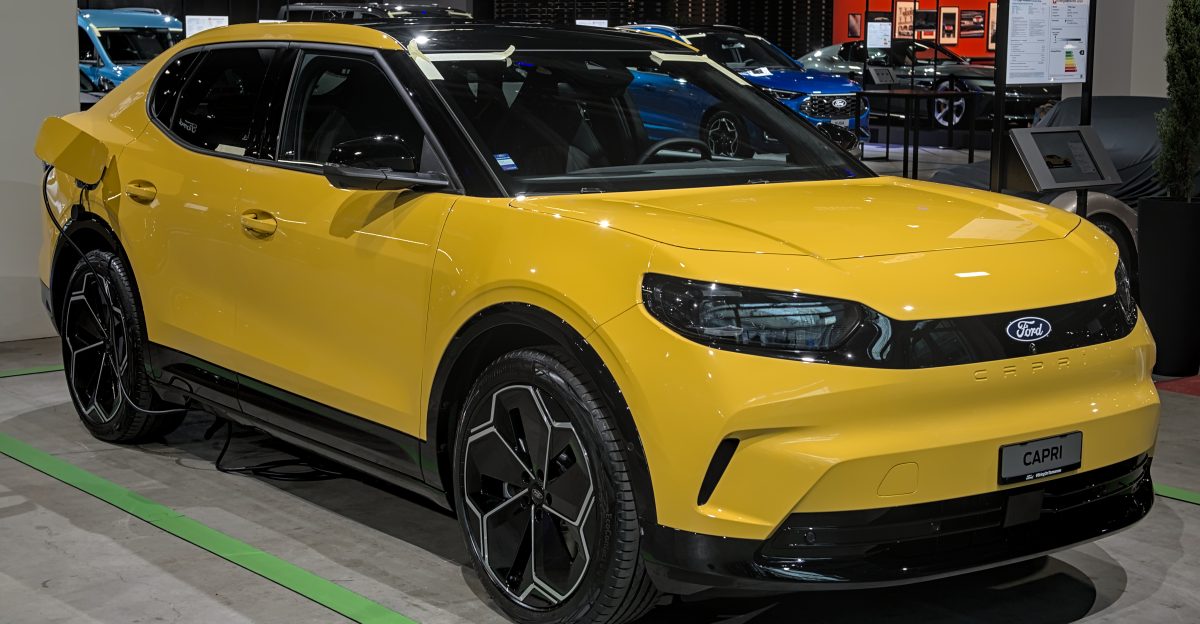
Global EV sales reached about 14 million units in 2023, according to the International Energy Agency. In 2024, projections and later data indicate sales climbed past 17 million. These are growth figures that typically prompt automakers to accelerate investment. Yet delays continue.
Ford, GM, Stellantis: all are adjusting timelines and facing financial pressure. The data does not support the idea that demand is collapsing.
Profit Worries Behind the Numbers
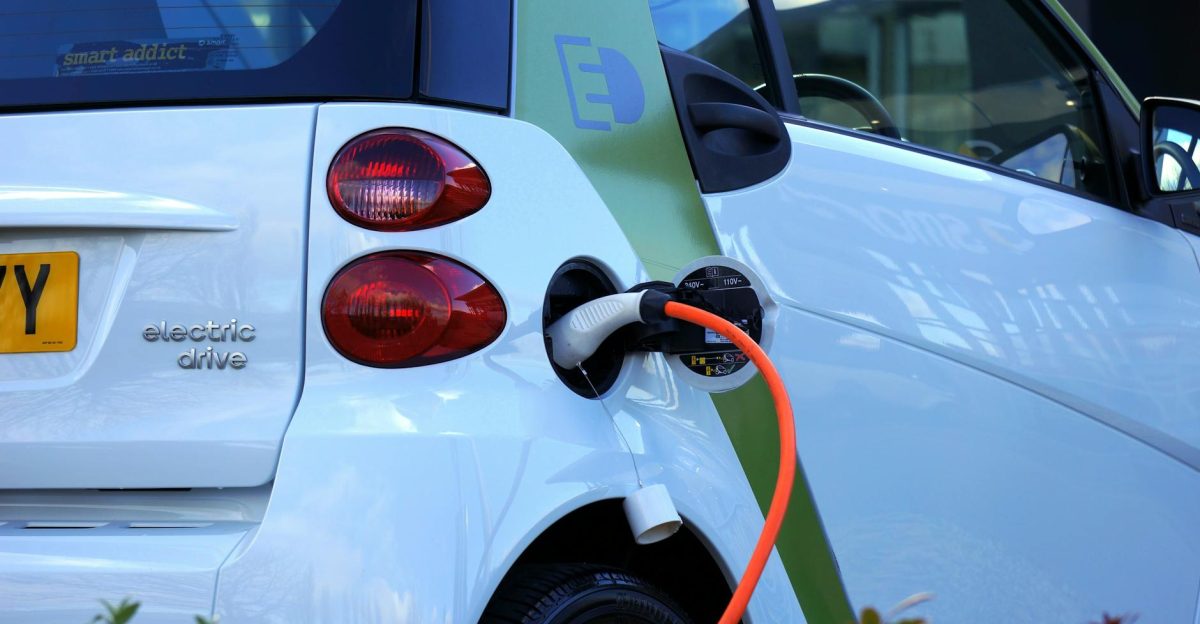
Despite 17 million people projected to buy EVs this year, automakers are worried about profitability. The concern does not center on consumer interest, but on financial outcomes when EVs are sold. According to Cox Automotive, the U.S. market now relies heavily on incentives and discounts to keep EV sales strong. On average, automakers offer incentives worth about 12% of the EV’s transaction price, compared to only 7% for other vehicles.
Car companies are effectively buying their own market share with money they can scarcely spare. That 12-year fleet age in Europe now points to a major challenge for the industry.
The Cost of Going Electric
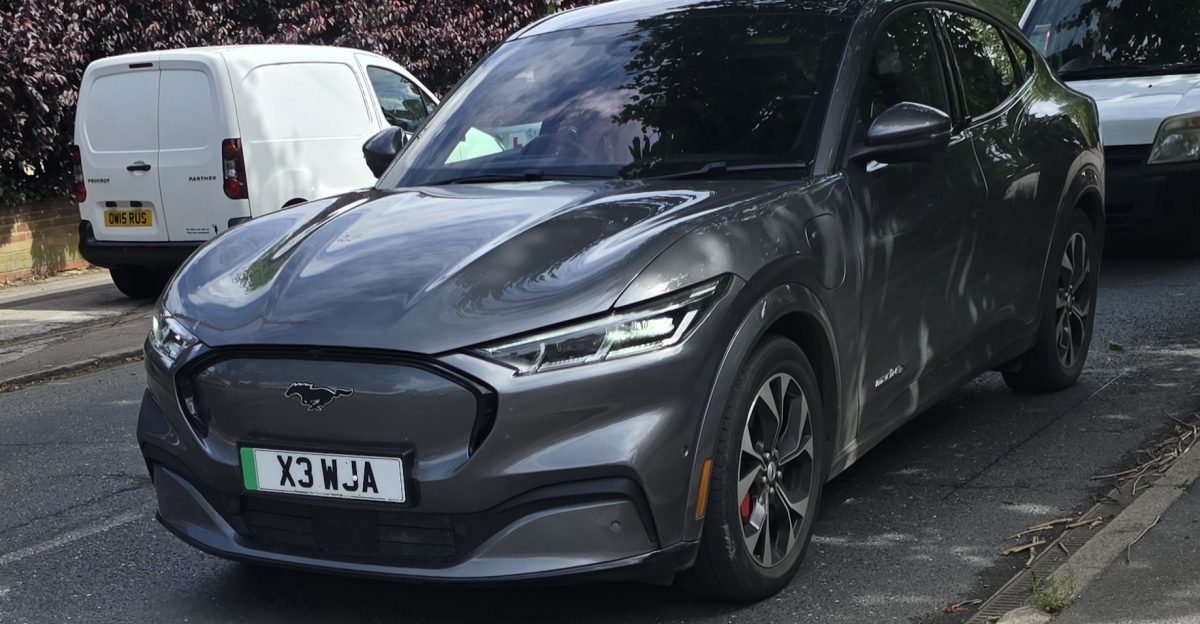
Ford’s EV division, Model e, posted a $1.3 billion loss in a single quarter. One division, three months, $1.3 billion gone. At that pace, annual losses would exceed $5 billion from just one company’s electric vehicle lineup.
Automakers continue electrification, but are stepping back from selling EVs at a loss. Margin pressures and inflexible regulatory deadlines are forcing this adjustment.
Chasing Profit Under New Rules
The EPA’s new pollution standards for cars starting in 2027 remain firm regardless of recent losses. The EU’s 2035 goal for zero tailpipe emissions from new cars also stands. Automakers are now juggling their options: gasoline, hybrid, plug-in hybrid, and full electric.
The central aim is to meet regulations while maintaining profitability. This process resembles remodeling a house while still living in it: the kitchen must remain operational, and hybrids serve as that reliable kitchen.
Subsidy Economics and Market Reality
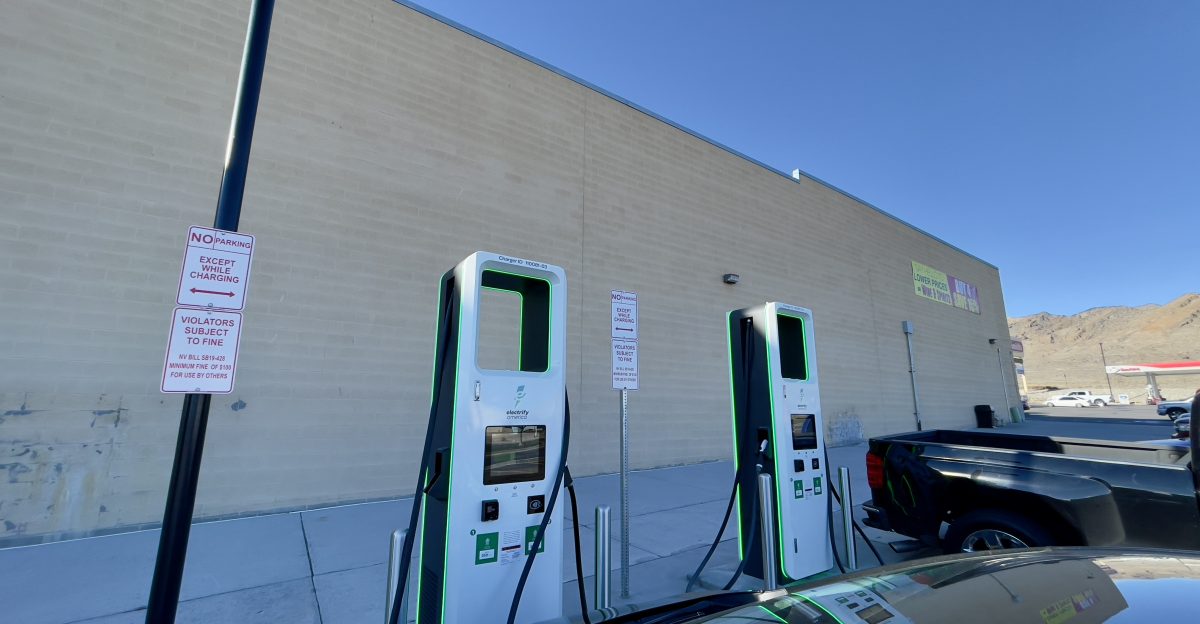
EVs are taking a larger share of the U.S. market. The Treasury and IRS have set strict rules for the clean vehicle credit, excluding models that do not meet new battery sourcing and assembly requirements, including some tied to “foreign entities of concern.”
As a result, fewer EVs qualify for tax credits, concentrating demand on fewer models and forcing deeper discounts on the rest. EV market share can rise, even if underlying economics weaken. The challenge lies in the gap between sales growth and profitability. When a sale depends on a subsidy, the business model remains unproven.
Ripple Effects Up and Down the Chain
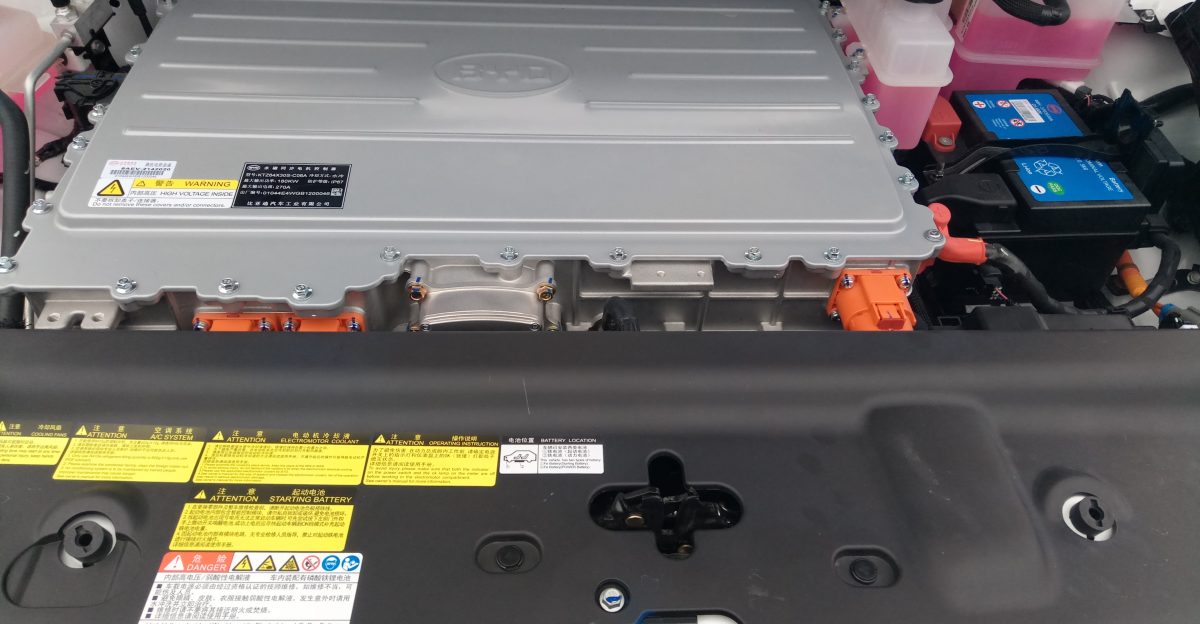
Automakers are not the only ones affected. Battery suppliers, parts manufacturers, and factories built for an electric future now face unpredictable demand. Orders shift. Production lines sit idle. Workers hired to build the next wave of EVs watch as schedules are rewritten every few months.
Buyers also experience uncertainty: model launches are delayed, incentive rules change, and resale values drop as discounts lower prices for nearly new EVs. The ripple effect touches every link in the chain. Factories upstream wait for direction, while buyers downstream hesitate. This hesitation feeds back into the same demand softness automakers cite when delaying the next launch.
Timelines Meet Real-World Math

This shift is not a one-off fluke. The era of bold “all-EV by 20XX” promises is giving way to a more practical approach. Automakers are diversifying across all types of powertrains. Electrification timelines are now shaped by business realities.
Even with strict new rules, Europe’s car fleet will not fully turn over for more than a decade. A car bought in 2025 will still be on the road in 2037. The so-called “retreat” follows the arithmetic.
Margin Squeeze and Regulatory Deadlines
Regulatory deadlines remain unchanged. If rules tighten faster than demand increases, the debate over emissions standards will intensify. Automakers facing narrow margins and upcoming compliance dates will push for more flexible options: extensions, credits, and additional regulatory tools.
Companies most at risk are those that committed solely to EV production without alternatives. GM, for example, has stated that EV profitability requires a gradual ramp in volume and future product launches. This staged approach depends on reaching the next milestone before resources are exhausted.
Adapting for Survival, Not Revolution
Automakers are adapting through plug-in hybrids, smarter vehicle platforms, and steady efforts to reduce battery costs. This is a bridge, built to last until business fundamentals improve. Headlines often frame the EV transition as either a certainty or a failure. The reality is more complex.
Demand is rising, but so are losses. Companies are focused on survival and steady progress. This context clarifies the numbers and headlines about a supposed “retreat.”
Sources:
International Energy Agency – Global EV Outlook 2024 – May 2024
Ford Motor Company – Q1 2024 Earnings Release / Presentation (Model e segment loss) – April 2024
Cox Automotive / Kelley Blue Book – New-Vehicle Average Transaction Prices Drop to Lowest Level in 2 Years, High Incentives on EVs Help – April 16, 2024
U.S. Environmental Protection Agency – Final Rule: Multi-Pollutant Emissions Standards for Model Years 2027 and Later Light-Duty and Medium-Duty Vehicles – March 20, 2024
European Parliament / Council – Regulation Requiring 100% CO2 Reduction from New Cars by 2035 – February 2023
U.S. Department of the Treasury – Treasury Releases Proposed Guidance on New Clean Vehicle Credit – March 30, 2023